



When The Saints Go Marching In (lección)
Qué incluye el curso
16 lecciones (1h 6m) · 1 gratis
01. Algunos comentarios sobre la afinación y la teoría
Lección gratis6:11
02. Amazing Grace (lección)
10:51
03. Amazing Grace (interpretación)
1:19
04. Greensleeves (lección)
8:36
05. Greensleeves (interpretación)
1:12
06. Shebeg & Shemore (lección)
6:53
07. Shebeg & Shemore (interpretación)
1:54
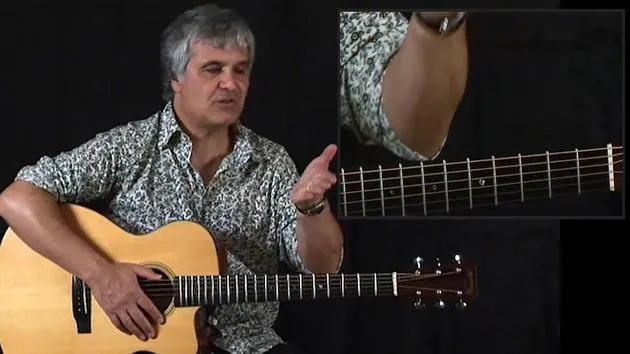
08. Wayfaring Stranger (lección)
7:35
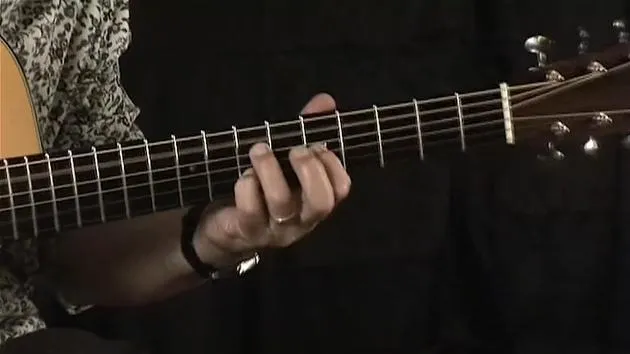
09. Wayfaring Stranger (interpretación)
2:36
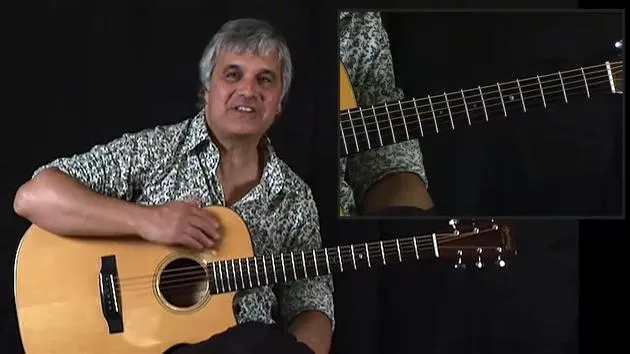
10. Shenandoah (lección)
5:34
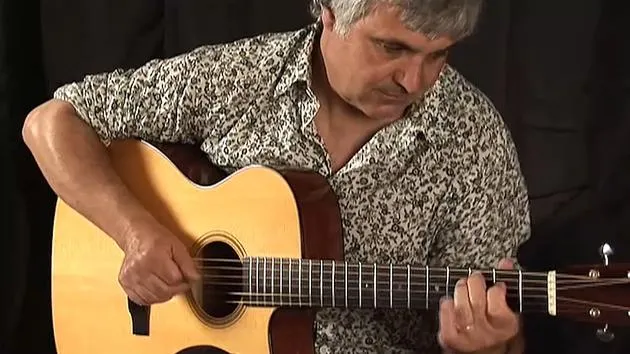
11. Shenandoah (interpretación)
1:55
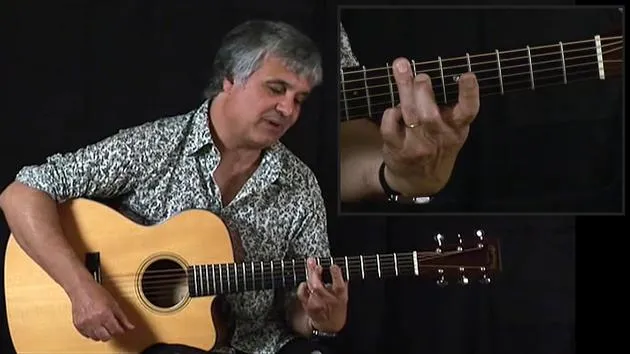
12. When The Saints Go Marching In (lección)
Estás aquí3:47
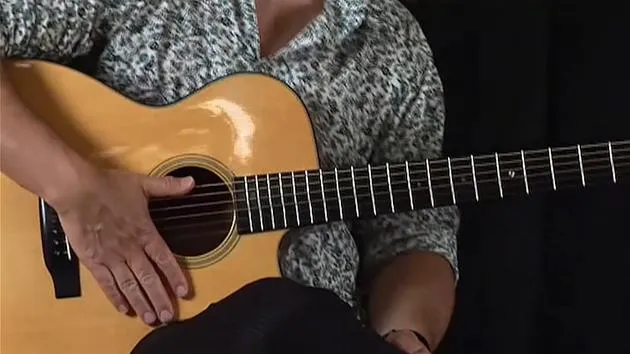
13. When The Saints Go Marching In (interpretación)
0:43
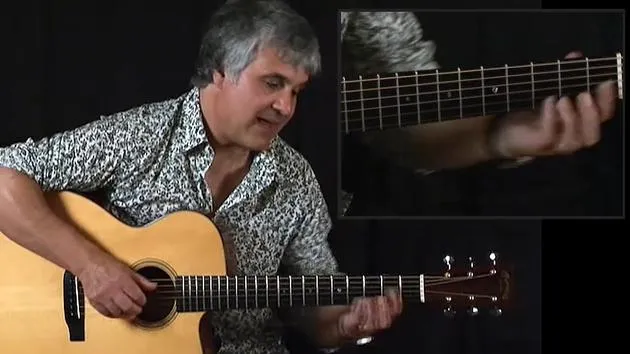
14. Take Me Out To The Ballgame (lección)
4:14
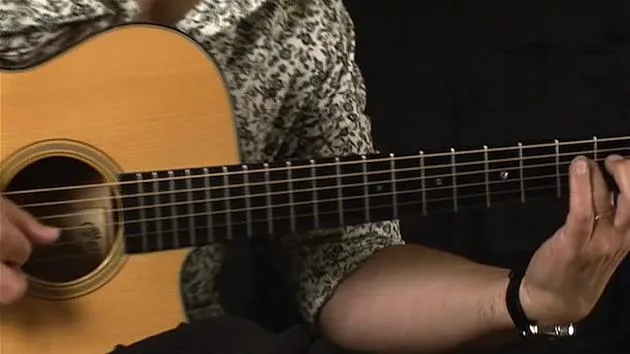
15. Take Me Out To The Ballgame (interpretación)
1:26
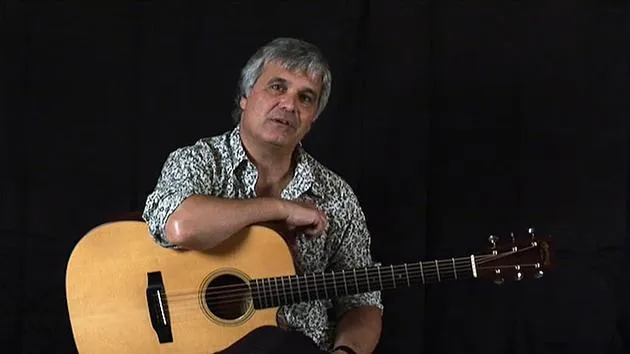
16. Algunas notas sobre la tonalidad de Re menor y despedida
1:40
Transcripción de la lección
When the Saints Go Marching In: A Music Lesson
Introduction
The first piece that I ever learned to play was "When the Saints Go Marching In." I learned it in the key of C, in standard tuning.
Tuning and Key
- Key: C
- Tuning: Standard
However, I later explored it in D, using DADGAD tuning. The melody fits nicely on both the top and bottom strings, allowing for some creative counterpoint.
Basic Melody
The basic melody is very straightforward, working within a narrow range of just a fifth.
Creating Counterpoint
What I'm going to do is spice it up with some counterpoint:
- Melody: Start with the basic melody.
- Echo: Follow with an echo of the melody.
- Bass Line: Continue the bass line down.
- Scale Movement: Walk down the scale, landing on an E instead of an A.
Chord Voicings
- The melody note is the sixth of the chord.
- Adding a seventh and a ninth underneath creates an A.
- This is an A 13th shape that you may be familiar with.
- Move it around for various chord sequences while keeping an alternate bass.
Transitioning Chords
Next, I'll move to a D ninth chord.
- Notice that instead of playing the melody on the top string, I've transferred it for added depth.
- Adding a seventh and the ninth gives us the D ninth voicing, transitioning to a G over B.
Bass Line Movement
- The bass line moves down a half step to D over F sharp.
- This creates a cycle of fifths movement.
- It can be treated as either a D chord or an F sharp minor, but I prefer the DADGAD tuning approach.
Conclusion
- The progression continues: E minor 7, A, and then to D.
- It's a fun little arrangement!
Performance
Now, let me perform "When the Saints Go Marching In" for you.
16 lecciones
1h 6m de lecciones en vídeo estructuradas
Funciones de vídeo avanzadas
Ralentiza, repite un pasaje, sigue la partitura
Móvil, tablet y ordenador
Practica donde quieras
Garantía de satisfacción 100%
30 días de garantía de devolución
Conoce a tu gurú
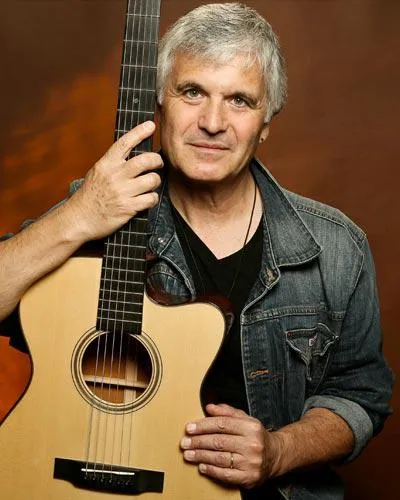
Conoce a tu gurú
Laurence Juber se dio a conocer primero como guitarrista principal de Wings, la banda de Paul McCartney. Desde entonces ha construido una carrera como guitarrista fingerstyle, compositor y arreglista, trabajando en gran medida con la afinación DADGAD, que le valió el apodo de 'the Duke of DADGAD'.
Los lectores de Fingerstyle Guitar Magazine lo han votado Guitarrista del año, y la revista Acoustic Guitar lo ha incluido entre los mejores guitarristas, junto a una larga lista de álbumes en solitario y giras por todo el mundo.
En sus cursos enseña su técnica fingerstyle y la afinación DADGAD por la que es conocido, cómo combinar melodía, armonía y bajo en un arreglo para guitarra sola, y las piezas -como su emblemática 'Wooden Horses'- que lo reúnen todo.







