



Shenandoah (lección)
Qué incluye el curso
16 lecciones (1h 6m) · 1 gratis
01. Algunos comentarios sobre la afinación y la teoría
Lección gratis6:11
02. Amazing Grace (lección)
10:51
03. Amazing Grace (interpretación)
1:19
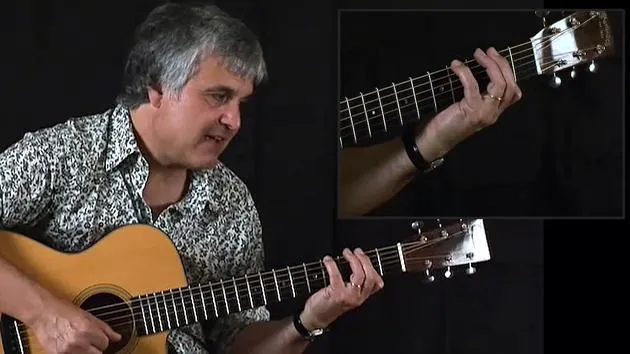
04. Greensleeves (lección)
8:36
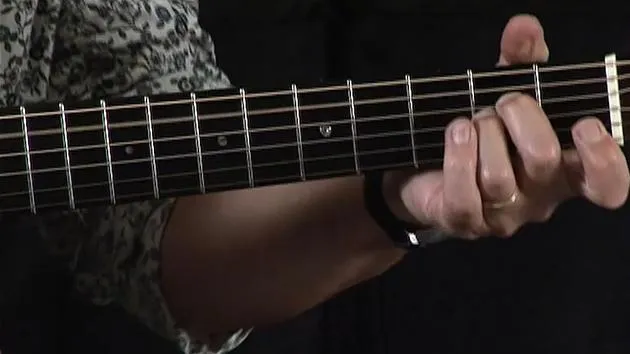
05. Greensleeves (interpretación)
1:12
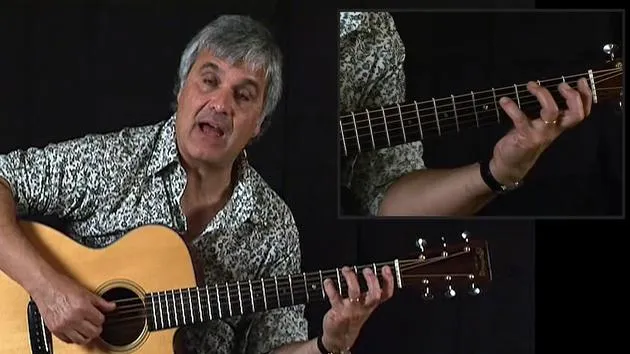
06. Shebeg & Shemore (lección)
6:53
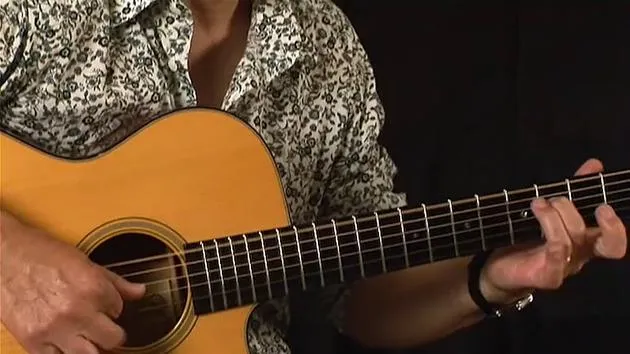
07. Shebeg & Shemore (interpretación)
1:54
08. Wayfaring Stranger (lección)
7:35
09. Wayfaring Stranger (interpretación)
2:36
10. Shenandoah (lección)
Estás aquí5:34
11. Shenandoah (interpretación)
1:55
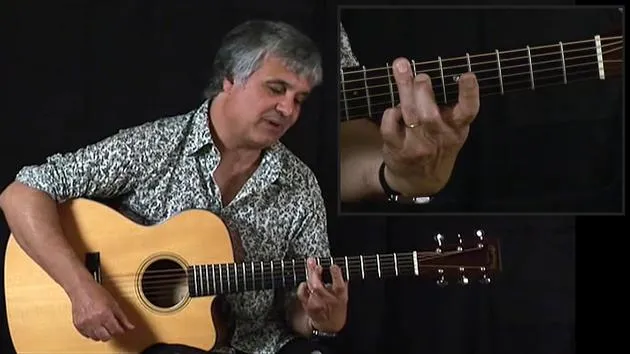
12. When The Saints Go Marching In (lección)
3:47
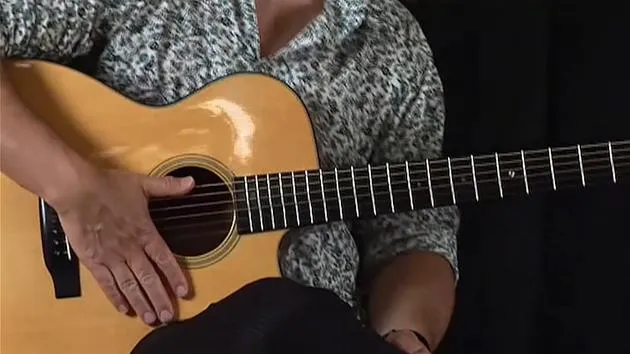
13. When The Saints Go Marching In (interpretación)
0:43
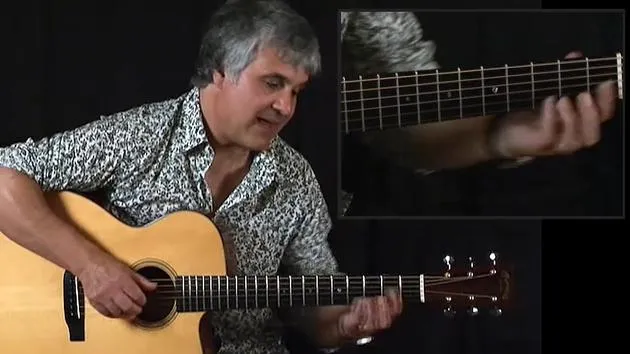
14. Take Me Out To The Ballgame (lección)
4:14
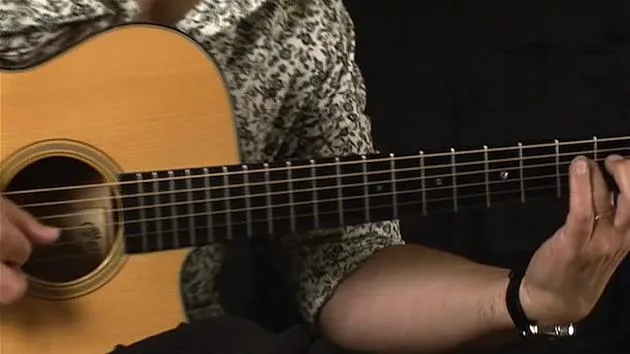
15. Take Me Out To The Ballgame (interpretación)
1:26
16. Algunas notas sobre la tonalidad de Re menor y despedida
1:40
Transcripción de la lección
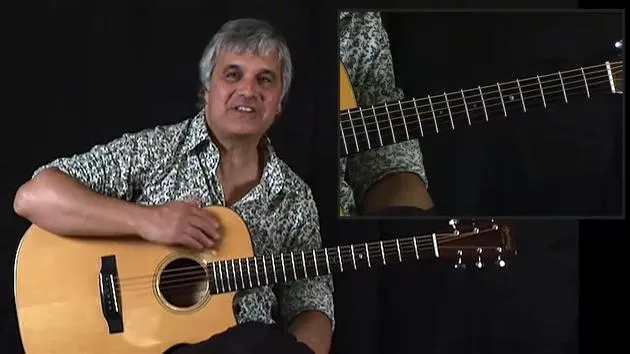
Shenandoah: Exploring the Key of G
Welcome to today's lesson where we will explore the key of G.
Why the Key of G?
- Useful in Dadgad Tuning: The V chord is our basic D zone with all those open strings.
- Resting Position: The G zone has a nice floating quality due to the presence of the sus 2 instead of the third.
Arrangement Overview
I have an arrangement of Shenandoah, which is a traditional song. It sits within a very small range, allowing us to stay in one position.
- Intro: I'm adding an intro using a melodic fragment before bringing the melody in.
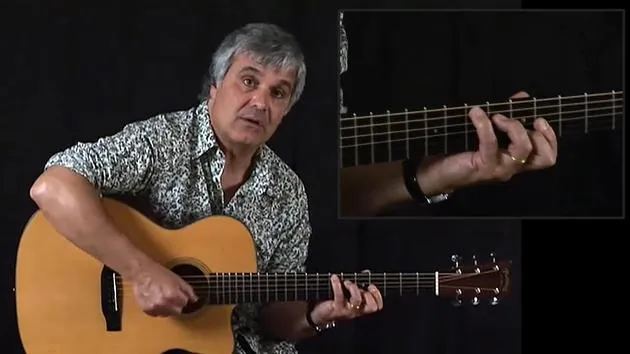
- Bass Line: Notice how I move the bass line down. I could finger it differently, but I prefer this method as it keeps things ringing more and fills in the gaps.
Chord Progression:
- Going to: A, G7, E minor, C, G over B, A
You'll notice there are a few extra beats in the melody, which becomes a six-four bar. The end of this melodic phrase transitions into the beginning of my turnaround, which serves as my little intro passage before playing the tune again.
Adding Counterpoint
In the next section of the melody, I'll add some counterpoint. This means I'll echo the melody a beat or two later.
- Example Echo:
- If I play the melody, my echo would sound something like this [insert example melody here].
As I add the echo, I twist it slightly and then lead back into the intro.
Creating Texture
Let's revisit this concept:
- I'm creating texture by not merely picking through the chords.
- Instead, I'm taking melodic motifs and playing with them.
This technique isn't exclusive to Dadgad; it's a broader arranging technique that allows us to vary the melody.
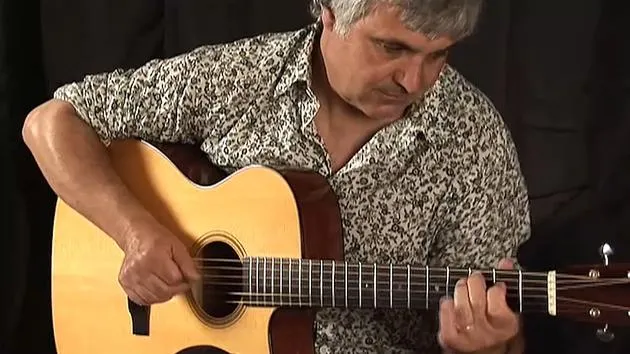
Full Performance
Now, I'll play the entire arrangement for you:
This is Shenandoah in the key of G in Dadgad tuning.
16 lecciones
1h 6m de lecciones en vídeo estructuradas
Funciones de vídeo avanzadas
Ralentiza, repite un pasaje, sigue la partitura
Móvil, tablet y ordenador
Practica donde quieras
Garantía de satisfacción 100%
30 días de garantía de devolución
Conoce a tu gurú
Conoce a tu gurú
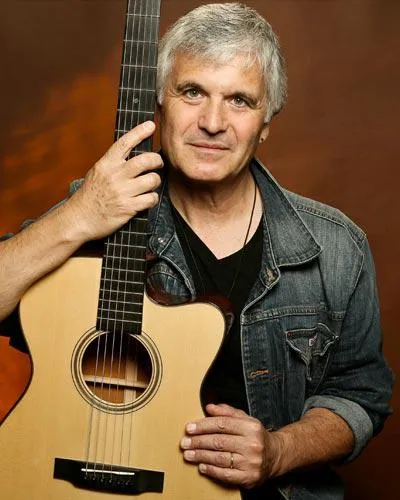
Laurence Juber se dio a conocer primero como guitarrista principal de Wings, la banda de Paul McCartney. Desde entonces ha construido una carrera como guitarrista fingerstyle, compositor y arreglista, trabajando en gran medida con la afinación DADGAD, que le valió el apodo de 'the Duke of DADGAD'.
Los lectores de Fingerstyle Guitar Magazine lo han votado Guitarrista del año, y la revista Acoustic Guitar lo ha incluido entre los mejores guitarristas, junto a una larga lista de álbumes en solitario y giras por todo el mundo.
En sus cursos enseña su técnica fingerstyle y la afinación DADGAD por la que es conocido, cómo combinar melodía, armonía y bajo en un arreglo para guitarra sola, y las piezas -como su emblemática 'Wooden Horses'- que lo reúnen todo.







