



The West Wind (lección)
Con
Al Petteway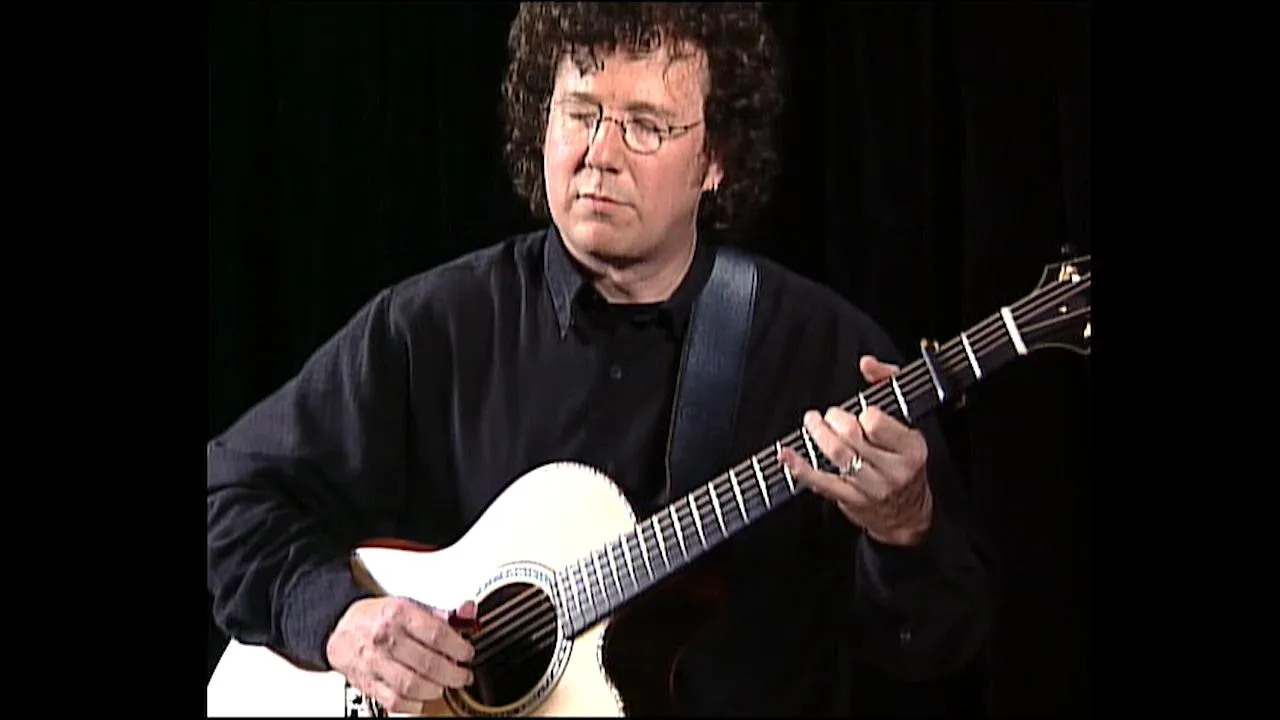
Qué incluye el curso
14 lecciones (1h 25m) · 1 gratis
01. Spindrift (interpretación)
Lección gratis3:36
02. Spindrift (lección)
9:05
03. Eureka Hotel (interpretación)
3:12
04. Eureka Hotel (lección)
9:47
05. She Moved Through The Fair (interpretación)
2:34
06. She Moved Through The Fair (lección)
9:05
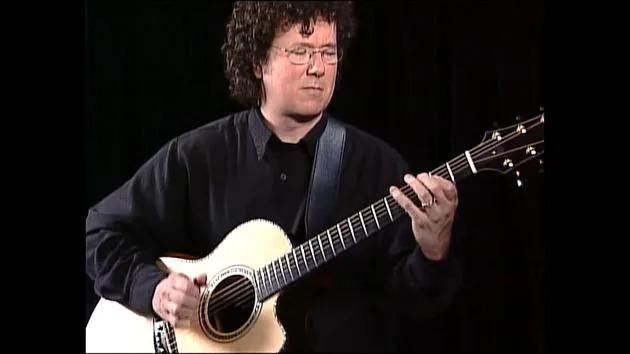
07. Meant To Be (interpretación)
3:59
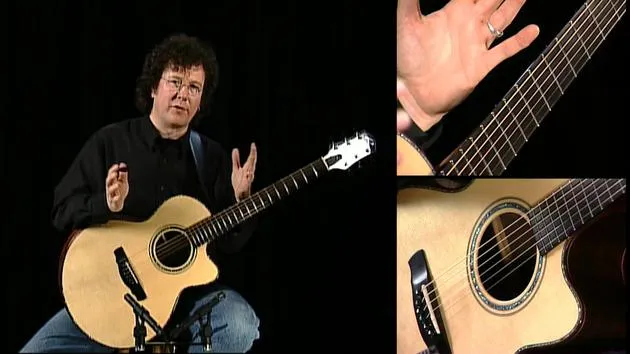
08. Meant To Be (lección)
10:25
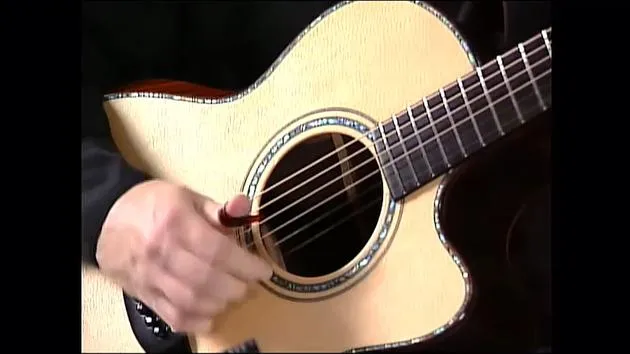
09. Smokey Mountain Morning (interpretación)
4:53
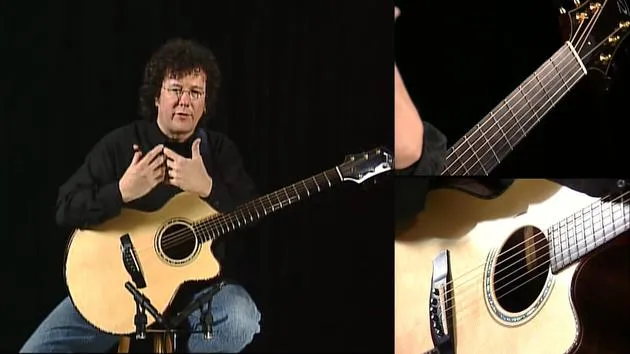
10. Smokey Mountain Morning (lección)
9:21
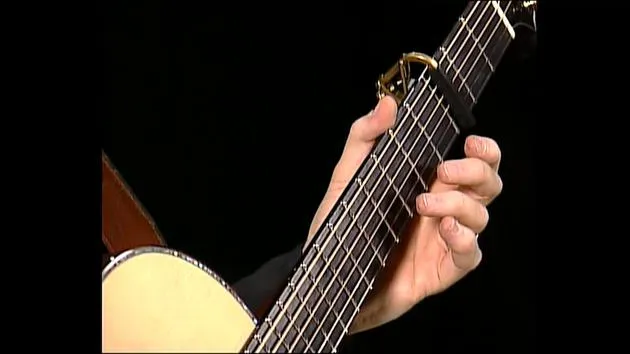
11. The West Wind (interpretación)
3:34
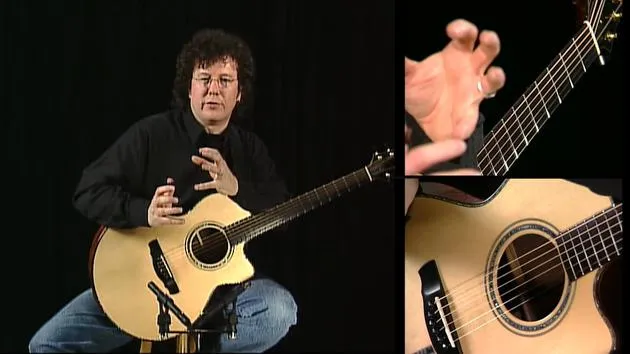
12. The West Wind (lección)
Estás aquí9:48
13. BONUS: After Dark
3:34
14. BONUS: Requiem (interpretación)
2:37
Transcripción de la lección
Understanding Traditional Melodies and Their Variations
Many of the melodies that are considered traditional, believe it or not, are recognized across several different cultures. I discovered this early on when I started playing with a Scottish fiddler. She introduced me to certain tunes that I had heard played in bluegrass music.
Then I played with an Irish musician, and they were doing the same tunes but with different names. One of my favorite examples is a tune I initially heard played by a piper called the West Wind. However, I later learned from an Irish fiddler that this was actually not a Scottish tune; it was an Irish tune called the South Wind. Later on, while playing with an English group, they referred to it as a Christmas tune called the Michaelmas Wind.
So, I guess you could call it just about anything you want. People borrow melodies and make them their own.
Creating a Scottish Sound
Since I originally learned this tune from a piping recording, I thought it would be cool to create a sound reminiscent of that style within the tune. Here are a couple of techniques you can use to make it sound more Scottish:
-
Get a drone in the bass:
I initially started trying to play this in the key of D, which has a nice low sound. However, when you have the melody and the bass close together in that range, it can sometimes get a bit muddy. -
Use a capo:
I decided to use my trusty capo and experiment with different positions on the neck. For some reason, I found that the third fret position gave me my favorite sound for this tune.
The tuning lends itself well to using open strings in this modal sound, allowing you to back up major or minor tunes. This melody is primarily in the major key.
Structuring the Melody
As I play through the melody a couple of times in a lower register, the underlying chord structure becomes clear:
- Chords: 1, 1, 4
- Bridge Section: 5, 1, 5, then 6, 2, 5
Here, I substitute the third to create parallel movement.
A common technique in guitar arrangements of Celtic music is to fool the listener at the end of a phrase by shifting to the IV chord instead of resolving to the root.
You might play it like this:
- Transition:
- (Root chord)...
- (IV chord)
This works well, often aligning with the melody. Use this sparingly in your tunes for a nice change.
Exploring Different Melodic Styles
In this tuning, I can also play the melody in various ways:
- On one string
- Across the strings
This flexibility provides different choices while playing through the arrangement. For example, I can let the notes ring like a harp, or choose a contrasting quality.
A Creative Technique
Here's an interesting trick to enhance your arrangement:
- Take the melody and stretch to another string, maintaining the same note.
- Instead of just playing the note, try transitioning smoothly into a drone.
This can create a wonderful effect, especially when the melody repeats a note.
Higher Octave Challenges
When I reach the B section in a higher octave, I need to position myself higher to get the chords since the melody ascends. I might combine fingered notes with an open string as I transition back to the original sound.
In this context, I can also add:
- An octave for a fuller sound, which can provide a nice 12-string effect momentarily.
- Incorporating thirds back into the arrangement enriches the tune's texture.
Ending Techniques
When concluding, remember:
- Experiment with the snap effect, unique to Scottish playing.
You might not hear this inflection in Irish music, which is often much straighter. The distinction arises partly due to the way pipers move their fingers, creating a burst of air that precedes the notes.
To imitate this on guitar, aim for a slightly absent note while maintaining the rhythm.
In my last verse, I usually play it straight Scottish, maintaining the drone throughout to capture the essence typical of bagpipe music, with that distinctive snap ingrained in the melody.
Using these techniques can greatly enhance your understanding and performance of traditional melodies, showcasing their beauty and cultural variances.
14 lecciones
1h 25m de lecciones en vídeo estructuradas
Funciones de vídeo avanzadas
Ralentiza, repite un pasaje, sigue la partitura
Móvil, tablet y ordenador
Practica donde quieras
Garantía de satisfacción 100%
30 días de garantía de devolución
Conoce a tu gurú
Conoce a tu gurú
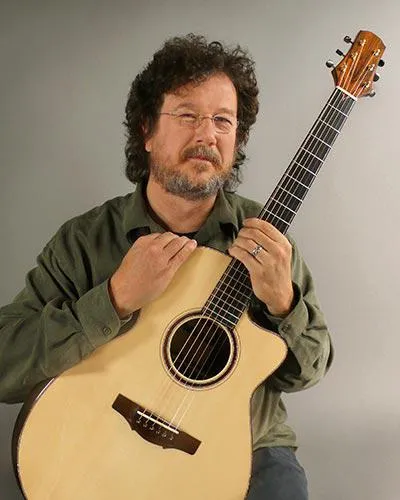
Artista de grabación e intérprete ganador de un Grammy Award, Al Petteway ha tocado prácticamente todos los tipos de música popular, folk y clásica. Aunque su instrumento principal siempre ha sido la guitarra, también ha estudiado laúd, contrabajo, percusión y composición musical. Sus composiciones para guitarra acústica fingerstyle están fuertemente influidas por su amor por la música celta y por sus propias raíces en el folk, el rock y el blues, exactamente el terreno que abre en su curso de MusicGurus, Celtic, Blues and Beyond.
En Celtic, Blues and Beyond, Al comparte las afinaciones abiertas, las técnicas de fingerstyle y el enfoque melódico que hay detrás de su sonido, mostrándote cómo fusionar el fraseo celta con el feel del folk, el rock y el blues para que encuentres tu propia voz en la guitarra acústica.
Al recibió cuarenta y cinco "Wammies" de la Washington Area Music Association, incluidos los máximos honores de "Artist of the Year" y "Musician of the Year". Fue galardonado con dos Maryland State Arts Council Individual Artist Awards de Composición Musical y ha actuado en la residencia del Vicepresidente y en The White House. Su forma de tocar aparece en más de sesenta grabaciones de algunos de los músicos de folk y celta más conocidos del mundo. En 2005 fue votado uno de los Top Fifty Acoustic Guitarists of all Time por los lectores de Acoustic Guitar Magazine, y en 2008 ganó medallas de Plata y Bronce en los Player's Choice Awards de la revista. Su CD "Caledon Wood" fue votado uno de los "Essential Albums of the Past Twenty Years" en el número del 20 aniversario de Acoustic Guitar Magazine, y su lanzamiento de 2012 "It's Only the Blues" figuró en dos de las listas "Top Ten Essential Albums of 2012" de los editores de Acoustic Guitar Magazine. En 2014 y 2015 publicó dos álbumes en solitario más, "Mountain Guitar" y "Dream Guitars, Vol. II."
"Un instrumentista innovador conocido por sus afinaciones abiertas, Petteway ofrece un sonido rico y dulce que combina una fusión de lo antiguo y lo nuevo."
--The Boston Globe







