



Eureka Hotel (lección)

Con
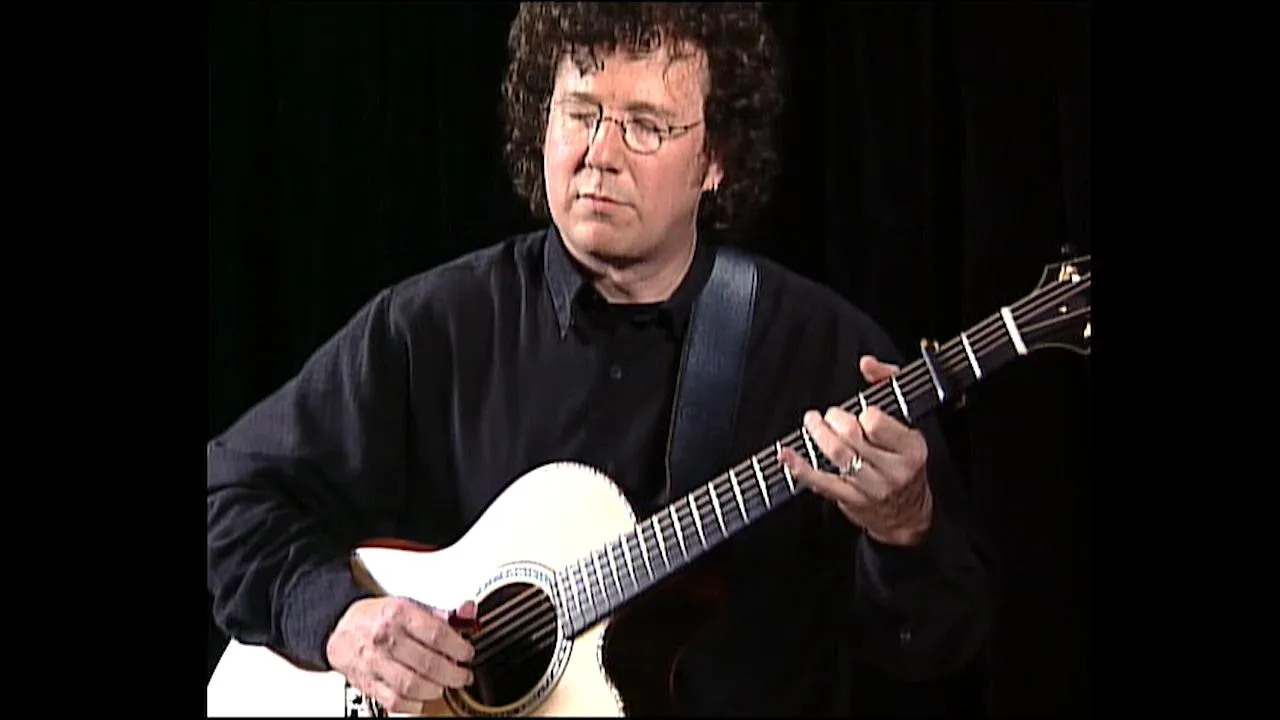
Al PettewayAl Petteway enseña 'Eureka Hotel' en afinación DADGAD, tocando la melodía en octavas para un sonido tipo guitarra de 12 cuerdas sobre un bajo constante.
Qué incluye el curso
14 lecciones (1h 25m) · 1 gratis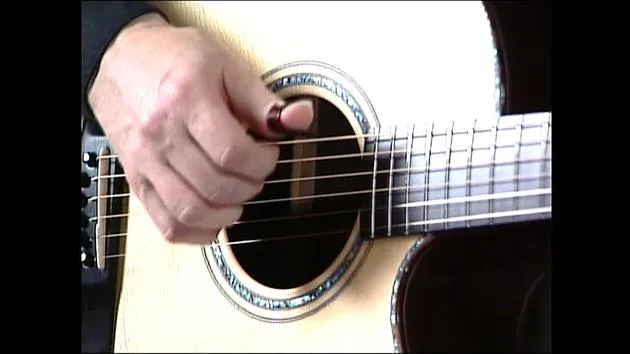
01. Spindrift (interpretación)
Lección gratis3:36
02. Spindrift (lección)
9:05
03. Eureka Hotel (interpretación)
3:12
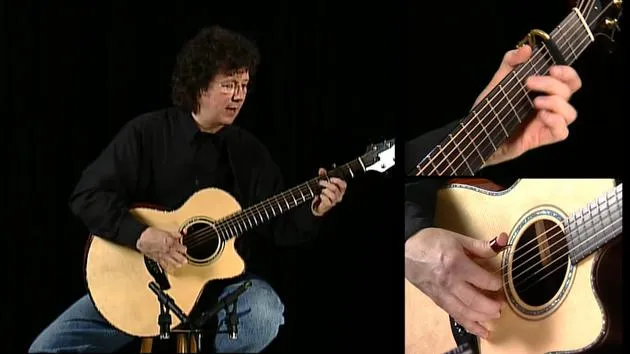
04. Eureka Hotel (lección)
Estás aquí9:47
05. She Moved Through The Fair (interpretación)
2:34
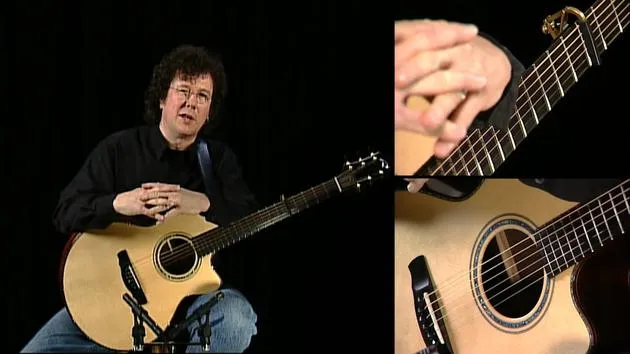
06. She Moved Through The Fair (lección)
9:05
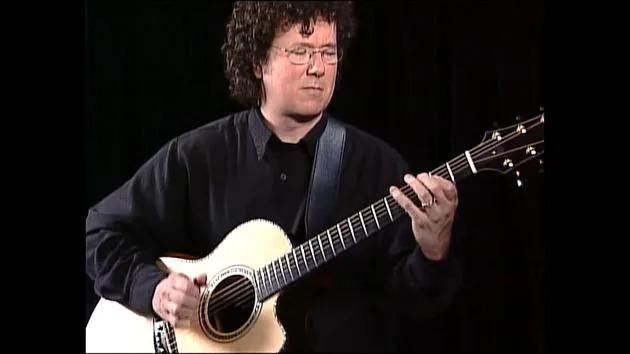
07. Meant To Be (interpretación)
3:59
08. Meant To Be (lección)
10:25
09. Smokey Mountain Morning (interpretación)
4:53
10. Smokey Mountain Morning (lección)
9:21
11. The West Wind (interpretación)
3:34
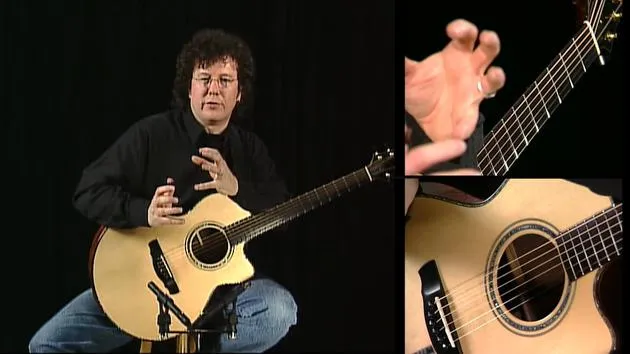
12. The West Wind (lección)
9:48
13. BONUS: After Dark
3:34
14. BONUS: Requiem (interpretación)
2:37
Transcripción de la lección
Discovering Dad Gad Tuning
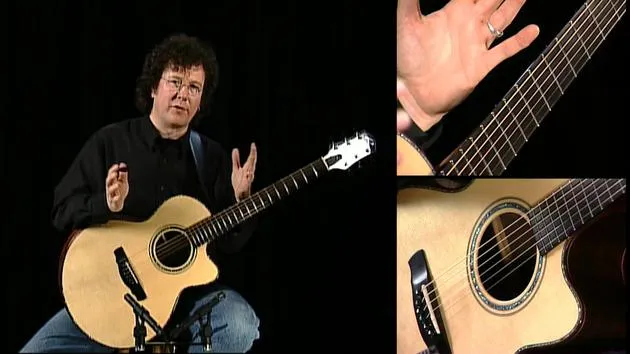
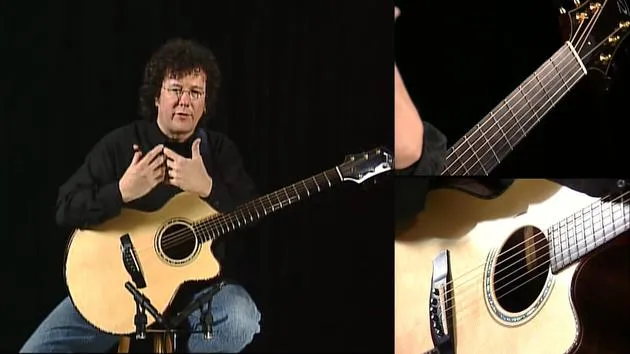
One of the most fun things that I've discovered lately while playing in Dad Gad tuning is that you can actually play some of the older style tunes. You can almost imitate a 12-string guitar because you have all these parallel strings.
The Parallel Strings Effect
- Three strings in octaves: You can play an entire melody on a double pair of strings and get almost a 12-string effect.
- Melodies and Bass Lines: By combining melodies with a standard, repeating bass line, you create a unique sound.
Starting Out
Originally, I was just sort of playing with the idea of playing a melody in octaves and then the bass. This melody is simple, and what I have to do is really concentrate on finding those octaves comfortably.
Key Points
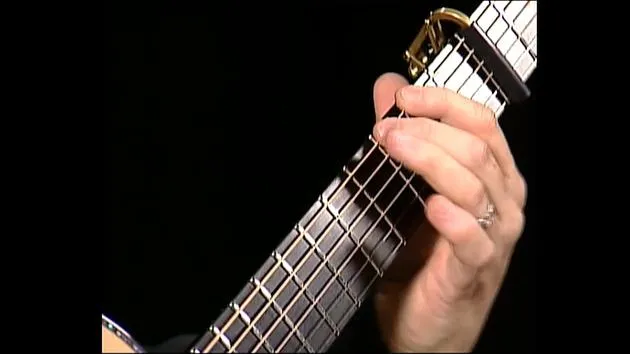
- When playing the fifth and the second string, there are two strings between.
- When playing the fourth and the first string, there are also two strings between.
- However, when you get down to the fourth and the sixth, there's only one string in between.
So, you have to make that subtle adjustment with your right hand, allowing you to play just about any melody, even in those tunes.
Practical Application
Just like I showed you in the "West Wind," you can suddenly pull in an octave and it gives a nice flavor.
Example Chords
The other thing to keep in mind is that I'm using chords that are pretty much standard tuning chords. But by switching the fingering slightly, I can get:
- Seventh Chord: Here's a seventh.
- Straight Major: All I have to do is add the flatted seventh.
- Minor Seventh: To create this, I just flatten that major third to A minor.
The feeling of playing these chords is not much different from playing the four-note jazz chords; you just have to rethink the structure a little bit.
A Practical Example
For example, if you play a C chord in Dad Gad, you get a C9.
- If you were to play a blues progression:
- Play a seventh for your I chord
- Transition to the IV chord with a standard C chord
The Flavor of Eureka Hotel
"Eureka Hotel" has that same old, turn-of-the-century flavor. The key takeaway is to maintain a steady rhythm throughout.
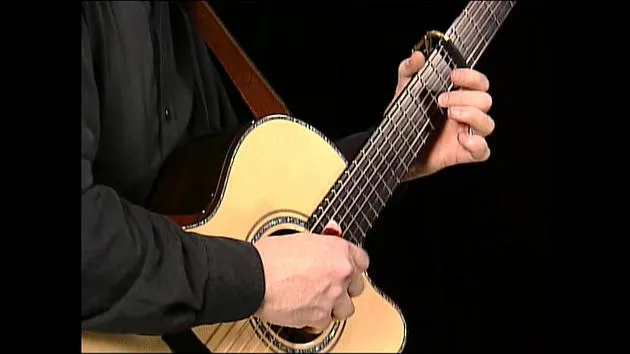
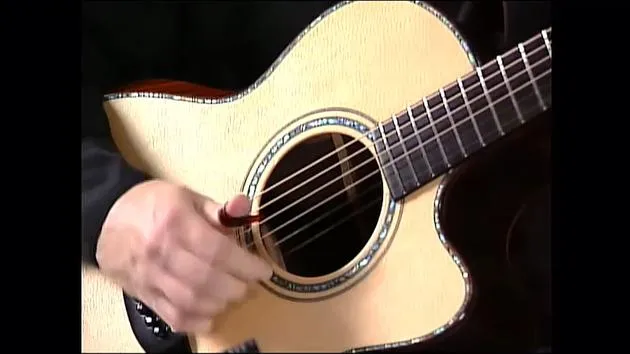
- Octave Melody: Incorporate an octave melody, and sometimes I'll use the back of my nail for more effect.
- Transitioning Back: You go back to this seventh chord with the melody in octaves.
Blues Running Down
This blues run is so easy in Dad Gad! I love how it allows for a more laid-back playing style, where you only need to focus on one or two fingers at a time.
Putting It All Together
This tune repeats pretty much the same elements. The bridge transitions to the IV chord major, then goes to A minor, and back to the I. I dampen the strings here to give it an old-time flavor.
Unique Techniques
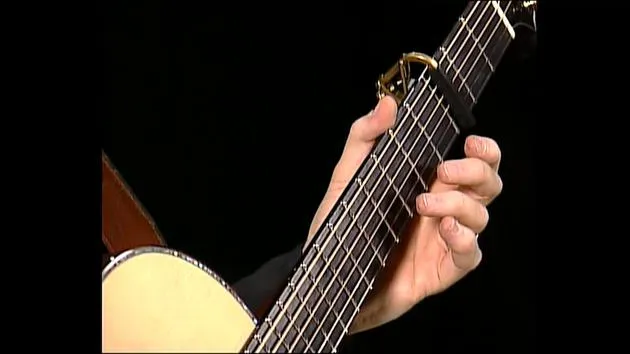
- Stretching Up: While playing, stretch your fingers up but don't let them come down.
- Funky Sound: By getting under the strings and pulling them away from the fret, you can get a funky sound. I'm not using my nails at all; just grabbing with the flesh of my fingers.
Ending Notes
After I do a certain sequence, I perform a hammer-on and pull-off combination and slide up to the matching note.
Flexibility in Music
Every time I play a tune, it changes slightly. Although we provide you with music and tab, remember that tunes are flexible.
- Adapt them to fit what you do particularly well.
- You don't have to play exactly like someone else; make it as easy on yourself as possible.
Final Thoughts
As John Hartford once said, finding your personal style is key. It doesn't have to be fast or fancy; it simply needs to resonate with your heart and soul when you play.
- Once you figure out what works for you, that can be your career in music.
- Stay true to your heart, and everything will fall into place.
14 lecciones
1h 25m de lecciones en vídeo estructuradas
Funciones de vídeo avanzadas
Ralentiza, repite un pasaje, sigue la partitura
Móvil, tablet y ordenador
Practica donde quieras
Garantía de satisfacción 100%
30 días de garantía de devolución
Conoce a tu gurú
Conoce a tu gurú
Artista de grabación e intérprete ganador de un Grammy Award, Al Petteway ha tocado prácticamente todos los tipos de música popular, folk y clásica. Aunque su instrumento principal siempre ha sido la guitarra, también ha estudiado laúd, contrabajo, percusión y composición musical. Sus composiciones para guitarra acústica fingerstyle están fuertemente influidas por su amor por la música celta y por sus propias raíces en el folk, el rock y el blues, exactamente el terreno que abre en su curso de MusicGurus, Celtic, Blues and Beyond.
En Celtic, Blues and Beyond, Al comparte las afinaciones abiertas, las técnicas de fingerstyle y el enfoque melódico que hay detrás de su sonido, mostrándote cómo fusionar el fraseo celta con el feel del folk, el rock y el blues para que encuentres tu propia voz en la guitarra acústica.
Al recibió cuarenta y cinco "Wammies" de la Washington Area Music Association, incluidos los máximos honores de "Artist of the Year" y "Musician of the Year". Fue galardonado con dos Maryland State Arts Council Individual Artist Awards de Composición Musical y ha actuado en la residencia del Vicepresidente y en The White House. Su forma de tocar aparece en más de sesenta grabaciones de algunos de los músicos de folk y celta más conocidos del mundo. En 2005 fue votado uno de los Top Fifty Acoustic Guitarists of all Time por los lectores de Acoustic Guitar Magazine, y en 2008 ganó medallas de Plata y Bronce en los Player's Choice Awards de la revista. Su CD "Caledon Wood" fue votado uno de los "Essential Albums of the Past Twenty Years" en el número del 20 aniversario de Acoustic Guitar Magazine, y su lanzamiento de 2012 "It's Only the Blues" figuró en dos de las listas "Top Ten Essential Albums of 2012" de los editores de Acoustic Guitar Magazine. En 2014 y 2015 publicó dos álbumes en solitario más, "Mountain Guitar" y "Dream Guitars, Vol. II."
"Un instrumentista innovador conocido por sus afinaciones abiertas, Petteway ofrece un sonido rico y dulce que combina una fusión de lo antiguo y lo nuevo."
--The Boston Globe







