



Rosalie (lección)
Con
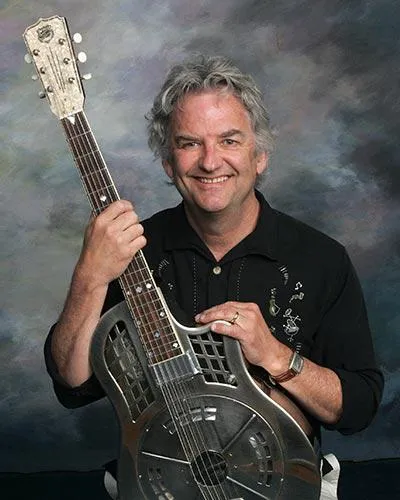
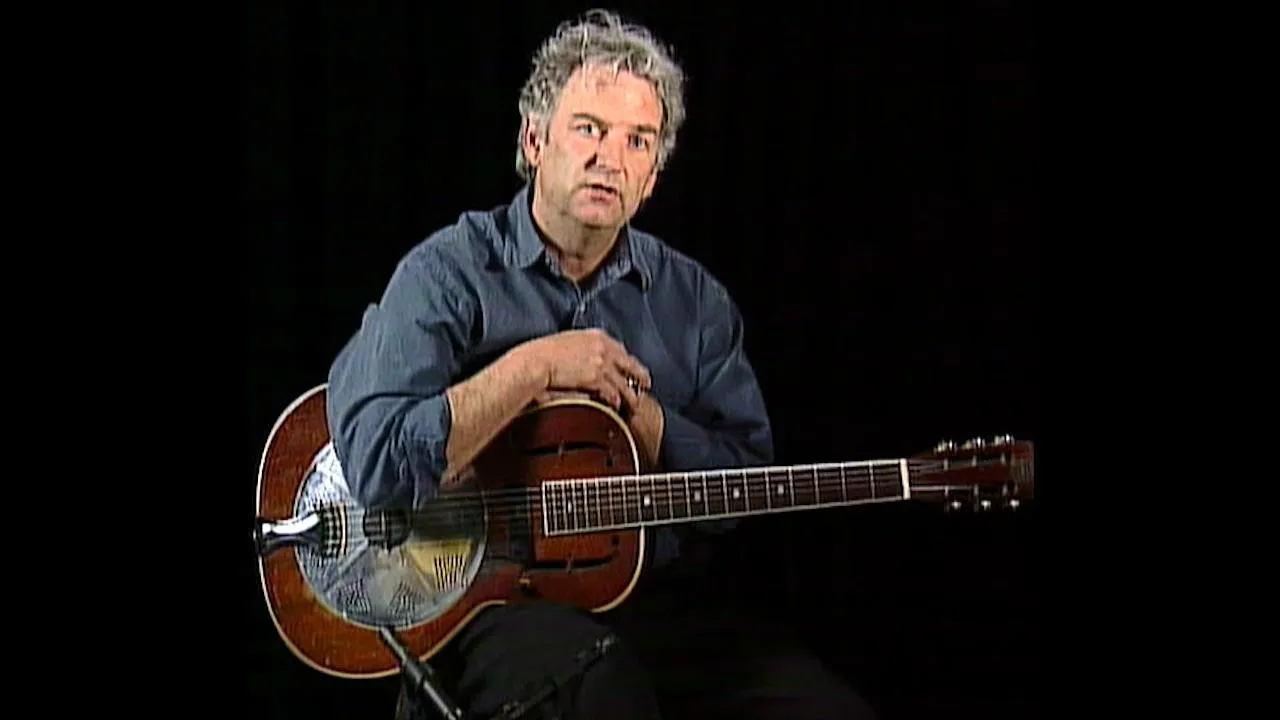
Mike DowlingEn esta lección, Mike Dowling te enseña a tocar la pieza Rosalie en la guitarra acústica.
Qué incluye el curso
14 lecciones (1h 30m) · 1 gratis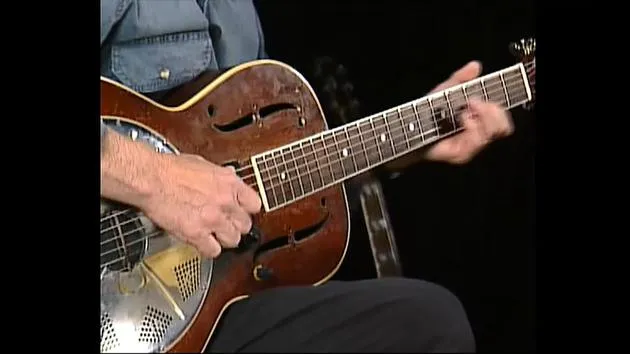
01. Rosalie (interpretación)
Lección gratis4:58
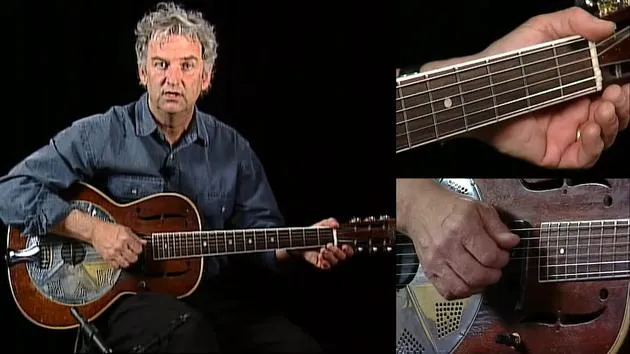
02. Rosalie (lección)
Estás aquí8:59
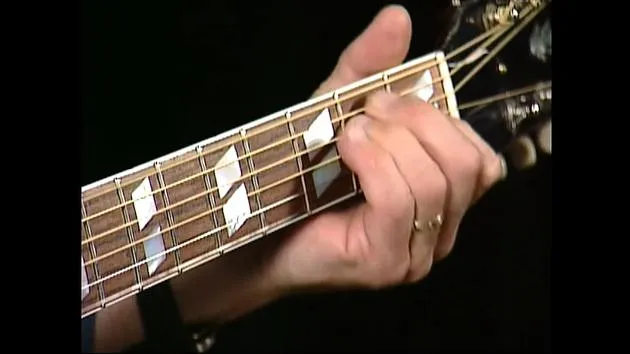
03. Nit Pickin' (interpretación)
3:22
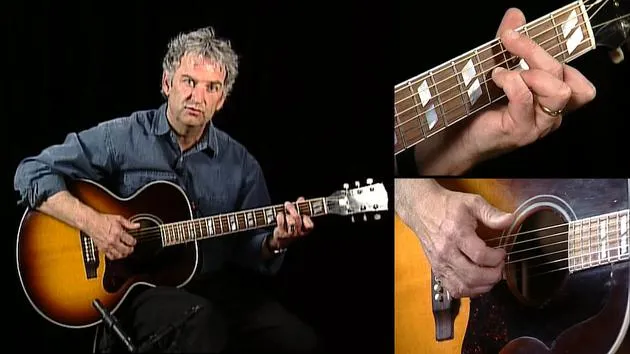
04. Nit Pickin' (lección)
11:02
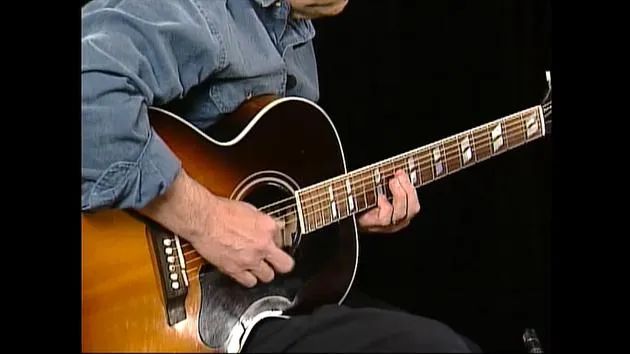
05. Minor Thing (interpretación)
4:21
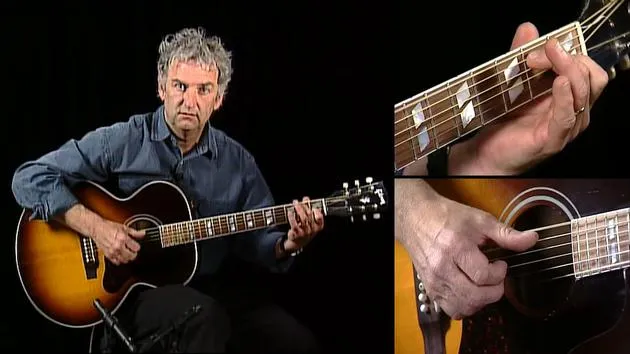
06. Minor Thing (lección)
10:48
07. Johnson City Rag (interpretación)
3:33
08. Johnson City Rag (lección)
9:39
09. Fishin' In The Wind (interpretación)
2:35
10. Fishin' In The Wind (lección)
10:15
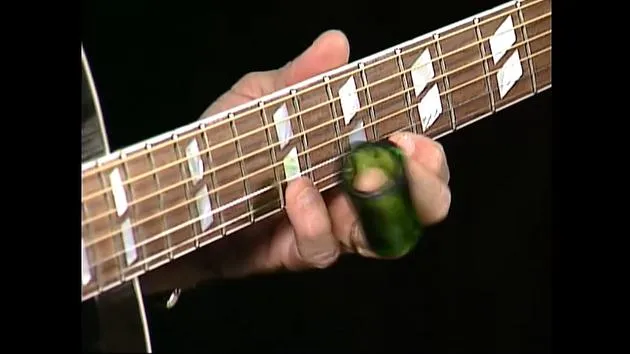
11. Bottleneck March (interpretación)
3:00
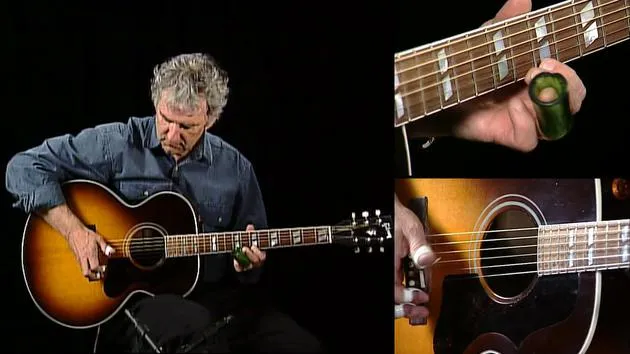
12. Bottleneck March (lección)
10:31
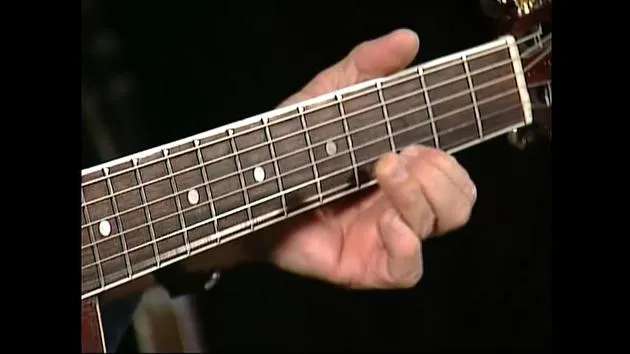
13. EXTRA: Bottom Lands (interpretación)
3:44
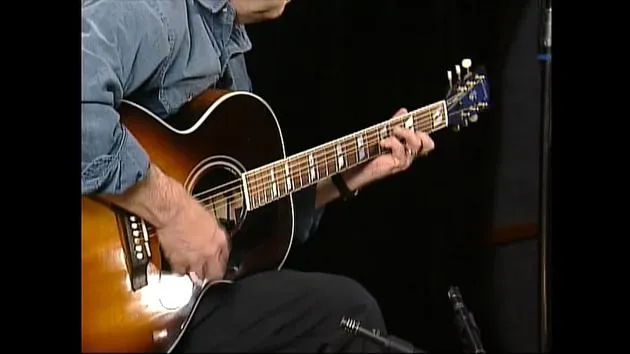
14. BONUS: String Crazy (interpretación)
3:34
Transcripción de la lección
Music Lesson: Exploring "Rosalie"
Alright, let's take a look at "Rosalie."
This tune goes back the furthest of all the tunes I play. It's a 19th-century piece, known for its pretty melody, written by George Root. I've always liked this melody, and I wanted to rearrange it to make it more accessible and interesting to play beyond what's found in the printed folio.
G Tuning and Basic Melody
So, I put this tune in G tuning. Here's the basic melody.
I wrote an interlude for it, which also serves as the introduction you'll hear me play. I played it so slowly that I felt the tune needed some musical life support to keep it going and provide the listener with a sense of the beat.
Strumming Technique
I came up with a strum pattern that sounds like this:
- Playing with my bare fingers.
- Striking the strings with my thumb.
- Picking up with my fingers.
- Brushing back down for the backbeat and lifting up again.
This creates a four-part strum pattern.
Let me play the intro, and we'll dive into the main passages of the tune.
Breaking Down the Tune
I think the best way to approach this is to break down the main passages so you can understand them better. I aim to provide insights that you may not get from simply watching or from the printed page.
Starting the Main Theme
We start with:
- A C minor 6th chord
- Followed by A D
And we kick off the main theme of the tune there. You'll hear this in the accompanying performance.
Strum this using a pattern that I have. I often play a little slap as a backbeat between the notes and phrases. But sometimes, I may need to brush down with that backbeat to highlight a melody note.
Note: You're likely to encounter various techniques in this tune. If I want to exaggerate the backbeat, I might get my hand over the end of the fingerboard and, as I brush down, slap with my palm for a more percussive effect. It's okay if it doesn't stay steady throughout; sometimes, just implying that backbeat is enough for the listener to follow along.
Playing the Melody
- My basic groove in playing the main theme involves:
- Playing the melody on the top string.
- Using a harmony a sixth below.
- This creates the distinctive "yodel" sound.
If I were to outline the scale a little, it would sound like this. We have lovely notes below that will ring sympathetically with it.
Transitioning to the C Chord
When you play the C chord that's coming up:
- Play it as part of a bar to ensure you hit the bass notes right away.
Here's what I'm talking about...
As soon as I get that note, it's part of my bar, and I can catch up with the lower notes. That's a little D7SUS chord, which resolves to D7.
My backbeat functions as a bridge between the melody notes. You can hear the note moving on the inside of the D string, while you may catch my foot tapping in some of the performance pieces, though I'll try to keep that quiet.
Applying the Technique
Whether you use the techniques I'm showing you for "Rosalie" or elsewhere, I'd be flattered if you learn a couple of these tunes. This method also creates a nice blues groove.
Continuing with the Tune
Now moving further in the tune:
- D back to G.
I'm just playing a D chord high up, fretting my tones, and diminishing that triad. You might hear something buzzing in my guitar, but that's alright; everything rings nicely.
If you make your standard tuning a minor chord and move it up a couple of frets and back down, you'll have what I'm using to end those long phrases.
Playing the Bridge
When I play the bridge, the second part of this tune:
- I'm kind of heavy on the vibrato, accentuating the open ringing quality of the notes.
Tip: Before you start playing in open tuning, particularly on a National Guitar, check your intonation in higher positions. I often replay a passage I'll encounter later to ensure I'm familiar with how it should sound.
Conclusion of the Lesson
The main theme in this tune repeats a couple of times, and I've outlined the bridge for you. There shouldn't be anything too problematic here. The notes are not hard, and you'll know where to go using the tab.
Just aim for a relaxed but crisp backbeat, and I think you'll have good luck with this tune.
So, let's leave "Rosalie" right there and move on to the next tune.
14 lecciones
1h 30m de lecciones en vídeo estructuradas
Funciones de vídeo avanzadas
Ralentiza, repite un pasaje, sigue la partitura
Móvil, tablet y ordenador
Practica donde quieras
Garantía de satisfacción 100%
30 días de garantía de devolución
Conoce a tu gurú
Conoce a tu gurú
Cuando el gran Vassar Clements, ya fallecido, escuchó tocar la guitarra a Mike Dowling allá por 1975, hizo lo más sensato. Lo contrató. Mike fue el guitarrista de la primera banda de gira de Vassar y se le puede escuchar en su “Nashville Jam”, nominada a un Grammy. Clements lo describió sencillamente como “uno de los mejores guitarristas que existen, en cualquier lugar”. Ese mismo sentir lo comparte un coro cada vez mayor de críticos musicales, estudiantes de guitarra y aficionados a la música acústica de todo el mundo.
Mike ahonda en el rico bagaje de la guitarra de raíces estadounidenses, con predilección por el melódico estilo Piedmont de maestros del blues acústico como Mississippi John Hurt y el gran intérprete de slide Tampa Red. Pero a Mike no se le puede encasillar como bluesman, ni siquiera como fingerstylist. Es demasiado versátil para eso. Del blues de bottleneck al jazz de antaño y mucho más de por medio, la musicalidad, la profundidad y el dominio del instrumento de Mike se trasladan con fluidez tanto a las guitarras de tapa plana como a las de tapa arqueada y a las resonadoras.
Intérprete, compositor, profesor, artista de sesión, inventor: todo lo que hace el guitarrista Mike Dowling refleja su amor y su dominio del instrumento que ha sido el eje de su vida durante más de cuarenta años.
En sus lecciones, Mike abre para ti el bagaje del uptown blues: fingerpicking Piedmont relajado, un bajo constante de pulgar alterno, ágiles líneas de nota única y los recursos de slide y bottleneck que dan alma a la guitarra de raíces estadounidenses, enseñado con el mismo sentimiento que él inyecta en cada nota.
“Un excelente instrumentista que se maneja con soltura en una amplia gama de estilos musicales. Inyecta sentimiento en cada palabra y en cada nota.”
--Hit List, Acoustic Guitar
“Dowling es un guitarrista fluido y preciso, y sus curtidas voces tienen un aire juguetón y saltarín de lo más atractivo.”
--Dirty Linen







