



Trabajar con sonidos orquestales
Lesson time: (4min 9sec)
Dov Waterman muestra cómo creó pads orquestales a partir de samples de cuerdas troceados, y demuestra la función MIDI chase de Logic.
Course preview
This lesson is part of the course Composición en Logic: el proceso de escritura
Watch a preview of the full course below.
Lesson transcript:
Creative Automation in Orchestral Sections
So yeah. Okay, let's pick out some themes from the orchestral sections. Here are some pads and screechy bits that I've created using various string samples.
Cutting Up Sounds
- This sound over here is just cut up.
- Just a few various cuts from some other line that I had playing.
Understanding MIDI Chase
As I've mentioned, normally if we play a long sustained loop or sample (in this case, it's just a held down note), I have some automation going on. But it's basically just a cluster of strings with one key held all the way down.
- If we look at the MIDI, it's just one key.
- Now, normally in typical circumstances, if we play the section from here, it would play the note.
However, if we're dealing with a long note and want to start from a specific point, the key wouldn't play. You'd have to start the sample over for it to catch the audio, the actual sound.
MIDI Chase Functionality
Well, not if you have MIDI Chase on.
- Go to your project settings.
- Navigate to MIDI.
This setting is project-specific, so you need to enable it for each project. It's not something you adjust in your global preferences.
- Go to Chase and ensure you have Notes On.
By default, this would be off. Not quite sure why, but it's a default setting in Logic.
If you turn this on and have sustained notes enabled, you're all set.
- This means if I have a very long note playing throughout a whole section and I want it to start at, say, bar 57, it will actually catch it in the mid-section when I start playback there.
Benefits of MIDI Chase
This feature is incredibly handy.
- It saves time, allowing you to jump straight to a desired bar rather than playing the whole section from the start.
- In the past, if I really liked the sound and had it exactly how I wanted, I would just bounce it down as audio. This way, when mixing or doing further editing, I wouldn't face the problem of starting samples from the beginning, especially if they're long samples.
So, remember, MIDI Chase is a really handy little tool to keep in mind.
About the instructor
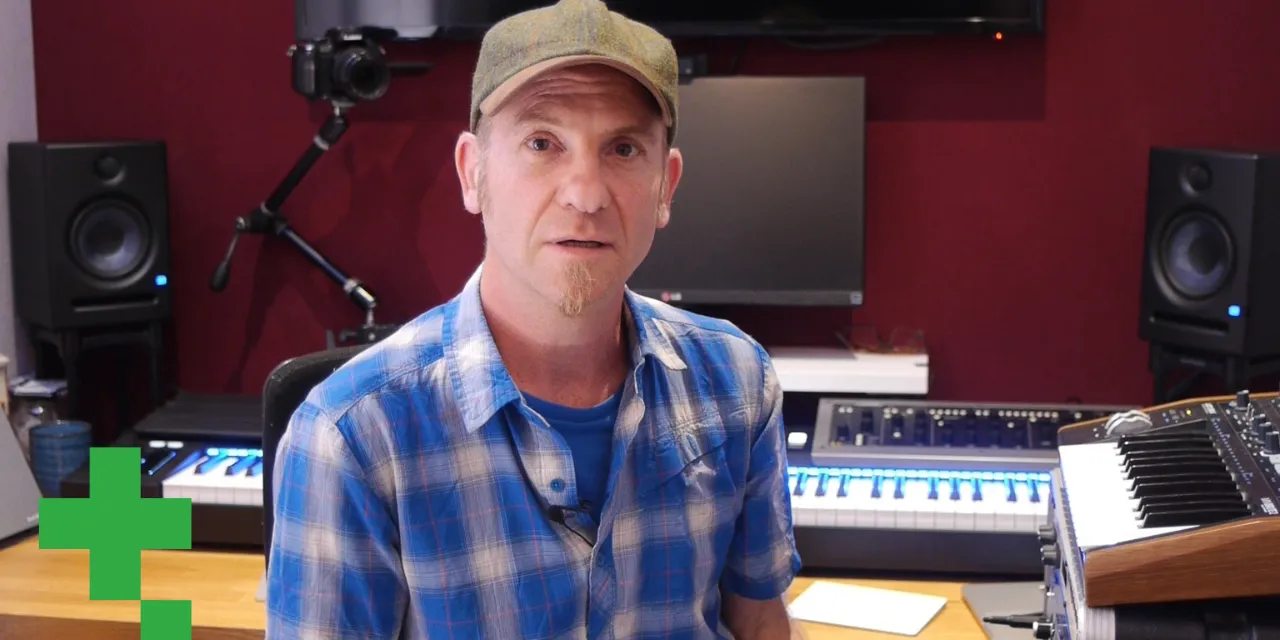
Dov Waterman es compositor, pianista y productor. Ha escrito y diseñado el sonido de películas como After Earth, Terminator Genisys, Transformers: The Last Knight y The Snowman, y trabaja como editor de audio de bibliotecas de samples y diseñador de sonido con empresas como Native Instruments y SonoKinetic.Su serie Composition in Logic recorre la construcción de un tema de principio a fin en Logic Pro —desde las plantillas y el flujo de trabajo hasta la síntesis y la programación de ritmos, los efectos MIDI, la edición y la mezcla final— para productores que quieran convertir sus ideas en discos terminados. read more