



Bienvenido al curso y la visión de Dov sobre la creatividad
Lesson time: (3min 29sec)
Logic Pro es un software inteligente que nos ayuda a producir los sonidos que oímos en nuestra cabeza. El software ha evolucionado con el tiempo, volviéndose más fácil y sencillo de usar, PERO sigue habiendo una barrera entre nosotros y el mundo virtual del sonido y los ordenadores. El objetivo de este curso es acortar la distancia entre nuestras ideas y su realización. ¡Y allanar las barreras técnicas que se interponen en nuestra creatividad!
Course preview
This lesson is part of the course Composición en Logic: el proceso de escritura
Watch a preview of the full course below.
Lesson transcript:
Unlocking Your Creativity with Logic Pro
As creative people, we have a need to produce material that moves others and ourselves. As musicians and arrangers of music, we use our ability to play an instrument or assist someone else in creating music.
The Role of Technology in Creating Music
These days, the computer and relevant software are as much an artist's tool as the paintbrush and canvas were to a visual artist or a score manuscript to a composer. Logic Pro is a piece of intelligent software that helps us produce the sounds we hear in our heads.
The software has developed over time, becoming easier and simpler to use, but there's still a barrier between us and the virtual world of sound and computers.
Our aim is to shorten the bridge between our ideas and their realization, smoothing out the technical barriers that can hinder our creativity.
Key Concepts: Efficiency and Workflow
So how do we do this? Two key words you'll be hearing throughout our sessions are:
- Efficiency
- Workflow
By being efficient with the way you work, we can ensure a smooth flow of tasks. This allows us to stay focused, work quickly, and realize those ideas the moment they enter our minds.
Like with any instrument, to operate at this level, you need to practice certain elements to achieve efficiency. This is not only a lesson in using Logic Pro but also a lesson in mindfulness and the theory of the human condition.
Understanding Logic Pro's Features
Logic has a plethora of features and ways to perform certain functions. Over time, you'll discover the ones that benefit you most. However, you do not need to become a Logic ninja, a Pro Tools ninja, or an Ableton ninja.
At an intermediate level, you should already know your way around the program, including:
- Basic signal flow
- How to connect a guitar, mic, or MIDI keyboard
The challenge now lies in exploring the most efficient use of Logic's features to enhance your creative output and elevate your skills.
Techniques for Enhancing Creativity
For example, consider focusing on:
- Learning shortcuts and key commands
- Setting up working templates for writing and mixing
- Exploring Logic's sound production tools
- Utilizing MIDI and audio editing features
All of these techniques will help you stay in the zone.
Additional Insights
Other strategies that might help are not directly related to Logic at all. These are concepts you could learn from a life coach or a motivational speaker, including:
- Visualization
- Experimentation
- Intent
You might be asking yourself, "Why am I here? I thought this guy was going to teach me Logic Pro." Well, I will teach you how to use Logic as a creative tool, while also emphasizing the importance of creating with intent rather than idly noodling.
When you are experimenting, I will show you how to express yourself with the tools at your disposal by spending time before you begin creating a palette of sounds that relate to your ideas.
Producing with Purpose
We'll explore various production techniques and learn to envision what our finished piece will sound like even before it's complete. It's important to remember that the creative impulse is fleeting, which is why we must capture our ideas as they arise.
As Denis Desantis states in his book Making Music: "Above all else, music touches our soul, gives you goosebumps, and moves your listeners."
As such, music is a product that takes time to craft, just as honing the practices, tools, and concepts used to create it also requires dedication and time.
About the instructor
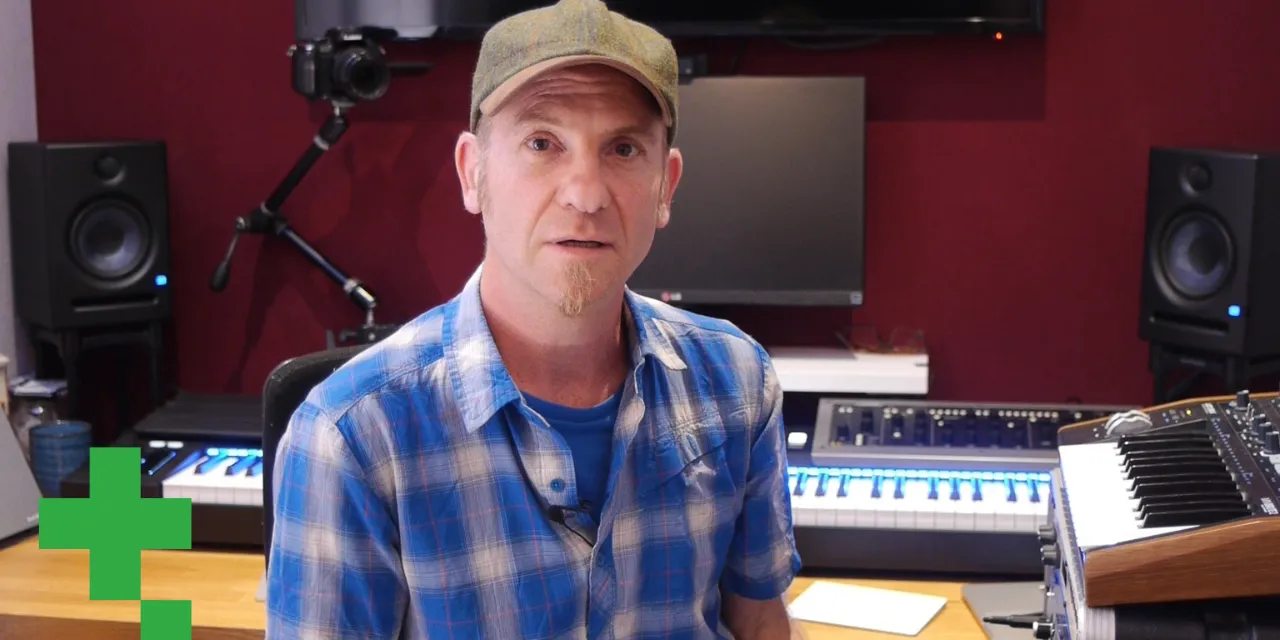
Dov Waterman es compositor, pianista y productor. Ha escrito y diseñado el sonido de películas como After Earth, Terminator Genisys, Transformers: The Last Knight y The Snowman, y trabaja como editor de audio de bibliotecas de samples y diseñador de sonido con empresas como Native Instruments y SonoKinetic.Su serie Composition in Logic recorre la construcción de un tema de principio a fin en Logic Pro —desde las plantillas y el flujo de trabajo hasta la síntesis y la programación de ritmos, los efectos MIDI, la edición y la mezcla final— para productores que quieran convertir sus ideas en discos terminados. read more