



Familiarizarte con tu armónica

Con
Mat Walklate
Qué incluye el curso
9 lecciones (0h 54m) · 2 gratis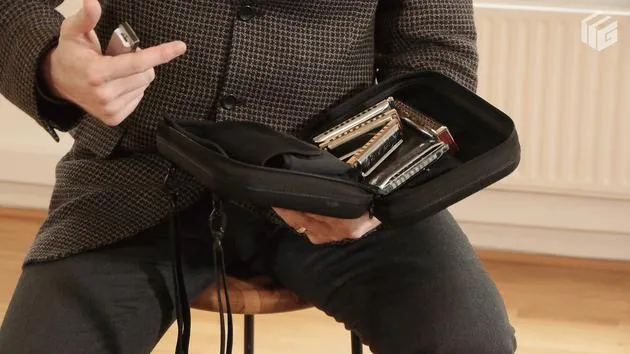
01. Familiarizarte con tu armónica
Estás aquí3:56
02. Ritmo de acordes sencillo, primer solo de blues
8:52
03. Aprende un solo de blues sencillo
7:04
04. Embocadura (forma de los labios)
4:51
05. When The Saints Go Marching In
12:37
06. Bloqueo con la lengua
8:03
07. Tocar escalas
1:58
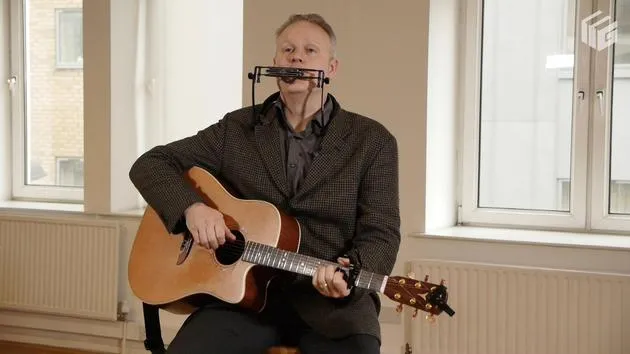
08. Ritmo boogie simple
5:25
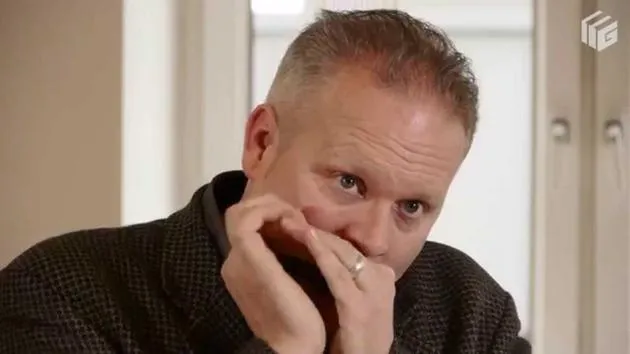
09. BONUS: Aprende a tocar The Beatles, Love Me Do
Lección gratis1:48
Transcripción de la lección
Introduction to the Diatonic Harmonica
Hi, I'm Matt, and I'm here to teach you some basic stuff on the diatonic harmonica. This is what I'm talking about:
- It has 10 holes.
- There are 2 reeds in each hole, allowing you to produce 2 notes per hole.
Getting Started with Blues Harmonica
What I'm going to try and do is show you some simple, easy-to-learn blues pieces to get you started on playing the blues harmonica.
I tend to use diatonic harmonicas mainly like this one. These are the ones with:
- 10 holes
- Available in various keys and tunings (all 12 keys, low tunings, minor tunings).
I usually prefer the normal tunings, though sometimes I use low-pitched harmonicas. My go-to brand is Seidel, a company from Germany, known for making fantastic instruments. They are the oldest harmonica maker in the world.
I also play a bit of chromatic harmonica, the one with the push button that you may have seen Stevie Wonder play, for instance.
Choosing Your Harmonica
For this course, you'll need a harmonica in the key of C:
- It should have 10 holes.
- It will say C on it somewhere.
You can find these in most music shops or online.
Holding Your Harmonica
Right-Handed Players
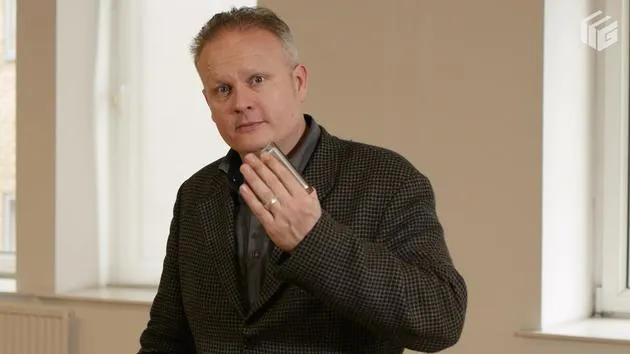
If you're right-handed like me, it's best to hold the harmonica in your left hand.
- Ensure that the numbers (1-10) are on top.
- The low notes should be on the left side and the high notes on the right side.
Left-Handed Players
If you're left-handed, it might be more comfortable to hold it in your right hand, it's entirely up to you, but the numbers need to be on top.
Positioning
- Check that number one is positioned correctly at the corner of the harmonica, resting between your thumb and forefinger on your left hand.
- When you play the harmonica, it must be horizontal and level.
Head Movement
When playing, move your head, not the harmonica.
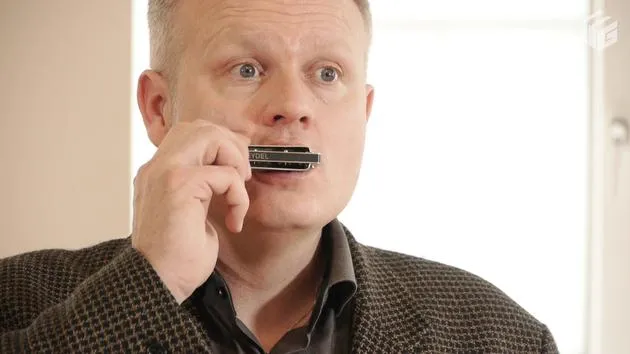
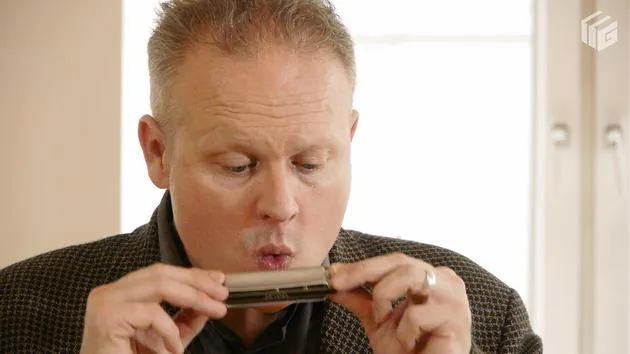
- To achieve the ideal holding position, you can pretend you have a moustache:
- Slot the harmonica in without your fingers blocking your lips.
- Drop your chin to get your lips over and under the harmonica.
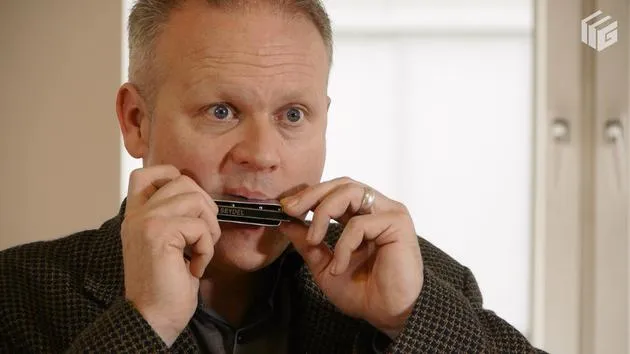
Most harmonicas have a screw at either end; your lips should be level with those screws to ensure that all the air you breathe goes through the harmonica, not into the room.
Final Tips for Positioning
-
Pretend you have a moustache, slot the harmonica in, and get your lips over and under the instrument.
-
Dropping your chin improves sound quality and reduces effort.
-
Position your index finger as far back as possible and your thumb underneath.
For a profile view, here's how far it should go in.
Support Hand Techniques
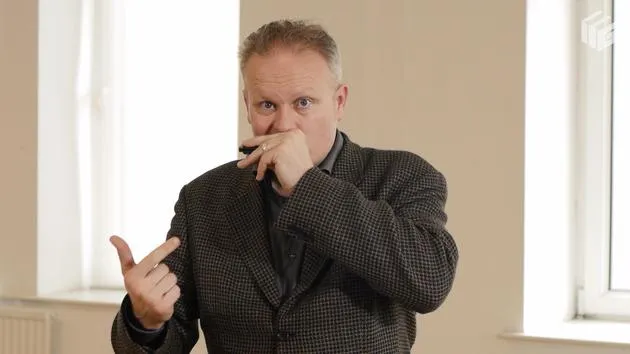
With your other hand (the one not holding the harmonica), you have options:
- Steady the instrument by holding the other end with your fingers and thumb.
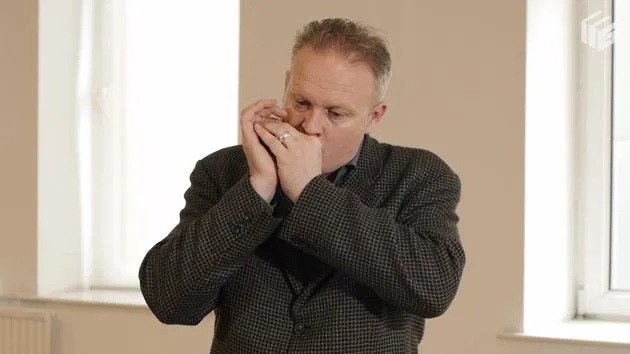
- Make a cup with your hand behind the harmonica. This is useful later for techniques like vibrato.
Playing Technique
- Keep the harmonica horizontal and level.
- Try to drop your chin and move your head when you play.
Following these tips should get you started on your harmonica journey!
9 lecciones
0h 54m de lecciones en vídeo estructuradas
Funciones de vídeo avanzadas
Ralentiza, repite un pasaje, sigue la partitura
Móvil, tablet y ordenador
Practica donde quieras
Garantía de satisfacción 100%
30 días de garantía de devolución
Conoce a tu gurú
Conoce a tu gurú
Mat Walklate es un armonicista y profesor afincado en Mánchester que trabaja en el blues y el folk, y que también toca la flauta, el whistle y la gaita uilleann y canta. Ganó el British Blues Harmonica Championship en 1992 y el All-Britain Fleadh Cheoil de armónica en 1993, y es artista avalado por Seydel.
A lo largo de una trayectoria de treinta años ha girado por Europa con bandas como The Moochers y el grupo de música irlandesa The House Devils, ha grabado y mezclado unos catorce álbumes entre 2001 y 2021 —entre ellos Sea of Blues y Traditional Harmonica— y ahora actúa en dúo con el cantante y guitarrista Alex Haynes y junto al estudioso del blues Dr Tom Attah. Enseña armónica en el Leeds Conservatoire y de forma privada.
En MusicGurus sus cursos te llevan desde tus primeras notas con una armónica en Do —embocadura, la posición de cross-harp, los bendings y tu primera improvisación— hasta un blues fluido, con vibrato, posiciones alternativas y el fraseo que hace cantar a un solo.







