



Blattspiel mit der "KAT TRAP"-Methode
James teilt seine 'KAT TRAP'-Methode für das Blattspiel – eine einfache Routine, um eine Fähigkeit aufzubauen, die viele Rock-, Pop- und Jazzpianisten gern übersehen.

Das steckt im Kurs
29 Lektionen (1h 50m) · 1 gratis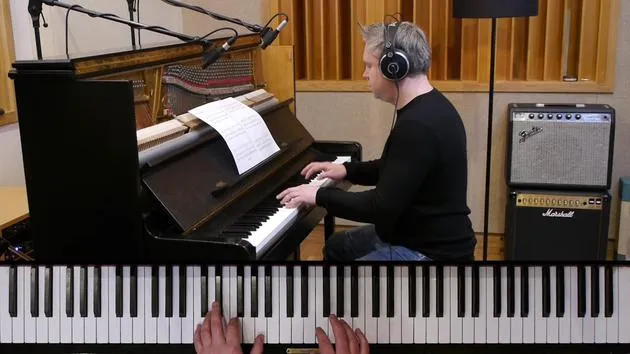
01. Make You Feel My Love, Adele (Performance)
1:26
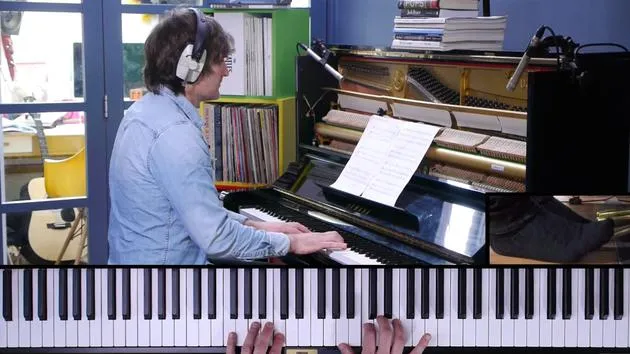
02. The Long and Winding Road, The Beatles (Performance)
Gratis-Lektion1:43
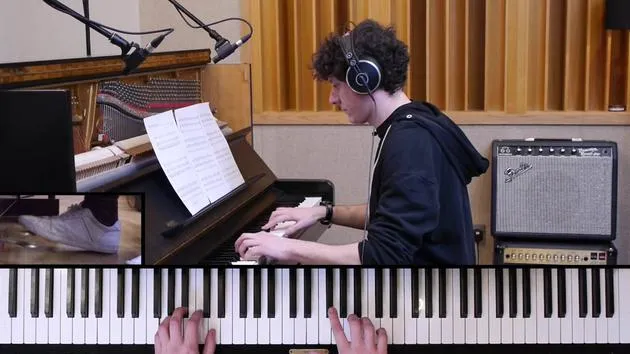
03. Read All About It, Part III, Emeli Sande (Aufführung)
1:58
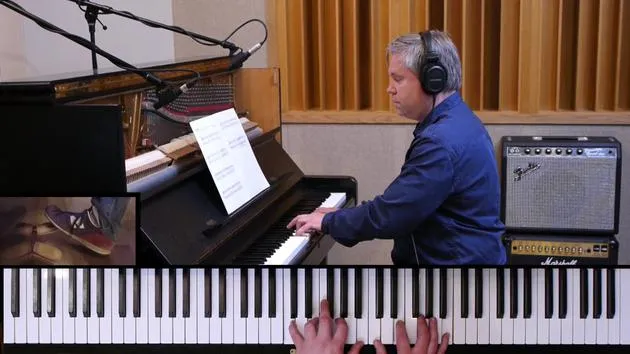
04. ICAUFO, Joe Bennett (Performance)
1:23
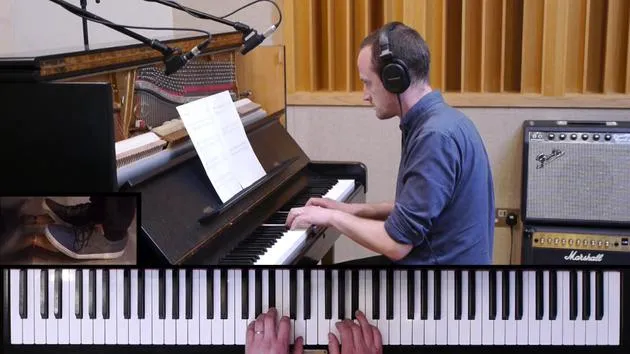
05. Umbra Bella, Simon Troup (Performance)
1:07
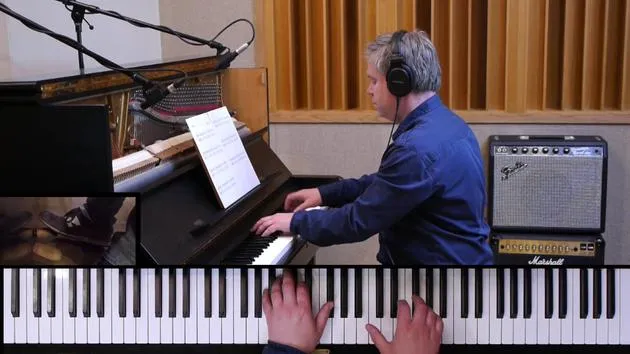
06. Fab Stomp, Deirdre Cartwright (Performance)
1:15
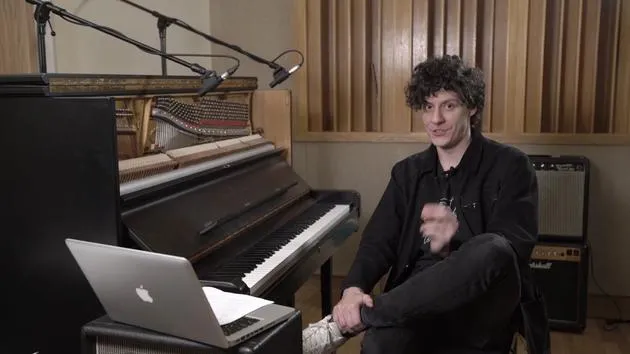
01. Blattspiel mit der "KAT TRAP"-Methode
Du bist hier9:04
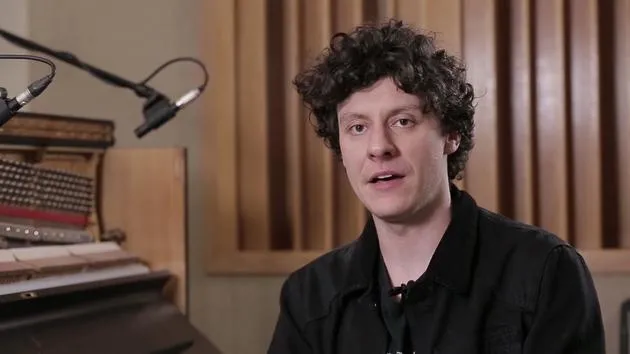
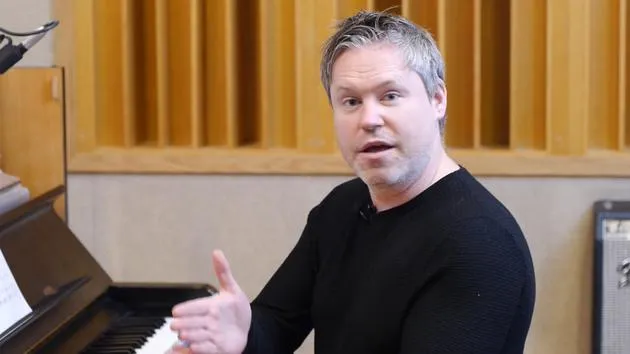
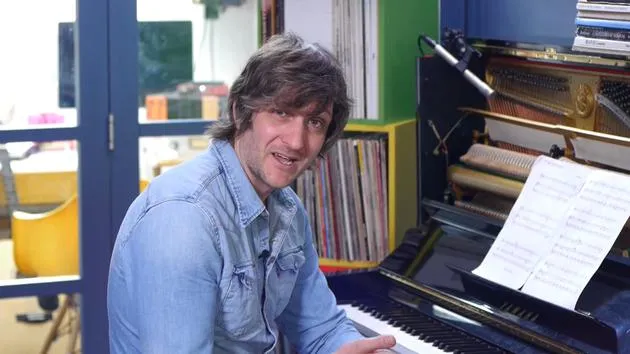
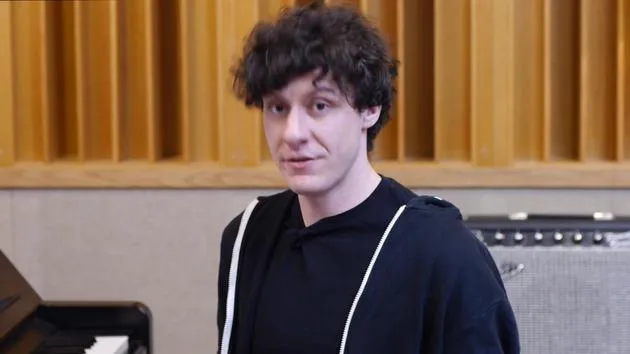
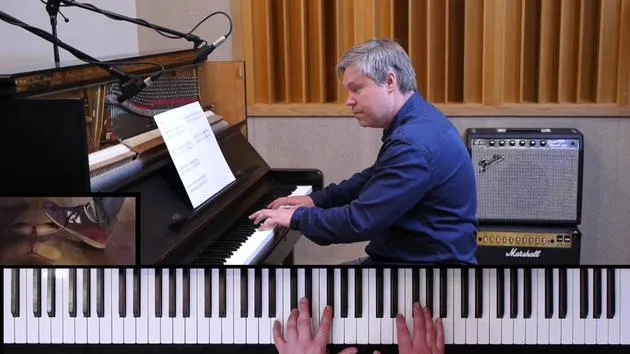
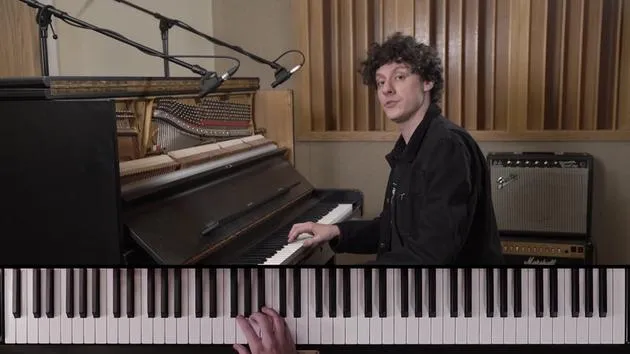
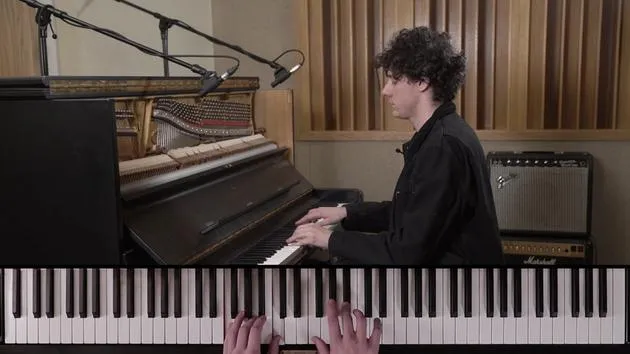
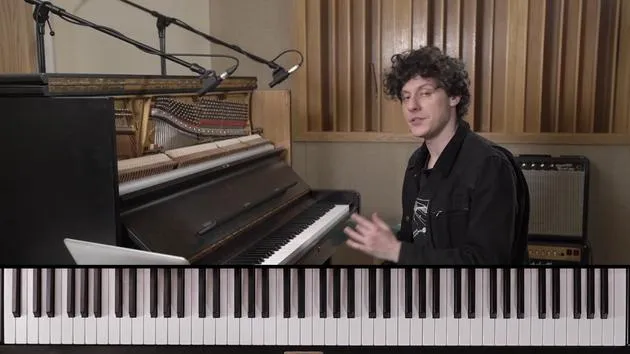
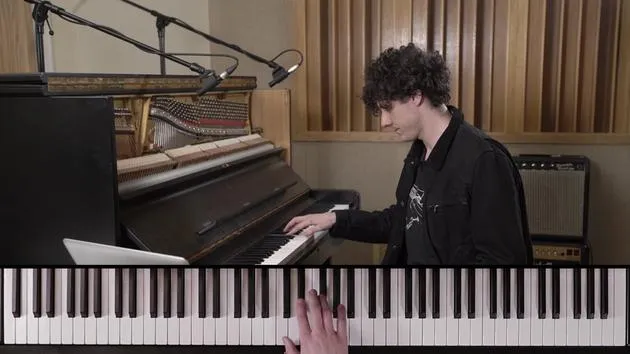
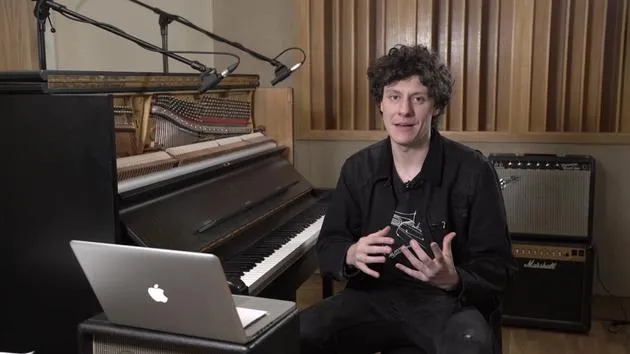
Transkript der Lektion
Sight Reading for Pianists
Hey guys, it's James here.
I'm going to talk to you briefly about sight reading, which is a part of the Rock School exams and also a very important aspect of being a performing pianist.
Why Sight Reading Matters
Pianists, often in the rock, pop, jazz, and funk worlds, don't necessarily have as strong sight reading skills as our classical music counterparts. However, even though much of the music we play is aural-based and relies on our ears, it's vital to develop good sight reading skills.
Essential for Various Music Genres
If you want to enter the music theatre world, or delve into reading big band music, or engage in session work, sight reading becomes an essential skill that you'll use in your daily life.
By honing this skill, when you show up to rehearsals with your bandmates and the music is slightly complicated, it streamlines the process. You spend less time figuring things out and more time playing and enjoying the music.
Personal Experience
For example, I came to sight reading quite late in the game. It's something I personally struggled with at a young age. Looking back, I really wish I had developed these skills much earlier; it would have made my musical journey smoother.
Of course, you can improve your sight reading at any age, but the younger you start, the more satisfying your future music playing will be.
Challenges of Piano Sight Reading
The most difficult aspect of piano sight reading is the presence of two staves. This inherently makes it more challenging than sight reading on other instruments, as we have to track not only the two staves but also the chords and different lines happening on each.
Key Challenges Include:
- Contrary motion
- Counterpoint chords
These factors within a piano score can make sight reading quite challenging and difficult.
The Key to Improvement
The trick, like in all piano music, is to take it slow. Sight reading is an incremental process.
- Start off simply.
- Gradually increase complexity.
If you're working through the Rock School grades, each level brings its own challenges that incrementally get more difficult. Eventually, you'll find that you can sight read pretty much anything within reason, quite easily.
The Cat Trap Formula
I have a formula which I've attached in this PDF for you to download, called CAT TRAP.
CAT TRAP Breakdown:
-
C - Key:
- What key are we in? (e.g., F, C, G major, G minor, E minor)
- Look at the clef and key signature to determine the key. This will inform you about the accidentals, which remain constant throughout the piece.
-
A - Articulation:
- What is the phrasing of the piece?
- Are there staccato lines, tenuto lines, or slurs?
- Rock or pop music often omits articulations; however, don't miss essential markings as they impact how the music is delivered.
-
T - Tempo:
- How fast is the piece?
- A piece at 50 bpm sounds very different from one at 120 bpm, which will affect how you play the music.
- Mark your tempo and any tempo guidance accordingly.
-
T - Time Signature:
- This determines how many beats are in the bar.
- While most pieces in the rock world are in 4/4, you'll find various signatures, especially in jazz.
- Breaking it down is essential to play the music correctly.
-
R - Repeats:
- Repeats are indicated by black lines or dots in the score.
- Be sure to pay attention to first-time and second-time bars.
- Missing repeats can disrupt the flow of the music.
-
A - Accidentals:
- These are sharps or flats not part of the key signature.
- If you miss accidentals, it can significantly affect the tonality and sound.
-
P - Patterns:
- When playing the piano, we often look for patterns rather than reading each note.
- Recognizing shapes, like the arrangement of a C major triad, makes it quicker to read.
- Focus on the overall shape of the music rather than each individual note.
Final Thoughts
The most crucial piece of advice for sight reading is: Don't panic.
Everyone starts out not very good at one point. It's hard, and it takes time. But it's an essential and incredibly useful skill as you develop your career as a musician.
Key Takeaways:
- Start with something a little more challenging than you're comfortable with and gradually work your way up.
- Sight reading is like lifting weights; start a little heavier than you're used to and build your strength.
Remember, CAT TRAP:
- Key
- Articulation
- Tempo
- Time Signature
- Repeats
- Accidentals
- Patterns
- Don't Panic!
With practice, you'll master sight reading and enjoy the process of making music!
29 Lektionen
1 Std. 50 Min. strukturierte Videolektionen
Erweiterte Videofunktionen
Verlangsamen, Passagen loopen, mitlesen
Handy, Tablet & Desktop
Üben, wo du willst
100 % Zufriedenheitsgarantie
30 Tage Geld-zurück-Garantie







