



The Long and Winding Road, The Beatles (Lektion)
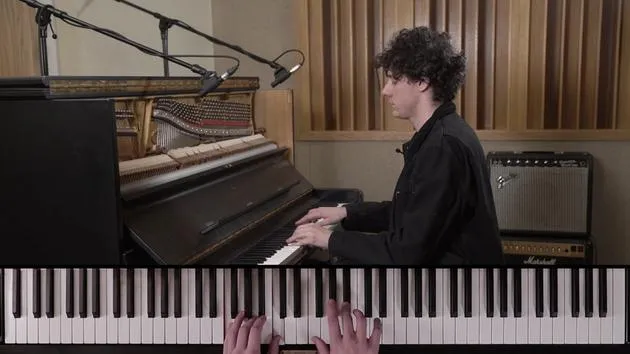
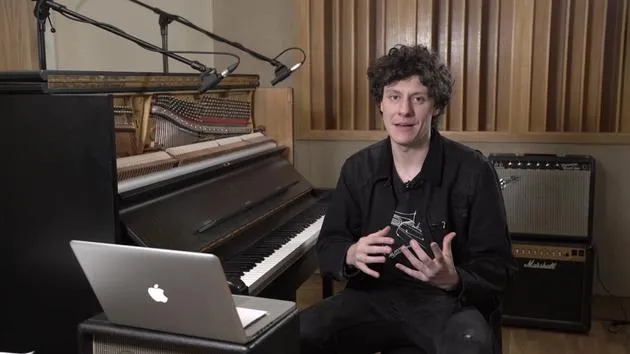
Paddy Milner führt dich durch „The Long and Winding Road“ von The Beatles und konzentriert sich darauf, die Melodie hervorzuheben und den Geist des Originals einzufangen.

Das steckt im Kurs
29 Lektionen (1h 50m) · 1 gratis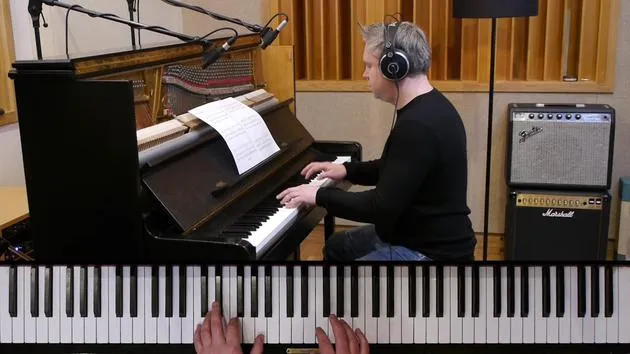
01. Make You Feel My Love, Adele (Performance)
1:26
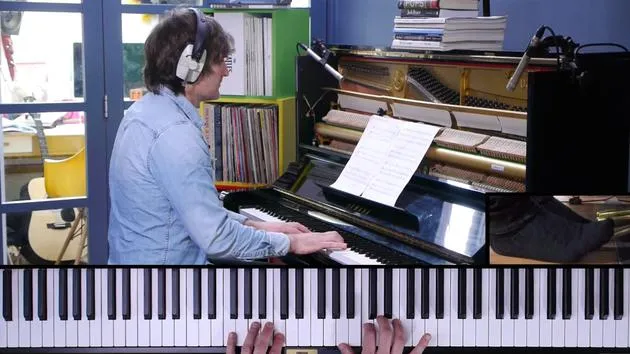
02. The Long and Winding Road, The Beatles (Performance)
Gratis-Lektion1:43
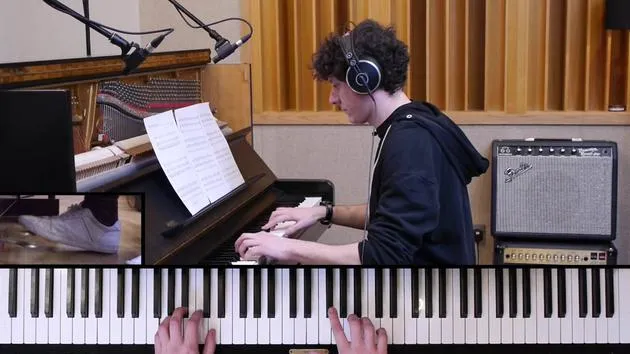
03. Read All About It, Part III, Emeli Sande (Aufführung)
1:58
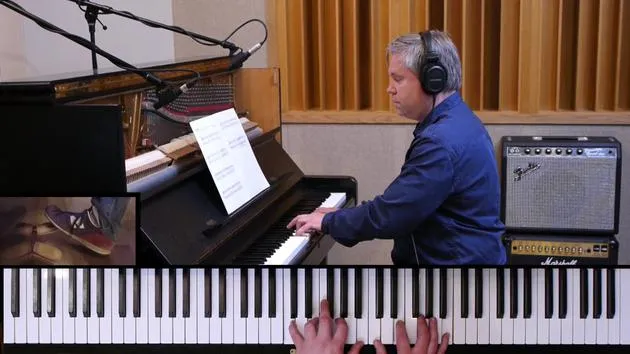
04. ICAUFO, Joe Bennett (Performance)
1:23
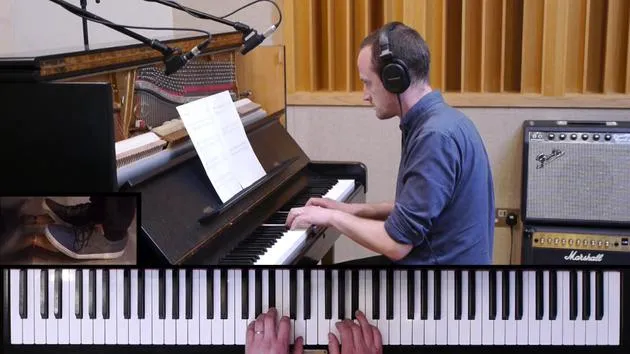
05. Umbra Bella, Simon Troup (Performance)
1:07
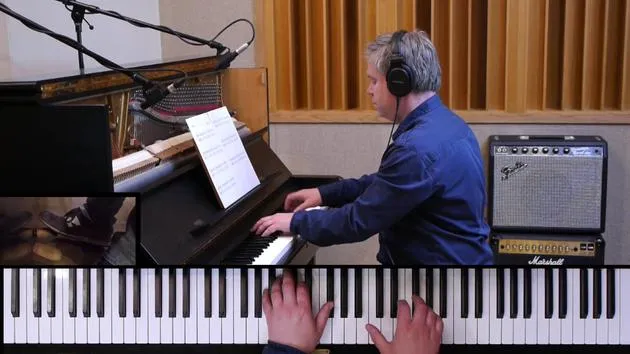
06. Fab Stomp, Deirdre Cartwright (Performance)
1:15
01. Make You Feel My Love, Adele (Lektion)
7:34

02. The Long and Winding Road, The Beatles (Lektion)
Du bist hier11:34

03. Read All About It, Part III, Emeli Sande (Lektion)
9:09
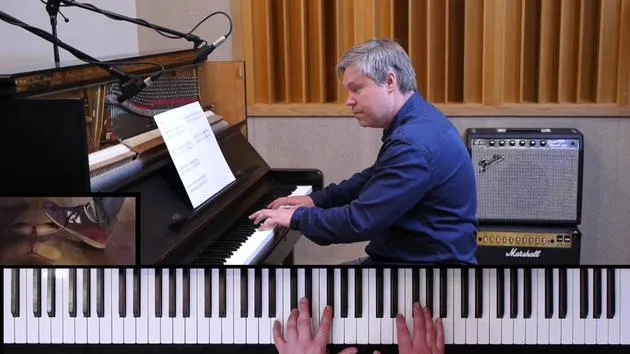
04. ICAUFO, Joe Bennett (Lektion)
7:45
05. Umbra Bella, Simon Troup (Lektion)
10:42
06. Fab Stomp, Deirdre Cartwright (Lektion)
6:39


Transkript der Lektion
Music Lesson: The Long and Winding Road
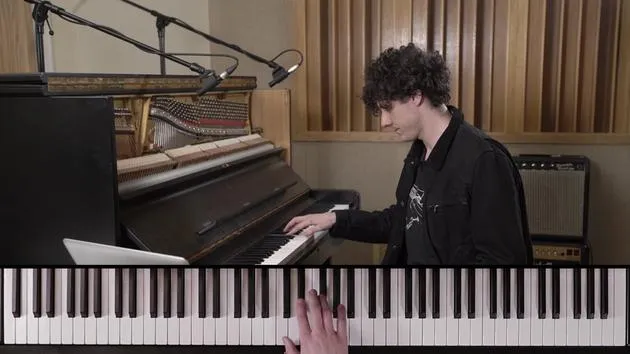
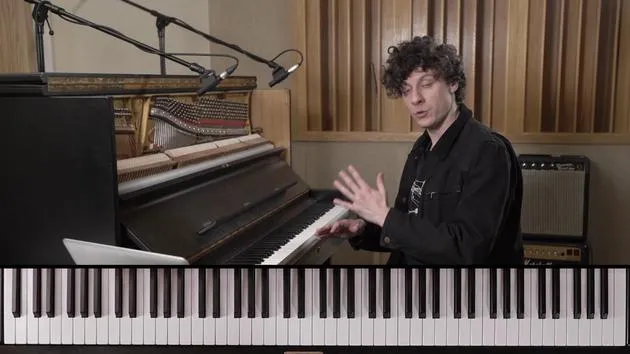
Very glad to see this piece in the Rock School syllabus. It's a beautiful song by the Beatles, "The Long and Winding Road," off their Let It Be album.
Importance of Listening
- If you don't know it, certainly go and listen to it.
- Listen to the whole album.
- In fact, listen to every song ever recorded by the Beatles. It's an amazing body of work.
- Specifically, The Long and Winding Road is especially important to listen to.
It's crucial to listen to the originals as this will greatly help your performance of this arrangement. We're really trying to capture the spirit of the Beatles' original recording.
Bringing Out the Melody
In this piece, the main things we're trying to bring out include:
- The Melody: Play it in the right hand.
- Listen to the vocal delivery to emulate the phrasing.
- Play quite legato and smoothly.
Important Words
- The key words are "long" and "winding."
- Use "road" to finish the phrase.
When learning melodies, consider the importance of words. Listen to how it's sung in the actual record, and focus on bringing out the melody.
Balance Between Hands
It's important that the balance between the hands is correct:
- Ensure the right hand is dynamically louder than the left.
- The left hand should generally be supportive and not overpowering.
- There are moments where the left hand pops out with little melodies, but overall, the right hand should sing out.
Dynamics
In this arrangement, there are no dynamics written, so take cues from the original:
- The opening phrase is very soft.
- The orchestration in the original builds up dynamically; try to incorporate that in your performance, especially in the left hand.
As you progress through the piece, listen to the dynamics in the original recording.
Vocal Phrasing Techniques
In bar eight, the vocal melody includes:
- The main melody, followed by the last three notes, which act as a "throwaway embellishment."
- Instead of playing them fully, treat those notes lightly, almost like a fall-off at the end of the phrase.
Listening to the original will help you shape these phrases beautifully.
Technique and Pedaling
Left Hand Repeated Notes
- The left hand may employ repeated notes and an ostinato feel.
- Use the pedal to make those sections smooth.
Pedal Changes
- Change the pedal when harmonies change from bar to bar to avoid muddy sounds.
- For example, between bars four and five, change the pedal from F to B flat.
Keeping Clarity
- Watch for harmonic changes and ensure your pedal usage doesn't lead to a muddy sound.
- In bar nine, change the pedal with every harmonic shift.
Dynamic Roles in the Left Hand
- In bar seven, the left hand has more melodic involvement.
- Listen to the original recording for dynamic emphasis and a potential crescendo leading into the next chord in bar eight.
Timing and Interaction
It's vital that you play in time with the backing track. Listening is an essential part of playing with other musicians:
- Lock in with the drummer's count.
- Feel the tempo ? don't hesitate to move your body or tap your foot.
- Ensure the left hand isn't rushing; keep it locked in with the beat.
- At the end of the song, make sure you finish together with the other musicians on a count of "one, two, off."
Understanding Harmony and Chords
These songs are written with melody and chord sequences in mind. Lennon and McCartney present a unique complexity. As you learn these styles, understanding harmony and different types of chords is crucial:
- For example, you'll encounter:
- D minor chord
- B flat over C (B flat chord with C in bass)
- F chord
Importance of Chord Understanding
- Understand chord symbols: major, minor, seventh, diminished, etc.
- If you have a teacher, ask them about different chords to deepen your understanding.
In many scenarios, such as recording in a studio or gigs, you might receive just a chord chart without notation, making it important to read those effectively.
Conclusion
I really love this song. I hope you enjoy playing it too!
29 Lektionen
1 Std. 50 Min. strukturierte Videolektionen
Erweiterte Videofunktionen
Verlangsamen, Passagen loopen, mitlesen
Handy, Tablet & Desktop
Üben, wo du willst
100 % Zufriedenheitsgarantie
30 Tage Geld-zurück-Garantie







