



Blattlesen mit der "KAT TRAP"-Methode
James teilt seine 'KAT TRAP'-Methode, um den Blattlese-Teil der Rockschool-Klavierprüfungen zu meistern.

Das steckt im Kurs
28 Lektionen (1h 26m) · 1 gratis
01. Blattlesen mit der "KAT TRAP"-Methode
Du bist hier9:04
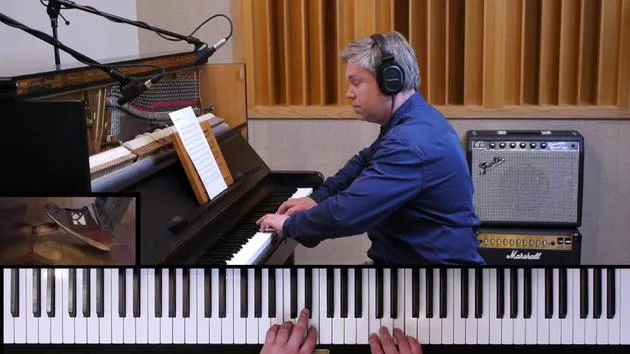
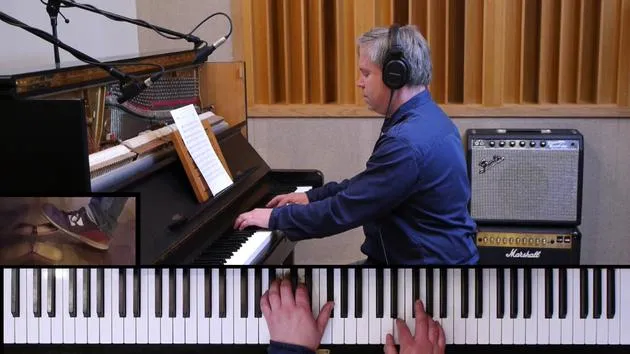
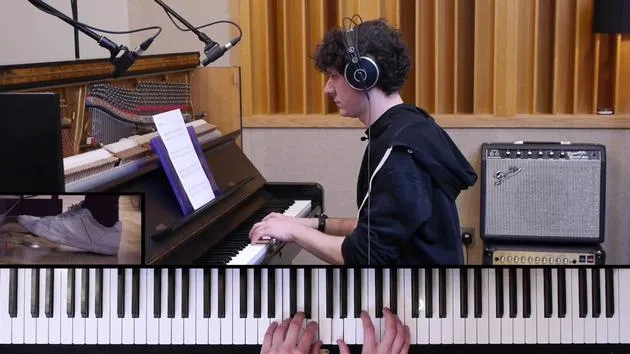
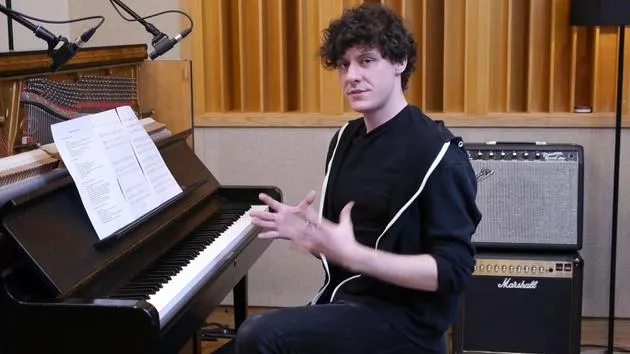
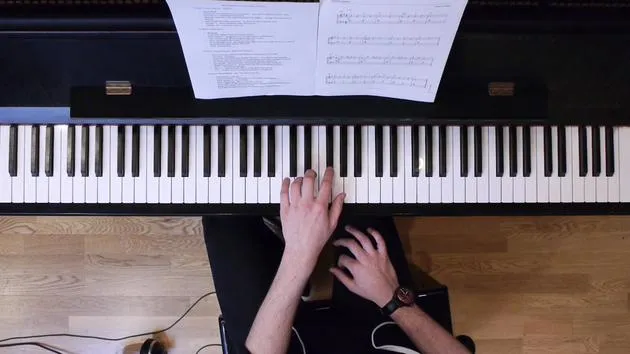
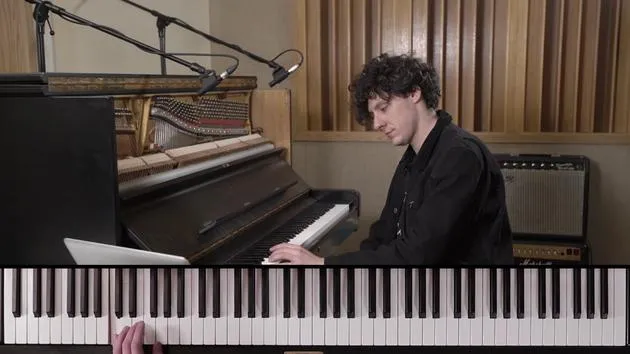
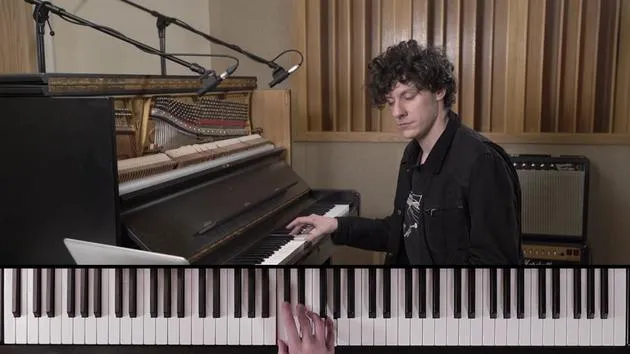
Transkript der Lektion
Sight Reading: Essential Skills for Pianists
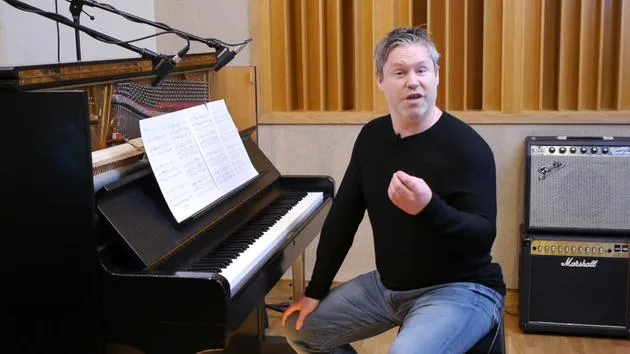
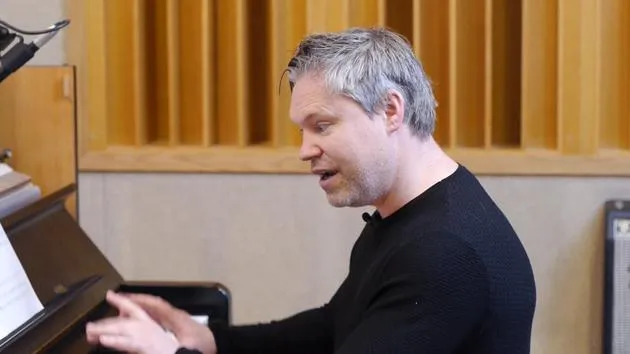
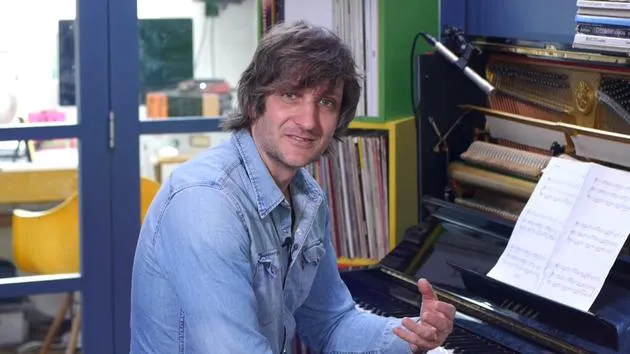
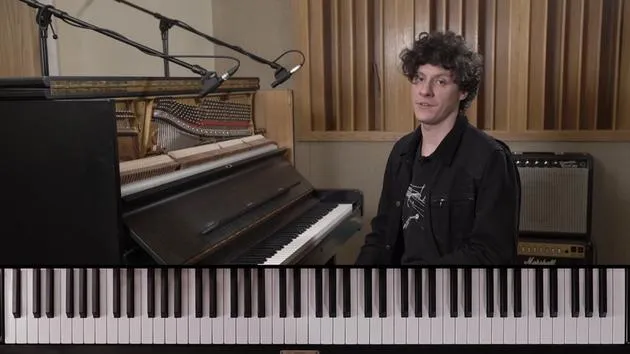
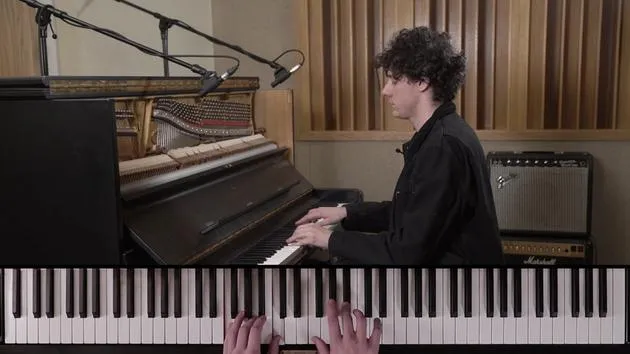
Hey guys, it's James here.
I'm going to talk to you briefly about sight reading, which is a part of the Rock School exams and also a very important aspect of being a performing pianist.
The Importance of Sight Reading
Pianists, often in the rock, pop, jazz, and funk worlds, don't necessarily have as good sight reading skills as our classical music counterparts. However, even though much of the music we play is very aural-based and relies on our ears, it's crucial to develop sight reading skills.
Why Sight Reading Matters:
- Music Theatre and Big Bands: If you want to go into the music theatre world or play in big bands, sight reading is an essential skill.
- Session Work: It'll be necessary for session work.
- Efficiency in Rehearsals: When rehearsing with bandmates, complex music becomes easier to navigate, allowing more time for playing and enjoying the music.
I, for example, came to sight reading quite late in my journey and felt I struggled with it at a young age. Looking back, I really wish I had developed these skills much earlier; it would have made things much easier.
Of course, you can improve your sight reading at any age, but the earlier you start in your grades or musical development, the more satisfying your future performances will be.
Challenges of Piano Sight Reading
The most difficult aspect of piano sight reading is the presence of two staves. This adds complexity compared to other instruments, as not only do you have to read two staves, but you often encounter chords and different lines on each.
Common Challenges:
- Contrary Motion and Counterpoint Chords: These elements can make the music quite challenging.
- Slow and Steady: The key, like all piano music, is to take your time. Sight reading is an incremental process where you start simply and gradually increase the complexity.
If you're working through the Rock School grades, you'll find that each grade presents its own challenges that become slightly more difficult at each step. Eventually, you'll be able to sight read just about anything within reason with enough practice.
The CAT TRAP Formula
I have a formula that I've attached in this PDF: CAT TRAP. This acronym stands for seven key aspects to consider when sight reading a piece of music.
The Seven Elements of CAT TRAP:
-
K - Key:
- Determine what key you're in (e.g., G major, E minor).
- Look at the clef and the key signature to identify accidentals that remain constant.
-
A - Articulation:
- Identify the phrasing (staccato, tenuto, slurs) essential for delivering the music accurately.
-
T - Tempo:
- Consider how fast the piece is.
- Different tempos significantly impact how you interpret and play the music.
-
T - Time Signature:
- Understand the time signature as it defines how many beats are in a bar.
- Subdivision is crucial for accurate rhythm (e.g., 4/4 could be counted as 1, 2, 3, 4).
-
R - Repeats:
- Watch for sections marked with dots indicating repetition.
- Missing repeats can lead to confusion in the piece.
-
A - Accidentals:
- Be aware of extra sharps or flats that aren't part of the key signature.
- Missing accidentals can change the sound of the music dramatically.
-
P - Patterns:
- Look for familiar shapes and patterns in the music, helping you play without focusing on every single note.
- Recognizing these will streamline your sight reading process.
Most Important Reminder:
Don't Panic. We all started somewhere and improving takes time. It's an essential skill for any musician looking to advance their career.
Conclusion
Sight reading doesn't have to be intimidating. Start with material that is slightly more difficult than your current level and gradually increase the complexity. Think of sight reading like weightlifting; begin with manageable weights and build your strength over time.
Remember the CAT TRAP: Key, Articulation, Tempo, Time Signature, Repeats, Accidentals, Patterns, and, most importantly, Don't panic. You'll get there eventually!
28 Lektionen
1 Std. 26 Min. strukturierte Videolektionen
Erweiterte Videofunktionen
Verlangsamen, Passagen loopen, mitlesen
Handy, Tablet & Desktop
Üben, wo du willst
100 % Zufriedenheitsgarantie
30 Tage Geld-zurück-Garantie







