



Rhythmisches und melodisches Comping mischen
Wie du rhythmisches Comping mit melodischen Linien verbindest und dabei Einzelton-Phrasen aus der A-Moll-Pentatonik in einen Funk-Groove einstreust, um mehr Bewegung zu erzeugen.

Das steckt im Kurs
43 Lektionen (3h 55m) · 1 gratis
01. Einführung in Ansätze zur Improvisation
1:00
02. Eine Melodie verzieren
5:36

03. Challenge: Reiche deine Melodie ein
0:26
04. Septakkorde
6:38

05. Dein Solo komponieren
8:53
06. Fortgeschrittenes Anschlagen und Verzierungen
5:40
07. Comping in verschiedenen Musikstilen
8:36

08. Weitere Erweiterungen und Sus-Akkorde
4:19
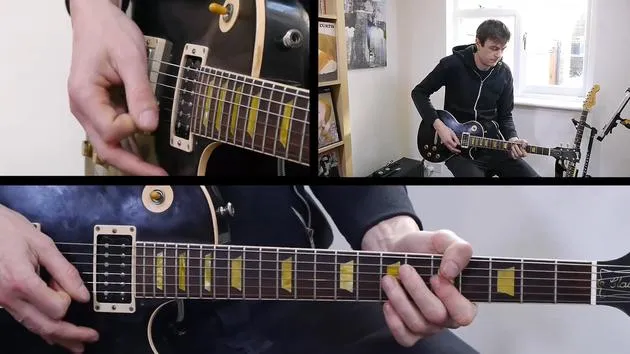
09. Rhythmisches und melodisches Comping mischen
Du bist hier4:24









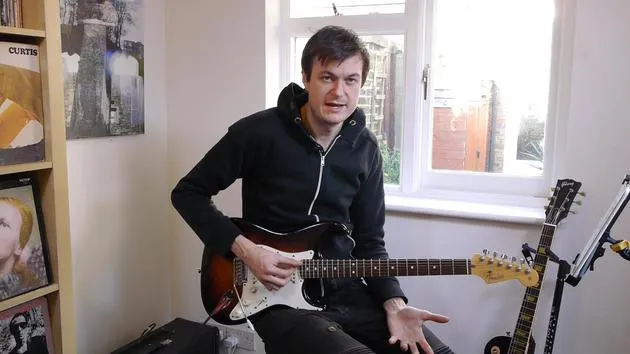









Transkript der Lektion
Improvisation in Music
Okay then, guys, the final point I want to make regarding improvisation, now that we've looked at both melodic aspects and rhythmic aspects, is that they are not two separate entities.
These things are very much interchangeable with one another.
Key Concepts
-
Rhythmic Role: If you're performing in more of a rhythmic role, there's nothing to say that you can't throw in some fills and lead lines.
-
Soloing: Having a rhythmic driving section as part of your solo can be really effective.
Practical Example
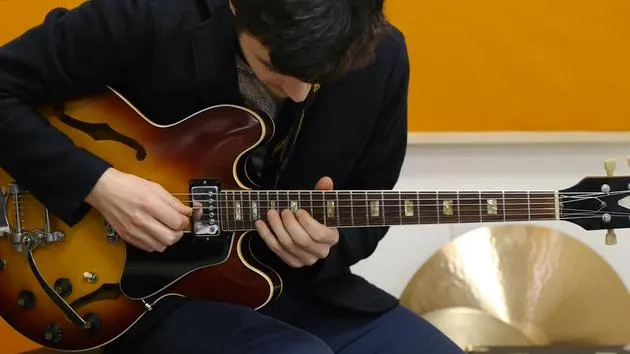
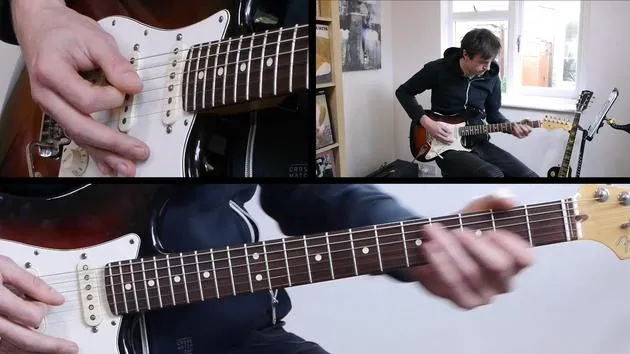
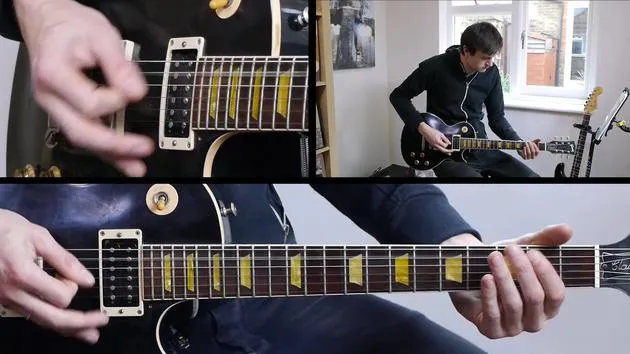
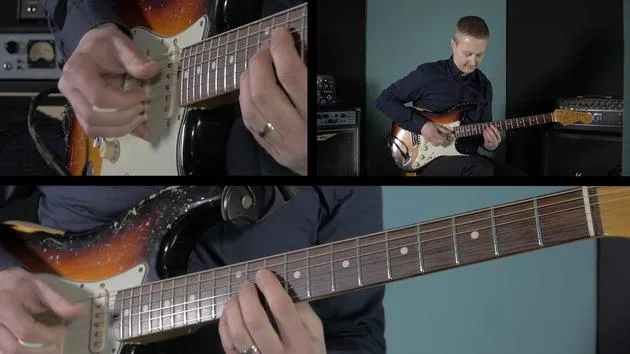
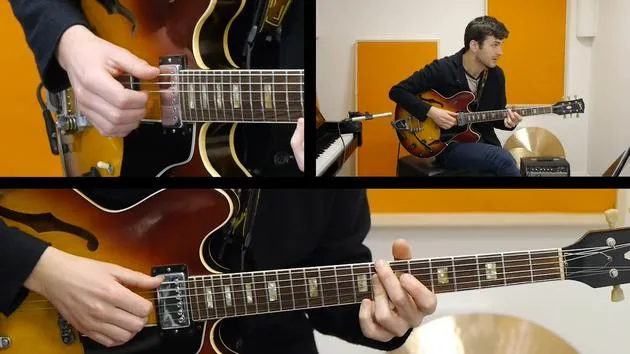
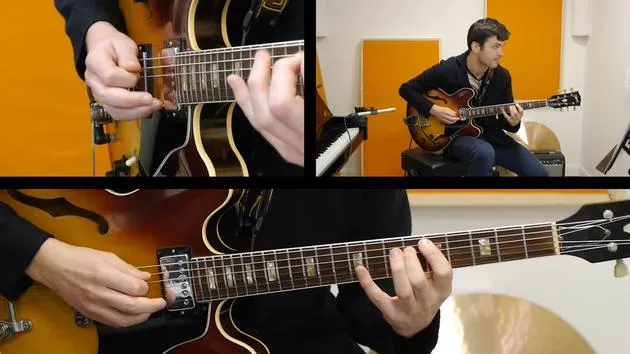
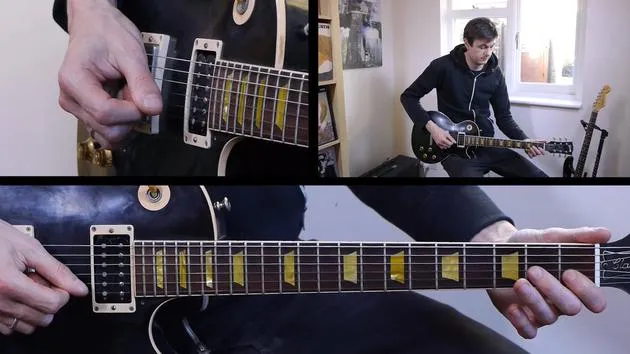
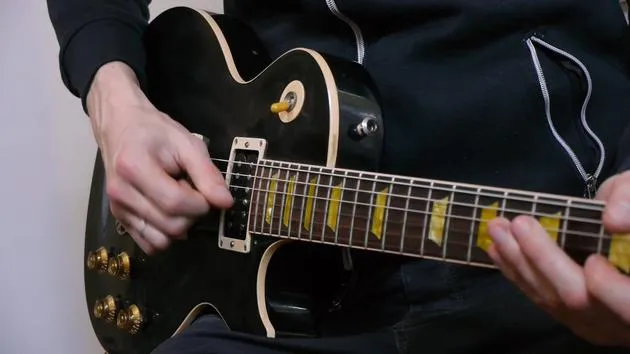
What I'd like to show you is to go back to that funk example we looked at earlier with regards to rhythmic comping. Here are some simple ideas you can throw in to create more movement using single-note phrases.
For example:
"1, 2, 3, 4."
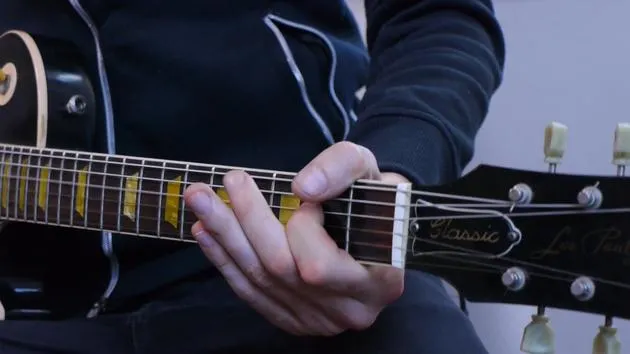
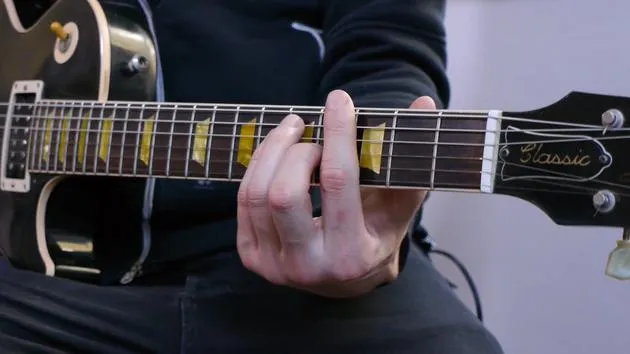
We're still on our A minor and D minor seven chord changes. Rather than just staying on what we had before, which was a cool-sounding funk part, we could create a little melodic phrase that works with both of those chords.
I'll just use the A minor pentatonic scale and play this little phrase in the middle. This works and complements both chords equally.
The Importance of Rhythm and Lead
This is a simple example of how you can take a rhythmic part and inject some lead and fill work. I believe that starting a solo with a more rhythmic-based idea can ease the transition into a blazing solo.
Tips:
-
Use the rhythmic ideas and chord ideas as part of your solo to establish it and make your way up the fretboard.
-
You can start introducing lead lines and more flashy licks as you progress.
Influences to Listen To
You can hear examples of this in all your favorite players. When they're playing what you might perceive to be rhythm parts, either in a verse or a chorus, it's usually not just chords.
It often features some elements of lead improvisation.
Modern Examples:
- Bruno Mars: Tracks like Uptown Funk include stylistic funky chords with moments of lead fills.
Classic Examples:
-
Jimi Hendrix: Riffs heavily influenced by lead lines during verses and intros.
-
Prince: Often features a heavy rhythmic element in solos, alongside incredible lead guitar playing.
Final Thought
When listening to your favorite artists, really hone in on the guitar parts.
- Use headphones to focus on details.
- Try to work out what's happening in each section.
You'll probably notice things you've never spotted before by concentrating on these parts.
Improvisation is a huge topic, and while we've covered a few concepts, continue exploring and enjoy the journey.
See you soon!
43 Lektionen
3 Std. 55 Min. strukturierte Videolektionen
Erweiterte Videofunktionen
Verlangsamen, Passagen loopen, mitlesen
Handy, Tablet & Desktop
Üben, wo du willst
100 % Zufriedenheitsgarantie
30 Tage Geld-zurück-Garantie







