



Einführung in die Bässe & Übungstipps
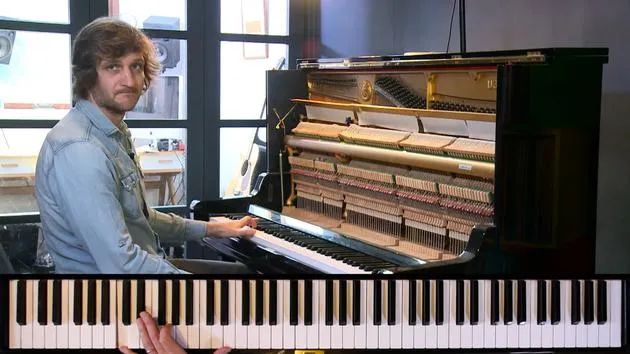
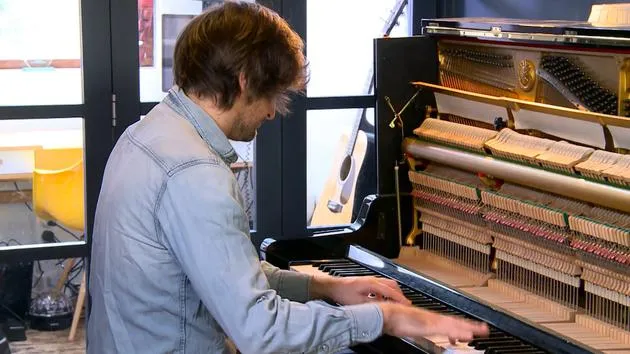
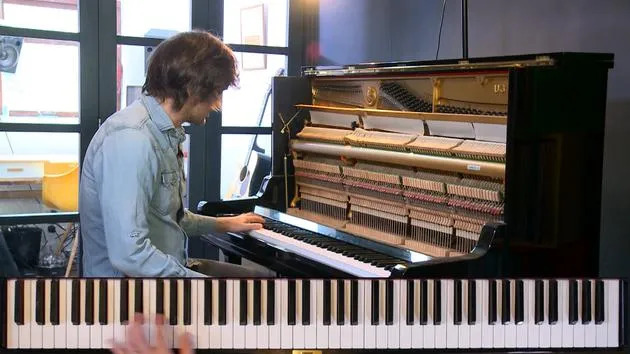
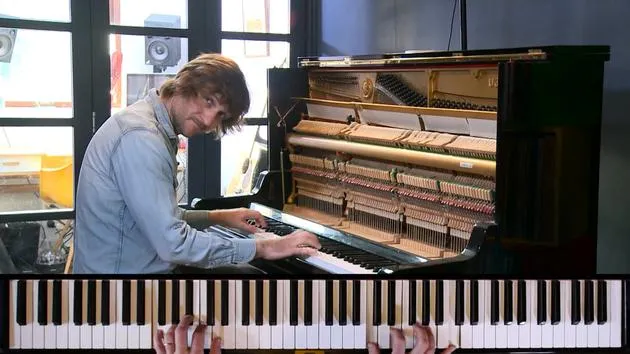
Paddy Milner stellt die linkshändigen Basslinien vor, die das Herz des Boogie-Woogie bilden, beginnend in der Tonart C und zeigt, wie du sie über die 12-taktige Form nach F und G transponierst.
Das steckt im Kurs
24 Lektionen (2h 1m) · 2 gratis
01. Einführung in die Bässe & Übungstipps
Du bist hier2:23
02. Boogie-Bässe aufbauen
Gratis-Lektion6:22
03. Bässe weiterentwickeln
8:57
04. Moll-Bässe
3:02
05. Walking Basses
7:05

06. Kreativ werden mit Eight-to-the-Bar-Bässen
5:33
07. Latin-Bässe im Stil von Jimmy Yancey
2:07
08. Entwickle deine eigenen Bässe - Rhythmische Ideen
6:04
09. Deine eigenen Bässe entwickeln - Harmonische Ideen und Suitcase-Blues-Studie
8:08
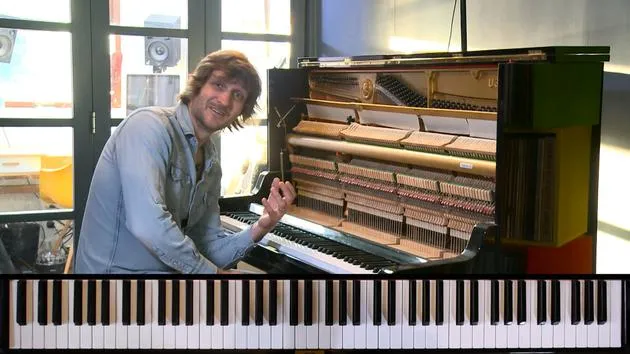
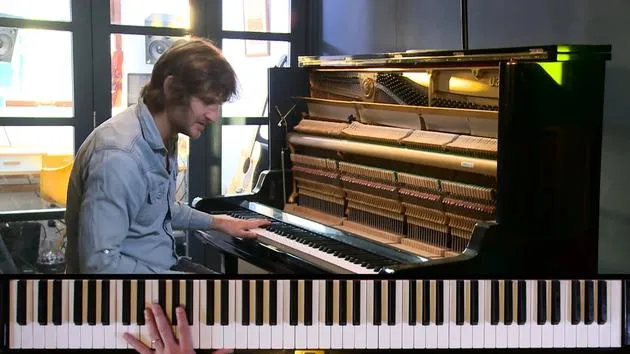
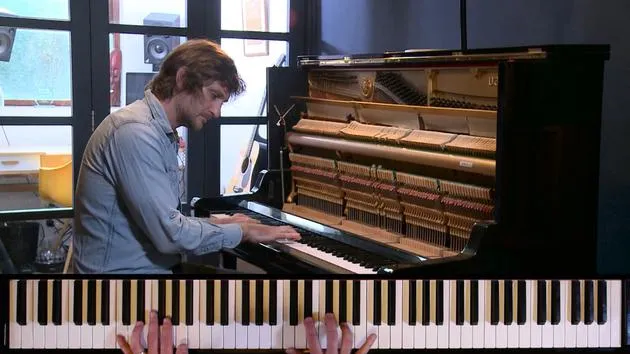
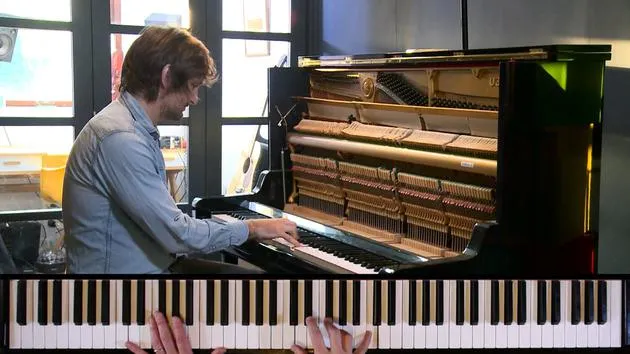
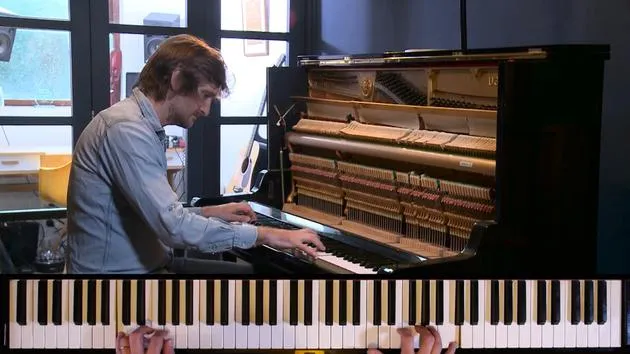
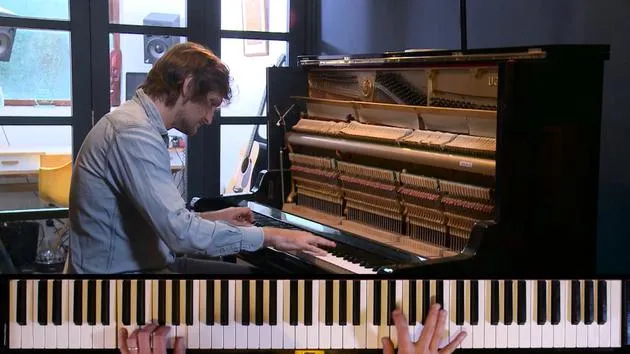
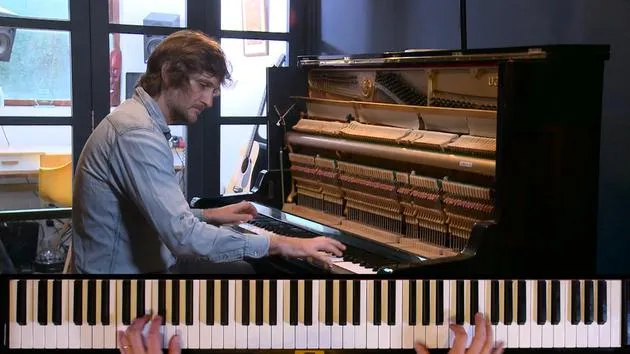
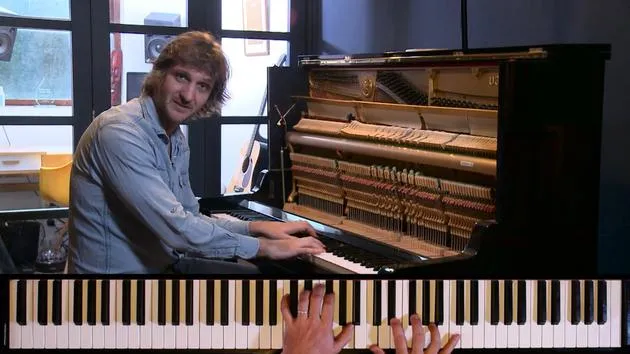
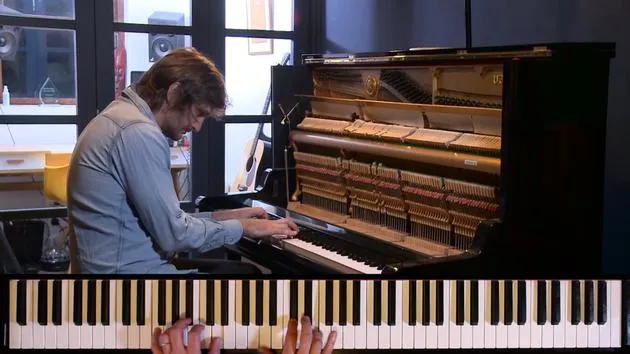
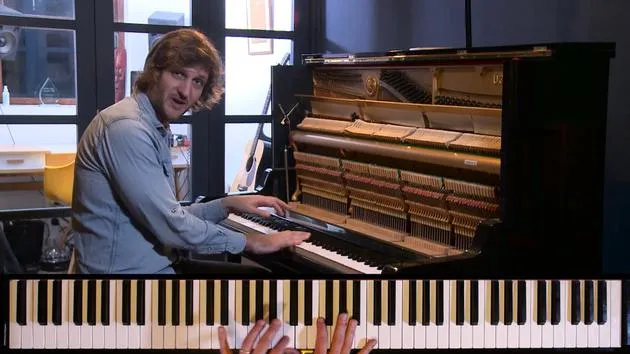
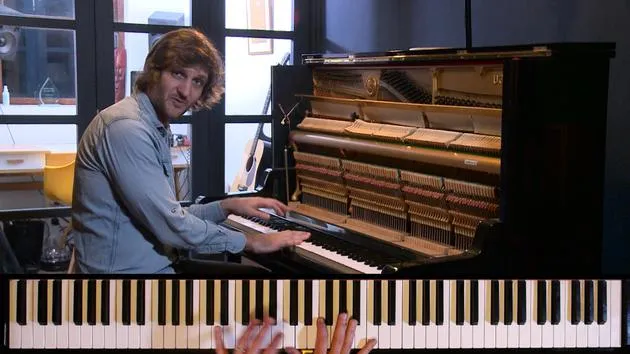
Transkript der Lektion
Exploring Left-Hand Basses
We're going to look at tons of left-hand basses, focusing on:
- Common Boogie Woogie Basses
- Creative Ways to Develop Your Own Basses
After all, those original basses came from somewhere; they didn't just appear by magic. It's always good to move the music forward and do your own thing with it.
Basses in the Key of C
What we're going to do is look at basses in the key of C. I will provide you with some bass lines. While I won't always show you these on the different chords within the key of C, you need to be able to transpose the basses from the chord of C to the other chords in the 12-bar structure, which would be F and G.
Transposing Basses
I suggest trying to play these basses in as many keys as possible. I have actually written all these bass lines down in the accompanying PDF, so they're all available for you to check out.
The Importance of Practice
Now, we need to talk about the practice of these basses. It's very important that you get your left hand as solid as possible, and I'm afraid that just comes with repetition.
Developing Independence
You have to be able to play these bass lines while your right hand can be independent. As a fun analogy, think of it like scratching your head or rubbing your tummy!
Smooth Chord Changes
A common place where people get stuck is during the chord changes. They might have the bass going great, but when it comes to changing chords, they hesitate and then fall back in.
To improve this, getting those chord changes as smooth as possible is vital. Here are some tips:
- Think Ahead: Anticipate where your hand needs to go.
- Moving up to G
- Coming down to F
- Returning to C
Try to achieve fluency, even if that means literally going around the same 12-bar progression with just the left hand for 15, 20 minutes, or even half an hour, until it feels totally comfortable and natural.
It's so important for this style!
24 Lektionen
2 Std. 1 Min. strukturierte Videolektionen
Erweiterte Videofunktionen
Verlangsamen, Passagen loopen, mitlesen
Handy, Tablet & Desktop
Üben, wo du willst
100 % Zufriedenheitsgarantie
30 Tage Geld-zurück-Garantie
Lern deinen Guru kennen

Lern deinen Guru kennen
Paddy Milner gilt als einer der besten Blues-Pianisten der Welt – derzeit ist er der Stammkeyboarder von Sir Tom Jones, nach mehreren Jahren an der Seite des großartigen, verstorbenen Jack Bruce –, aber er ist auch ein hervorragender eigenständiger Songwriter und ein unverwechselbarer Sänger. Lies einfach das Lob von Größen wie Dave Brubeck weiter unten! Sein Spiel war auf dem Soundtrack des Kinohits 'Rocketman' von 2019 zu hören.
Zweimal wurde er bei den British Blues Awards als bester Keyboarder ausgezeichnet, und als Gründungsmitglied der Ronnie Scott's Blues Explosion hat er eine langjährige Residency im weltberühmten Club Ronnie Scott's.
Seine aktuelle Band LONDONOLA spielt selbst geschriebene britische Musik mit einer kräftigen Portion New-Orleans-Geist, und sein gemeinsames Projekt JAWBONE geht seit der Veröffentlichung des gleichnamigen Debütalbums von Stärke zu Stärke.
- „Ich liebe es... da ist einer, der wirklich Klavier spielen kann" - Dave Brubeck
- „Ich kann es nur wärmstens empfehlen. Irgendwie fängt alles an, sich viel besser anzufühlen!" - Jack Bruce
- „Der beste Blues-Pianist Europas..." - Blues Access, USA
- „Beeindruckend und originell" - The Times
- „Blendend" - The Independent
In seinen Kursen zerlegt Paddy den authentischen Blues-Shuffle, Slow Blues, Boogie-Woogie, Rock 'n' Roll und das New-Orleans-Piano – bis hin zu drei klassischen Boogie-Woogie-Songs –, damit du diese Stile bei einem der Allerbesten des Fachs lernst.







