



Ideen zum Improvisieren im 5/4-Takt - feat. Take Five

Lesson time: (12min 28sec)
Darius und Mike nutzen Take Five, um zu erklären, wie sie in 5/4 improvisieren, und behandeln Techniken wie Side-Slipping, rhythmische Ideen und die Interaktion mit den Musikern in deiner Band.
Course preview
This lesson is part of the course Ungerade Taktarten meistern
Watch a preview of the full course below.
Lesson transcript:
Exploring Improvisation in "Take Five"
Most performances of "Take Five" are primarily improvisational. We've discussed how we build up the piece, introducing the Take Five vamp, the beat, and then the melody. Now, let's delve deeper into the magic of improvisation.
The Freedom of Improvisation
Improvisation in "Take Five" is incredible because:
- There are no harmonic deadlines.
- You can explore very freely.
While some might approach it as an ABA tune, the original take by the Dave Brubeck Quartet is a one-chord vamp, acting as a vast field to explore:
- You remain in one mode.
- The potential for creativity is immense.
The Spirit of "Take Five"
It's about finding joy in that spaciousness.
"You can't really do anything wrong. You'll just do things that please you more or perhaps please you less."
The Challenge of Improvisation
In a teaching context, it's worth reflecting on what goes through your mind while improvising:
-
Building from Simplicity:
- Starting your solo can feel like building a house; begin with one simple idea and gradually expand.
- For example, my starting note might be a transition from the 9th to the 11th.
-
Dorian Mode:
- Any note played in Dorian or E-flat minor will generally sound pleasant.
- There are no truly "wrong" notes, as you can return to the tonic or core note, which feels like home.
Tips for Improvisation in 5/4
Start with the Melody
- Always keep the melody close at hand.
- Incorporate melodic fragments even if not played exactly.
Explore Different Animations
- Start in one area before moving to another, ascending or descending.
Practical Application
- Let's play a few scales from the book (page 33 for concert instruments):
- I'll demonstrate, play along with the chord.
- Here's a scale with a raised seventh: 1, 2, 3, 4, 5.
Embracing the Dorian Scale
- Feel free to explore notes outside the Dorian or minor scale.
- Consider using the harmonic minor, melodic minor, or blues scales.
"How many different ways can you play it? Start simple and develop from there."
- Experiment with starting on different scale degrees, like the 5th, 3rd, or 13th, and discover beautiful melodic sounds.
Practice Ideas
-
Use a Play-Along Track:
- Start with long notes, perhaps one note per bar, to understand how it interacts with the harmony.
- Listen to the drummer change patterns during the solos for additional material.
-
Articulate Your Ideas:
- Change your articulation while adhering to the Dorian scale to give your lines more meaning.
-
Become a Part of the Quartet:
- Utilize recordings without the saxophone as a rhythm section and experiment with creating your own phrases.
Conclusion
As we wrap up this lesson, I encourage you to invent and explore your ideas. In our next episode, we'll venture further into improvisation techniques. Embrace the challenge, and have fun!
About the instructor
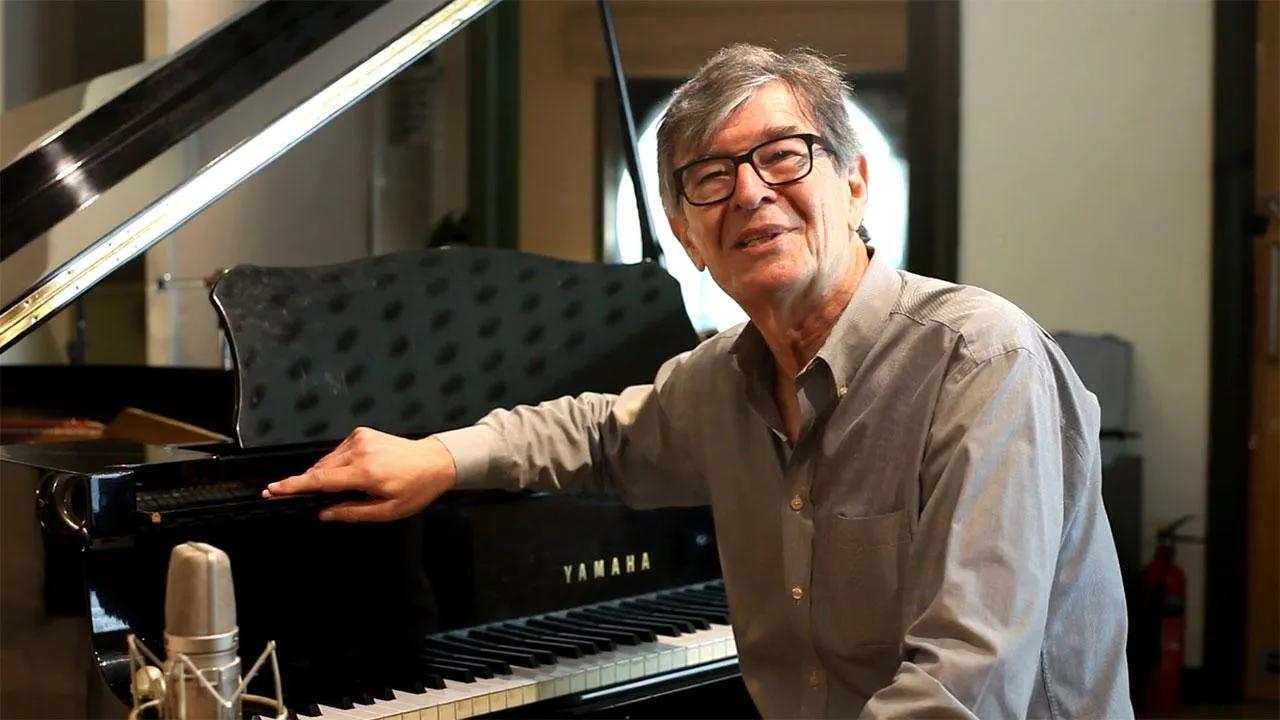
Darius Brubeck ist ein renommierter Jazzpianist und Musikpädagoge. Er hat zahlreiche Alben als Bandleader veröffentlicht, ist international mit seinen eigenen Gruppen getourt und hat mit seinen Brüdern an Brubecks Play Brubeck zusammengearbeitet. Darius war als Fulbright-Gastprofessor in Rumänien und der Türkei tätig. Er rief den ersten Jazz-Studiengang an einer afrikanischen Universität ins Leben, an der University of KwaZulu-Natal in Südafrika, wo er bis 2005 unterrichtete. Darius arbeitet häufig mit Mike Rossi zusammen, Saxofonist und Musikprofessor an der University of Cape Town. Zu Mikes Verdiensten zählen zahlreiche Aufnahmen und internationale Bühnenauftritte als Leader, Solist und Sideman unter anderem mit Tony Bennett, Dave Liebman, Winston Mankunku Ngozi, George Russell, Clark Terry und Alessio Menconi. Mit Darius als Mentor kommst du direkt zum Wesentlichen. In Harmony 101 entmystifiziert er die Jazzharmonik, damit du sie schnell anwenden kannst, und in Mastering Odd Times zeigt er dir, wie du in ungewöhnlichen Taktarten souverän spielst und improvisierst. read more