



Was ist Funk
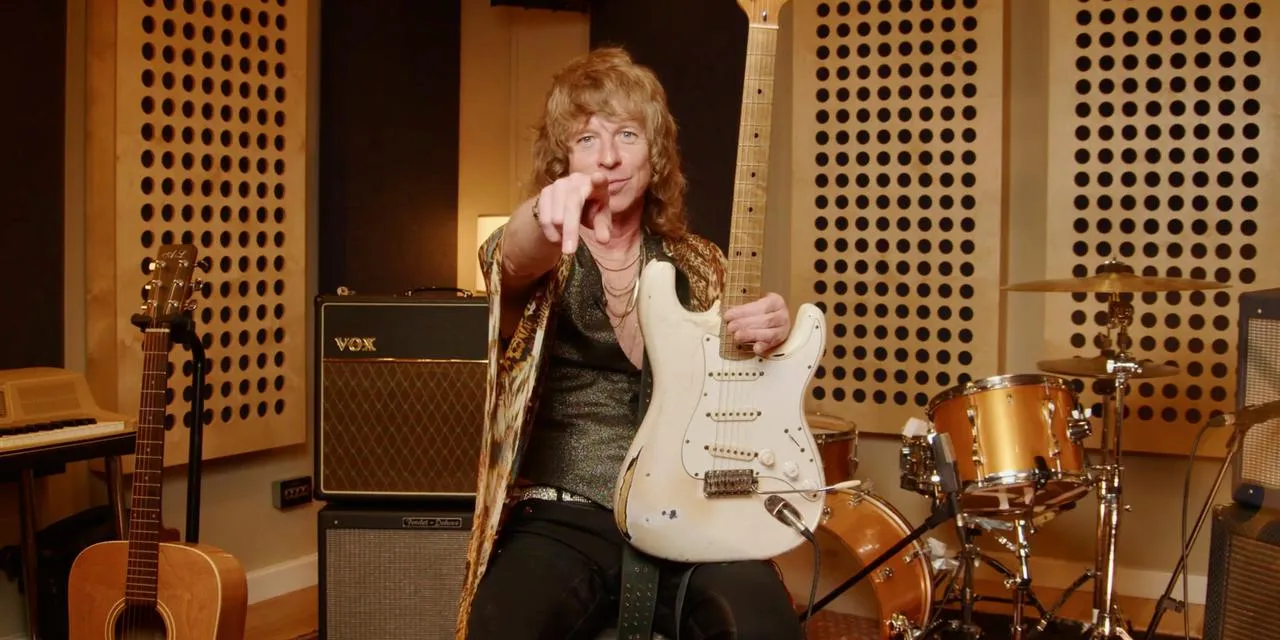
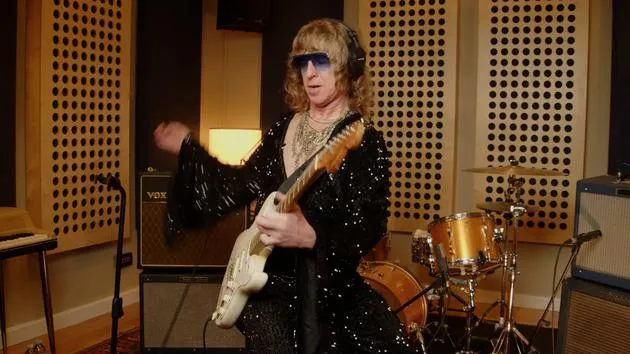
Simon Bartholomew von The Brand New Heavies darüber, was Musik funky macht – vom Zupfen mit der rechten Hand und der Synkopierung bis zum Einrasten mit dem Schlagzeug.
Das steckt im Kurs
17 Lektionen (1h 2m) · 1 gratis
Transkript der Lektion
What is Funk?
So what is funk? Well, I think people have been asking that question for a long time. And I think there's no real definition for the actual word or its origins.
Meaning of Funk
- It can mean a smell.
- It can mean something sexy.
But in music, it's kind of... for me, well, once I got into funk, I found it hard not to put that into anything I play now. It kind of gets in your bones really. It influences the way you walk and talk, even.
The Essence of Funk
It's like I said: it's a lot in the right hand, how you pick the guitar. Just like listening to the music around you and responding with the funky thing playing on top, or playing around it.
Recommended Listening
- Go check out a few JB's records, James Brown records. You'll find a great definition of funk there.
- There's even a record called Working in a Gold Mine by Lee Dorsey.
The lyrics go:
"Working in a gold mine, Work that coal mine, Working downtown and Working in a gold mine around midnight."
That little snap in there is funky. You can hear funk even in Led Zeppelin, it's funky and uplifting, with great beats.
What Defines Funk?
It's more about something inside the music that's sort of undefinable that you sort of put into your playing. For me, it was about the transition from more guitar-led music to a more bass-led music or vocal-led music. It's about adding bits and exposing the drums.
The Role of Drums
When you've got a funky drum pattern that's doing a lot of the work, you can syncopate with that or accent it, adding joy and glee for the people dancing.
Repetition in Music
I found that with the Heavies, we did a lot of repetition. Just playing the same thing over and over again. Believe it or not, it's not actually boring. It starts to feel hypnotizing over four or eight bars.
A Funky Example
I have this one little thing for you: there's a James Brown track called Get on the Good Foot. It talks about how:
"The long hair hippies and the Afro Blacks, they all get together across the tracks and they party."
And I can't remember the bass line, but the guitar is based on rock and roll, right?
The song's in A, and I think that's the bass line. The guitar part is so effective, so beautiful and simple. Not even cool, just badass. That's on my good foot, and it's one of my favorite records.
Exploring "Sex Machine"
Then you get stuff like Sex Machine, where it's... well, I think James Brown went out to Africa, and I truly believe he must have heard Fela Kuti, who was starting a thing called Afrobeat, which is also very funky.
At this point, just to interject on myself, there's a big thing about the "one" in funk. You're always playing around that one thing. Afrobeat has a different accent, as does reggae.
The Evolution of James Brown
If you hear James Brown before he went to Africa and after, he was being more like rock and roll stuff. Upon returning, it was like the birth of soul power records, such as Sex Machine.
"Nice and easy, you get your finger, stick it across there." Anyone can do it!
But see, when you have the drum pattern going funky in the bass line, that starts to come alive in the music and really drives it along.
Conclusion
For the dancer, I think you want that kind of repetitive thing.
17 Lektionen
1 Std. 2 Min. strukturierte Videolektionen
Erweiterte Videofunktionen
Verlangsamen, Passagen loopen, mitlesen
Handy, Tablet & Desktop
Üben, wo du willst
100 % Zufriedenheitsgarantie
30 Tage Geld-zurück-Garantie
Lern deinen Guru kennen
Lern deinen Guru kennen
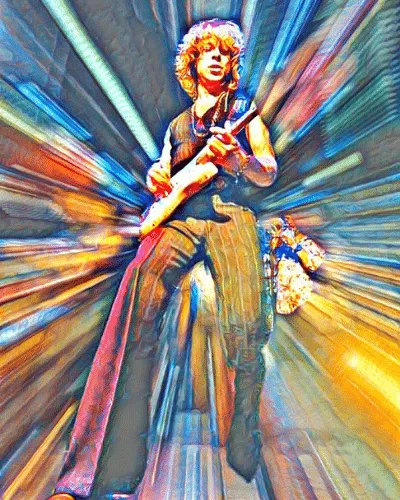
Simon Bartholomew ist der Gitarrist der britischen Funk/Pop/Soul-Gruppe The Brand New Heavies – einer Band, die dafür bekannt ist, ihre Instrumente live selbst zu spielen, statt sich auf zeitgenössische computerbasierte Programmierung zu stützen. Genau dieses Bekenntnis zu echtem, im Groove sitzendem Spiel macht ihn zu einem so guten Wegweiser für Funk-Gitarre, und der Produzent Mark Ronson sagte Simon einmal, dass er und Nile Rodgers seine Lieblingsgitarristen seien.
Gemeinsam mit seinem Bandkollegen Andrew Levy schreibt, produziert und mischt Simon und überwacht den Betrieb einer voll funktionierenden, tourenden und aufnehmenden Band. Die beiden lernten sich auf der weiterführenden Schule kennen und begannen, nachdem sie im Club The Cat In The Hat Funk gehört hatten, miteinander zu jammen; als die DJs des Clubs einen ihrer Titel, 'Catch That Beat', von einer Kassette spielten, begann die illustre Reise der Band. Von jenen frühen Tagen in London bis hin zu Reisen durch die USA und Japan hat die Band praktisch die ganze Welt bereist, half, die frühe Hip-Hop-Szene in Los Angeles und New York anzutreiben, und wurde zu den Hauptvertretern der Acid-Jazz-Bewegung der frühen 90er.
The Brand New Heavies können auf ihren zahlreichen Alben Platin- und Goldverkäufe vorweisen und hatten mehrere Songs auf Filmsoundtracks – vor allem Happy Feet, das einen Song ihres Albums Heavy Rhyme Experience verwendete, das als das erste Rap-Album gilt, das eine Live-Band einsetzte.
Simons musikalische Einflüsse reichen tief und weit: Blues, Jazz, Soul, Rock, Punk, Psychedelia, Prog Rock, Klassik und Classic Rock – und so ziemlich alles andere, von den Live-Bands und Orchestern überall im Fernsehen, mit denen er aufwuchs, bis zu der selteneren Musik, die er in der John Peel Show und über die Plattensammlungen von Freunden entdeckte. Während er weiterhin mit The Brand New Heavies tourt und aufnimmt, hat er auch Musik für Dokumentarfilme geschrieben und an Projekten wie Akimbo und 1ibear gearbeitet, mit weiteren in der Pipeline.
Simons Mission ist es, Rock und Funk zu verschmelzen, und wie er es ausdrückt: 'In allem steckt Funk, wenn man nur hinschaut und danach fühlt.' Genau diesen Geist bringt er in Learn the Fundamentals of Funk Guitar with The Brand New Heavies ein.







