



Hooks und Parts - Konzepte

Mit
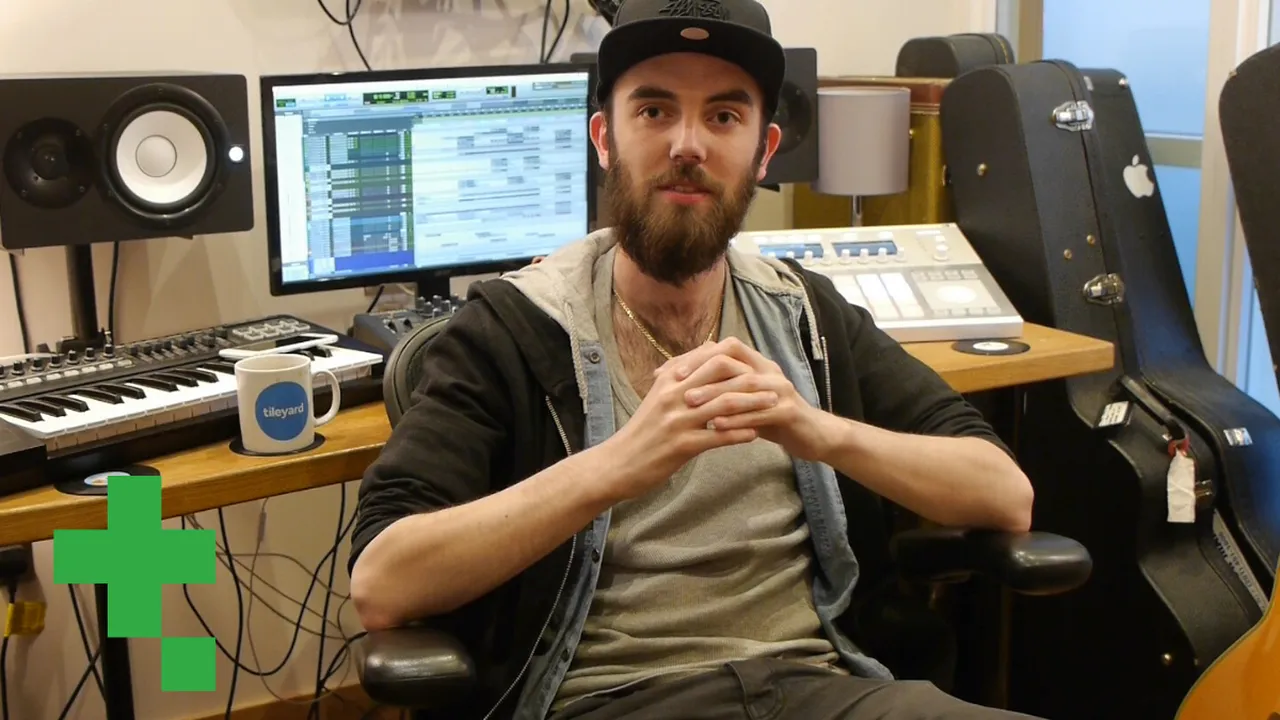
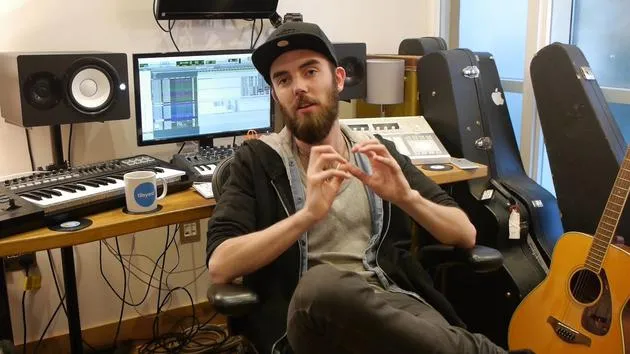
Paul WhalleyPaul Whalley erklärt Hooks jenseits der Gesangslinie und warum jeder Abschnitt mindestens drei haben sollte, an denen sich der Hörer festhalten kann: einen melodischen, einen perkussiven und einen klanglichen.
Das steckt im Kurs
26 Lektionen (1h 43m) · 1 gratis
01. Gitarrenpart - Konzepte
1:37
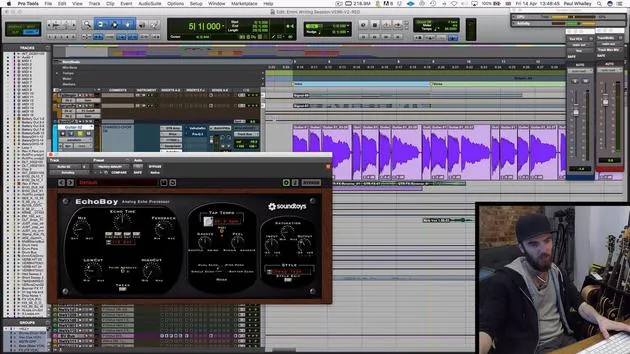
02. Gitarrenpart
4:58
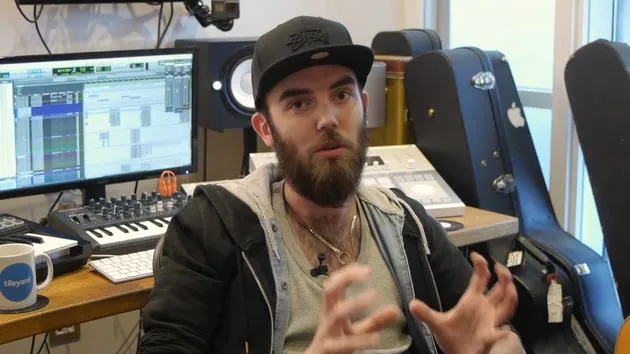
03. Gesang – Konzepte
1:22
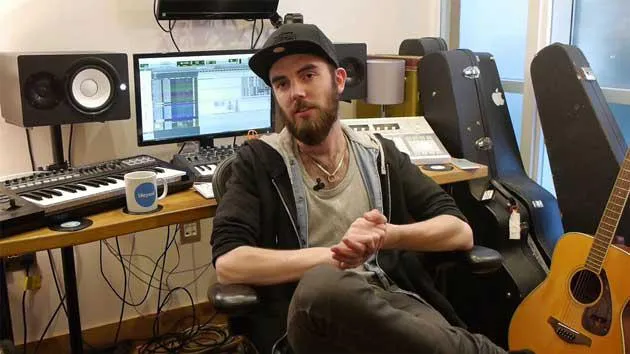
04. AUFGABE: Die Gitarrenproduktion nachbauen
0:37
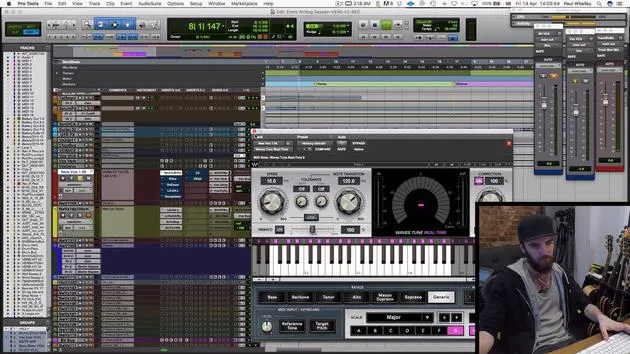
05. Gesang
9:42
06. CHALLENGE #1: DAS VOCAL-ARRANGEMENT UND DEN HOOK AUFBAUEN
0:45
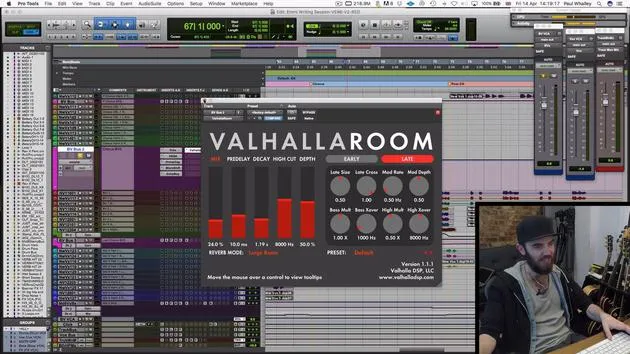
07. Backing Vocals
4:07
08. Keys und Synths – Konzepte
0:54
09. Keys & Synthesizer
9:38
10. Bass - Konzepte
1:01
11. Bass
5:24
12. Schlagzeug - Konzepte
0:58
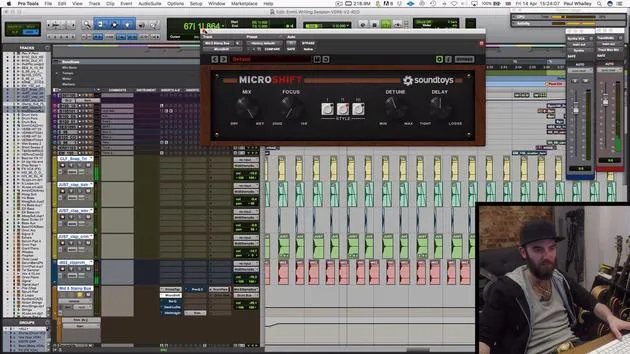
13. Schlagzeug
9:49
14. AUFGABE: Erstelle die Drum-Produktion nach
0:32
15. Effekte und atmosphärische Parts - Konzepte
1:09
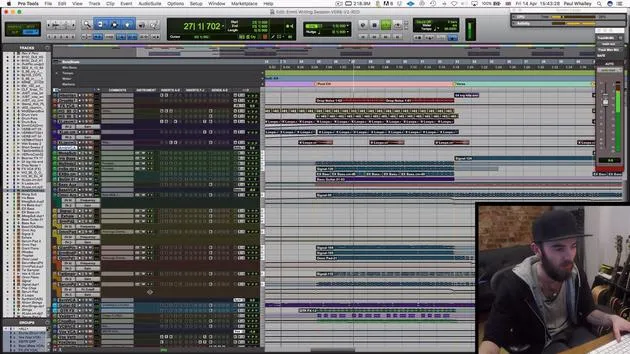
16. Effekte und atmosphärische Parts
5:53
Transkript der Lektion
Introduction to Hooks in Instrumentals
Hi guys,
Welcome to the first part of this course. In this session, we're going to break down the idea of hooks within your instrumentals and productions.
The Role of Hooks
Now, let's clarify, this is about taking away the vocals of your track because those are obviously the kings of your whole song and should always be the major hook.
My Philosophy on Hooks
For a long time now, I've believed that your production should have at least three distinct hooks in each section that you can remember. These can include:
- Melodic parts
- Percussive elements
- Distinct sounds and sonics
These hooks are incredibly useful because you can reference them in all sections to help glue the whole thing together.
Historical Context
This concept has been tried and tested since back in the 60s and 70s. I personally discovered it while watching an ABBA documentary about six years ago. Since I started applying this method, it has consistently worked for me.
Benefits of Using Hooks
When you present your tracks to A&R guys, artists, or even just play them for your friends, they sound:
- A lot more thought out
- Very polished and finished
Using hooks helps everything glue together very concisely.
Practical Example
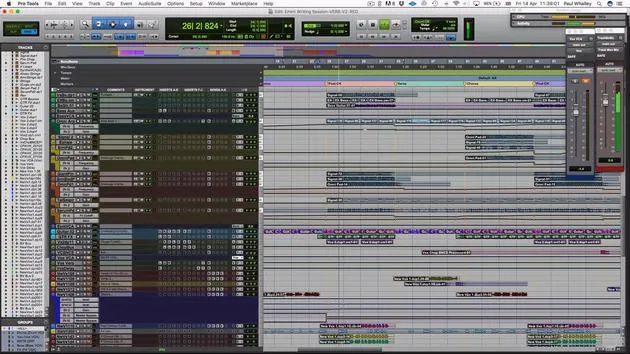
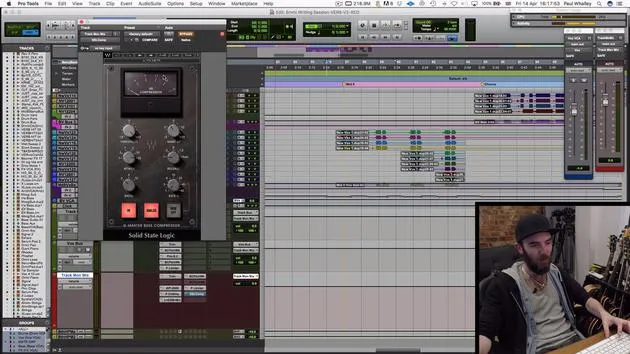
In this section, I'm going to take apart a song that I have and show you the distinct hooks within it, along with the parts that complement and enhance those hooks. This will help glue your track together effectively.
Stay tuned!
26 Lektionen
1 Std. 43 Min. strukturierte Videolektionen
Erweiterte Videofunktionen
Verlangsamen, Passagen loopen, mitlesen
Handy, Tablet & Desktop
Üben, wo du willst
100 % Zufriedenheitsgarantie
30 Tage Geld-zurück-Garantie
Lern deinen Guru kennen
Lern deinen Guru kennen
Paul Whalley ist Multiinstrumentalist, Produzent und Songwriter mit einem bewusst breiten Sound. Er verbrachte Jahre als Tour-Session-Musiker mit Künstlern wie Mumford & Sons und Ellie Goulding auf der Straße. Klassisch ausgebildet, besitzt er einen Bachelor in instrumentaler Interpretation und einen Master in Komposition der Guildhall School of Music. Seit er vom Touren in die Produktion und das Songwriting gewechselt ist, hat er mit Künstlern wie NAO, Wretch 32 und Nina Nesbitt gearbeitet und auf Top-40-Platten weltweit gespielt, darunter Little Mix' 'Shout Out to My Ex'. Er ist in den Tileyard Studios im Norden Londons ansässig, wo er für große britische Labels schreibt und produziert und neue Künstler aufbaut. Auf MusicGurus zerlegen er und Emmi Green einen Pop-Song von Grund auf – jede Arrangement- und Produktionsentscheidung offengelegt – für Songwriter und Produzenten, die hören wollen, wie Hits wirklich gebaut werden.







