



Shebeg & Shemore (Lektion)
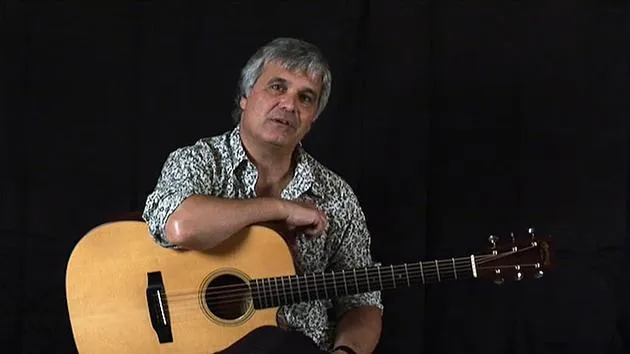
In dieser Lektion bringt dir Laurence Juber bei, das beliebte Stück Shebeg & Shemore auf der Akustikgitarre in DADGAD-Stimmung zu spielen.
Das steckt im Kurs
16 Lektionen (1h 6m) · 1 gratis
01. Ein paar Anmerkungen zu Stimmung und Theorie
Gratis-Lektion6:11
02. Amazing Grace (Lektion)
10:51
03. Amazing Grace (Interpretation)
1:19
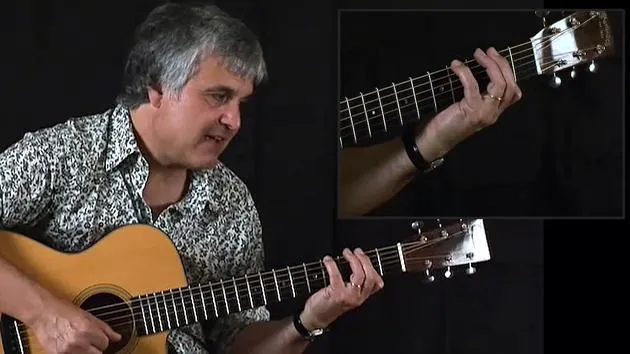
04. Greensleeves (Lektion)
8:36
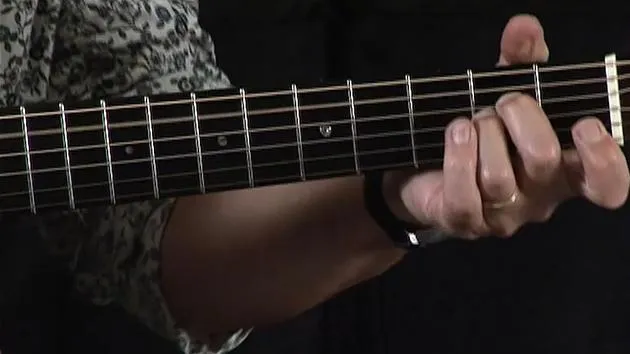
05. Greensleeves (Aufführung)
1:12
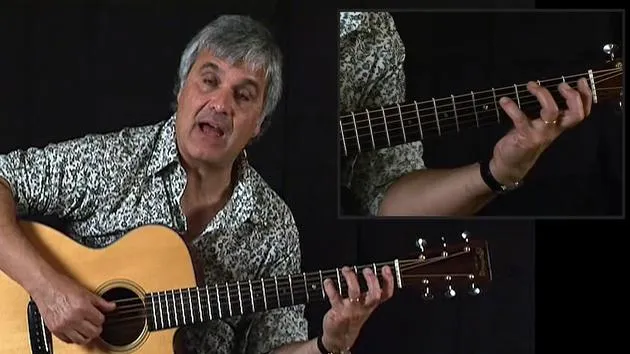
06. Shebeg & Shemore (Lektion)
Du bist hier6:53
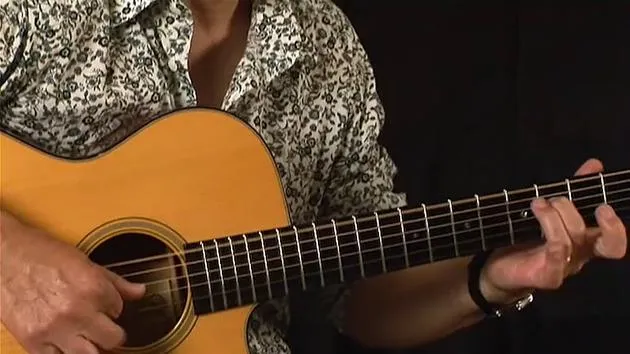
07. Shebeg & Shemore (Aufführung)
1:54
08. Wayfaring Stranger (Lektion)
7:35
09. Wayfaring Stranger (Performance)
2:36
10. Shenandoah (Lektion)
5:34
11. Shenandoah (Performance)
1:55
12. When The Saints Go Marching In (Lektion)
3:47
13. When The Saints Go Marching In (Performance)
0:43
14. Take Me Out To The Ballgame (Lektion)
4:14
15. Take Me Out To The Ballgame (Aufführung)
1:26
16. Ein paar Anmerkungen zur Tonart d-Moll und Verabschiedung
1:40
Transkript der Lektion
Shebeg and Shimaw - An Arrangement Breakdown
That's a tune by O'Carolan, the Baroque Irish harpist called Shebeg and Shimaw. I believe it was the first tune that he wrote. In the nature of this kind of melody, it doesn't come with harmony attached. O'Carolan wrote melodies, but we don't have surviving harmony for it.
Arranging the Melody
In my arranging process, I am taking the melody which sits over a D chord. I'm in D major and I'm going from a G chord.
- This time, I'm playing the same G chord, but in typical DADGAD fashion.
- Instead of fingering the G and the B like this, I'm fingering like this because the next phrase allows me to do so.
- I could finger it differently, but I prefer this method.
Chord Progression
The progression can be viewed as:
- G major seventh over a B
- A seventh over a C# (first inversion)
- A seventh to a D
- Again the G, but this time it's actually a first inversion E minor.
So I'm now here because I'm doing this D chord over an F#, which is the first inversion.
- The next chord is an F#, or at least the next melody note is an F#.
- I hear the harmony on that as an F#.
Let me put it up the octave. You would hear it clearly as an F# going to B minor. Because I've already used that F#, I'm actually making it a first inversion and putting an A# in the bass and then moving the bass line up.
I'll play that one more time.
Textural Variety
You can see I'm using a combination of more sophisticated concepts with simple open strings. For example:
- My A sus (basically a seven sus) is just open strings.
Changing Positions
In the next section, rather than repeating the melody in this position, I'm moving it up and playing it on the third string. This adds textural variety and is also because my next chord is a B minor. If I did it the other way, I'd have to make a jump.
Here, I've got the B minor. Notice again, because it's basically a sus bar, over a B it gives you that floating kind of suspended sound:
- Here's a D, here's an E adjacent.
What I do next is interesting. This is the harmony simply in tense:
- Melody: B, A, F#
- Harmony (bass notes): G, F#, D
It's a familiar sound of tense. Instead of playing this, I'm fingering that G as an open string, using the open third string.
- Then I'm anticipating the next bass note.
- The same technique is applied here.
This keeps that bass line moving down.
Additional Chord Techniques
Now, for the melody note, I could simply do a very simple A (not even a sus, just a seventh with no third).
- It would be very nice to do that, but I'm cheating a little bit and getting jazzy on you.
- I'm making that a five chord of B minor, which is an F#: F# augmented sharp nine (F#7 augmented sharp nine).
Then transitioning to a very nice progression:
- From B minor to a G chord and keeping the pedal note on B melody, leading to the next chord: an E.
Back to the Progression
Then back to this F# to B minor.
- And here's a little trick: pull off, slide, pull off.
And that's Shebeg and Shimaw in a modern arrangement!
16 Lektionen
1 Std. 6 Min. strukturierte Videolektionen
Erweiterte Videofunktionen
Verlangsamen, Passagen loopen, mitlesen
Handy, Tablet & Desktop
Üben, wo du willst
100 % Zufriedenheitsgarantie
30 Tage Geld-zurück-Garantie
Lern deinen Guru kennen
Lern deinen Guru kennen
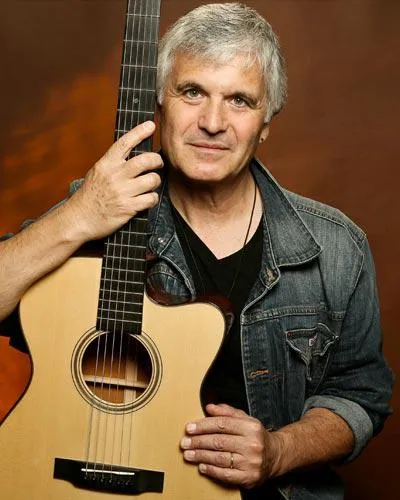
Laurence Juber wurde zunächst als Leadgitarrist in Paul McCartneys Band Wings bekannt. Seither hat er sich eine Karriere als Fingerstyle-Gitarrist, Komponist und Arrangeur aufgebaut und arbeitet vorwiegend in der DADGAD-Stimmung, die ihm den Beinamen 'the Duke of DADGAD' einbrachte.
Von den Lesern des Fingerstyle Guitar Magazine wurde er zum Gitarristen des Jahres gewählt und vom Magazin Acoustic Guitar zu den besten Gitarristen gezählt – dazu kommen eine lange Liste von Soloalben und Welttourneen.
In seinen Kursen vermittelt er seine Fingerstyle-Technik und die DADGAD-Stimmung, für die er bekannt ist, wie man Melodie, Harmonie und Bass für die Solo-Gitarre zusammenführt, und die Stücke – wie sein charakteristisches 'Wooden Horses' –, die all das vereinen.







