



The West Wind (Lektion)
Mit
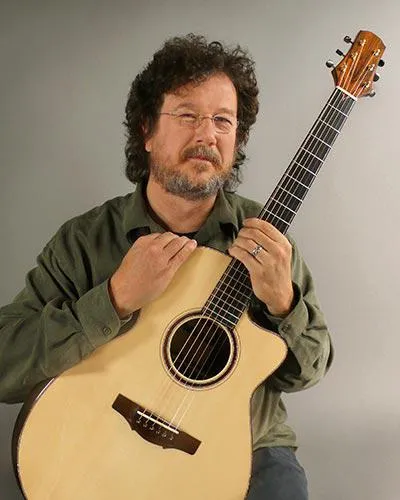
Al Petteway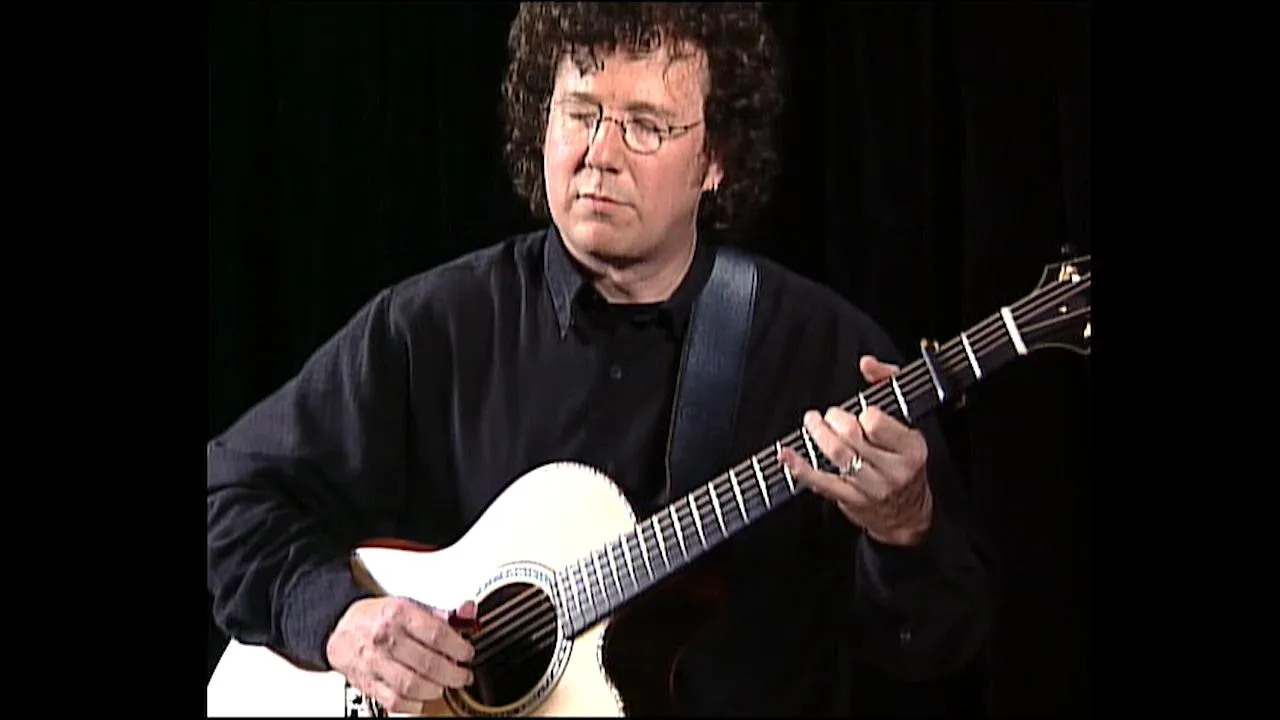
Das steckt im Kurs
14 Lektionen (1h 25m) · 1 gratis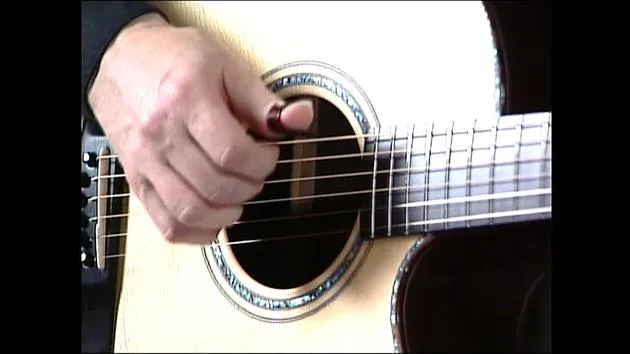
01. Spindrift (Aufführung)
Gratis-Lektion3:36
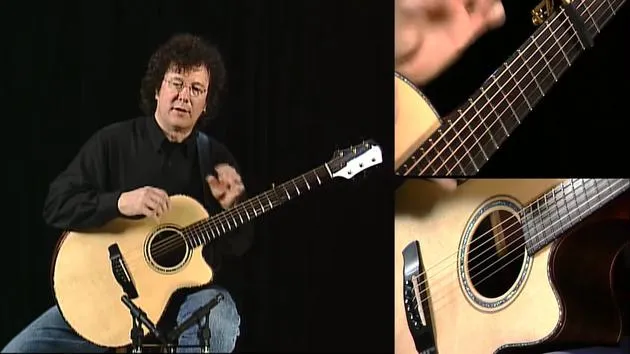
02. Spindrift (Lektion)
9:05
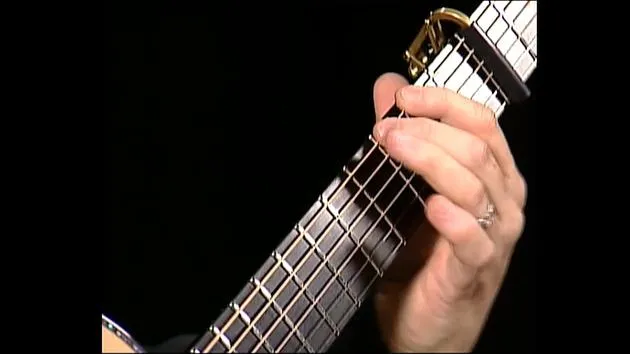
03. Eureka Hotel (Performance)
3:12
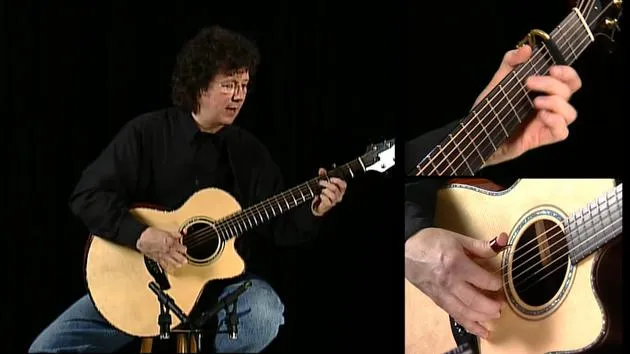
04. Eureka Hotel (Lektion)
9:47
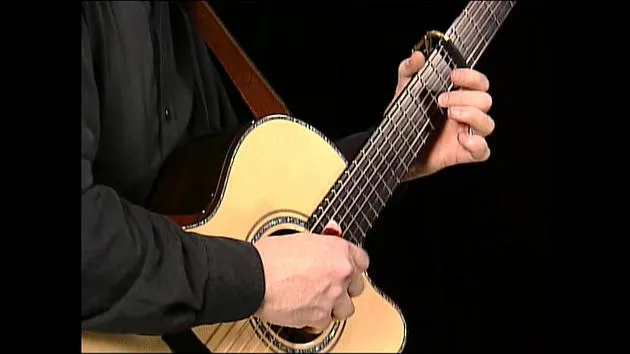
05. She Moved Through The Fair (Performance)
2:34
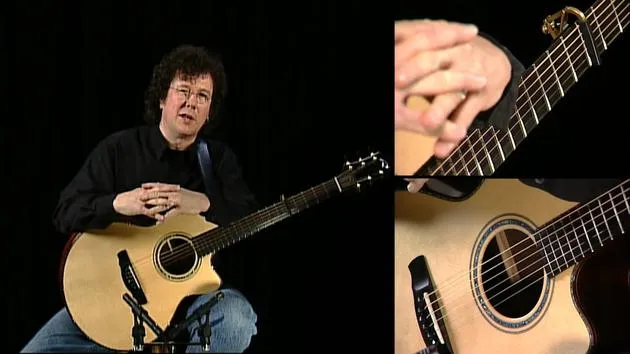
06. She Moved Through The Fair (Lektion)
9:05
07. Meant To Be (Performance)
3:59
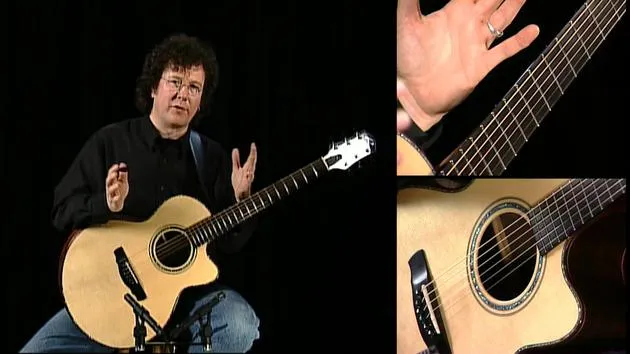
08. Meant To Be (Lektion)
10:25
09. Smokey Mountain Morning (Vortrag)
4:53
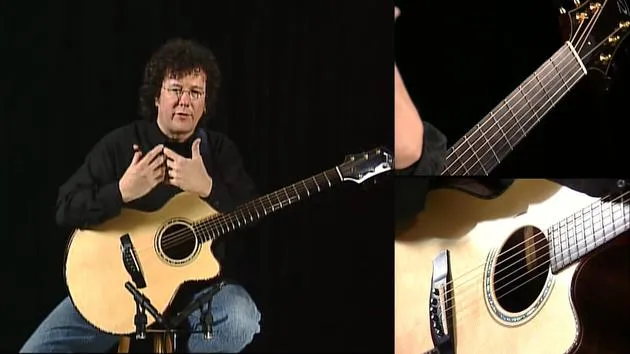
10. Smokey Mountain Morning (Lektion)
9:21
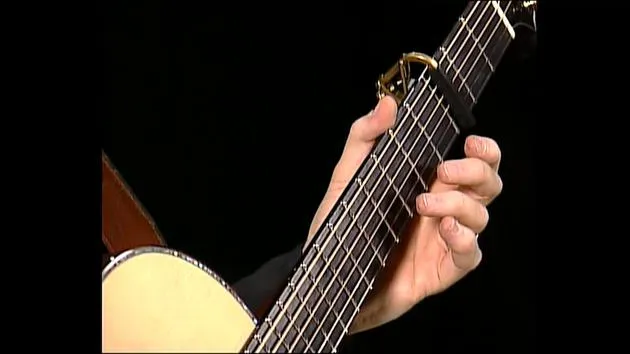
11. The West Wind (Performance)
3:34
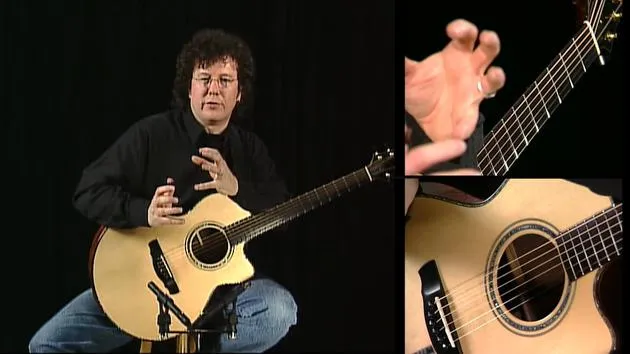
12. The West Wind (Lektion)
Du bist hier9:48
13. BONUS: After Dark
3:34
14. BONUS: Requiem (Performance)
2:37
Transkript der Lektion
Understanding Traditional Melodies and Their Variations
Many of the melodies that are considered traditional, believe it or not, are recognized across several different cultures. I discovered this early on when I started playing with a Scottish fiddler. She introduced me to certain tunes that I had heard played in bluegrass music.
Then I played with an Irish musician, and they were doing the same tunes but with different names. One of my favorite examples is a tune I initially heard played by a piper called the West Wind. However, I later learned from an Irish fiddler that this was actually not a Scottish tune; it was an Irish tune called the South Wind. Later on, while playing with an English group, they referred to it as a Christmas tune called the Michaelmas Wind.
So, I guess you could call it just about anything you want. People borrow melodies and make them their own.
Creating a Scottish Sound
Since I originally learned this tune from a piping recording, I thought it would be cool to create a sound reminiscent of that style within the tune. Here are a couple of techniques you can use to make it sound more Scottish:
-
Get a drone in the bass:
I initially started trying to play this in the key of D, which has a nice low sound. However, when you have the melody and the bass close together in that range, it can sometimes get a bit muddy. -
Use a capo:
I decided to use my trusty capo and experiment with different positions on the neck. For some reason, I found that the third fret position gave me my favorite sound for this tune.
The tuning lends itself well to using open strings in this modal sound, allowing you to back up major or minor tunes. This melody is primarily in the major key.
Structuring the Melody
As I play through the melody a couple of times in a lower register, the underlying chord structure becomes clear:
- Chords: 1, 1, 4
- Bridge Section: 5, 1, 5, then 6, 2, 5
Here, I substitute the third to create parallel movement.
A common technique in guitar arrangements of Celtic music is to fool the listener at the end of a phrase by shifting to the IV chord instead of resolving to the root.
You might play it like this:
- Transition:
- (Root chord)...
- (IV chord)
This works well, often aligning with the melody. Use this sparingly in your tunes for a nice change.
Exploring Different Melodic Styles
In this tuning, I can also play the melody in various ways:
- On one string
- Across the strings
This flexibility provides different choices while playing through the arrangement. For example, I can let the notes ring like a harp, or choose a contrasting quality.
A Creative Technique
Here's an interesting trick to enhance your arrangement:
- Take the melody and stretch to another string, maintaining the same note.
- Instead of just playing the note, try transitioning smoothly into a drone.
This can create a wonderful effect, especially when the melody repeats a note.
Higher Octave Challenges
When I reach the B section in a higher octave, I need to position myself higher to get the chords since the melody ascends. I might combine fingered notes with an open string as I transition back to the original sound.
In this context, I can also add:
- An octave for a fuller sound, which can provide a nice 12-string effect momentarily.
- Incorporating thirds back into the arrangement enriches the tune's texture.
Ending Techniques
When concluding, remember:
- Experiment with the snap effect, unique to Scottish playing.
You might not hear this inflection in Irish music, which is often much straighter. The distinction arises partly due to the way pipers move their fingers, creating a burst of air that precedes the notes.
To imitate this on guitar, aim for a slightly absent note while maintaining the rhythm.
In my last verse, I usually play it straight Scottish, maintaining the drone throughout to capture the essence typical of bagpipe music, with that distinctive snap ingrained in the melody.
Using these techniques can greatly enhance your understanding and performance of traditional melodies, showcasing their beauty and cultural variances.
14 Lektionen
1 Std. 25 Min. strukturierte Videolektionen
Erweiterte Videofunktionen
Verlangsamen, Passagen loopen, mitlesen
Handy, Tablet & Desktop
Üben, wo du willst
100 % Zufriedenheitsgarantie
30 Tage Geld-zurück-Garantie
Lern deinen Guru kennen
Lern deinen Guru kennen
Al Petteway, ein mit einem Grammy Award ausgezeichneter Aufnahmekünstler und Interpret, hat nahezu jede Art von Populär-, Folk- und klassischer Musik gespielt. Obwohl sein Hauptinstrument stets die Gitarre war, hat er auch Laute, Kontrabass, Perkussion und Komposition studiert. Seine Kompositionen für Fingerstyle-Akustikgitarre sind stark von seiner Liebe zur keltischen Musik und seinen eigenen Wurzeln in Folk, Rock und Blues geprägt – genau das Terrain, das er in seinem MusicGurus-Kurs Celtic, Blues and Beyond erschließt.
In Celtic, Blues and Beyond teilt Al die offenen Stimmungen, Fingerstyle-Techniken und den melodischen Ansatz hinter seinem Sound und zeigt dir, wie du keltische Phrasierung mit dem Feel von Folk, Rock und Blues verschmelzen kannst, damit du deine eigene Stimme auf der Akustikgitarre findest.
Al wurde von der Washington Area Music Association mit fünfundvierzig "Wammies" ausgezeichnet, darunter die höchsten Ehrungen "Artist of the Year" und "Musician of the Year". Er erhielt zwei Maryland State Arts Council Individual Artist Awards für Musikkomposition und ist in der Residenz des Vizepräsidenten sowie im The White House aufgetreten. Sein Spiel ist auf mehr als sechzig Aufnahmen einiger der weltweit bekanntesten Folk- und Keltik-Musiker zu hören. 2005 wählten ihn die Leser des Acoustic Guitar Magazine zu einem der Top Fifty Acoustic Guitarists of all Time, und 2008 gewann er bei den Player's Choice Awards des Magazins die Silber- und Bronzemedaille. Seine CD "Caledon Wood" wurde in der Jubiläumsausgabe zum 20-jährigen Bestehen des Acoustic Guitar Magazine zu einem der "Essential Albums of the Past Twenty Years" gewählt, und seine 2012 erschienene Platte "It's Only the Blues" fand sich auf zwei der "Top Ten Essential Albums of 2012"-Listen der Redakteure des Acoustic Guitar Magazine. 2014 und 2015 veröffentlichte er zwei weitere Soloalben, "Mountain Guitar" und "Dream Guitars, Vol. II."
"Ein innovativer Instrumentalist, bekannt für seine offenen Stimmungen, bietet Petteway einen vollen, sanften Klang, der eine Verschmelzung von Alt und Neu vereint."
--The Boston Globe







