



Der Einsatz der Basslinie im Blues

Lesson time: (12min 54sec)
Marcus Bonfanti zeigt, wie das Verschieben des Basstons unter deinen Blues-Akkorden Bewegung und Farbe hinzufügt, egal ob du solo oder mit einer Band spielst.
Course preview
This lesson is part of the course Finde deine eigene Stimme im Blues
Watch a preview of the full course below.
Lesson transcript:
Lesson: The Use of the Bass Line in the Blues
Hi, it's Marcus Bonfanti here. Thanks for tuning into this lesson all about the use of the bass line in the blues and how you can do quite a lot of things with a moving bass line.
Introduction
Whether you're playing solo or within a band, it's always interesting to place different notes under the chords we've already talked about.
We've all got a handle on the blues sequence and what you can do chordally with it to make it more interesting. Now, we'll focus on the low end of the chord and how different techniques can make the chord sound really interesting without diving too deeply into theory.
Key of A
For this lesson, I'll stay in the key of A. We'll probably swap keys for the next one. We'll be discussing placing different bass lines on different beats of the bar and across different chords, creating a little more movement.
This can be done solo acoustically, but know that it can also work within a band situation on electric guitar. It's not just a solo thing; there are definitely two uses for it.
Techniques to Explore
Example: Shuffle in A
I'll start by playing a couple of examples like we've done before. Listen for the bass line and watch what my thumb is doing. The little finger is quite key in the 2D bar that's falling open.
Now we're moving to the closed chord. Here's a little example illustrating how you can move the bass line around in both open and closed chords. It's nothing too intense; you can do much more with it, but let's start with these techniques to make it more interesting.
Placing the Third in the Bass
The first technique is placing the third of the chord in the bass.
- Imagine the chord is built out of a scale: 1, 2, 3, 4...
- Concentrate on that first portion, the third note of the chord.
We've talked quite a lot about the third because that's where the blues keeps that certain feeling.
Example in D Chord
- When we're playing this technique, which we learned in the last lesson, there's the third.
- When we get to the four chord (D), we can play that chord with the third as its bass note.
Instead of the D being your bottom note, the F# can be your bottom note. This gives it a real nice feel.
- You can also access the seventh note of the scale (C), which is often found in chords. For instance, with a D7 chord, you'll hear that note usually within the chord.
Playing the D chord with the third in the bass creates an interesting backdrop that leads us back to the A note, the root of the song.
Moving to the V Chord
When I hit the V chord (E7), I again move up to the third of the chord (E1, 2, 3).
- This technique of traveling to the third of the chord can also sound nice as you descend back down.
Closed Chords
For the second half of this lesson, I'll move to closed chords, which we've already covered. Again, you can find the third of the chord easily:
- In the D chord, for example: 1, 2, 3.
This is a common technique to use up in these closed positions.
Example: D Closed Chord
- Play the D chord and walk up: 1, 2, 3.
Using a slide from the note below can create interesting transitions.
Walking to the Third
This technique of walking up to the third suddenly changes the whole tonality of the song and makes your rhythm playing sound a bit more interesting.
The Fifth Note as the Bass
The fifth note of the chord can be used as the bass, though this doesn't work for all chords.
- For the I chord, I tend to stay away from it, but for the four chord (D):
- If you keep the A note in the bass and play a normal D9, just drop that finger down, and you get a whole other sound.
It can sound strange on its own, almost like a minor chord. However, in context, it's nice and crunchy, providing a distinct vibe.
Turnaround Technique
The fifth note works particularly well in the turnaround:
- When you normally transition from E, you can find the fifth note of E, which is easy: 1, 2, 3, 4, 5.
- Play your E9 chord, drop the finger, and shift the whole chord (including the fifth) while performing the turnaround for a lovely technique.
I'll play this in context so you can hear how it works together.
Conclusion
On this pass through, I'll keep all the I chords as normal and highlight the technique of using the third note of the chord as the bass line on all D chords. Additionally, I'll use the fifth note as the bass line on all E chords.
Final Thoughts
With just those two simple techniques, you can open up the chords and make them sound crunchier and cooler. You can certainly explore more advanced bass lines and even include walking bass lines along with your chords.
To finish this lesson, I'll give you a little interpretation of where you could take these ideas.
Try it for yourself and see how you get on!
About the instructor
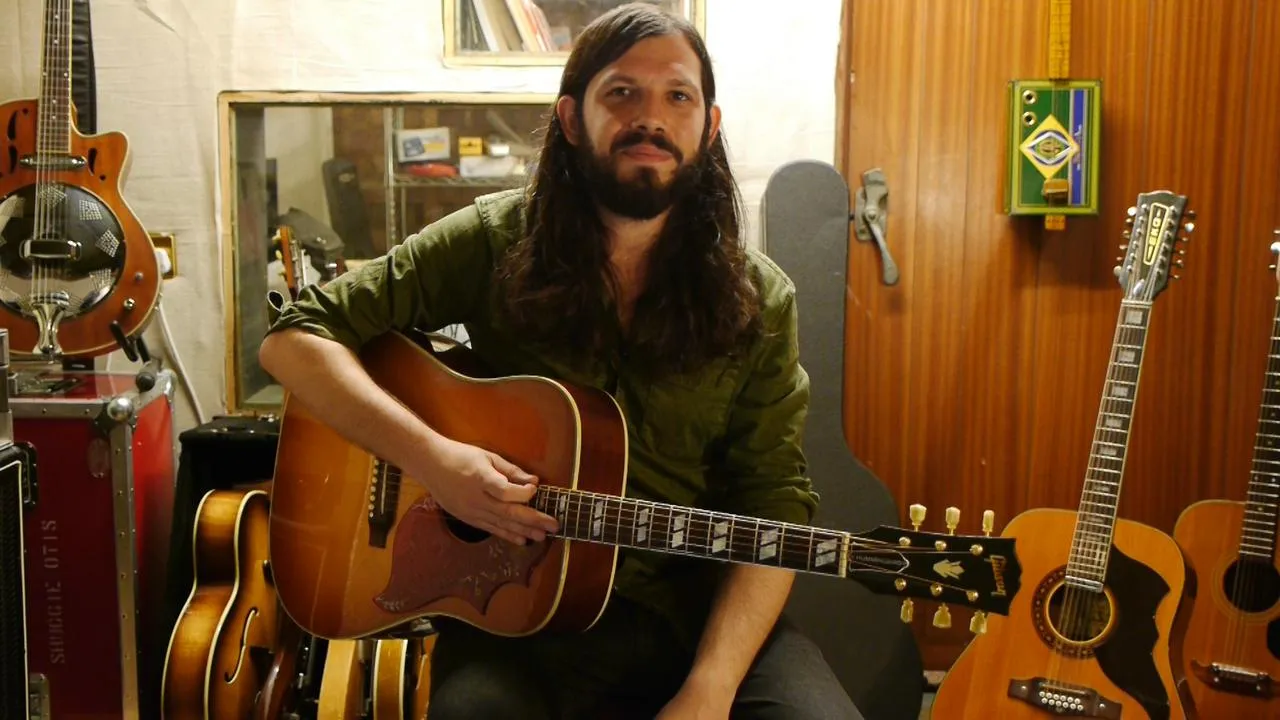
Marcus Bonfanti hat mit Ten Years After, Ginger Baker, Van Morrison, Ronnie Wood, David Gilmour und Nick Mason von Pink Floyd, Phil Manzanera von Roxy Music, Shuggie Otis und PP Arnold gearbeitet. Als seit über fünfzehn Jahren tätiger Berufsmusiker ist er um die Welt getourt und hat in vielen Genres aufgenommen, doch der Blues ist es, wo sein Herz schlägt und was er am besten kann. Er hat drei Soloalben veröffentlicht - allesamt zu den Alben des Jahres des Magazins Classic Rock gekürt - und ist mit Robert Cray, Chuck Berry, John Fogerty und Beth Hart getourt, mit Auftritten bei Festivals wie dem SXSW und der Legendary Rhythm & Blues Cruise. Nichts davon wäre möglich gewesen, ohne die Stunden zu investieren, um das Handwerk zu erlernen - und genau dafür sind seine Kurse da. Ob du eine Karriere in der Musik anstrebst oder einfach den Blues liebst und ihn besser spielen möchtest, Marcus ist hier, um dir zu helfen. read more