



Anfangen, deine Stimme zu finden
Nimm einen Blues-Song und kombiniere alle Elemente, über die wir gesprochen haben, um ein Solo-Arrangement daraus zu erarbeiten. Interessantes Comping hinter der Gesangslinie und ein Solo, das sich nicht auf die Akkorde stützt, aber interessant ist und die Struktur des Blues andeutet.
Das steckt im Kurs
9 Lektionen (1h 45m) · 1 gratis
01. So verzierst du deinen 12-Takt-Blues
10:42
02. Den Blues und den Turnaround erkunden
16:12
03. Rhythmus in den Blues bringen
15:28
04. Der Einsatz der Basslinie im Blues
12:54
05. Einführung ins Blues-Soloing - Teil 1
11:09
06. Einführung ins Blues-Solieren, Teil 2
11:59
07. Hybrid Picking
Gratis-Lektion13:16
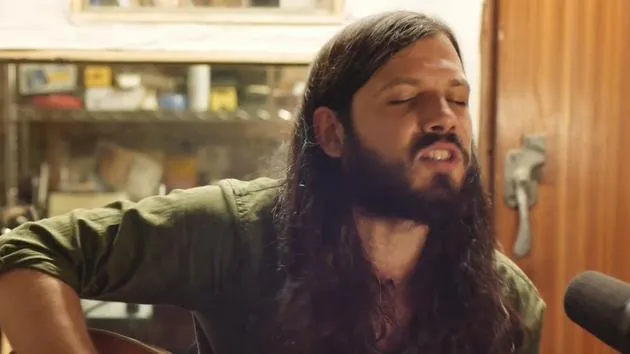
08. Darbietung von Mississippi John Hurt - Sliding Delta (Marcus' Arrangement)
2:04
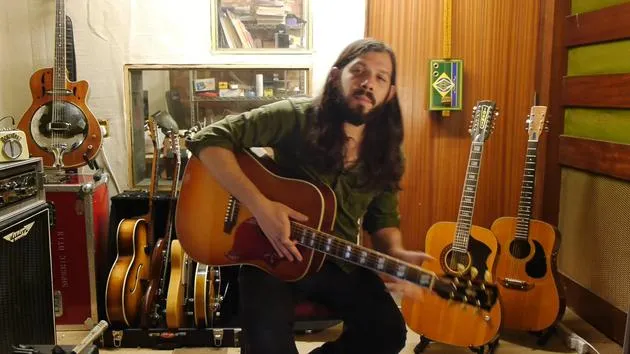
09. Anfangen, deine Stimme zu finden
Du bist hier11:31
Transkript der Lektion
Starting to Find Your Voice in the Blues
Hi, it's Marcus Bonfanti here, and thanks for tuning into this lesson. This is called Starting to Find Your Voice in the Blues. Basically, we've been leading up to the question: How do you sound like you?
Building on Techniques
We've talked through a lot of techniques already, and I hope you've been building on them and finding your own unique interpretations. There will be plenty more to expand on from this session. I don't want to baffle you with too much science; I want you to have fun playing live, performing for audiences, and discovering what works for you through experimentation. That's the essence of this journey!
The Focus of Today's Lesson
Today, we'll focus on:
- Finding your own voice
- Building a solo
- Approaching the concept of soloing
All of this ties together with the techniques we've discussed previously.
The 12-Bar Solo
Let's go to the key of A, as we started in A, so let's finish in A. You might be given a 12-bar solo, right?
Slow Blues Example
- We'll focus on one feel for this lesson: let's do it as a slow blues so you can really hear the different ways we can approach it.
You can approach a 12-bar solo in many ways. There's no right or wrong method:
- Some people like to start a solo quietly and build it up into a frenzy.
- Others might come in strong right from the beginning.
Different guitarists utilize these techniques to achieve various effects. We'll talk about the approach and how to use some of the licks we've previously discussed.
Note: We'll play this in G, as that's where we did most of the soloing.
The Creative Process
I'll play a little solo, focusing less on theory and more on what I'm trying to achieve with my playing. Here we go:
1, 2, 3... (plays a solo)
There were a few techniques in there without too much theory, just playing certain notes. This ties back to what we covered in Soloing Parts One and Two.
Emphasizing the Guitar's Range
Remember, one of the beautiful aspects of the guitar is that a single note, like E, is available in multiple places on the neck. This opens new possibilities for your solos!
For example, with:
- The lick we used previously, consisting of:
- Fifth to the sixth to the first
Different positions create different sounds:
- Higher tones on the unwound strings can be quite sharp.
- Playing in the middle of the neck tends to produce a more mellow sound.
Conveying Emotion
Consider what you're trying to convey with your solo:
- Are you aiming for beauty?
- Are you seeking a fiery or angrier feel?
The tension you create is just as important.
The Minor Third to Major Third Shift
An important aspect of blues soloing is the shift from:
- Minor third to major third
This creates tension and release, key elements in building your solos. You can also employ slightly tenser notes, which add depth to your playing, like this G chord:
(Plays the G chord)
Breaking Out of Up and Down Patterns
To add interest to your solos, aim to break away from the typical up-and-down movement.
Techniques for Lateral Playing
Let's explore techniques that allow you to play more linearly across the neck, resulting in flowing solos:
- Learn small things in small chunks and then apply them in real scenarios.
- Emphasize lateral movement as you play.
For instance, with bends, you can make a simple scale sound more musical:
- (Demonstrates bends)
Applying Chord Approaches
Recall the early lessons where we talked about:
- Approaching chords from the note below and the note above.
- Utilizing chord slides.
These techniques enhance your lead lines.
Final Solo Over Quicker Blues
Let's play a little solo over a slightly quicker blues. Pay attention to the lateral movements:
1, 2, 1, 2... (plays solo)
I'll play the scale again to solidify your understanding. Remember, it's all about finding your own voice in the blues. Interpret the music in a way that feels right to you!
Last Notes
Here's that blues scale once more, including the extension. Keep practicing this to help with lateral playing.
- These little shifts up the neck provide you with more options and create interesting compositions.
As we proceed through this course, we'll delve deeper, but it all flows back to this foundational sound. Just remember to embrace the lateral approach, step outside the box, and you've taken a significant step towards your unique voice in this genre. Happy playing!
9 Lektionen
1 Std. 45 Min. strukturierte Videolektionen
Erweiterte Videofunktionen
Verlangsamen, Passagen loopen, mitlesen
Handy, Tablet & Desktop
Üben, wo du willst
100 % Zufriedenheitsgarantie
30 Tage Geld-zurück-Garantie
Lern deinen Guru kennen

Lern deinen Guru kennen
Marcus Bonfanti hat mit Ten Years After, Ginger Baker, Van Morrison, Ronnie Wood, David Gilmour und Nick Mason von Pink Floyd, Phil Manzanera von Roxy Music, Shuggie Otis und PP Arnold gearbeitet. Als seit über fünfzehn Jahren tätiger Berufsmusiker ist er um die Welt getourt und hat in vielen Genres aufgenommen, doch der Blues ist es, wo sein Herz schlägt und was er am besten kann. Er hat drei Soloalben veröffentlicht - allesamt zu den Alben des Jahres des Magazins Classic Rock gekürt - und ist mit Robert Cray, Chuck Berry, John Fogerty und Beth Hart getourt, mit Auftritten bei Festivals wie dem SXSW und der Legendary Rhythm & Blues Cruise. Nichts davon wäre möglich gewesen, ohne die Stunden zu investieren, um das Handwerk zu erlernen - und genau dafür sind seine Kurse da. Ob du eine Karriere in der Musik anstrebst oder einfach den Blues liebst und ihn besser spielen möchtest, Marcus ist hier, um dir zu helfen.







