



Einführung ins Blues-Soloing - Teil 1
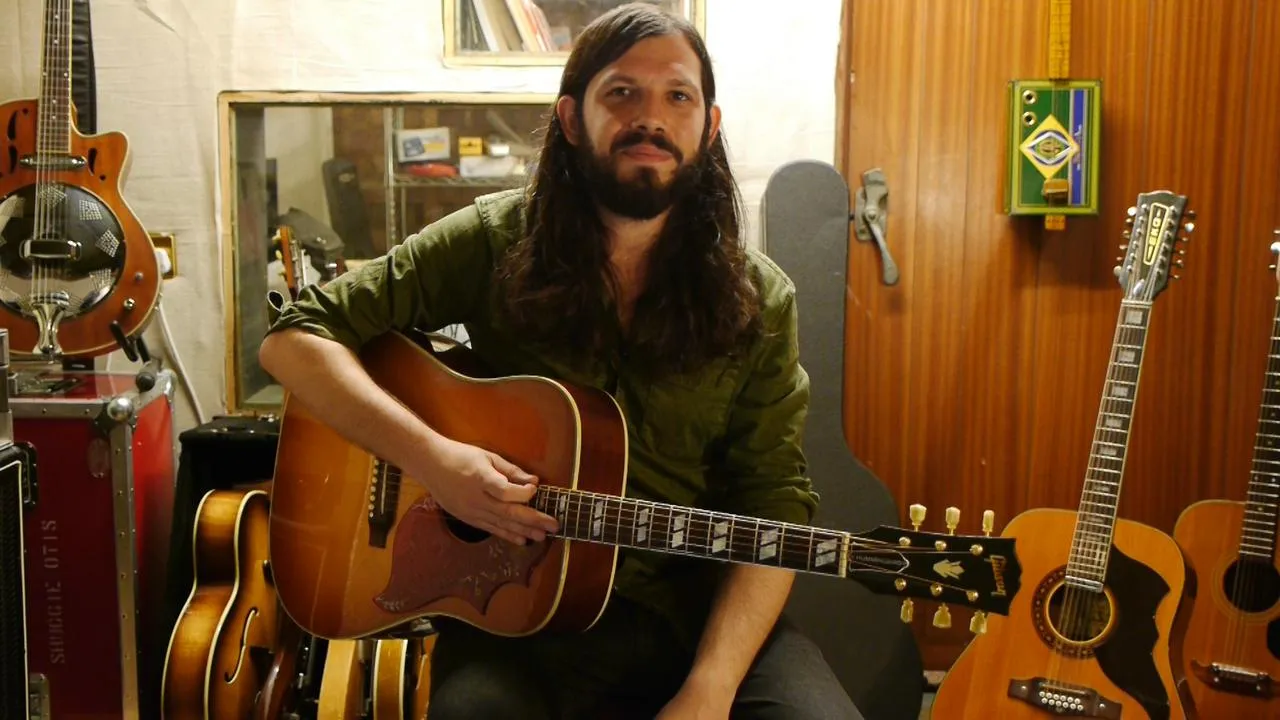
Marcus Bonfanti beginnt eine zweiteilige Einführung ins Blues-Soloing und hält es einfach, um ein solides Fundament zu schaffen, bevor es an fortgeschritteneres Material geht.
Das steckt im Kurs
9 Lektionen (1h 45m) · 1 gratis
01. So verzierst du deinen 12-Takt-Blues
10:42
02. Den Blues und den Turnaround erkunden
16:12
03. Rhythmus in den Blues bringen
15:28
04. Der Einsatz der Basslinie im Blues
12:54
05. Einführung ins Blues-Soloing - Teil 1
Du bist hier11:09
06. Einführung ins Blues-Solieren, Teil 2
11:59
07. Hybrid Picking
Gratis-Lektion13:16

08. Darbietung von Mississippi John Hurt - Sliding Delta (Marcus' Arrangement)
2:04
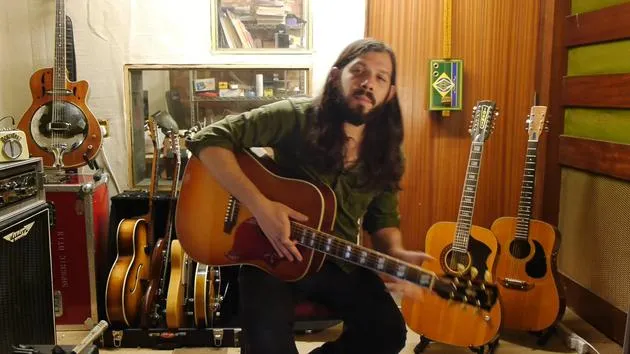
09. Anfangen, deine Stimme zu finden
11:31
Transkript der Lektion
Introduction to Soloing - Part One
Hi, this is Marcus Bonfanti again, and thanks for tuning in to this lesson. I hope you've enjoyed the previous ones.
Overview
This lesson is called Introduction to Soloing, and it is a two-part lesson. This is part one, and I'm going to keep it quite basic. As we get into soloing, we will discuss a lot of advanced topics, but having a solid understanding of the basics is essential.
If there are parts of the course that I've skated over that you wish I'd elaborated on, you can always get in touch through the website, and we can explore any part of the course you'd like.
Blues Soloing
Now, when we talk about blues soloing, I imagine this is really what you all came here for. I have a lot of fun playing chords, and I hope you do too, but this is one of those areas where finding your voice in the blues comes into play.
You want to express yourself and sound like a unique player. There are plenty of fantastic guitar players from whom we can learn, and we should always keep our ears open to these influences. However, trying to copy someone note for note and for the same tone should not be the endgame. It's crucial that we seek to find our own voice, what do you sound like as a blues player?
The G Blues Scale
We're going to change the key for this lesson to G. I don't know why, but I just like G. We're going to run down a very simple blues scale, which is a variation on the pentatonic scale. You probably already know this, but let's go through it slowly.
- We're in the key of G:
- The scale runs from G to G,
- Focus on that important note in there.
I'll run it one more time and come back down. Remember, you can find this scale in a lot of music, and there are smaller variations you can do depending on the chord you're playing.
Finding Your Own Voice
It's also fun to experiment as there are no rules in this process. Certain things sound good, and you can't always explain why.
One of my favorite guitar solos is by Buddy Guy from the Stevie Ray Vaughan tribute gig at Austin City Limits. In the key of E, he plays a note and holds it for the entire 12-bar chorus of a slow blues, bending it up to where it needs to be. No book or teacher will teach you that technique, it's about finding your own voice.
Key Points
- Take everything I'm teaching you here as a guide.
- There are no right or wrong ways to play.
Variations and Techniques
Let's look at a couple of variations you can do within that scale. We'll keep this basic for now, and we'll move on to more advanced stuff in the second part.
String Bending
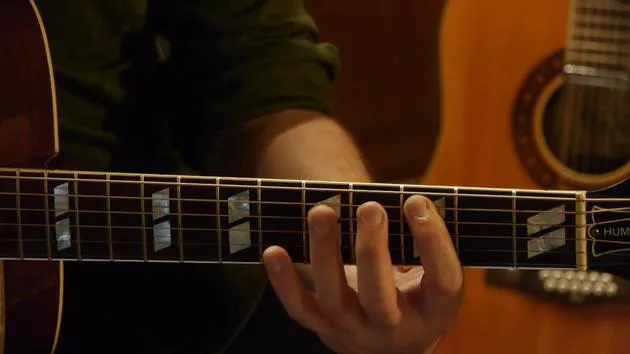
String bending is an essential technique we will talk a lot about in this course. Here's a quick overview:
- Bending the String:
- Fret the note and then bend the string.
- Different guitars have different actions and setups, which affect how easy/hard it is to bend a string.
- Get as many fingers as you can behind the bend: This provides strength to your bend.
- Try using your third finger for bends as well, but remember: the more fingers you have behind the bend, the stronger it will be.
Experimenting
Start exploring variations on this very basic scale. When you hear a sequence, allow yourself to have fun and create music. Don't be afraid to mess up; sometimes that's where you find the magic.
I'll play a few little variations over the G chord so you can see how it all comes together.
Recap
- We looked at the G blues scale and where you can bend.
- Not everything will sound great, and that's okay!
- Your goal should be to develop your own licks rather than just copying mine.
Conclusion
To wrap up, I'll play a few little licks within a blues sequence so you can see how this all fits together.
So, here we go:
1, 2, 1, 2, 3...
Try it for yourself! Experiment with a few blues licks, and you'll find you're playing the blues in no time.
9 Lektionen
1 Std. 45 Min. strukturierte Videolektionen
Erweiterte Videofunktionen
Verlangsamen, Passagen loopen, mitlesen
Handy, Tablet & Desktop
Üben, wo du willst
100 % Zufriedenheitsgarantie
30 Tage Geld-zurück-Garantie
Lern deinen Guru kennen

Lern deinen Guru kennen
Marcus Bonfanti hat mit Ten Years After, Ginger Baker, Van Morrison, Ronnie Wood, David Gilmour und Nick Mason von Pink Floyd, Phil Manzanera von Roxy Music, Shuggie Otis und PP Arnold gearbeitet. Als seit über fünfzehn Jahren tätiger Berufsmusiker ist er um die Welt getourt und hat in vielen Genres aufgenommen, doch der Blues ist es, wo sein Herz schlägt und was er am besten kann. Er hat drei Soloalben veröffentlicht - allesamt zu den Alben des Jahres des Magazins Classic Rock gekürt - und ist mit Robert Cray, Chuck Berry, John Fogerty und Beth Hart getourt, mit Auftritten bei Festivals wie dem SXSW und der Legendary Rhythm & Blues Cruise. Nichts davon wäre möglich gewesen, ohne die Stunden zu investieren, um das Handwerk zu erlernen - und genau dafür sind seine Kurse da. Ob du eine Karriere in der Musik anstrebst oder einfach den Blues liebst und ihn besser spielen möchtest, Marcus ist hier, um dir zu helfen.







