



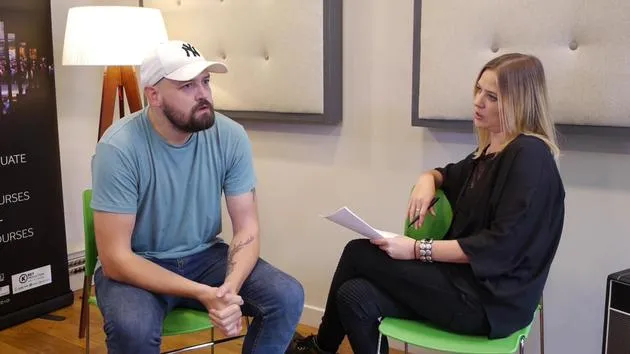
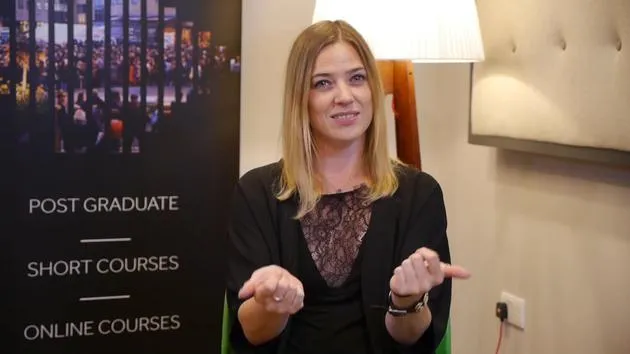
Interview mit Shaodow
Das steckt im Kurs
21 Lektionen (3h 15m) · 1 gratis
Transkript der Lektion
Maximizing Revenue as an Artist: Merchandise and Manufacturing
So now that you know how to build a database, you understand the importance of a website and how to use social networks. There are different ways you can utilize those to bring in revenue as an artist.
In this next section, we will look at both merchandise and manufacturing and figure out how you can make some money. Next up, we're going to speak to Xiaodo, an artist doing some interesting things with branding and merchandise.
Introduction to Xiaodo
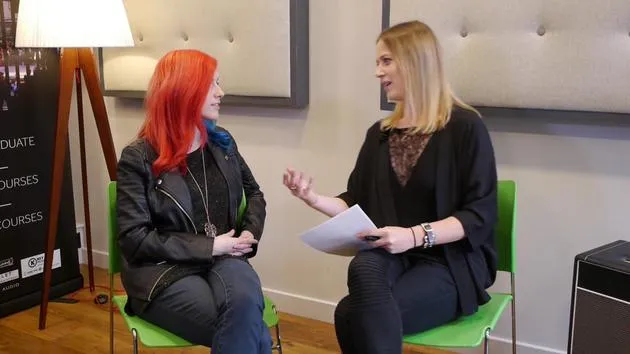
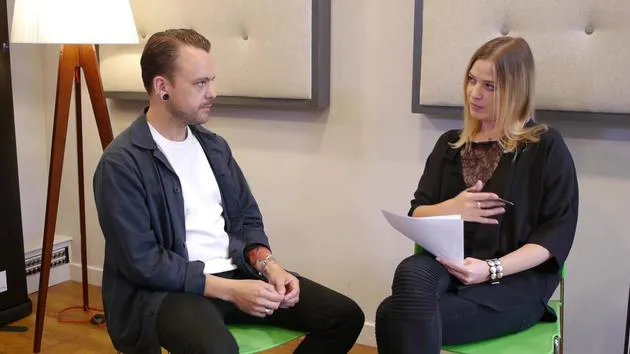
Interviewer: Thank you so much for joining us today.
Xiaodo: Thank you for having me.
Interviewer: Before we dig into this, can you tell us a little about what you're doing?
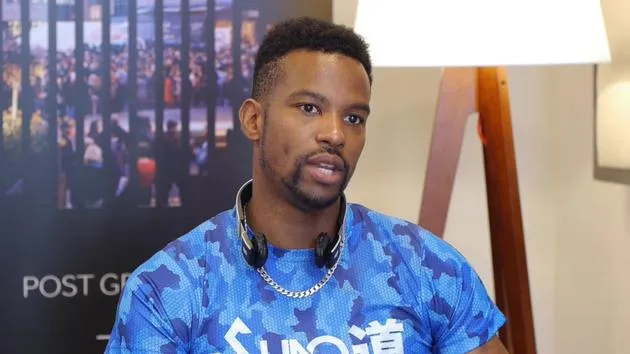
Xiaodo: Yeah, sure. I am a professional full-time rapper and music artist, perhaps an entrepreneur as well. I live entirely off my music and merchandise. I've also written a book, a manga series, kind of like a Japanese comic book. I run the UK's first pop-up shops owned by artists in major shopping centers across the country. It's a pop-up store that sells my merchandise, music, and my headphone brand, which is almost sold out now, but it's still available, along with the book.
Revenue Streams and Merchandise
Interviewer: So you have a lot going on! What would you say is your main source of income?
Xiaodo: I would say probably physical sales of music and merchandise. My CDs sell very well, and I also sell USB wristbands, which do well. The manga book is something I want to promote alongside those.
The Manga Book
Interviewer: You mentioned the manga book, I'm intrigued! Can you talk us through it?
Xiaodo: Sure! It's set in a world where musicians have special powers and abilities based on the number of fans and supporters they have. The general premise follows a reimagining of myself as I build my way through the music industry. The idea is to explore how to create a sustainable fan base, the ups and downs of being an independent full-time musician, and how difficult it really is, rather than just showing all the fun aspects seen in music videos.
Merchandise Details
Interviewer: Sounds fascinating! Regarding merchandise, what do you offer?
Xiaodo: I have a wide range of T-shirts. It started off simple, but now I do glow-in-the-dark T-shirts and more. I offer jumpers, snapbacks, beanies, hoodies, wristbands, and headphones.
Collaborating on Headphones
Interviewer: Headphones! That's interesting. What made you go into that?
Xiaodo: I like to listen to music, and I enjoy having my name on things. It was kind of random. I stumbled into a photo shoot for a new headphone brand, met the owner, and after talking, I received a pair for myself. My fans liked them and wanted to buy them too, leading to a natural collaboration for mass production.
Understanding Sales and Trends
Interviewer: Do specific items sell better than others?
Xiaodo: Surprisingly, the CDs sell extremely well, especially signed ones. I think people see them as collector's items. The merchandise has also stepped up significantly recently.
Interviewer: How do you choose the items to sell?
Xiaodo: I go for items I personally think are cool. If I would wear it myself, then it makes sense. I choose colors and styles I believe my fan base would appreciate too.
Building a Fan Base
Interviewer: How did you originally build your fan base?
Xiaodo: It all started while I was in university. I went out on the streets with a bag of CDs, talking to people to sell them. From there, I invested that money into T-shirts, then snapbacks, and eventually jumpers and hoodies.
Pop-Up Shops in Shopping Centers
Interviewer: How did the idea of pop-up shops in shopping centers come about?
Xiaodo: It was always something I wanted to do. My business partner Zuby and I were at a basketball game in Sheffield. Some players wanted to buy headphones, so we thought it'd be cool to have a setup where we could display all our merchandise properly instead of carrying it around in backpacks. I made some calls, and it went well from there.
Selling Merchandise Online
Interviewer: How do you sell your merchandise digitally?
Xiaodo: My own website is the best way. I own that, so I keep all the customer information and don't have to split income. I also have a mailing list to notify fans when new items come out.
Social Networking and Promotions
Interviewer: Do you utilize social networks to promote your merchandise?
Xiaodo: Not so much, actually. I don't like to forcibly sell online. The stores do so well that I often run out of merchandise. I prefer selling in person, making personal connections with people.
Lessons Learned
Interviewer: What's the biggest lesson you've learned so far?
Xiaodo: No doesn't always mean no. It's very contextual. After receiving a rejection from Tech9's booking agent, I proposed selling tickets. If I sold all of them, I could perform. It worked out, sometimes you have to find a way to make it happen.
Inspirations and Business Model
Interviewer: Was there anyone who inspired you?
Xiaodo: Yes, Tech9 inspired me regarding the merchandise aspect. The planning happened organically as I made music and thought it'd be cool to create T-shirts, which people started to like.
Conclusion
Interviewer: Is there anything you've tried that didn't work?
Xiaodo: Not really, if something didn't work, I found a way to make it work or tweaked it to suit better.
Interviewer: Why do you think this revenue model works for you?
Xiaodo: I love talking to people and happen to be quite good at sales. I focus on innovation and doing things differently.
Thank you, Xiaodo, for your insights today!
For more information about Xiaodo and his merchandise, check out:
- Website: diygang.co.uk
- Social Media: @shadowmusic on Facebook, Twitter, Instagram, and YouTube.
"Happy to talk!"
21 Lektionen
3 Std. 15 Min. strukturierte Videolektionen
Erweiterte Videofunktionen
Verlangsamen, Passagen loopen, mitlesen
Handy, Tablet & Desktop
Üben, wo du willst
100 % Zufriedenheitsgarantie
30 Tage Geld-zurück-Garantie
Lern deinen Guru kennen

Lern deinen Guru kennen
Sammy Andrews ist die Gründerin und CEO von Deviate Digital, einer Digitalstrategie-Agentur, die Künstlern, Labels und Musikunternehmen dabei hilft, Publikum aufzubauen und online ihren Lebensunterhalt zu verdienen. Sie ist eine der offensten Stimmen der britischen Musikbranche zu Streaming, Daten und digitaler Wirtschaft und eine langjährige Verfechterin der Rechte von Künstlern – unter anderem durch ihre Arbeit mit der Featured Artist Coalition.
In diesem Kurs schlüsselt sie auf, woher das Geld für aktive Künstler heute wirklich kommt: die Einnahmequellen, die Rechte, die ihnen zugrunde liegen, und die praktischen Schritte, mit denen du sicherstellst, dass du fair bezahlt wirst.







