



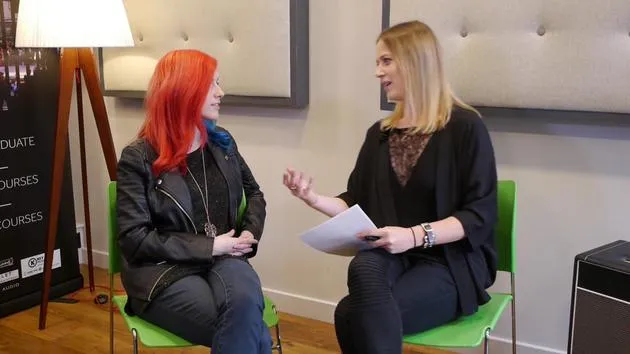
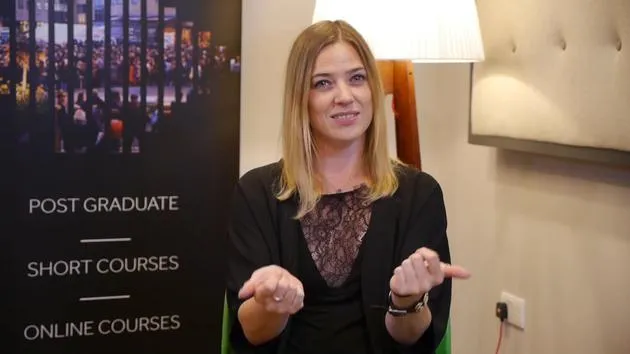
Interview mit Chris McIntosh
Chris McIntosh – Künstler und Verleger bei Centric – erklärt, warum Musikverlage wichtig sind, wie Tantiemen und Sync-Deals ausgezahlt werden und warum du deine Musik registrieren musst.
Das steckt im Kurs
21 Lektionen (3h 15m) · 1 gratis

Transkript der Lektion
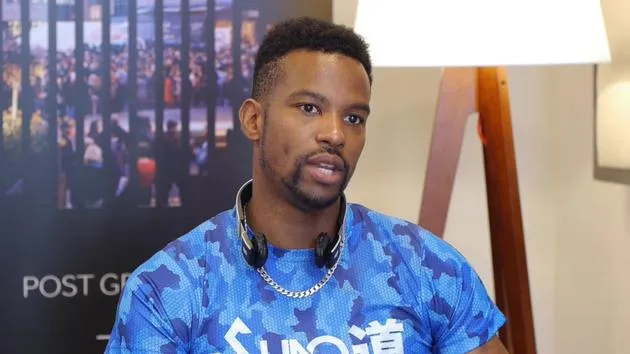
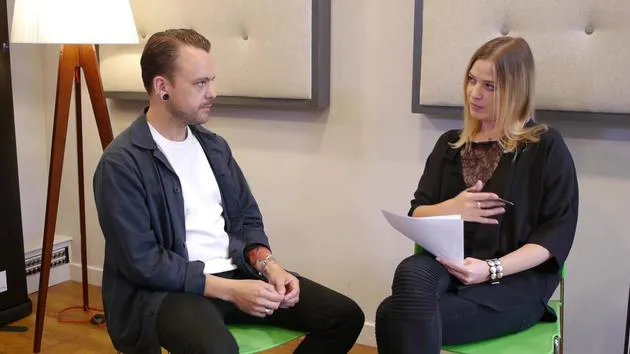
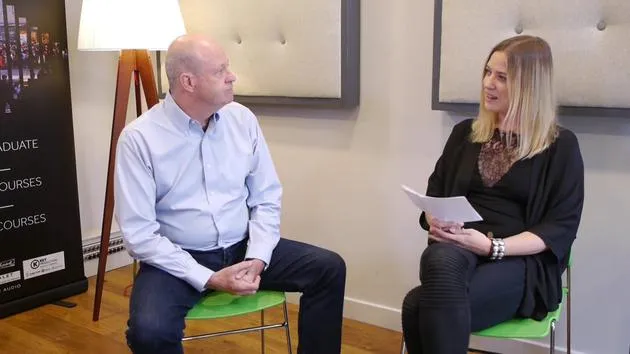
Music Publishing Insights with Chris McIntosh
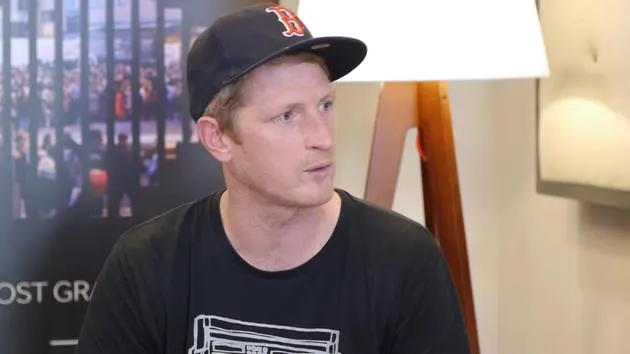
Next up, we're going to talk to Chris McIntosh, who is both an artist and works for Centric. He's going to talk you through quite a few important topics:
- Why music publishers are important
- What royalties are and how you get paid
- What sync (or synchronization) is and how lucrative that can potentially be
- Why it's essential to register your music
Introduction
Chris: Thank you for joining us. You're very welcome. Nice to be here.
Interviewer: Could you start by telling us a little about your artistry as well as what Centric does and who they are?
Centric's Role
Chris: Centric offers artists a very flexible, artist-friendly publishing deal.
- Flexibility: We don't ask our artists to sign a long-term contract.
- We operate on a 28-day rolling agreement. This means that at any point, the artist can give us 28 days' notice and we sever all ties with the music. Essentially, they never really give up the copyright; we represent it for as long as they want us to.
Key Functions
-
Registration: While we represent the music, we take the songs and register them with performing rights organizations in over 65 different territories globally. This ensures that their music is protected wherever it's being streamed, broadcast, or played live.
-
Generating Royalties: We make sure that any royalties generated by the band are returned accurately and quickly because we register the songs directly.
Sync Team
- We have an awesome sync team that has developed relationships with top music supervisors over the last 10 years.
- Their job is to match artists' music with:
- TV advertisements
- Computer games
- TV programs
- Films
They've had great success recently, including placements with Mercedes Benz during the World Cup and numerous songs featured in Love Island and Dolce and Gabbana campaigns.
Pitfalls of Publishing
Interviewer: Can you tell me about some pitfalls of publishing?
Chris: The main pitfall in publishing is signing away your rights for a long period or giving up too much of your writing credits. This often leads to artists ending up on bad deals. At Centric, we aim to change this by ensuring our artists don't give away too many rights and never sign away their rights for an extended period.
Understanding Royalties
Interviewer: On a basic level, how do royalties work for artists?
Chris: Many artists, especially emerging ones, don't realize how much royalties they generate just by being in a band.
Key Points About Royalties
-
Live Gigs: Every gig you play generates royalties. Venues pay a PRS license each year, and you're entitled to a slice of that.
- Even the smallest pub gig can yield around £5.
- If you play 100 gigs a year, that's £500 in your pocket!
-
Streaming and Broadcasting: Every time your music is streamed or broadcasted on radio or TV, you generate royalties. It's crucial for artists to ensure someone is collecting that for them.
Income Sources for Artists
Interviewer: As an artist, what's your main form of income at the moment?
Chris: My main form of income is from syncs, as we've landed a few big ones recently.
Examples of Syncs
-
We did the theme music for BT Sport's Premier League, which many people will recognize. This opportunity came about because last year they used our music in highlight reels. They invited us to cover their theme music, and we were selected.
-
This sync finances our next recording session and helps cover day-to-day band expenses.
The Importance of Syncs
Interviewer: Syncs seem to be a valuable source of income. Can you talk about that a bit more?
Chris: Absolutely! Many people entering the industry may not realize sync revenue options. Even with Centric and other publishers, part of their role is to help artists get their music placed in various media.
Changes in the Industry
-
Streaming vs. Syncs: With less money in recorded music sales, most income comes from gigs and syncs. There are many agencies specializing in sync because it's lucrative.
-
Content Demand: While streaming has lowered traditional music income, it has created demand for music in new content, such as Netflix and Amazon shows.
Exposure through Syncs
-
Sync opportunities can significantly boost an artist's exposure. Many have gained immense popularity after being featured in a film or show, leading to increased streaming numbers and interest from record labels.
-
Centric Music has great relationships with music supervisors from Made in Chelsea, which has proven beneficial for our artists. The show was the most shazammed in the UK last year!
Sync Briefs
Interviewer: What are music supervisors looking for in syncs?
Chris: The world of sync is highly competitive, with many bands vying for the same brief. Music supervisors often have very specific requirements:
- They seek out bands with a profile to tap into the next big thing.
- It's vital for the right stars to align; all songwriters must agree for a sync to happen.
Examples of Specific Briefs
-
Sometimes briefs can be very niche, e.g., an "afrobeat acoustic song about sponge cake."
-
It's not uncommon for brands to create soundalikes of popular songs if they can't afford the original due to the high costs involved.
The Need for a Publisher
Interviewer: On a basic level, why does an artist need a publisher?
Chris: It's crucial for an artist to work with a publisher, especially one like Centric, for several reasons:
-
Freedom: Our contracts are not long-term, allowing artists the freedom to manage their music.
-
Protection: We help protect the intellectual property of the songs. Once you create a song, you can't predict its future success, so getting everything registered with the right organizations (like PRS, PPL, and MCPS) is essential.
This ensures artists are protected and accounts for potential disagreements or disputes later down the line.
Conclusion
It's always best to have everything sorted out from the beginning to ensure protection throughout your career.
21 Lektionen
3 Std. 15 Min. strukturierte Videolektionen
Erweiterte Videofunktionen
Verlangsamen, Passagen loopen, mitlesen
Handy, Tablet & Desktop
Üben, wo du willst
100 % Zufriedenheitsgarantie
30 Tage Geld-zurück-Garantie
Lern deinen Guru kennen

Lern deinen Guru kennen
Sammy Andrews ist die Gründerin und CEO von Deviate Digital, einer Digitalstrategie-Agentur, die Künstlern, Labels und Musikunternehmen dabei hilft, Publikum aufzubauen und online ihren Lebensunterhalt zu verdienen. Sie ist eine der offensten Stimmen der britischen Musikbranche zu Streaming, Daten und digitaler Wirtschaft und eine langjährige Verfechterin der Rechte von Künstlern – unter anderem durch ihre Arbeit mit der Featured Artist Coalition.
In diesem Kurs schlüsselt sie auf, woher das Geld für aktive Künstler heute wirklich kommt: die Einnahmequellen, die Rechte, die ihnen zugrunde liegen, und die praktischen Schritte, mit denen du sicherstellst, dass du fair bezahlt wirst.







