



Pentatonische Tonleitern Teil 2
Mit
Chris HaighChris Haigh geht über das reine Auf- und Abspielen pentatonischer Tonleitern hinaus und macht daraus Patterns, die du beim Improvisieren wirklich nutzen kannst.
Das steckt im Kurs
26 Lektionen (1h 53m) · 1 gratis
Transkript der Lektion
Exploring Pentatonic Scales
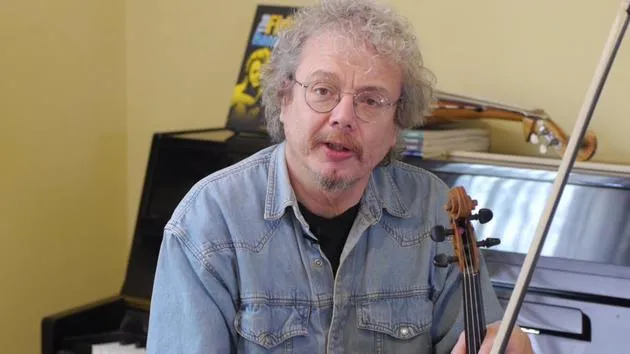
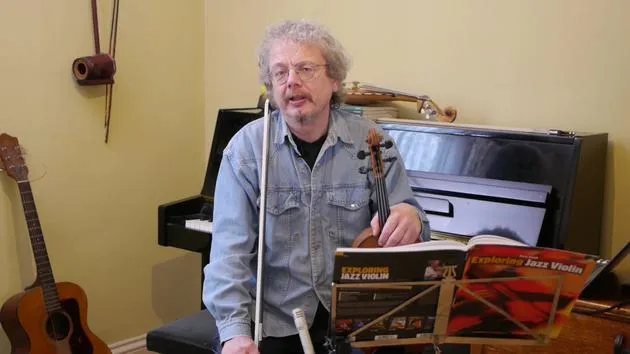
In this lesson, we're going to delve deeper into the use of pentatonic scales.
So far, we've used them simply as scales. This is something you would rarely do when you're actually improvising. Therefore, we're going to find ways to make them more interesting and useful.
Scale Patterns
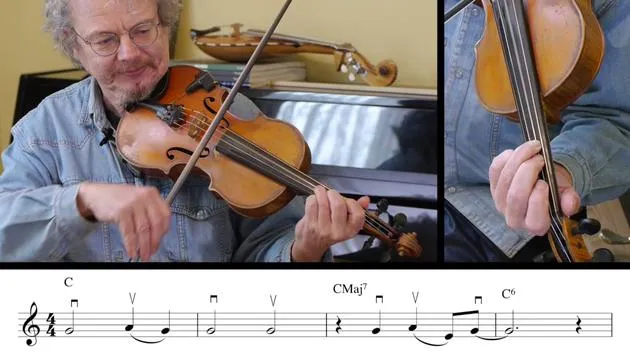
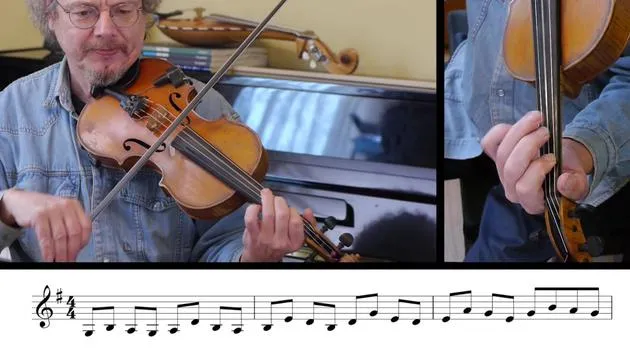
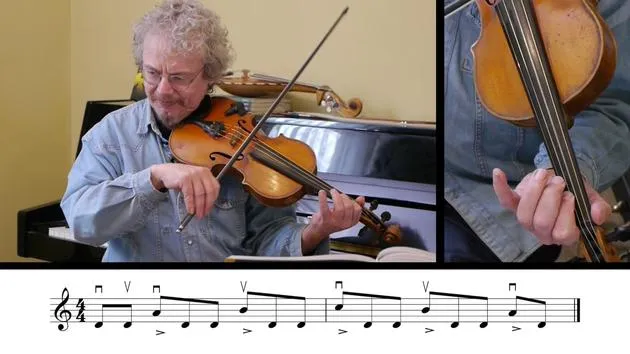
As with the major scale, we saw that you can create scale patterns, and that's something we'll have a go at. Here are some examples:
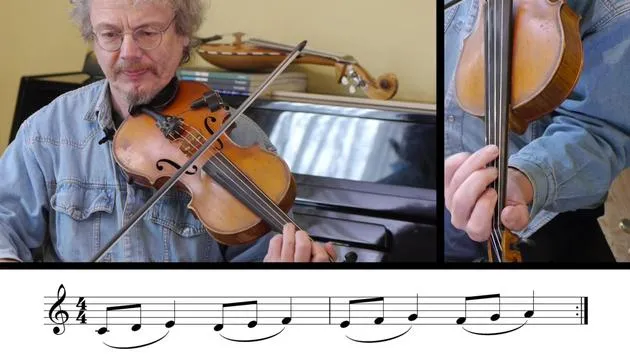
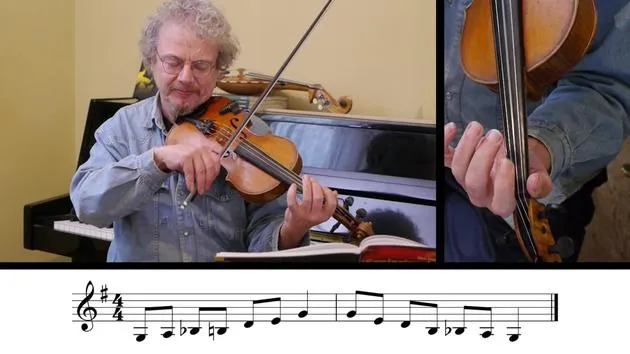
- Basic Pattern: Miss out a note each time, like this.
- Ascending and Descending: Take a step up and then three steps down.
Interestingly, the downward pattern often seems more useful and musical than the upward one.
To add more speed and movement, we can use triplets. You can achieve an even greater sense of movement with a semiquaver pattern, such as this.
Practicing with "Mind the Gap"
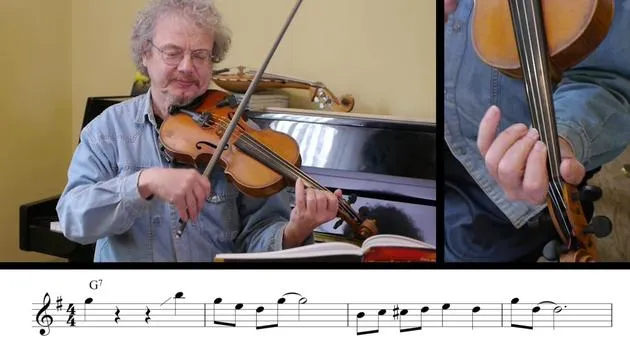
Now, let's try applying these pentatonic patterns. We'll go back to the tune "Mind the Gap," and I'll demonstrate some of these patterns.
Major and Minor Pentatonics
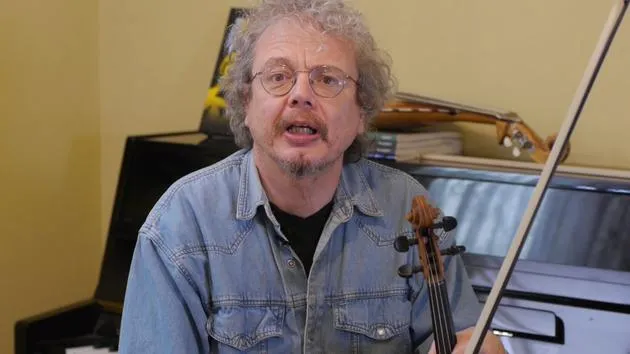
There are minor as well as major pentatonics, but fortunately, you don't have to learn a whole different set of scales.
- Every major pentatonic has a relative minor that starts a minor third below, just as every major scale has a relative minor scale.
- For example, for G major, the relative minor is E minor.
Thus, the E minor pentatonic scale and the G major pentatonic scale coincide, which is very helpful.
Creating Melodic Patterns
So far, we've looked at the scales themselves. With the pentatonic scale, any adjacent group of notes will create an acceptable melodic pattern.
Example Patterns
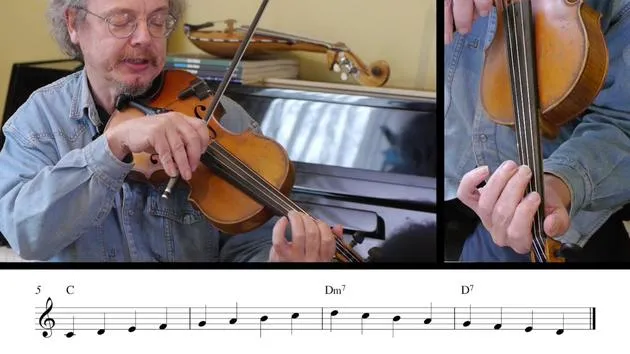
- Here's a simple pattern: (insert your example).
- Lastly, here's a tune with a much more challenging chord sequence.
Exploring "Glass Slippers"
Unlike "Mind the Gap," you can't play the same scale all the way through for this tune, "Glass Slippers." This piece effectively has three different keys:
-
A Section: All in D
- The D major pentatonic will work fine throughout this section.
-
B Section:
- First four bars: In E flat
- Second four bars: In D flat major
Soloing Over Chord Sequences
So, how are we going to solo over this chord sequence?
- For the A section, play fragments of the scale or melodic fragments in D major pentatonic. That should be fairly straightforward.
- For the first four bars of the B section, switch to the E flat major pentatonic.
- Then for the D flat major, this is a very difficult key. Unless you use the pentatonic finger patterns we described earlier, you might find it quite challenging.
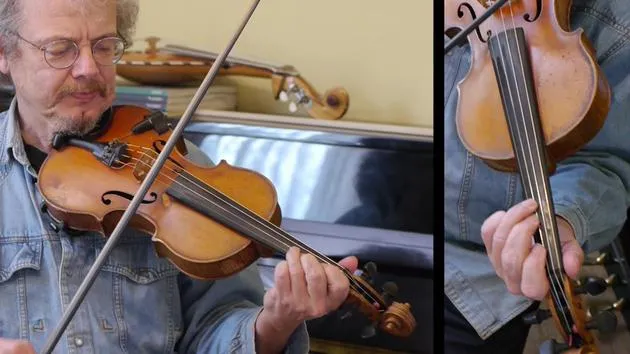
However, using that finger pattern starting on the first finger on the D flat, you should find it relatively easy.
At this stage, you don't need to understand or worry about the chords. Just make sure you play the right pentatonics in the right places.
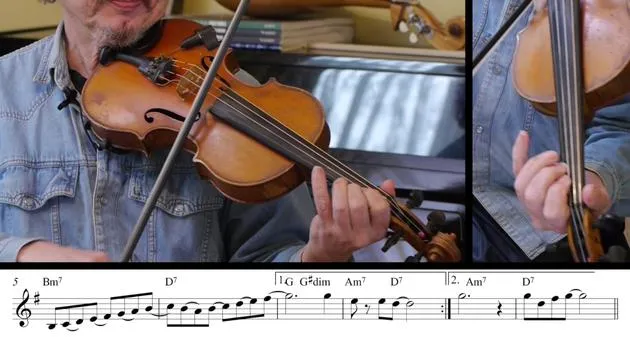
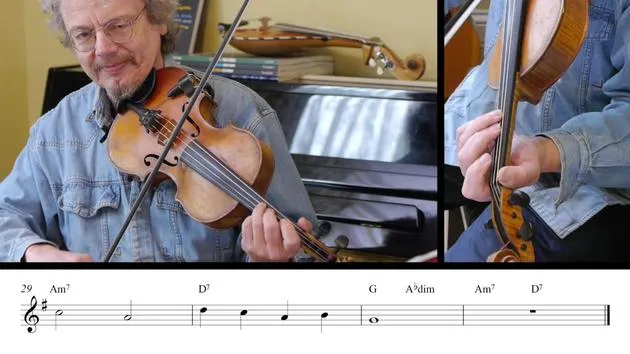
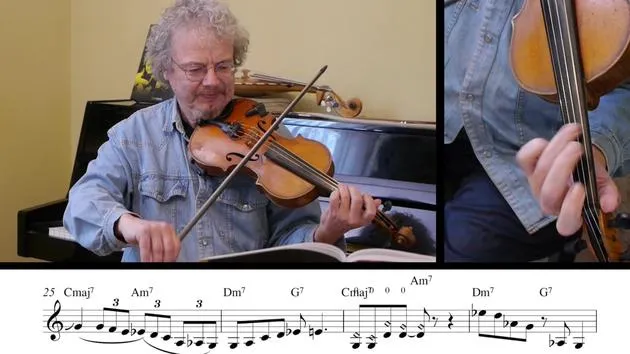
Here's an example of that approach to soloing played over "Glass Slippers."
26 Lektionen
1 Std. 53 Min. strukturierte Videolektionen
Erweiterte Videofunktionen
Verlangsamen, Passagen loopen, mitlesen
Handy, Tablet & Desktop
Üben, wo du willst
100 % Zufriedenheitsgarantie
30 Tage Geld-zurück-Garantie
Lern deinen Guru kennen
Lern deinen Guru kennen
Chris Haigh ist seit 25 Jahren professioneller Fiddle-Spieler mit Erfahrung in vielen verschiedenen Genres. Er hat auf über 75 Alben gespielt und dabei mit Künstlern wie Alison Moyet, Bob Geldof, All About Eve, Michael Ball, David Soul, Oumou Sangare, The Quireboys, Riverdance, Morcheeba, James Galway und Steps zusammengearbeitet.
Er hat Swing-Jazz mit The Kimbara Brothers, Diz Disley, Le Jazz, The Hot Club of London und den Quecumbar Allstars gespielt und leitet die siebenköpfige sowjetische Swing-Band The Kremlinaires.
Chris gibt Unterricht und Workshops zur Jazzgeigen-Technik und hat Jazzgeige an den Universitäten Middlesex, Brunel und Newcastle sowie am Truro College unterrichtet. Zu seinen Veröffentlichungen zählen neun Fiddle-Bücher, darunter The Fiddle Handbook.
Außerdem betreibt er Fiddling Around (fiddlingaround.co.uk), vermutlich die umfassendste und meistbesuchte Quelle für Fiddle-Wissen im Netz.







