



Crop Duster, Kit Morgan (Lesson)
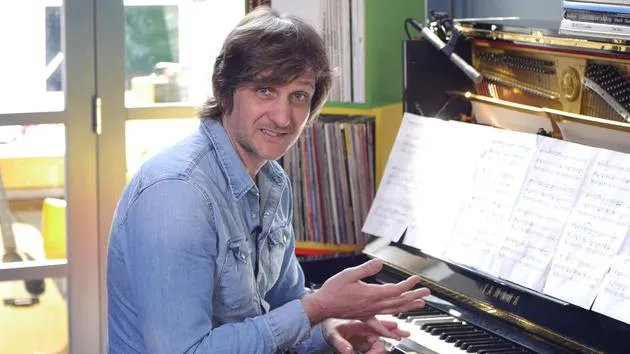
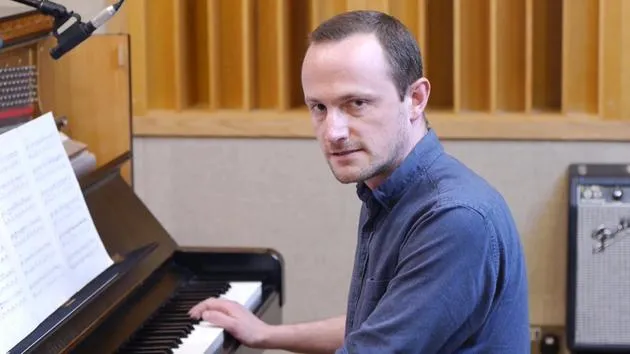
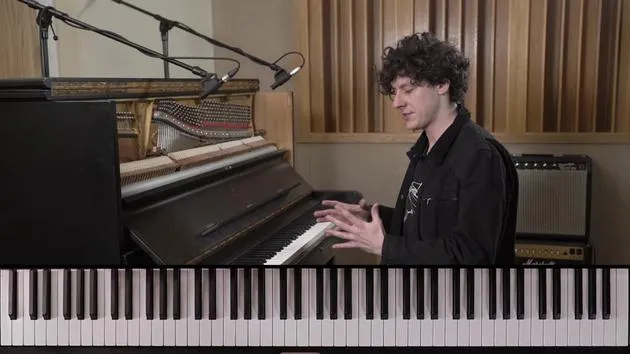
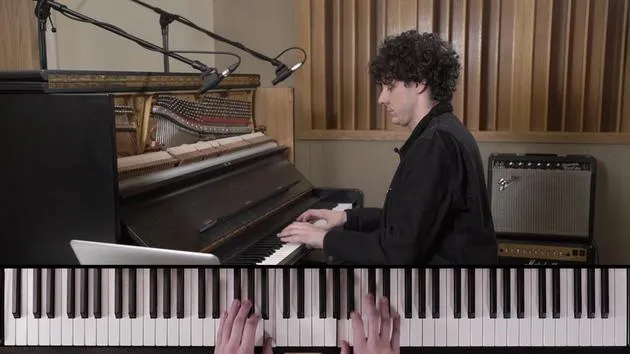
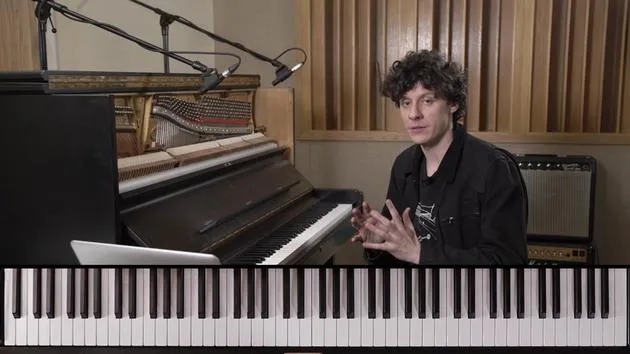
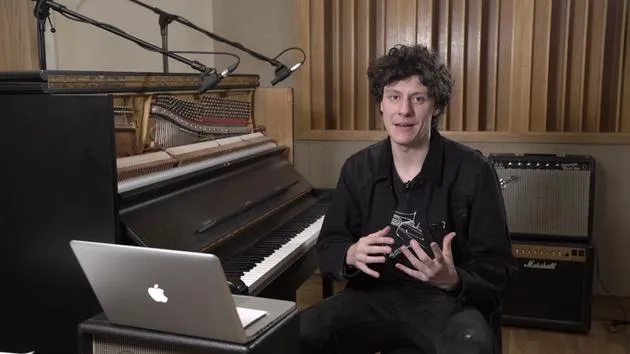
Ross Stanley walks through Crop Duster, a Booker T-style soul groove, with its bluesy phrasing and the feel of the Stax house band.

What's in the course
29 lessons (2h 21m) · 1 free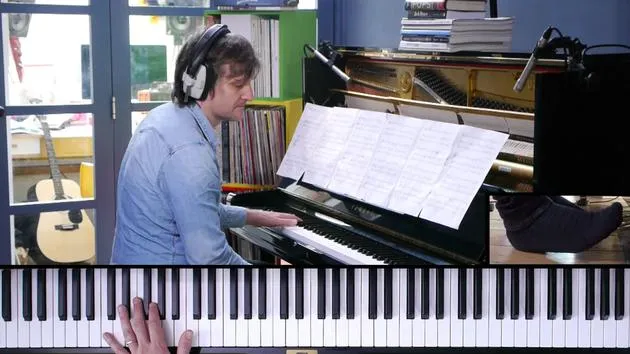
01. Hallelujah I Love Her So, Ray Charles (Performance)
Free lesson2:39
02. I See Fire, Ed Sheeran (Performance)
2:40
03. Your Song, Ellie Goulding (Performance)
3:35
04. Funkometer, Kit Morgan (Performance)
2:21
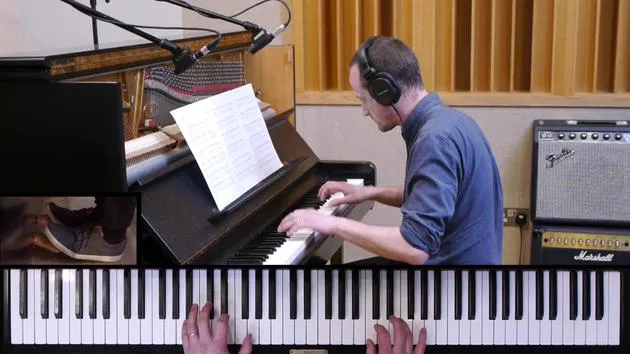
05. Crop Duster, Kit Morgan (Performance)
2:10
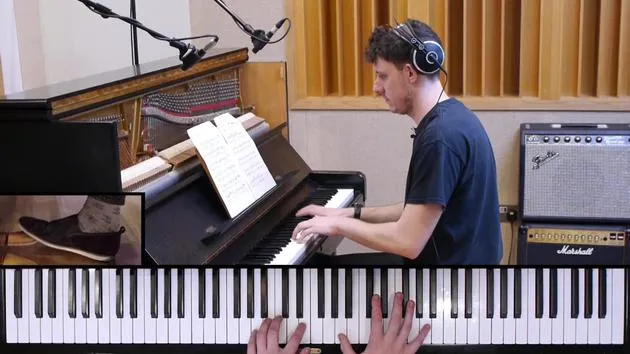
06. Circus Experience, Joe Bennett (Performance)
2:19
Lesson transcript
Crop Duster: A Soul Track Overview
So, Crop Duster, this piece is a soul track very much in the style of guitarist Steve Cropper. He was famous for playing with Booker T. and the MGs, Otis Redding, and Sam and Dave.
Key Influences
In terms of key players to check out in this style, look no further than Booker T. himself. His own band formed the house band for the Stax record label. They recorded instrumental tunes under their own name and provided the backdrop for artists such as:
- Otis Redding
- Wilson Pickett
- Bill Withers
- Bob Dylan
- Stevie Wonder
A Section: Strong Opening Statements
Straight from the top in the A section, there are a few things to look out for:
Bar Two Changes
- In bar two, you may have noticed that I've changed one of the notes.
- To my ear, the second phrase sounded slightly more bluesy.
- If I replace the E natural with an E flat, as I have done, I'll take the consequences later on for that action.
Demonstration
I will demonstrate how both sound and maybe you can make up your mind. So, here's bar two. In fact, I'll play the whole phrase from the top, from bar one, both ways:
- On the page: 1, 2, 3, 4.
- With the change: 1, 2, 3, 4.
I think the second option sounds better, but you can make your own mind up about that.
Quaver Feel
- The first thing that you should look at is the quaver feel. This is completely straight in this piece, typical of this more soul blues style.
- If you've ever heard any of the Blues Brothers music, there's quite a lot of references to that in this piece.
Important tips:
- The quavers should be nice and even and quite driving.
- This is not a piece to lay back on; it's very much on the front end of the beat.
- Get the metronome out and practice your quaver lines to ensure everything is dead center.
Articulation and Grace Notes
Even as early as bar one, pay attention to:
- Grace notes: These affect the whole flow of things if not played correctly.
- The grace note is a little moment in time before you strike the third beat, which is the strong beat in this case.
Demonstration
Notice on the fourth beat, I'm paying attention to the staccato marking. It's a small detail but helps propel the groove within this style of music.
Left Hand Rhythm
Watch out for the left hand:
- Think of this in terms of how a rhythm guitar might play this part, emphasizing beats two and four.
Strong sense:
- 1, 2, 3, 4.
- You want that to be rock solid underneath, similar to how a guitar in the band would do that.
C Section: Development of Melody
In the C section, we have a development of the melody:
- In bar 21, look for rhythmic complexities happening in quick succession.
Practice Tips:
- Focus on the semiquavers in thirds as they are quite quick.
- After them, we have crotchet triplets.
Practice Method
Even if you're not next to a piano:
- Get the four beats in the bar: 1, 2, 3, 4.
- Play three crotchets in the space of two in your left hand.
Articulation:
- All staccato, played very short.
Demonstration
So it should sound like this: 1, 2, 3, 4.
D Section: Smoothness and Legato
In the D section, we take a slightly different approach for eight bars, much more legato or smooth:
- Hold note values for their full length, especially in bar 26 with the two minims.
Sustaining Notes
I recommend using a little bit of the sustain pedal just for effect to make things smoother.
Demonstration:
- With the pedal: 1, 2, 3, 4.
- Without the pedal: 1, 2, 3, 4.
Attention to Bar 31
Watch out for bar 31 with more crotchet triplets:
- There's a rest before the second and third triplet, just a little breath there.
Demonstration
1, 2, 3, 4. (Taking a breath on beat three)
E Section
There's nothing much to report here:
- The first half is the same as the first four bars of B.
- The second half matches the second four bars of C.
F Section: Half Time Feel
In the F section, the vibe changes:
- We have a half-time feel in the rhythm section.
Relaxing the Melody
- The melody can be more relaxed than previous sections but not late.
Experimentation
Explore how you phrase the melody around a constant metronome click.
G Section: Solo Ideas
In the G section, there are nice ideas on how to approach soloing over this chord sequence:
- Focus on bar 55; practice this slowly at first.
Rhythm Differentiation
Make sure to distinguish between bars 55 and 56:
- Bar 55 sounds like this: 1, 2, 3, 4.
Patterns in Bars 63 and 64
Despite the scary appearance of semiquavers:
- It's a straightforward pattern that fits well under your fingers.
Demonstration
Bar 63 and 64 combined sound like this: 1, 2, 3, 4.
H Section: Final Practice
Lastly, for section H, practice slowly:
- Pay attention to fingering and rhythmic clarity since it crosses bar lines.
Strong Finish
Aim for a clear and even finish, potentially building a crescendo towards the end.
Final Thoughts
This piece contains quite a few contrasting sections:
- Practice transitions between them for a smooth and seamless performance.
This is a great piece to feel very much a part of the rhythm section. Once you feel comfortable, I'm sure you'll enjoy grooving with the band.
Best of luck, and see you on the next one!
29 lessons
2h 21m of structured video lessons
Advanced video features
Slow down, loop a passage, follow along
Mobile, tablet & desktop
Practise wherever you are
100% satisfaction guarantee
30-day money-back guarantee







