



The Pants Era
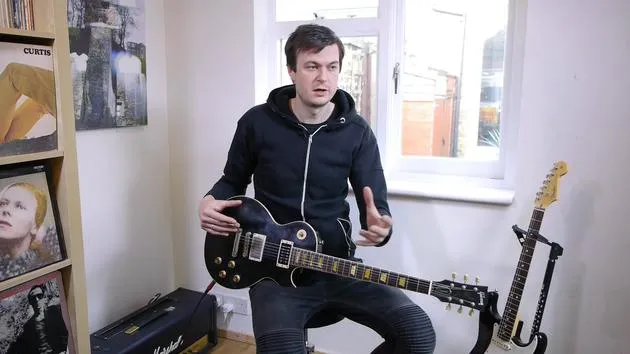
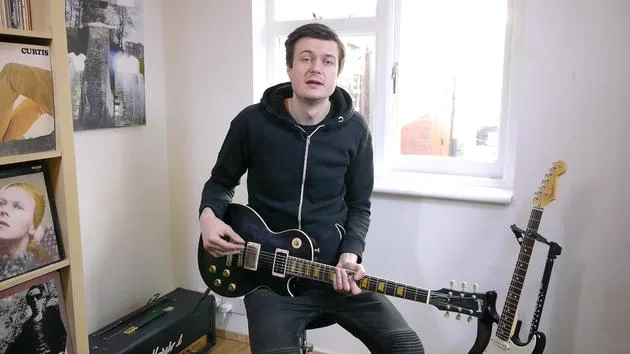
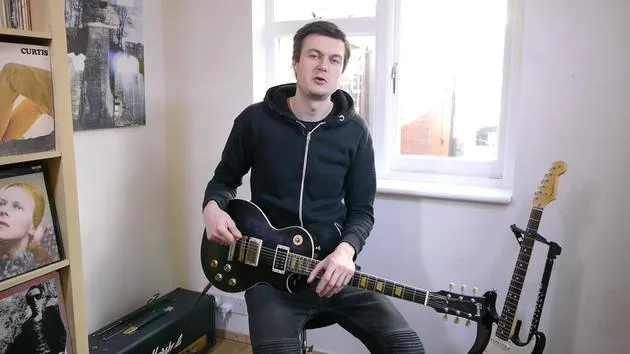
Charlie Griffiths breaks down The Pants Era, a groove-metal track in the style of Pantera, covering alternate picking, position shifts and natural harmonics.

What's in the course
44 lessons (3h 49m) · 1 free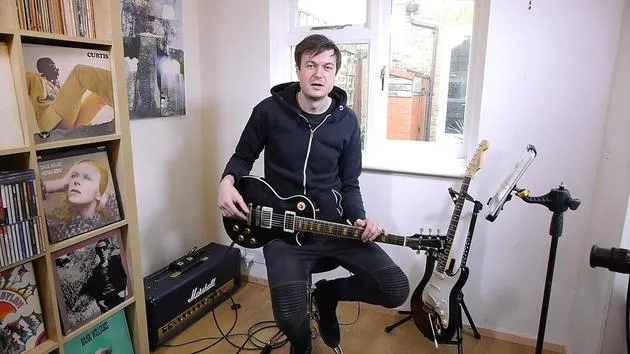
01. Intro to Approaches to improvisation
1:00
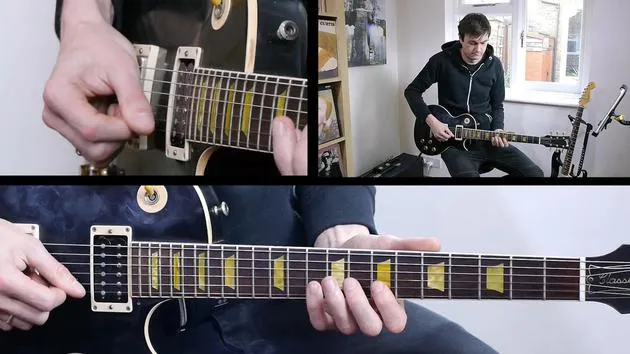
02. Embelleshing a melody
5:36
03. Challenge: Submit your melody
0:26
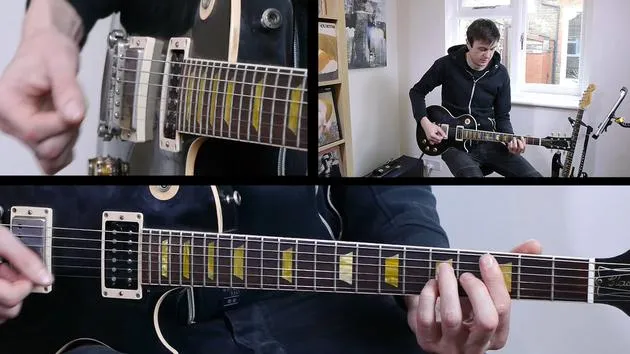
04. 7th chords
6:38
05. Composing your solo
8:53
06. Further extensions and sus chords
4:19
07. Comping on two different music styles
Free lesson8:36
08. Mixing Rhythmic and Melodic comping
4:24
09. Rhythmic improv & comping
9:55
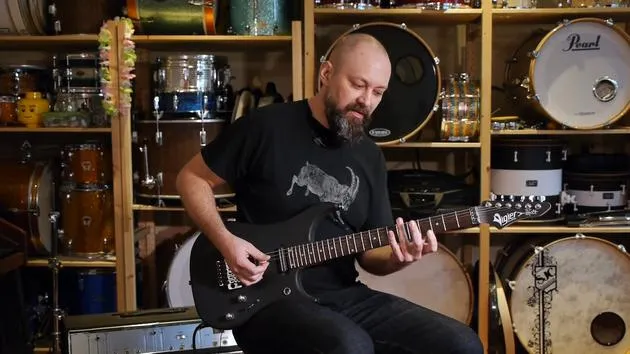
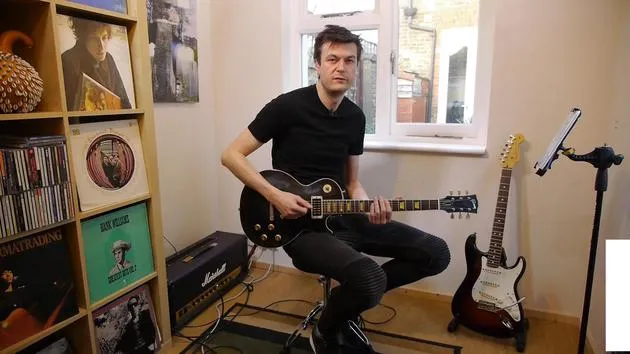
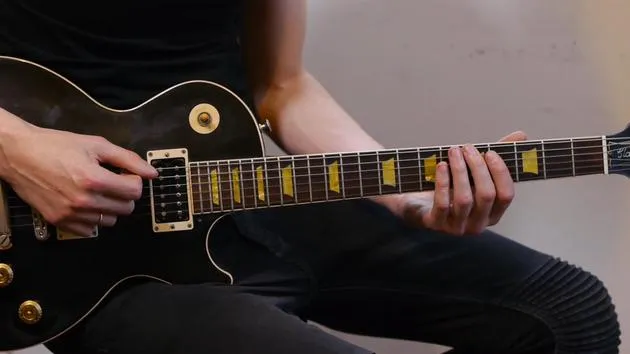
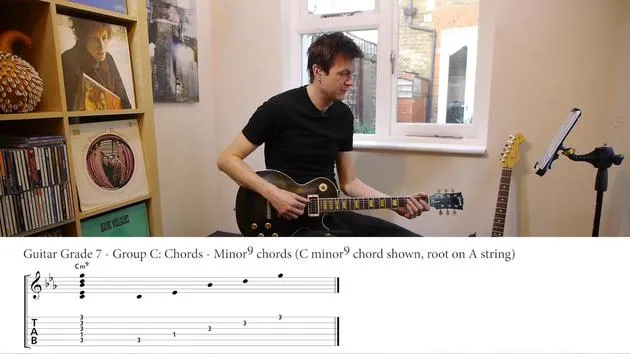
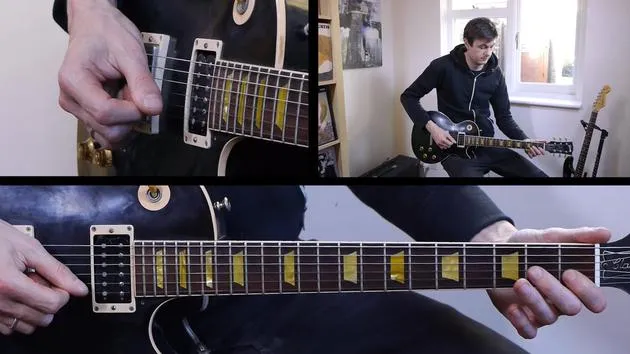
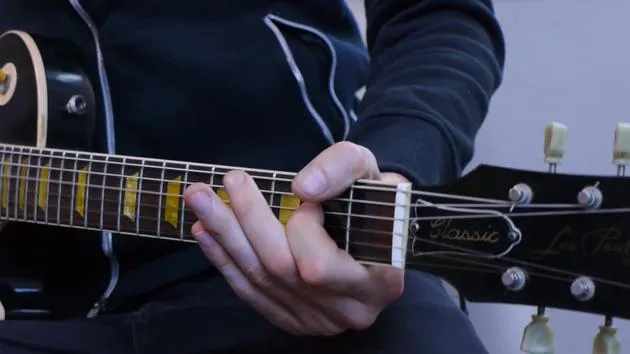
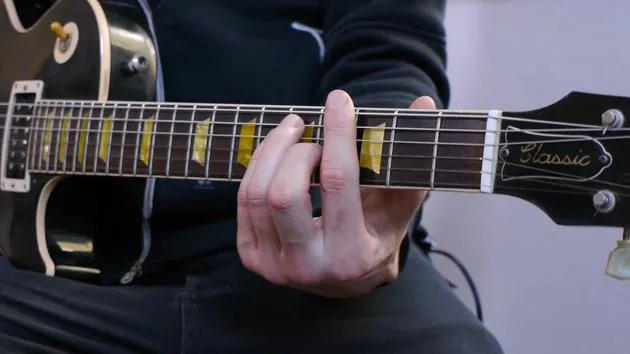
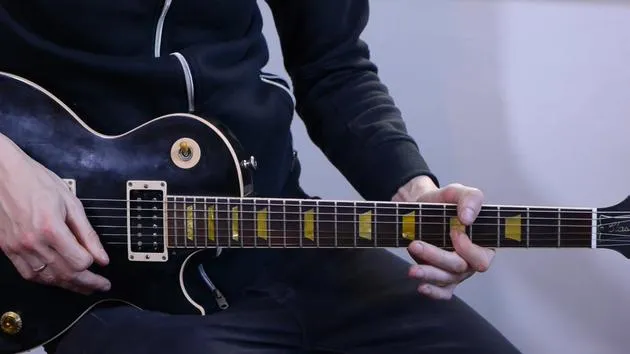
Lesson transcript
Music Lesson: The Pants Era Track
Introduction
So that's the track, The Pants Era, which is more in a kind of groove metal style. Obviously, Pantera is a major influence on that track, as well as bands like Lamb of God and Killswitch Engage.
There's a lot of technical riffing happening, with:
- Alternate picking
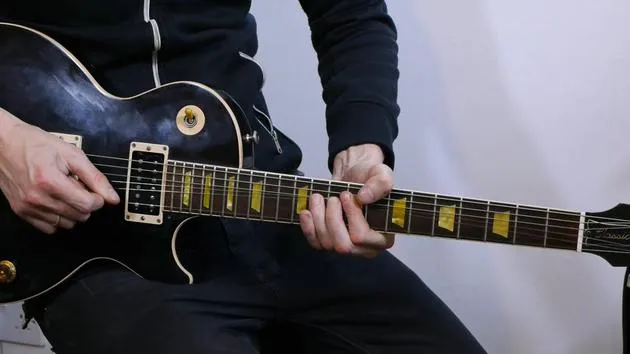
- Position shifting with the fretting hand
You're going to be using the majority of the fretboard to play this song. It's quite a challenge, but it's a fun one, and I think you'll enjoy it.
A Section
We'll start with the A section on the sixth string using the open E string and alternate picking. We'll incorporate some natural harmonics:
- First at the seventh fret
- Then the fifth fret
- Then the third fret
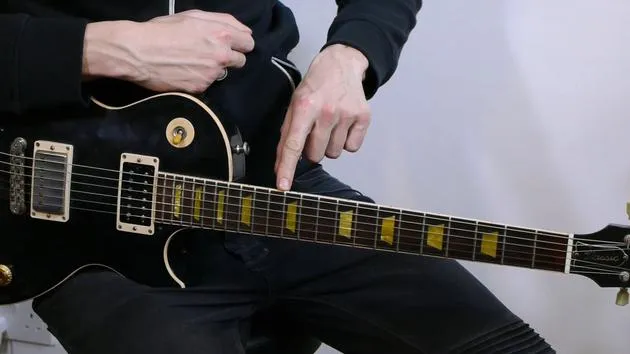
Tip: When you perform those natural harmonics, make sure your finger is placed directly over the fret wire for a much cleaner sound.
Riff Setup
- Alternate between the harmonics and the open string.
- The rhythmic shape of the riff remains the same whether you're playing the harmonics or the power chord version.
Rhythmically, think about this with the picking hand:
- You're effectively playing constant 16th notes.
You'll often see this in videos of Dimebag Darrell from Pantera, who is known for his alternate picking style.
Upstroke Technique
In groove metal, the approach is a bit looser than other styles.
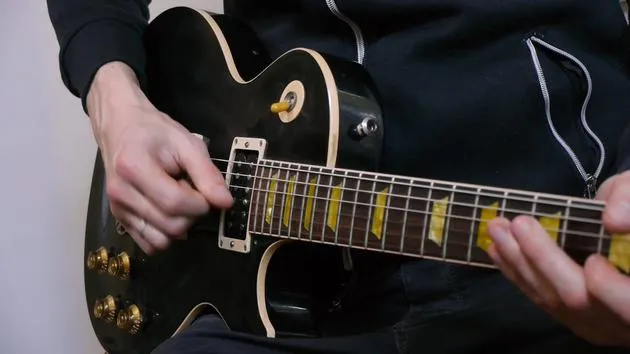
- Every time you play a chord, it lands with an upstroke.
- Lift off your hand on the upstroke to let the chord ring through a little more.
This gives you a contrast between the muted E chords and the more open, ringing power chords (the G, the Bb).
Remember: Start slowly and ensure both hands are synchronized properly.
B Section
The B section can be thought of as the verse and features a bouncy rhythm:
- Keep a consistent movement with the picking hand.
- It should feel like you're playing down, up, down, up continuously.
If we break it down:
- Think of it as four notes: 1, 2, 3, 4.
- The third note (3) is a downstroke that you'll take away from the strings.
Pattern Practice
- The pattern will sound like: down, up, down, up (missing the third).
- Slowly it works out as: down, up, down, up, down, up, down, up.
Final Two Bars:
- Use all upstrokes, as they're all offbeat 16th notes:
down, up, up, up, up, up, up.
Key Point: Constantly keep your picking hand moving while missing the strings when appropriate.
C Section
The C section features a riff in 7/8 time, meaning it's similar to 4/4, but it's missing one 1/8 note.
Counting Method
Instead of counting in sevens, count using twos and threes:
- First two chords = two counts of two:
- 1, 2
- 1, 2
- 1, 2
- 1, 2
- Third chord (an octave with a bend) = count of three:
- 1, 2, 1, 2, 1, 2, 3.
Putting It Together
- The pattern will sound like:
- 1, 2, 1, 2, 1, 2, 3.
- Before finishing with the bend, hold for two downbeats:
- 1, 2.
D Section
The D section has many position shifts. It might seem like a lot at first, but remember to take it in small chunks.
Learning Strategy
- Learn two beats at a time.
- Repeat each segment (1, 2) about 8-10 times before moving on to the next two beats.
E Section: Guitar Solo
For the guitar solo, the chords behind it are:
- E, G, A, Bb, then A and G again (all played as power chords).
Scale Choice
The tonality of the backing focuses on the E blues scale:
- This gives you the opportunity to use a scale that includes a flat fifth.
Blues Scale Pattern:
- E minor added flat fifth
Shredding Technique
- Use a three-note-per-string pattern for shredding, focusing on:
- 12th fret, 14th fret, 15th fret on the G string.
- Add the 12th fret on the second string.
Practice Method
- Start slow with a metronome.
- Gradually speed up by 4-5 bpm at a time.
Conclusion
After the solo, we take the instruction to DS (back to the sign) and return to the main riff before concluding with the coda (the outro).
Final Riff Execution
In the outro:
- You have a constant stream of 16th notes.
- Decide on playing all downstrokes for aggression or alternate picking for a relaxed sound.
Closing Remarks
This song contains a lot to learn, so take it in small sections. Before you know it, you'll have the whole song memorized. Good luck!
44 lessons
3h 49m of structured video lessons
Advanced video features
Slow down, loop a passage, follow along
Mobile, tablet & desktop
Practise wherever you are
100% satisfaction guarantee
30-day money-back guarantee







