



Recap on chord tones
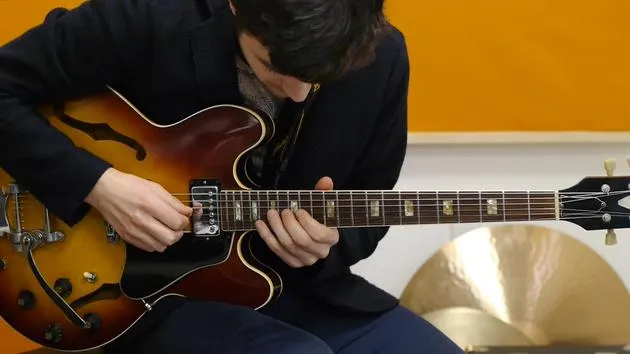
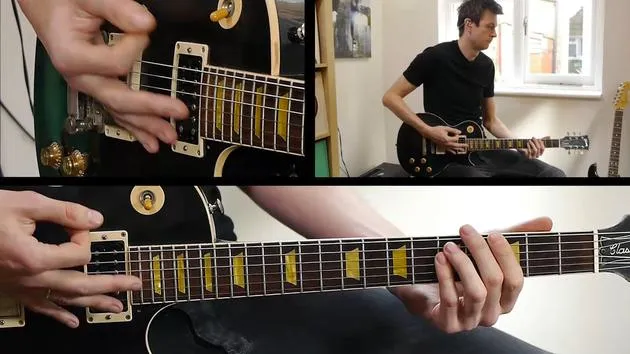
James Barratt recaps how to find chord tones - building a C major chord from the 1st, 3rd and 5th of the scale - as a foundation for improvising.

What's in the course
43 lessons (3h 34m) · 1 free











Lesson transcript
Recap on Finding Chord Tones
Finding Chord Tones in C Major
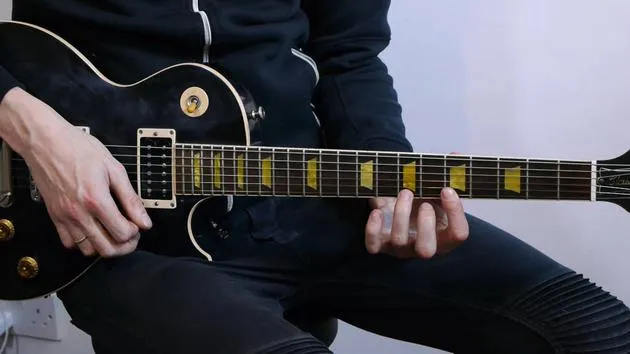
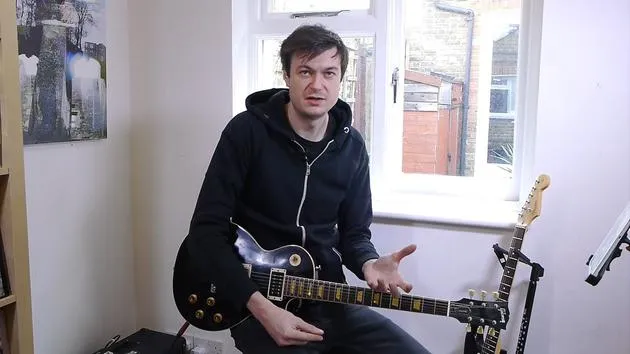
Okay, so let's have a little recap on finding chord tones. First, we'll demonstrate how we found the chord tones for the C major chord.
C Major Scale
-
Start with the C major scale.
-
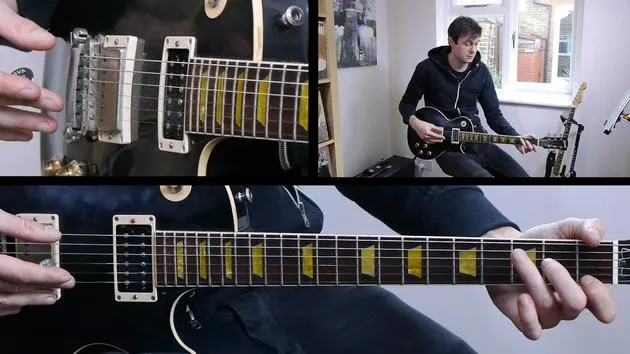
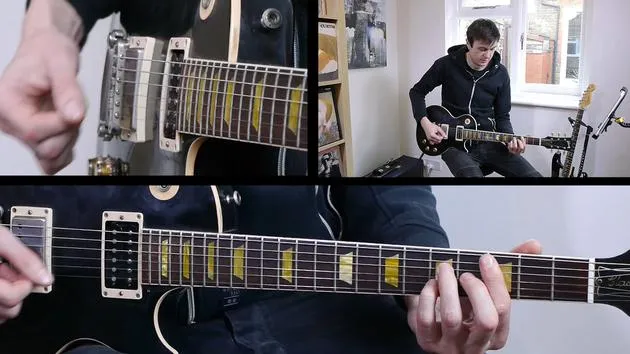
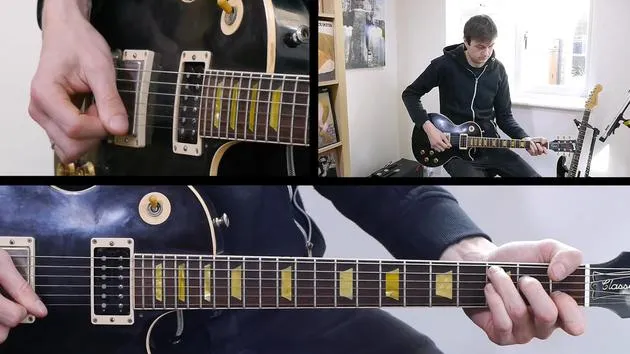
Play through the scale and count the numbers until we reach C again. We should get seven different notes before reaching C.
- Counting the Notes:
- 1
- 2
- 3
- 4
- 5
- 6
- 7
- And there's our C again.
- Counting the Notes:
Constructing the C Major Chord
To create a C major chord, we need to take:
- Note number 1: C
- Note number 3: E
- Note number 5: G
Playing the Chord
Let's walk through the scale again, noting the relevant tones:
- 1 (C)
- 2
- 3 (E)
- 4
- 5 (G)
Thus, the C major chord consists of the notes C, E, and G. Play these notes simultaneously to form a C major chord.
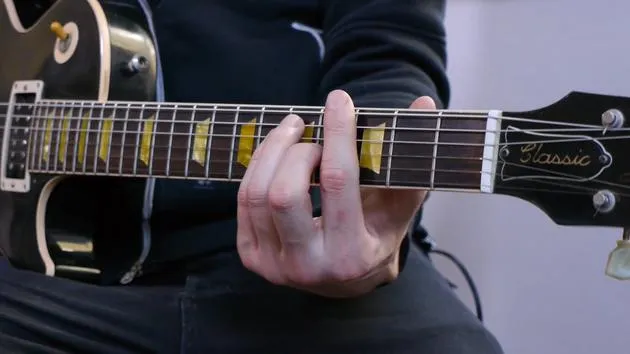
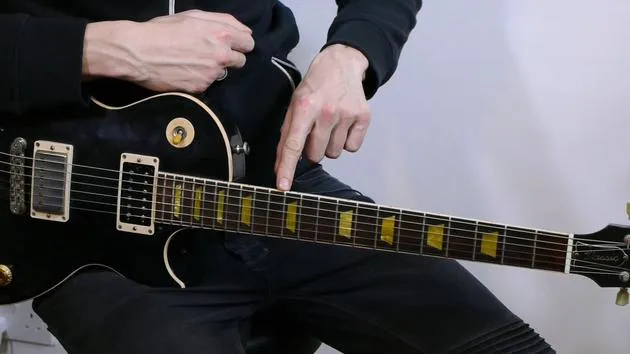
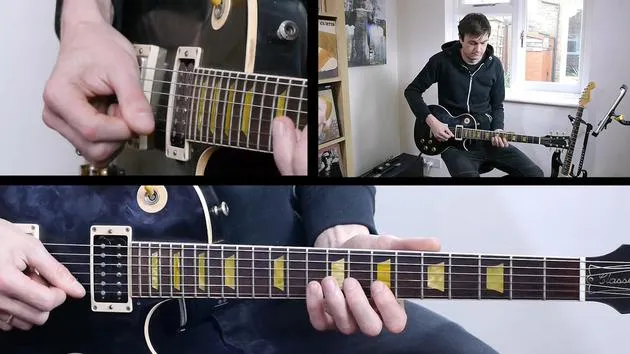
"A C major chord doesn't have to look like this. I could play a C, E, and a G here or here, or here. There are loads of different places to play a C major chord, not just down here."
Finding Chord Tones in G Major
Now, let's look at a different example to cover another key: the G major chord.
G Major Scale
-
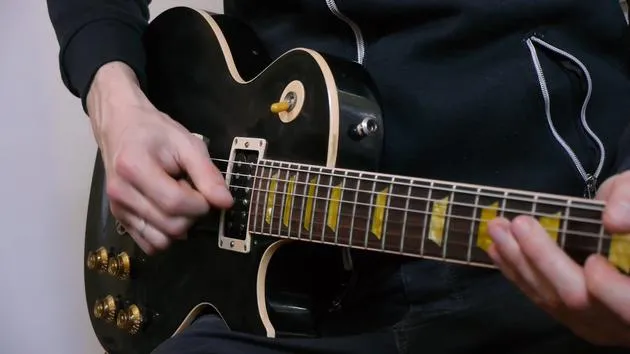
Strum all six strings, although that doesn't necessarily mean we're playing six different notes.
-
We'll play through the G major scale.
- Counting the Notes:
- 1
- 2
- 3
- 4
- 5
- 6
- 7
- And there's our G again.
- Counting the Notes:
Constructing the G Major Chord
To make our G major chord, we will take:
- Note number 1: G
- Note number 3: B
- Note number 5: D
Playing the Chord
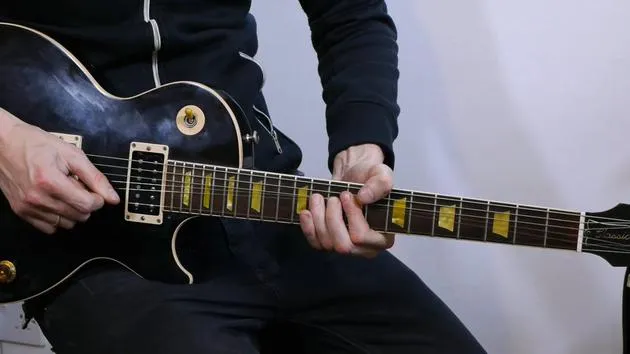
Play those three notes at the same time, and you have a G major chord.
"That combination of notes anywhere on the guitar, and you're playing a G major chord."
Modifying Chords to Minor
To make either of those chords minor, follow these steps:
- Take the third note (the middle one) and flatten it by one semitone (one fret).
For the G major chord we had (G, B, D):
- Identify B as note number three.
- Move it back one fret to get Bb.
Now we have G minor.
"You can hear how the tone of that chord has massively changed. G major, G minor."
Practice Exercise
Now, go and try this in a few different keys!
Steps to Follow:
- Find the scale of the root note of your chosen chord.
- Count through the notes of the scale.
- Make a note of:
- Note number 1
- Note number 3
- Note number 5
These notes will be your chord tones for that major chord.
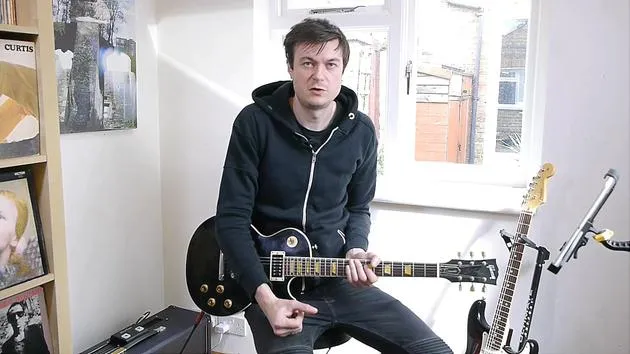
"These are the good notes that we want to find, and they're the ones you'll want to target to start off with in your improvisation."
Good luck with that, and let's have a look at the next technique!
43 lessons
3h 34m of structured video lessons
Advanced video features
Slow down, loop a passage, follow along
Mobile, tablet & desktop
Practise wherever you are
100% satisfaction guarantee
30-day money-back guarantee







