



Rollin
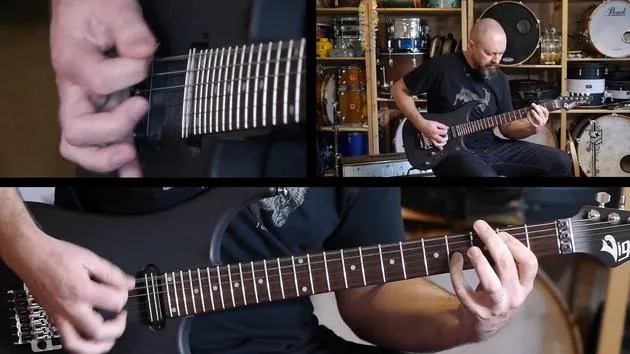
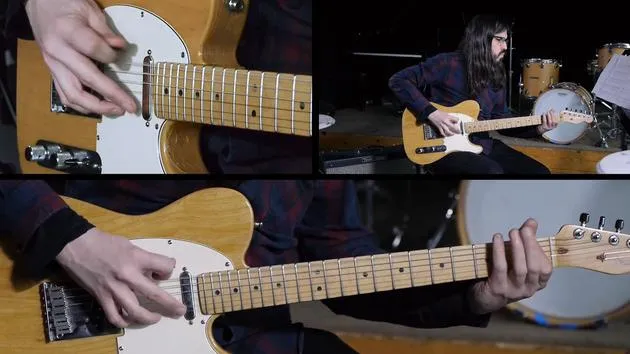
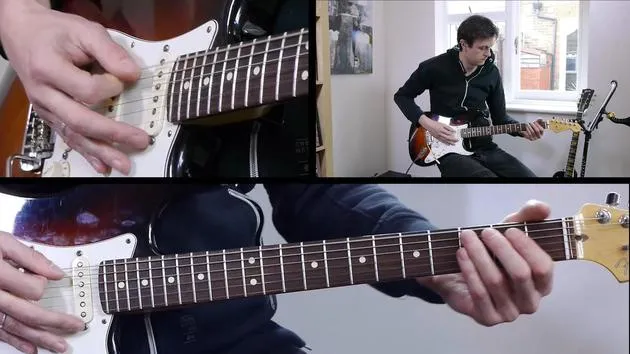
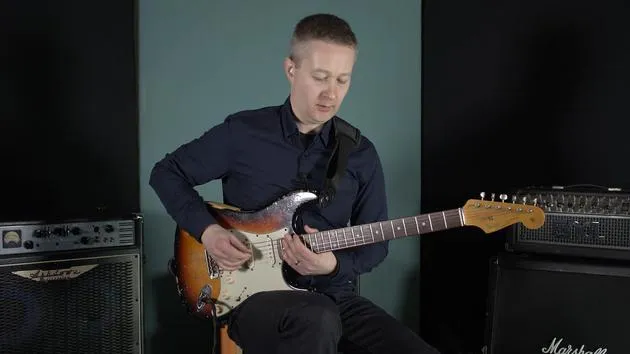
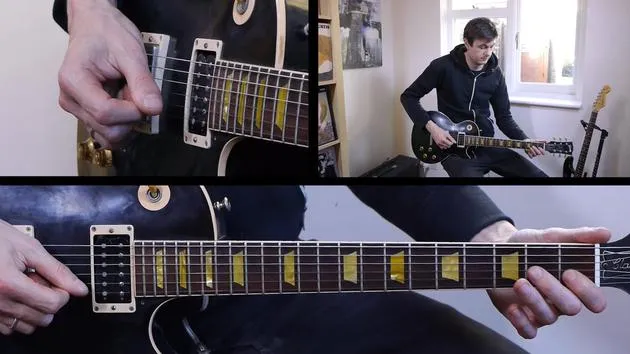
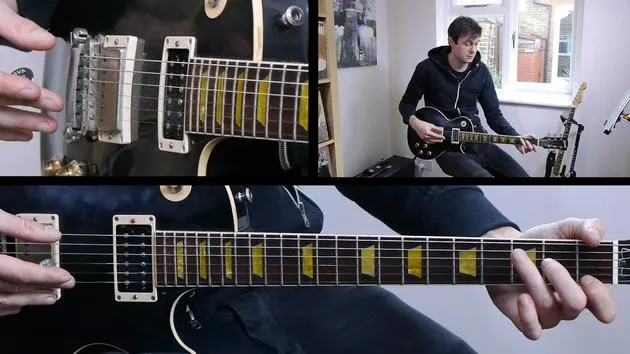
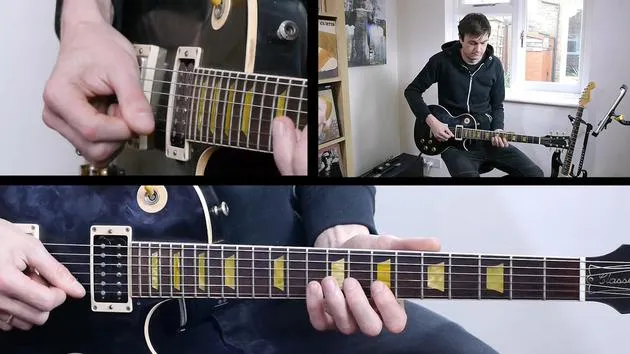
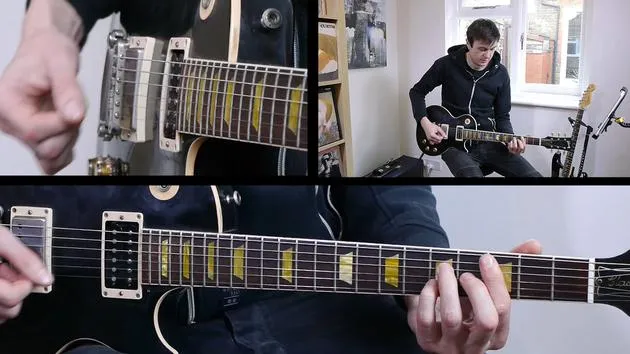
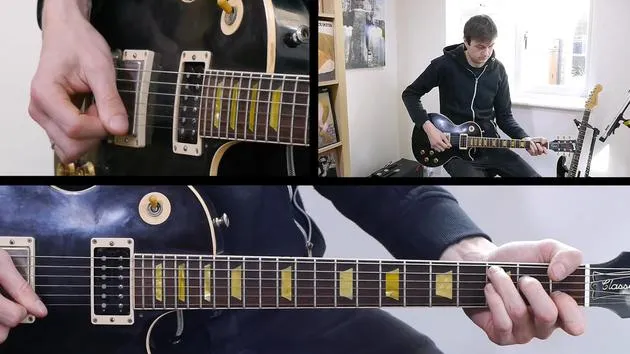
Stuart Ryan repasa Rollin, la pieza de Grade 5 que escribió al estilo de John Mayer, cubriendo las cuerdas dobles y el fraseo melódico de blues-rock en el que se basa.

Qué incluye el curso
43 lecciones (3h 34m) · 1 gratis

























Transcripción de la lección
Music Lesson: Exploring John Mayer's "Rolling"
Introduction
"Rolling" is a piece I wrote for grade five, influenced by the American guitarist John Mayer. John Mayer himself draws influence from classic players we've discussed in the syllabus, such as Jimi Hendrix, B.B. King, and Stevie Ray Vaughan. He's taken all those elements and created his own distinctive style.
Key Features of John Mayer's Style
When writing this piece, I examined some key features of John Mayer's style:
- Double Stops: John Mayer frequently uses double stops, which enhance the fullness of the guitar sound.
- Performance Situations: He often performs in a trio format, similar to what we explored with Jimi Hendrix in the Circus Experience.
Melodic Approach
John Mayer's solos are incredibly melodic and draw from classic blues and rock vocabularies:
- Scales Used:
- Major
- Minor
- Pentatonics
- Blues scales
- Major scales
- Natural minor
He approaches songwriting with a melodic mindset, crafting catchy solos filled with hooks.
Chord Knowledge
Mayer possesses a deep knowledge of chords, often utilizing:
- Root-Fifth Power Chords
- Major Chord Voicings
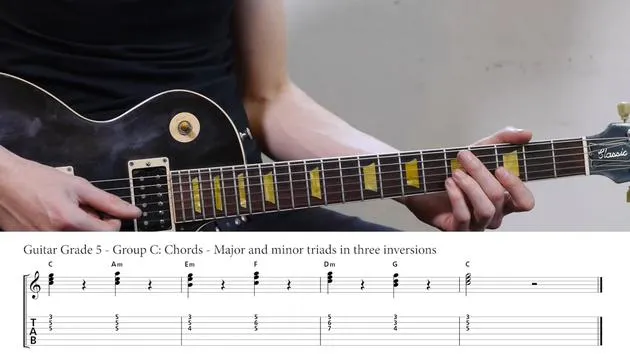
- Triads: For beginners, it's important to spend time learning triads and their inversions with your teacher. For example, we see a D major triad in this track.
Tone and Equipment
Amplifiers and Sound
John Mayer is known for using rare and expensive amplifiers made by Howard Dumble, with only a couple of hundred existing worldwide. While you don't need to use his specific equipment, we can aim for a fairly thick overdrive sound. Here's how:
- Start with a clean amplifier.
- Use an overdrive pedal (like a Tube Screamer) to achieve the desired gain.
- Adjust the volume control on your guitar to clean up the sound for rhythms, and then thicken it up for melodies.
Syncopation and Rhythm
The vocabulary we're drawing from here includes:
- Typical blues rock double stop ideas
- Muted strings
- Syncopation: This is playing off the beat, which can be challenging.
Practicing Syncopation
- In earlier grades, you encountered simple syncopations.
- In this piece, expect a lot of syncopations based around 16th notes.
Practice Tips:
- Slow down the sections to feel where the syncopations lie.
- Remember to play muted strings by lightly resting your fingers on the strings without pressing down.
Dynamic Changes
In the B section, we introduce dynamic changes:
- A Section: Strong attack
- B Section: Softer approach with arpeggiated chords and more rests.
Using palm muting helps maintain a quiet dynamic. If you're currently focused on music reading, have your teacher break down the rhythms for you.
Section C: Melodic Phrasing
In Section C, I wrote a melodic part emphasizing phrasing. I increased the guitar's volume for a thicker sound.
Bass Solo
Following the melodic part, we transition into a bass solo:
- Maintain a light touch and volume.
- Use arpeggiated chords to give the bass room to breathe.
Additional Practice:
- Work on the two-bar rhythm variations, ensuring you keep time throughout.
Riff Section and Alternate Picking
We return to the riff section, which includes a tight 16th note passage:
- Focus on alternate picking using a down-up system.
Practice Method:
- Start slowly and consciously place the notes within the beat.
Techniques for John Mayer Style
To capture the essence of John Mayer:
- Use double stops in solos.
- Incorporate bends and slides for expression.
- Try a technique called a rake, which involves muting strings before hitting a target note.
Example: Play a D while muting the 4th, 3rd, and 2nd strings to create emphasis.
Using Arpeggios and Melodic Approaches
Consider using:
- G arpeggio: Emphasize notes like F# which belongs to the D chord.
- Pentatonic Scales: Think melodically; avoid long streams of notes.
Aim to develop a memorable melody in your solos.
Incorporating Techniques
As you finish crafting your solo, consider the following techniques:
- Vibrato: Personalize it; varying between wide and slow can define your sound.
- Muted Strings: Integrate muted notes with unmuted notes to create tension and dynamics.
Conclusion
There's a wealth of John Mayer material to explore, including his album Continuum, which showcases fantastic songwriting and the trio format. When improvising, feel free to incorporate personal style alongside elements from the syllabus. Use various pentatonic scales and arpeggios, ensuring your solo remains melodic and expressive.
43 lecciones
3h 34m de lecciones en vídeo estructuradas
Funciones de vídeo avanzadas
Ralentiza, repite un pasaje, sigue la partitura
Móvil, tablet y ordenador
Practica donde quieras
Garantía de satisfacción 100%
30 días de garantía de devolución







