



Slam Dunk Funk
James Barratt desglosa la pieza funk de Grade 5 Slam Dunk Funk, abordando el tono limpio y ligeramente crujiente y el trabajo rítmico que la impulsa.

Qué incluye el curso
43 lecciones (3h 34m) · 1 gratis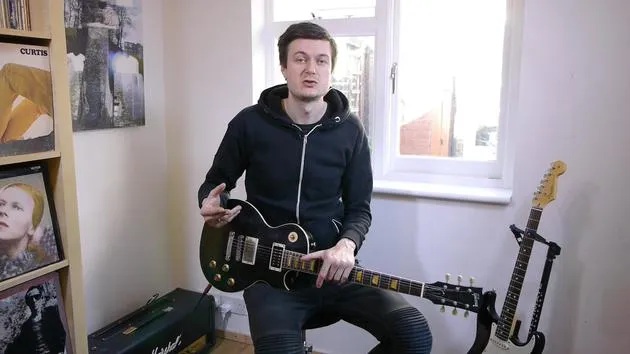
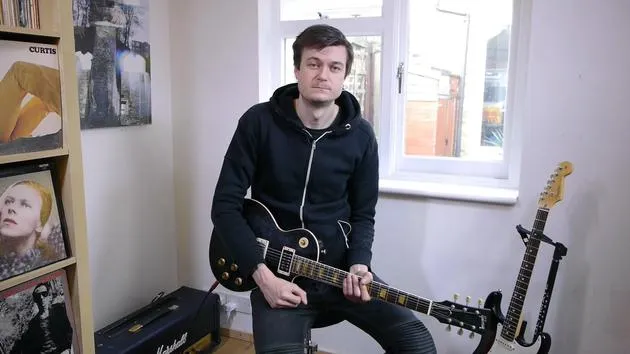
Transcripción de la lección
Music Lesson: Slam Dunk Funk
Hi, guys!
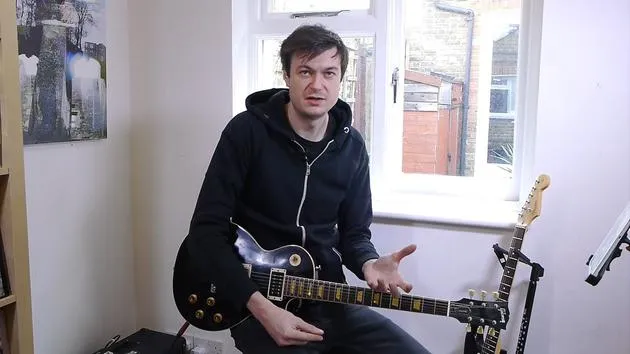
Let's check out Slam Dunk Funk from Grade five. This is a super funky piece, definitely one of my favorites personally.
Tone and Gear
Clean Tone
- This piece is kind of in two halves.
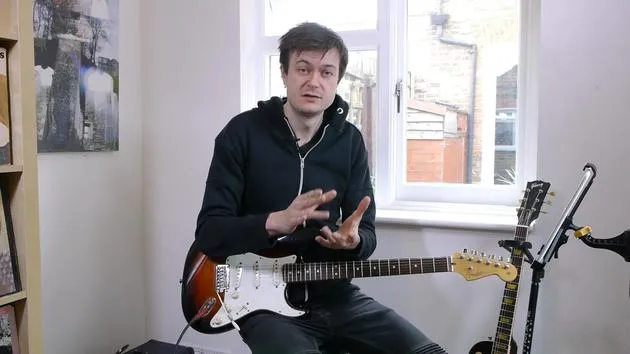
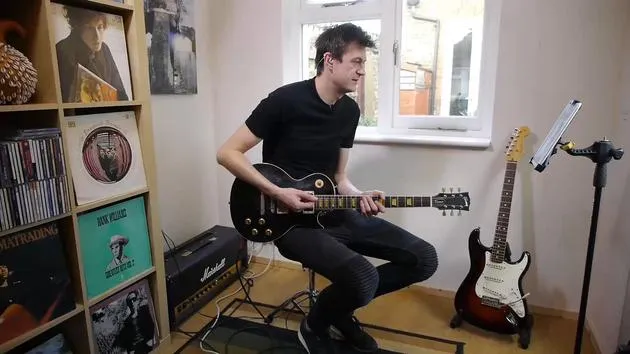
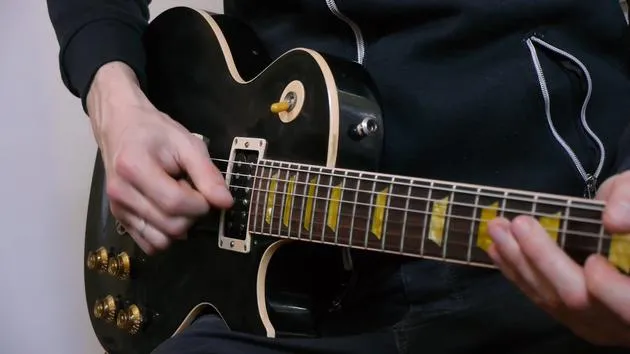
- The funky rhythm guitar work requires a clean tone, maybe ever so slightly on the crunchy side for a bit more aggression.
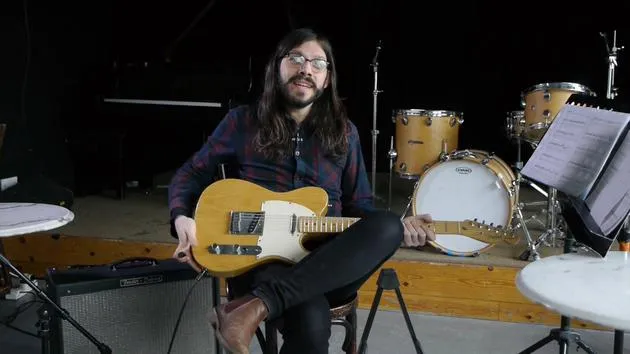
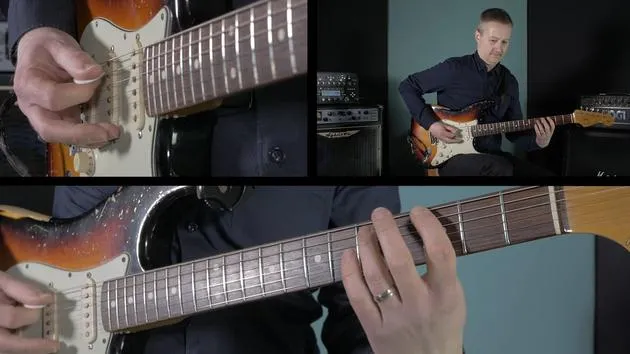
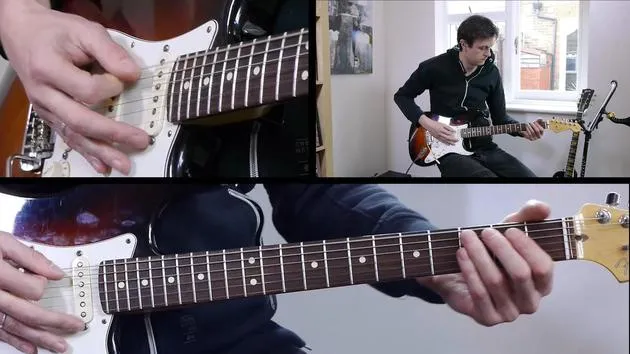
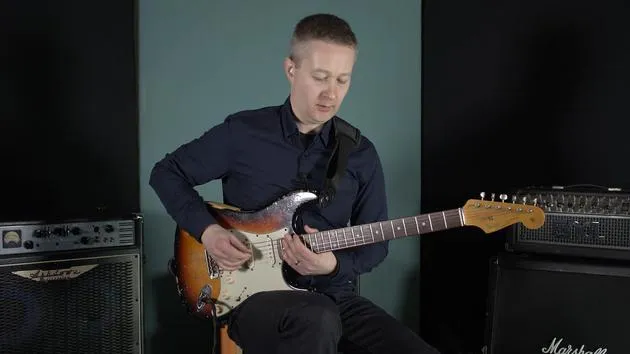
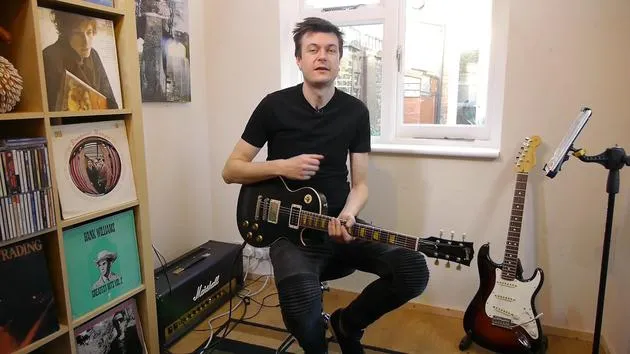
- If you have a guitar with single-coil pickups, like a Strat or a Tele, that will serve you really well.
These guitars are renowned for providing that really aggressive, spanky tone that we associate with funk, especially inspired by the Red Hot Chili Peppers.
Alternative Pickups
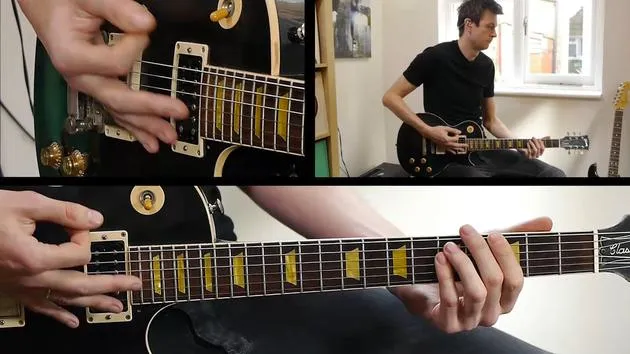
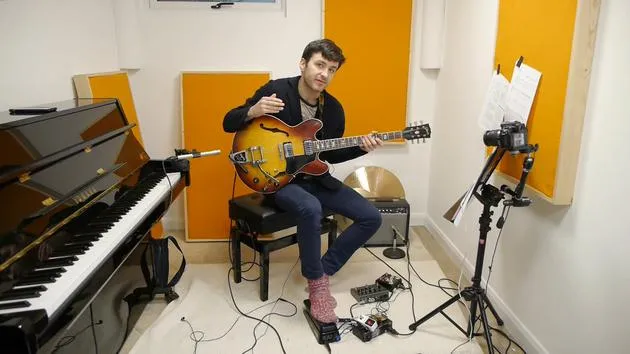
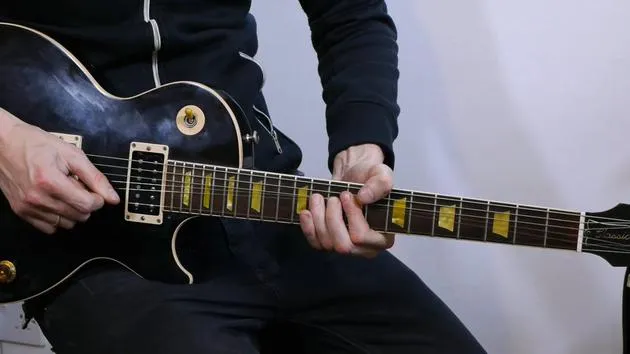
- If you don't have a Strat or a Tele, don't worry! A humbucking guitar will get you very close.
- Humbuckers usually have a higher output and a bit more aggression, which will work for this piece as well.
Useful Pedals
- A compressor pedal can even out the dynamics, a really desirable characteristic for playing funk.
- This tool makes the playing feel nicer, especially when you're working with small chord voicings and percussive elements.
Score Analysis
Rhythmic Line
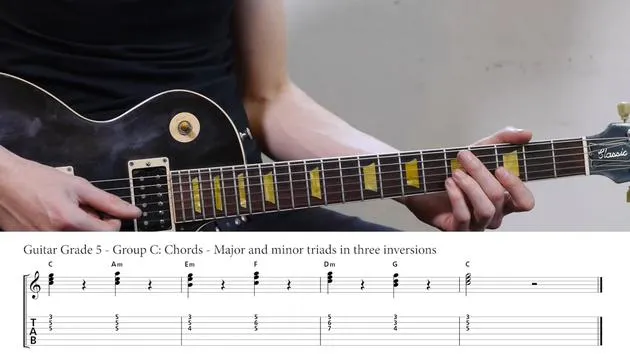
- When you look at the notation line in the score, you'll notice lots of semiquavers, a significant feature of funk music.
- Being confident in picking out semiquaver rhythms and specific beats within a bar is essential.
Example Counting Method:
- 1e and a, 2e and a, 3e and a, 4e and a.
- This counting helps ensure you get the rhythms right.
Note Duration
- Another crucial aspect of funk music is note duration, whether to allow a note to ring or to cut it short. Notes played short are referred to as staccato, indicated by a little dot above or below a rhythm in the notation.
- For instance, in bar number two, the first four chord stabs are all staccato, which impacts the groove tremendously.
Playing Techniques
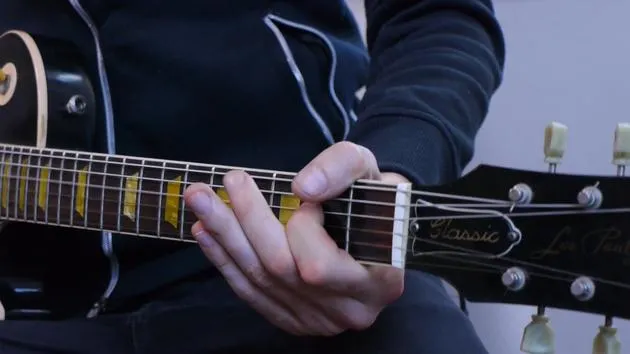
- Chord Stabs:
- Pay attention to muting chords shortly, especially when you see the staccato mark.
- B Section:
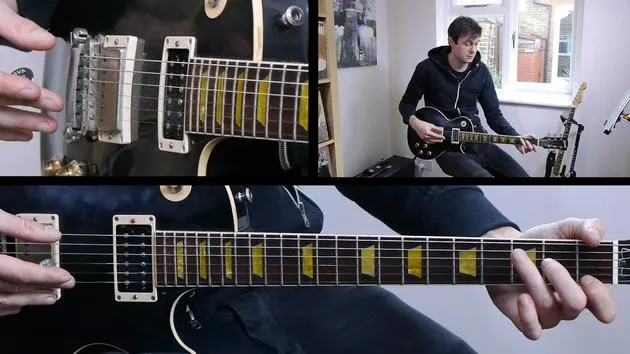
- This section features a lovely single note riff combined with double stops and the importance of note durations continues.
Techniques in B Section
- Keep an eye on:
- Accents
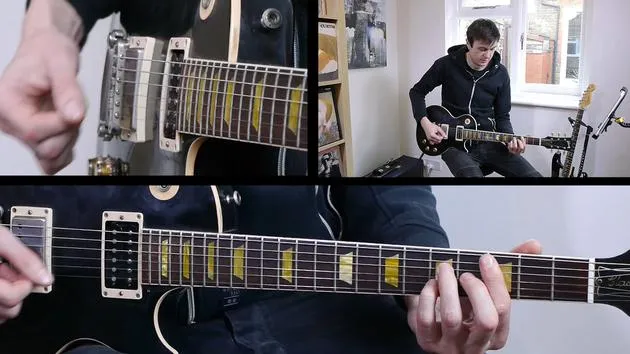
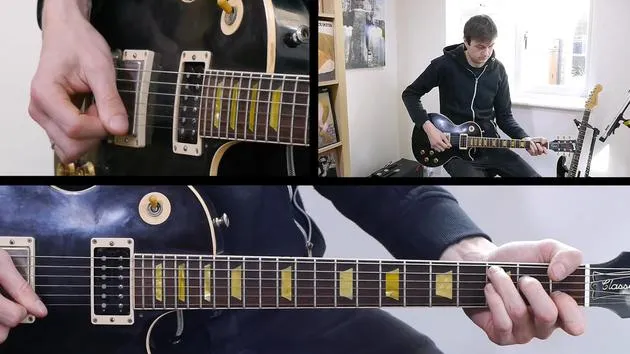
- Percussive slaps on the strings, indicated by Xs in the tab.
Hybrid Picking
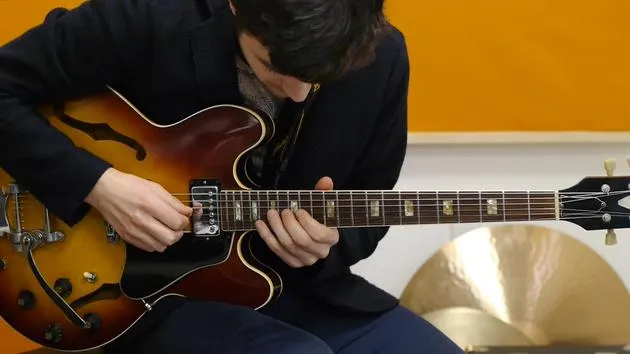
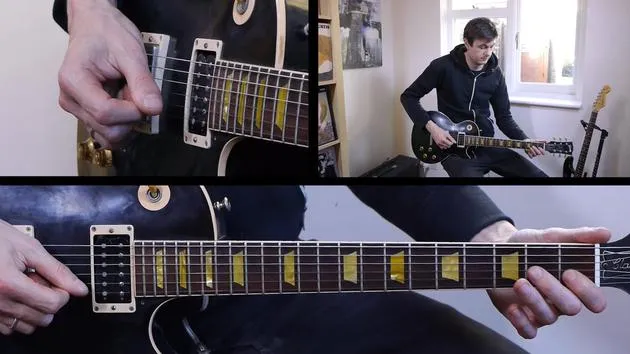
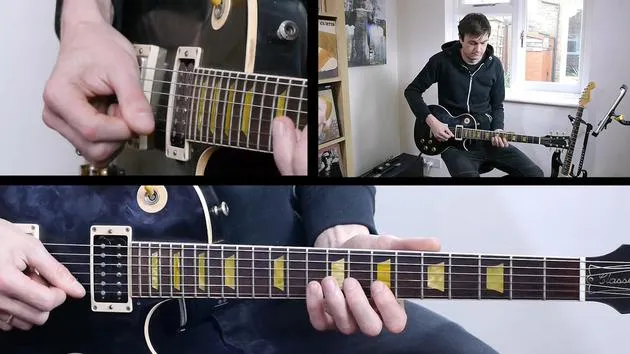
- You can try hybrid picking, a technique borrowed from bass players.
- It adds an aggressive sound when you twang the string with a finger while plucking with the pick.
Section C
- Technically challenging with syncopated rhythms and double-stop bends.
- Bending across two strings may be a new challenge, so take it slow.
Section D: Natural Harmonics
- Look for diamond-shaped notes in the tab that indicate natural harmonics.
- Natural harmonics are produced by lightly touching the string above the indicated fret while picking it.
Variations
- When redoing sections marked for variation, you can keep things simple.
- Consider treating variations like a second verse instead of rewriting the piece entirely.
Distortion and Execution
Section F
- The indication W dist means "with distortion."
- Activate your amp's second channel or an overdrive pedal for this section.
Guitar Solo
- The solo primarily uses the G blues scale over C7 and G7,9 chords.
- Focus on creating musical phrases rather than just running up and down the scale; infuse techniques from the rhythm parts throughout your solo.
Inspiration
- If you're a fan of this style or need creativity for the more dynamic bits, check out songs by the Red Hot Chili Peppers, particularly John Frusciante.
- For a deeper dive into funk, listen to James Brown for impressive funk rhythm parts or Hendrix for blues scale mastery.
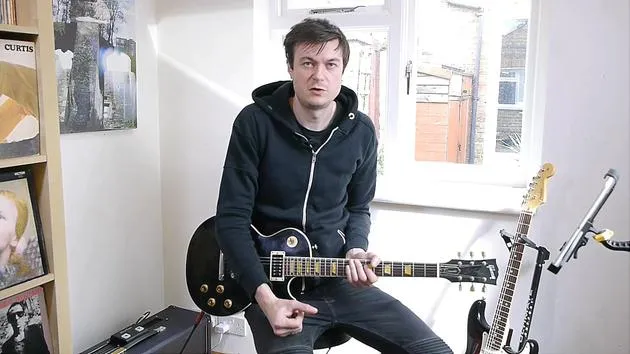
I hope you enjoy looking at this song as much as I have! Best of luck with it, and let's have a look at the next one.
43 lecciones
3h 34m de lecciones en vídeo estructuradas
Funciones de vídeo avanzadas
Ralentiza, repite un pasaje, sigue la partitura
Móvil, tablet y ordenador
Practica donde quieras
Garantía de satisfacción 100%
30 días de garantía de devolución







