


Adding rhythmic interest to your solos
Improvisation on the guitar is not just about note and chord choice, it's also about choosing a rhythm.

What's in the course
38 lessons (2h 32m) · 1 free
01. Intro to Approaches to improvisation
1:00
02. Getting started with improvisation
9:22
03. Improvising using chord tones
10:18
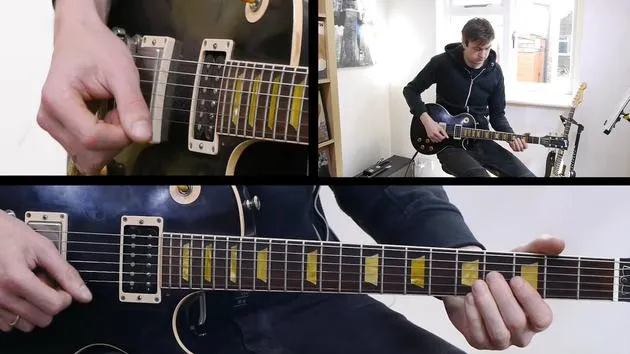
04. Assignment: Finding chord tones
4:05
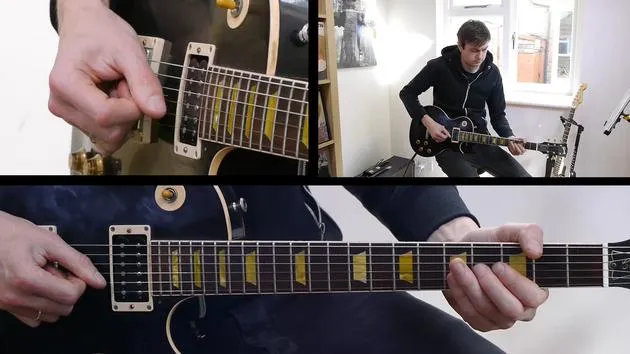
05. Adding rhythmic interest to your solos
You are here4:11
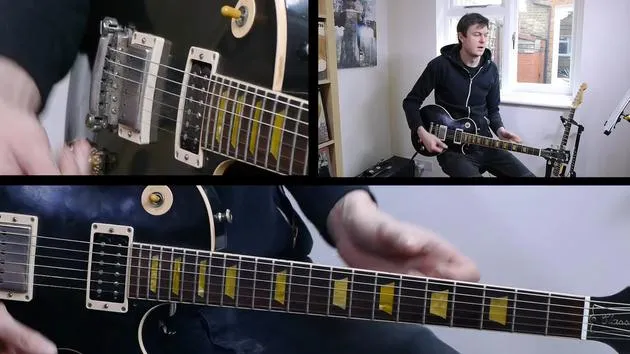
06. Assignment: Improvising over a chord change
2:52
07. Challenge: Submit your improv
0:24
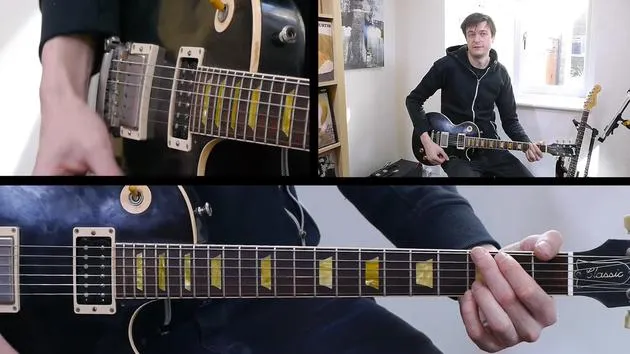
08. Rhythmic improv & comping
9:55

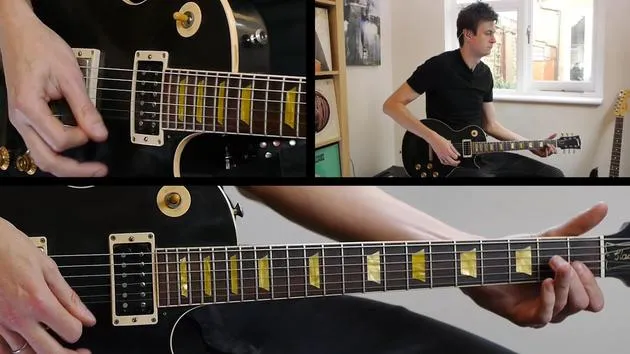
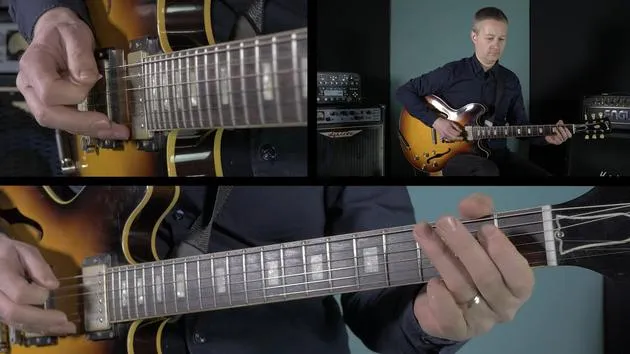
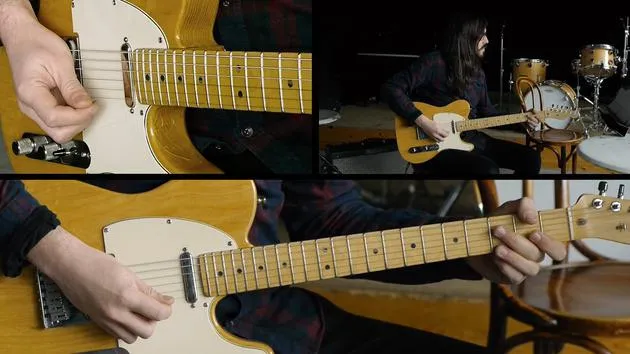
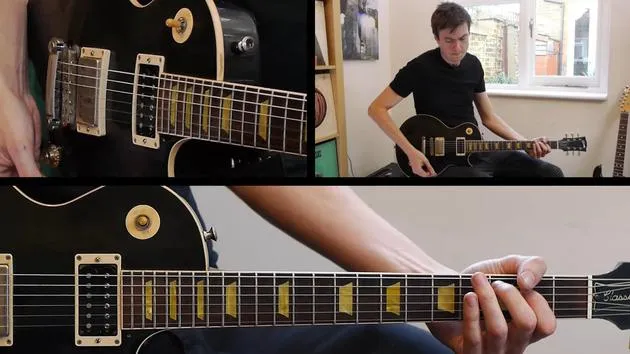

Lesson transcript
Varying Rhythm in Music
Alright then guys,
So now we've talked about some good tones to find over chords. What we're going to do now is look at varying the rhythm.
Simplifying the Right Hand
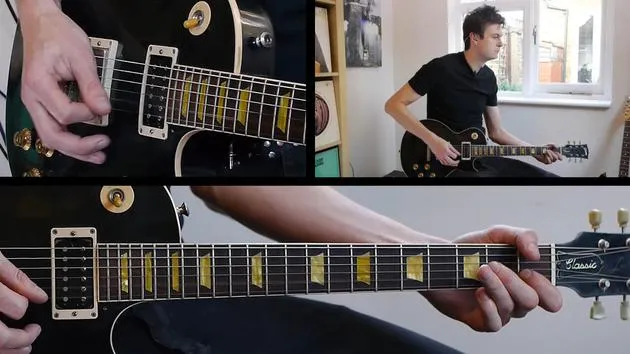
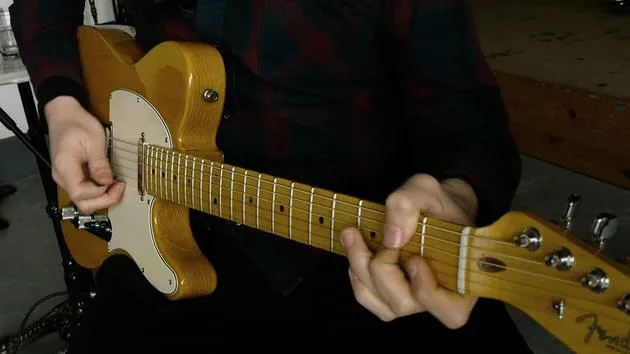
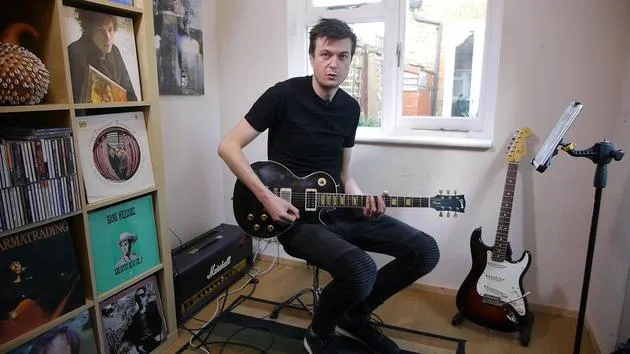
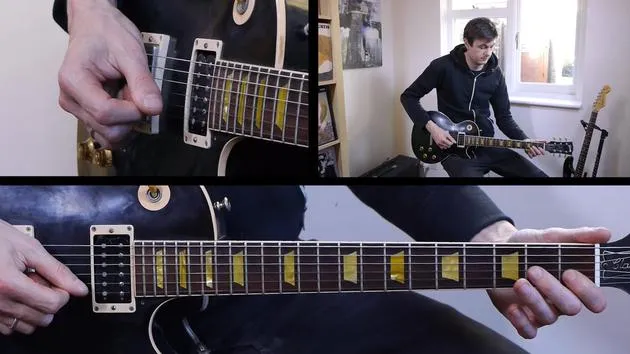
Intentionally, what we've done when looking at the chord tones is kept the right hand really simple because we want to focus on finding the good notes. We don't want to worry too much about when to play these notes.
- That's why I played everything on beat one pretty much; it means I can concentrate on my left hand.
- It just requires a lot of thinking, especially when you're new to this stuff.
It's like, "Right, okay, I want to play the third of this chord. What is it? Where is it?" There's a lot to think about, let alone having to worry about what rhythm to play.
Restricting the Left Hand
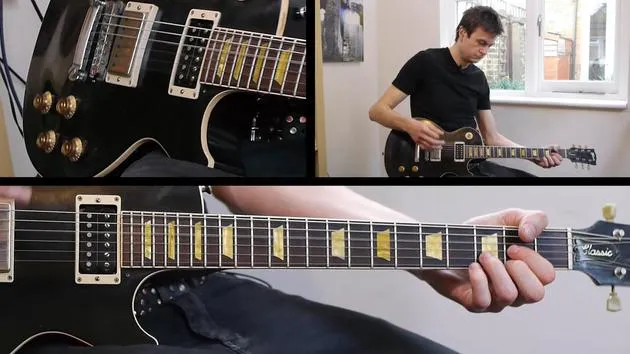
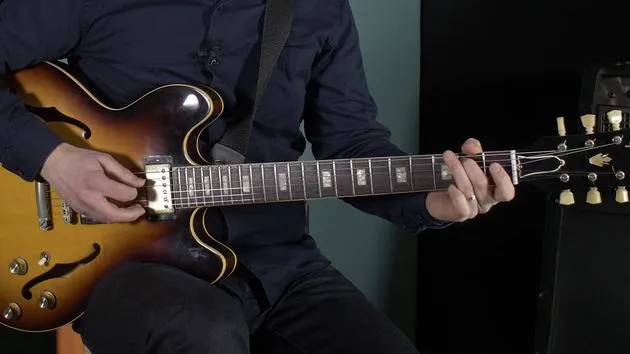
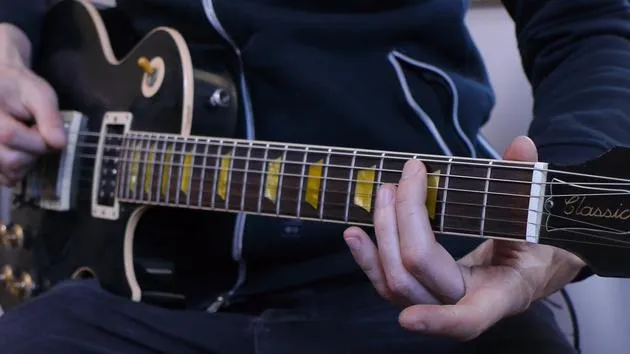
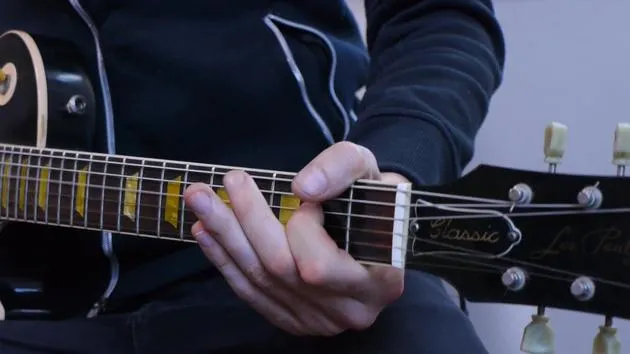
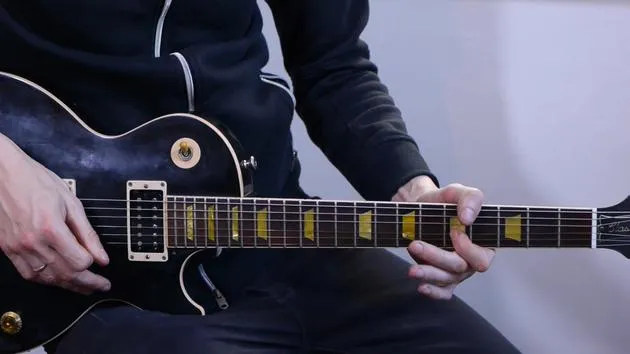
So why don't we try now restricting the left hand a little more?
- We're not going to move around anywhere near as much.
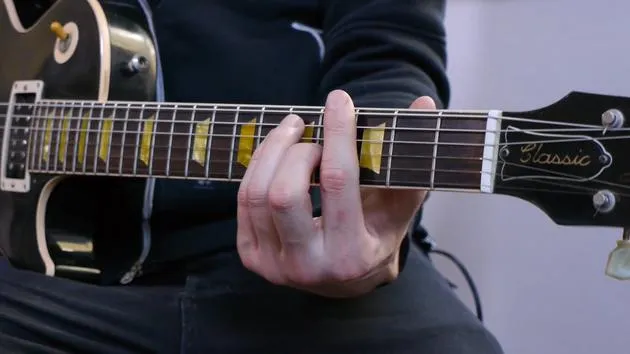
- We're still going to take the three chord tones but in a limited area.
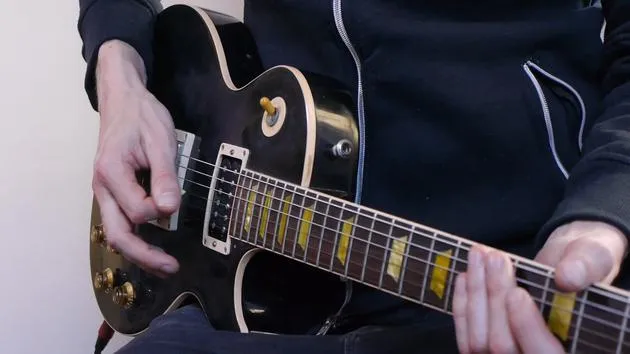
This time, we can start to think more about the right hand's rhythm.
Rhythm Ideas
Here are some options for different rhythms that we could come up with:
- If you've got a friend who plays, perhaps they can lay down more of a rhythmic strum pattern this time rather than just a single chord.
- Or maybe your teacher can help.
- Again, if you have your loop pedal, you can pop down a simple strum pattern just on a G chord, and then we can mess around with some rhythmic ideas, but using only three notes.
Experimentation
Remember our three chord tones over our G: G, B.
- We started off really basic with just three instances of those chord tones.
- As I got a bit bored, I moved down to some lower tones and then up to some higher tones.
However, try to avoid moving around too much within one particular instance and just experiment with varying up the rhythmic divisions that you're playing.
Rhythmic Divisions
Whether you're playing:
- Quarter notes
- 3, 4, 8 notes
- 16th notes, or even triplets
You've got loads and loads of options to play with!
Final Thoughts
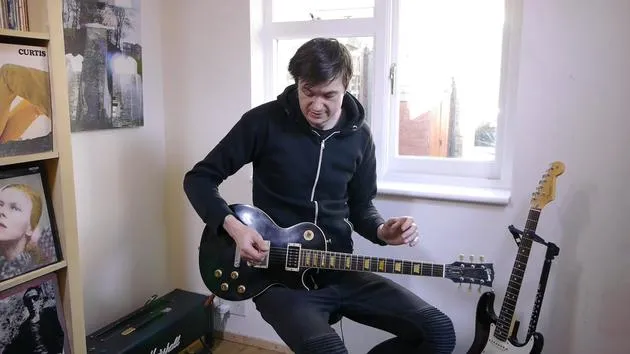
I think developing your rhythm can be done effectively by restricting what your left hand is doing.
- You don't want to be thinking about coming up with really cool rhythms at the same time as worrying about what notes to play.
- So, simplify one hand, experiment with the other, and then combine both.
The next step will be taking this and applying it to a natural chord progression where we change the chords underneath rather than just sticking to a single chord.
Good luck with that! Let's check out some chord progressions.
38 lessons
2h 32m of structured video lessons
Advanced video features
Slow down, loop a passage, follow along
Mobile, tablet & desktop
Practise wherever you are
100% satisfaction guarantee
30-day money-back guarantee