



Mastering improvisation & Interpretation
How to read and interpret full-kit notation across styles, eighth-note rock, sixteenth-note funk, triplet shuffle, jazz and odd-time grooves, so you play the right feel from the page.
What's in the course
29 lessons (2h 46m) · 1 free
01. Chameleon - Herbie Hancock
2:55
02. Superstition – Stevie Wonder
3:00
03. Dutch Flowerz – Skream
2:42
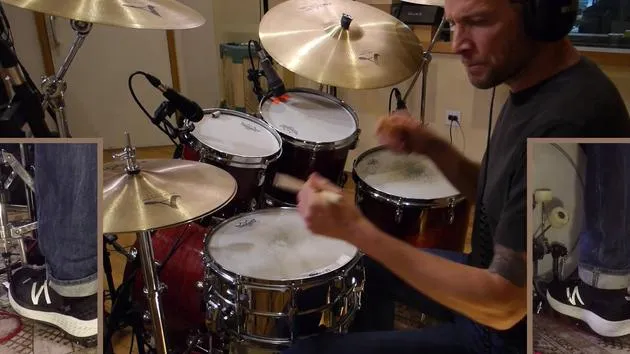
04. Ziggy Stardust – David Bowie
2:46
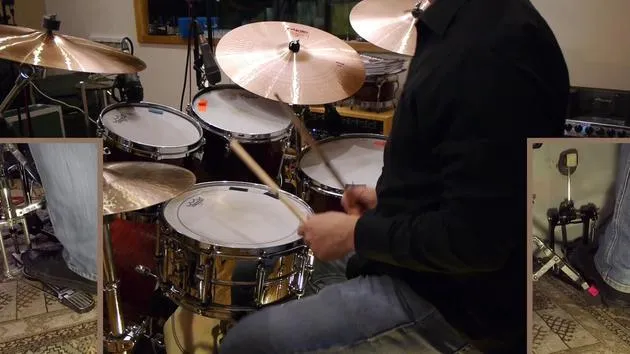
05. Rock The Bells – LL Cool J
3:04
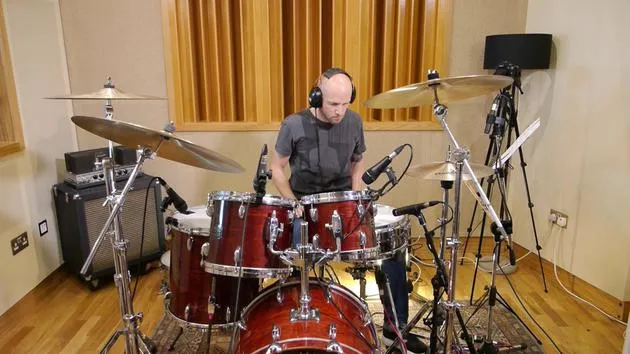
06. I Got You (I Feel Good) – James Brown
2:51
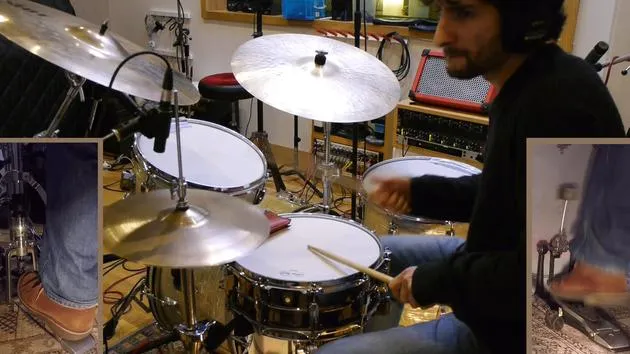
07. Mohair Mountain
3:01
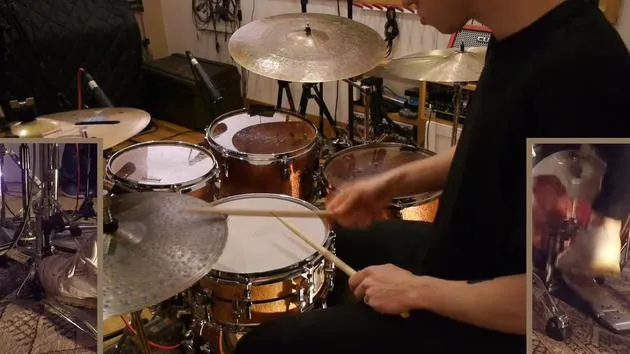
08. Pop It In The Top
Free lesson2:59
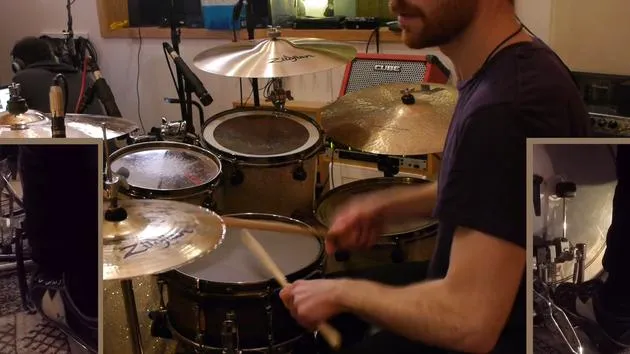
09. Mind Sweeper
2:35
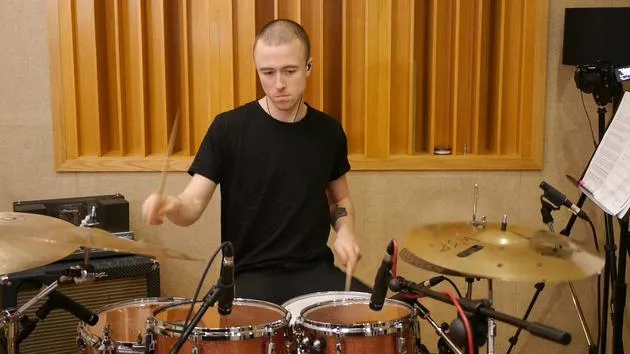
10. Favela
2:41
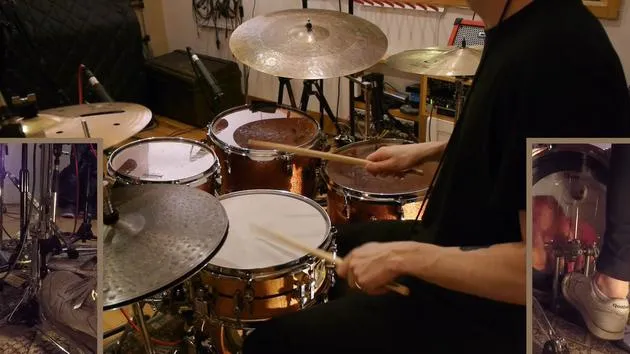
11. Space Future
2:47
12. You Can Call Miguel
2:30
01. Ziggy Stardust – David Bowie (Analysis)
9:38
02. Dutch Flowerz – Skream (Analysis)
10:44
03. Superstition – Stevie Wonder (Analysis)
11:12
04. Chameleon - Herbie Hancock (Analysis)
11:20
05. I Got You (I Feel Good) – James Brown (Analysis)
9:37
06. Rock The Bells – LL Cool J (Analysis)
12:16
07. Mohair Mountain (Analysis)
12:25
08. Pop It In The Top (Analysis)
7:14
09. Mindsweeper
10:40
10. Favela (Analysis)
6:42
11. Space Future (Analysis)
4:50
12. You Can Call Miguel (Analysis)
8:24
Lesson transcript
Composite Reading in Drum Kit
In what I would like to call a composite reading situation, we're looking at different parts of the drum kit. Here are some key concepts to keep in mind:
- Eighth Note Rock Groove
- Sixteenth Note Funk Groove
- Triplet Shuffle Groove
- Jazz Rhythm
- Odd Time Groove
These styles can be represented on the staff.
Getting Started
The best way to practice this is to:
- Look through your pieces
- Get familiar with the styles in the various pieces
- Work through this with your teacher, if you have one
Make sure you're interpreting the information correctly.
Understanding Notation
You'll generally see notation as a representation of the grooves or styles you're playing:
- In typical pop and rock grooves, whether commercial rock or heavy metal, it's often written as eighth notes.
- In jazz, shuffle, and blues (swing blues), you'll be exposed to triplets, such as eighth note triplets or swung eighth notes.
- Swung eighth notes is another great sight-reading concept.
Funk Styles
When moving into funk, you'll encounter:
- More sixteenth notes
- More bass drum notes
- Short fills (16th note phrases around the drums or mainly on the snare drum)
These are representative of a funk groove.
Hip Hop and Fusion
In some hip hop grooves or funk shuffle grooves, expect:
- More 16th note triplets or variations of these.
In some fusion tunes, particularly at higher grades, you might even be playing 30-second note fills around the kit.
Latin Rhythms
In Latin tunes, anticipate:
- Cut time rhythms or 2/4 rhythms
- Reading flam notes
Everything has a stylistic interpretation.
Melodic Lines and Improvisation
Grab some melodic lines from various instruments, such as:
- Trumpet parts
- Piano parts
- Saxophone parts
Look at those single-line rhythms and see how they differ from drum notation.
In melodic parts, you'll often see many ties because those notes are held, making phrases look different. Sourcing material from non-drum charts, such as melodic charts and lead sheets, will really help with your interpretation and improvisation of chart reading.
Exam Preparation
Consider looking at pieces you're not performing in your examination to check out:
- Stylistic requirements
- Tempo ranges
- Phrases
- Individual lines (like rhythmic lines, ride lines, and bass drum parts)
This exploration can assist in your overall reading perspective.
Quick Study Pieces
Finally, at grades 6, 7, and 8, you'll encounter quick study pieces:
- These are unprepared pieces and mainly serve as sight-reading pieces.
- They are typically longer pieces that are very specifically stylistically based.
With enough practice on the other grades and pieces, you'll have no problem with the quick-study pieces, combining single-line phrases, fills, improvisation, and development in specific styles.
I hope that helps with your sight reading. Best of luck!
29 lessons
2h 46m of structured video lessons
Advanced video features
Slow down, loop a passage, follow along
Mobile, tablet & desktop
Practise wherever you are
100% satisfaction guarantee
30-day money-back guarantee







