



Sight reading tips

What's in the course
29 lessons (2h 24m) · 1 free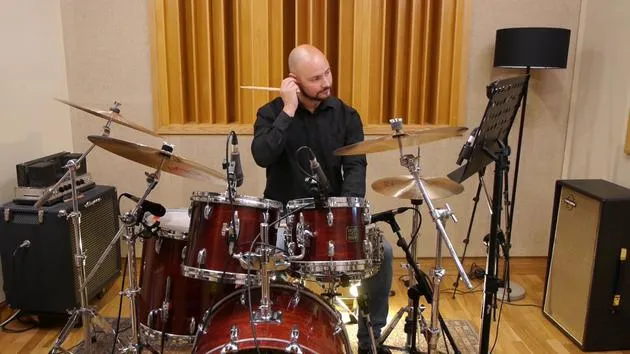
01. Ready or Not – Fugees
2:34
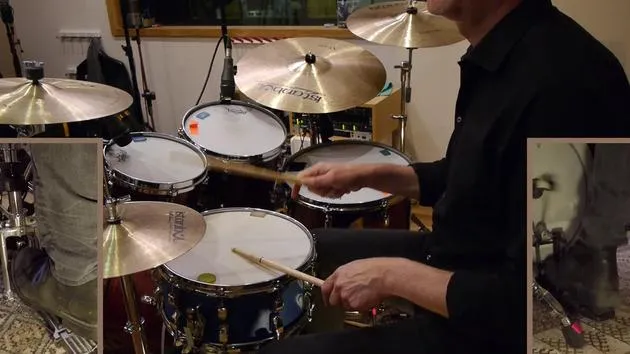
02. Sweet Home Alabama – Lynard Skynard
2:10
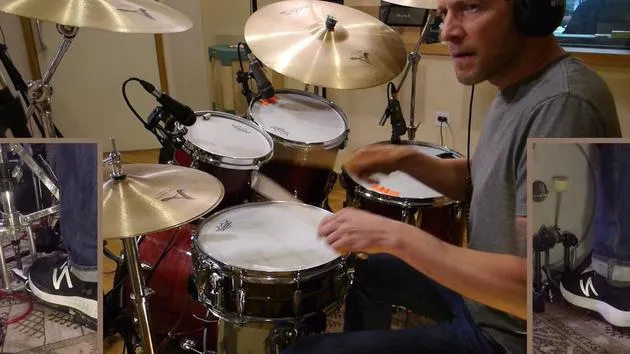
03. Let’s Dance – David Bowie
1:58
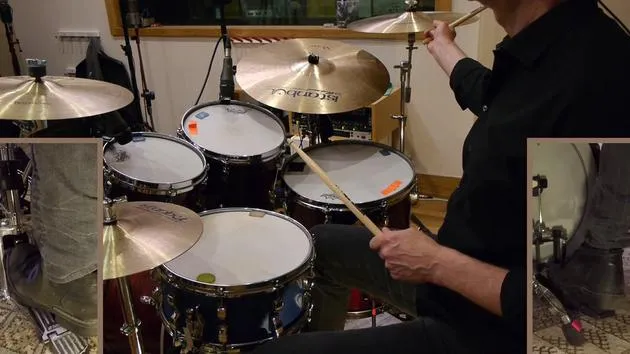
04. Respect – Aretha Franklin
2:14
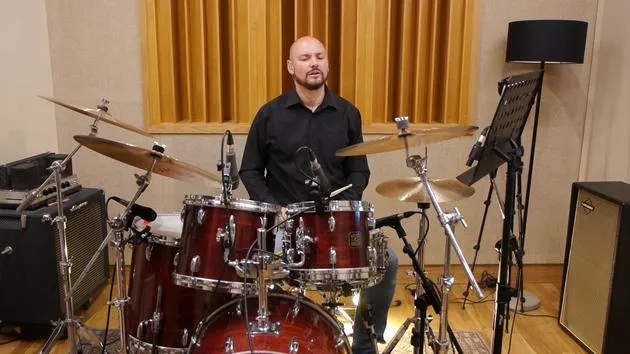
05. In My Place – Coldplay
2:21
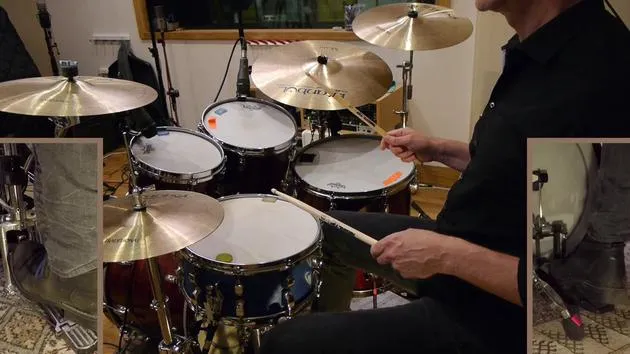
06. Scary – Stormzy
1:54
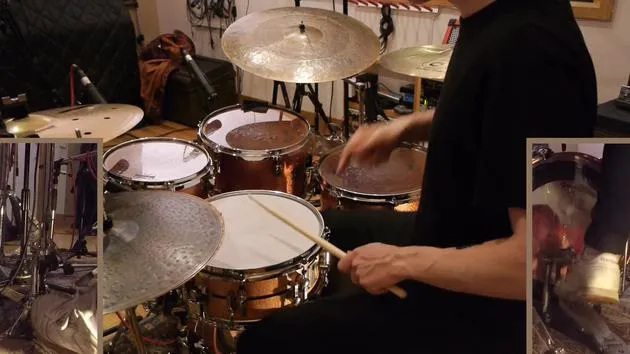
07. Cold Pants
2:00
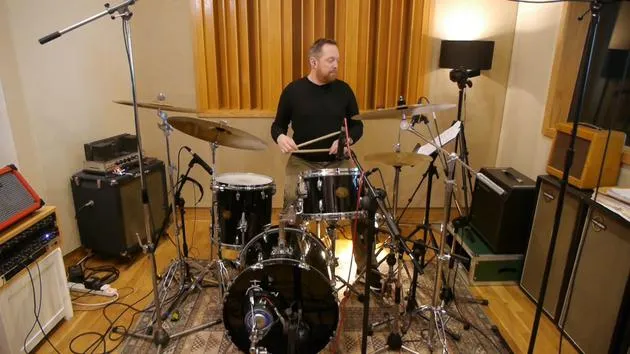
08. Attitude
1:59
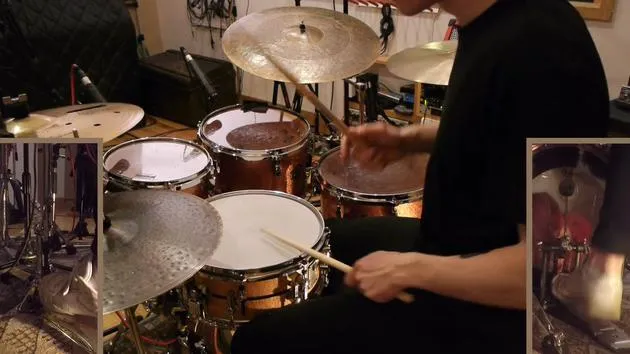
09. The Nod
2:00
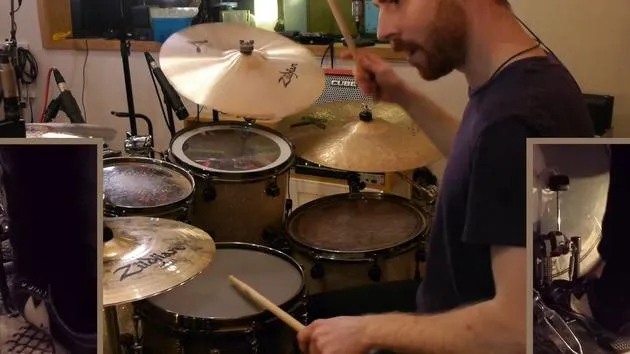
10. Hammerblow
Free lesson2:04
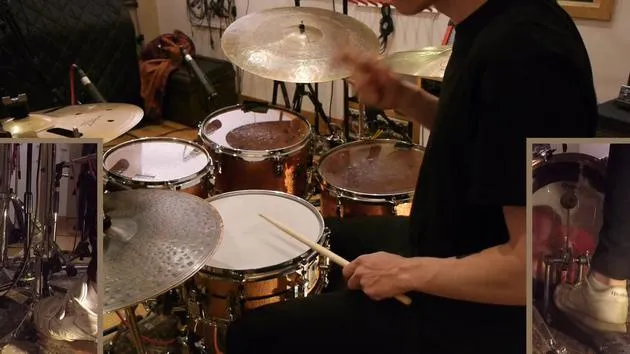
11. Jahmake Ska
1:58
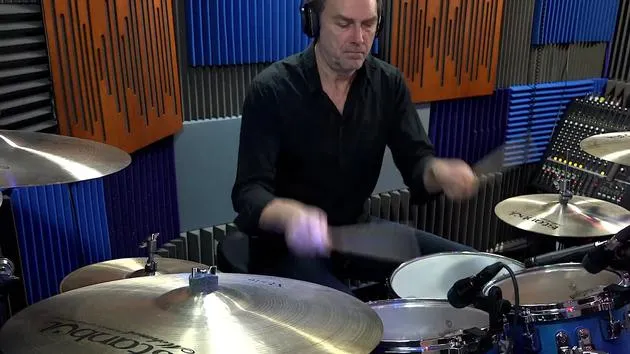
12. Noisy Neighbour
1:57
01. Let’s Dance – David Bowie (Analysis)
8:26
02. In My Place – Coldplay (Analysis)
10:16
03. Scary – Stormzy (Analysis)
10:27
04. Respect – Aretha Franklin (Analysis)
9:50
05. Ready or Not – Fugees (Analysis)
7:51
06. Sweet Home Alabama – Lynard Skynard (Analysis)
8:33
07. Noisy Neighbour (Analysis)
17:14
08. Cold Pants (Analysis)
4:24
09. Attitude (Analysis)
6:22
10. The Nod (Analysis)
4:18
11. Hammerblow (Analysis)
11:04
12. Jahmake Ska (Analysis)
4:00

Lesson transcript
Music Lesson: Sight Reading and Improvisation
Introduction
In grades one to five, you are required to choose between sight reading and interpretation and improvisation. You might ask, "Why do I need to read?"
Importance of Sight Reading
Sight reading is a crucial professional skill with many benefits:
- In a professional context, you may be handed a chart that you need to read.
- At Rock School, we emphasize the importance of this skill as a key criterion in the examination package.
Tips for Sight Reading
Single Line Reading
First, I will provide tips on how to navigate single line reading, followed by what we call composite groove reading. This will assist with interpretation and improvisation.
-
Understand the Process:
- Sight reading involves looking at notes and assembling them into phrases.
- Recognize those phrases in a sight reading situation.
-
Initial Analysis:
- When you first encounter a phrase, work it out slowly.
- Break it down: For example, listen to this 16th note phrase:
- "1, 2, 3, 4".
- Then, comprehend its sound:
- "1 and a 2 and a 3 and a 4".
-
Automatic Response:
- Aim for an automatic response to the rhythm when you see it on the page.
- This learning process is similar to stringing words together as you read or speak.
Understanding Phrasing
Every subdivisional note and pulse has its phrasing system:
- For eighth notes, you can break them down as follows:
- Downbeat: Quarter note: 1, 2, 3, 4.
- Half-beat: 1 and 2 and 3 and 4.
- Pairs: 1 and 2 and 3 and 4.
Triplet Phrases
When playing triplet phrases, break them down into groups:
- 1, 2, 3, 4:
- "1 triplet 2 triplet 3 triplet 4 triplet."
Recognize groups of triplets:
- You could play the first two triplets:
- "1, 2, 3, 4, 1 triplet 2 triplet 3 triplet 4 triplet."
16th Note Phrases
As the complexity increases:
- Play four 16th notes with the tempo:
- "1, 2, 3, 4."
- "1 E and A 2 E and A 3 E and A 4 E and A."
Common 16th Note Phrases
Experiment with combinations:
- First, third, and fourth notes, for example:
- "1, 2, 3, 4; 1 and a 2 and a 3 and a 4."
Practice Requirements
Recognizing how notes look and rhythms sound is crucial.
- Consistent practice will enhance your sight reading skills in a musical and professional context.
- You'll also encounter 16th note triplets and 32nd notes as you progress through the higher grades.
Conclusion
Understanding how these phrases fit together and recognizing note values and subdivisions is key to becoming a skilled reader and performer. By practicing regularly, you'll see significant improvements in your sight reading abilities.
29 lessons
2h 24m of structured video lessons
Advanced video features
Slow down, loop a passage, follow along
Mobile, tablet & desktop
Practise wherever you are
100% satisfaction guarantee
30-day money-back guarantee







