



Analysis, explanation, demonstration of the Fugue Movement
With
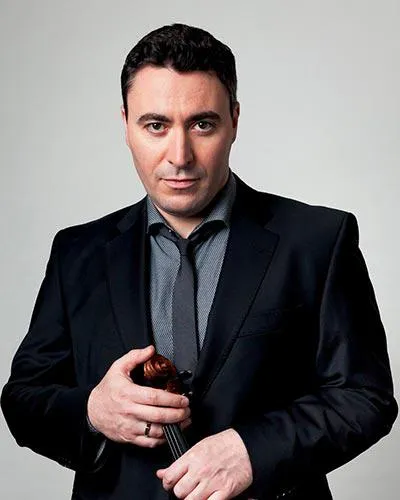
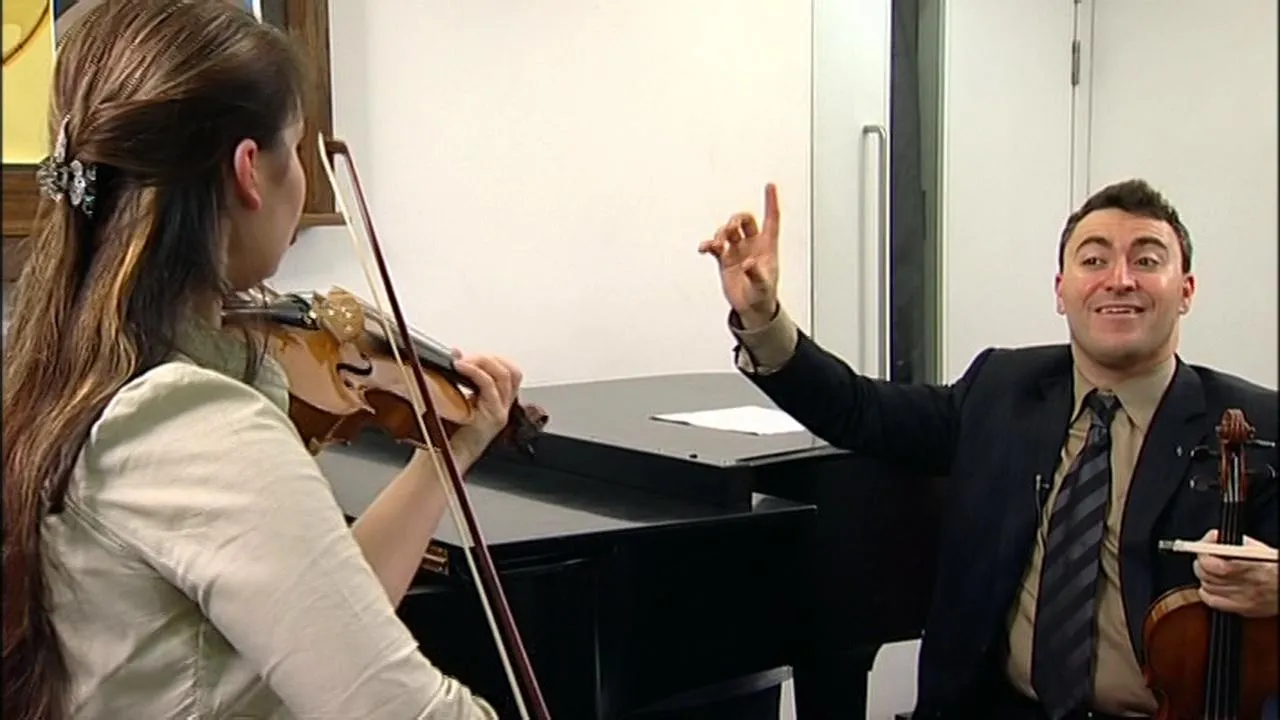
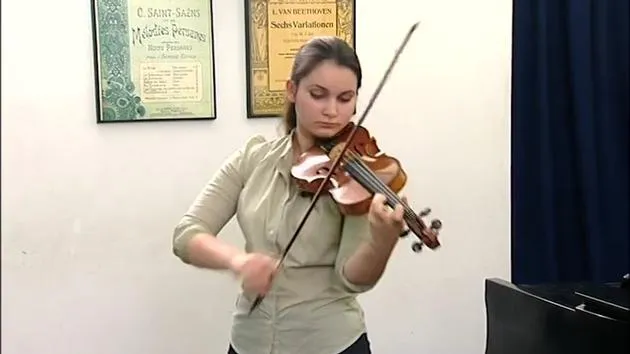
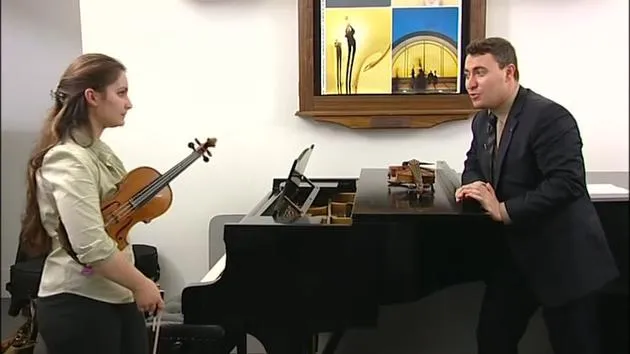
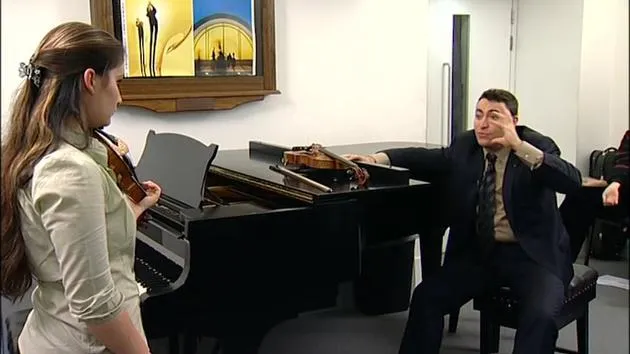
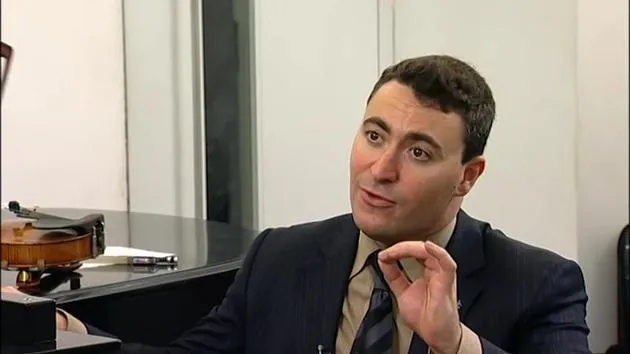
Maxim VengerovMaxim Vengerov works with Nasrin on the Fugue from Bach's Sonata No. 1, focusing on separating the voices so the main theme sings through, alongside tempo and interpretation.
What's in the course
5 lessons (0h 55m) · 1 free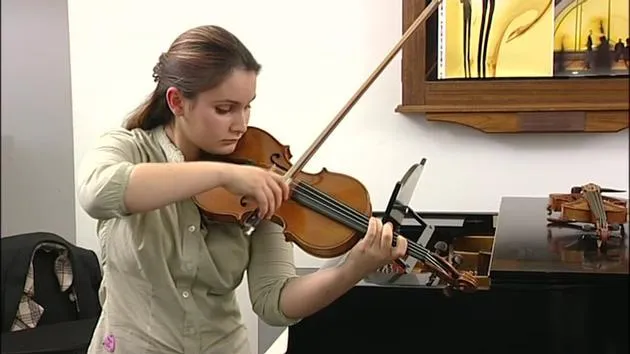
Lesson transcript
Music Lesson on Fugue and Intermediate Techniques
Key Points to Remember
-
Separation of Voices
- The fugue is strict and mathematical.
- The main theme has to be heard clearly while the supporting voices should be softer.
- Practice separating movements; apply less pressure on supporting sounds.
-
Listening and Experimenting
- Aim to hear two or three voices simultaneously.
- If supporting voices are too loud, the main theme may become lost.
Understanding Fugue
- Boss of the Fugue: In fugue, you are in control.
- The structure of the fugue needs to be maintained; excessive crescendos from all notes can detract from the music's dance-like quality.
- Focus on accentuating every second or third note with crescendos, ensuring it doesn't disrupt the tempo.
Performance Strategy
- Maintain one tempo throughout the fugue; avoid creating a sense of nervousness about when it will end.
- Utilize calmness and serenity, culminating in an explosive cadenza at the end.
- Ensure the music feels like it's coming from within. The audience should wonder about the sound's origin, believing it's a recording when it's actually you.
Practical Exercise
-
Articulation and Volume Control:
- Take the first note with a certain volume, the second note with a different one, and the third note distinctly.
- Imagine it as if one person is controlling the volume on a TV; adjust the articulation carefully.
-
Focus on Variations:
- Choose exact articulation and separation; avoid exaggeration.
- Maintain precise length and calculated dynamics.
Intermediate Techniques
-
Harmonic Awareness:
- Don't play all the notes without thinking; focus on the harmonic structure.
- Identify if certain harmonies seem foreign and understand their significance.
-
Interpretation and Importance:
- Decide what should be emphasized within the intermediate piece.
- Your interpretation may shift based on how you approach the fugue.
Conclusion
-
Balancing Importance:
- Avoid making all notes sound equally important; this can dilute the essence of the fugue.
- Communicate effectively with the audience by signaling what is less important.
-
Rhythmic Consistency:
- Be aware of when to take time and when to move forward.
- Have a strategy for your performance, emphasizing relative importance.
Thank you very much!
5 lessons
0h 55m of structured video lessons
Advanced video features
Slow down, loop a passage, follow along
Mobile, tablet & desktop
Practise wherever you are
100% satisfaction guarantee
30-day money-back guarantee
Meet your guru
Meet your guru
Maxim Vengerov is recognised as one of the world's most exciting violinists. He gave his first recital at the age of five and, after studying with Galina Tourchaninova and Professor Zakhar Bron, went on to win First Prize in the Junior Wieniawski Competition at the age of ten. In 1990, aged fifteen, he won the Carl Flesch International Violin Competition, confirming his reputation as a musician of the very highest order.
In May 2000, following a ten-year recording contract with Teldec Classics, Maxim Vengerov signed an exclusive contract with EMI Classics. His awards and prizes have included Gramophone Young Artist of the Year and Ritmo (Spain) Artist of the Year in 1994; Gramophone Record of the Year and Grammy Award nominations for Classical Album of the Year and Best Instrumental Soloist with Orchestra in 1996; the Edison Award for Best Concerto Recording in 1997; Gramophone Artist of the Year in 2002; and both an Edison Award and a Grammy Award in 2004 for Best Instrumental Soloist Performance (with Orchestra) for his recording of the Britten Violin Concerto and the Walton Viola Concerto.
In 1997 Vengerov was the first classical musician to be appointed Envoy for Music by UNICEF. In this role he has met and performed for disadvantaged children in Uganda, Harlem, Thailand, and on both sides of the Kosovan ethnic divide - work that has allowed him both to inspire children worldwide and to inspire others to raise funds for UNICEF-assisted programmes. Another passion of Vengerov's life is his involvement with young people through giving masterclasses. One such event was recorded by Channel Four Television as part of a documentary on Vengerov called 'Playing by Heart', shown at the Cannes Television Festival in 1999. Since June 2005 he has been Professor of Violin at the Royal Academy of Music, London.
That same teaching passion runs through his MusicGurus masterclasses, where Vengerov takes you inside the great violin repertoire - from Ravel's Tzigane and Sarasate's Carmen Fantasy to the concertos of Sibelius, Mendelssohn, Britten and Shostakovich - sharing the technique and musicianship behind every phrase.







