



Vocal exercise 1
With
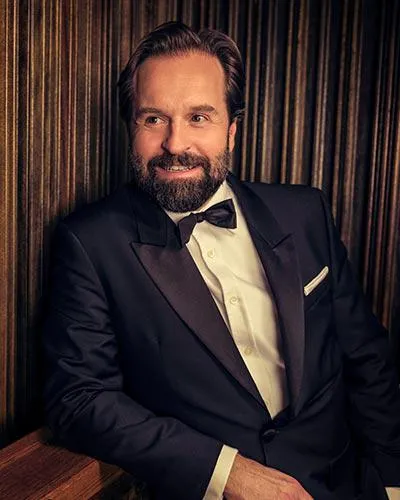
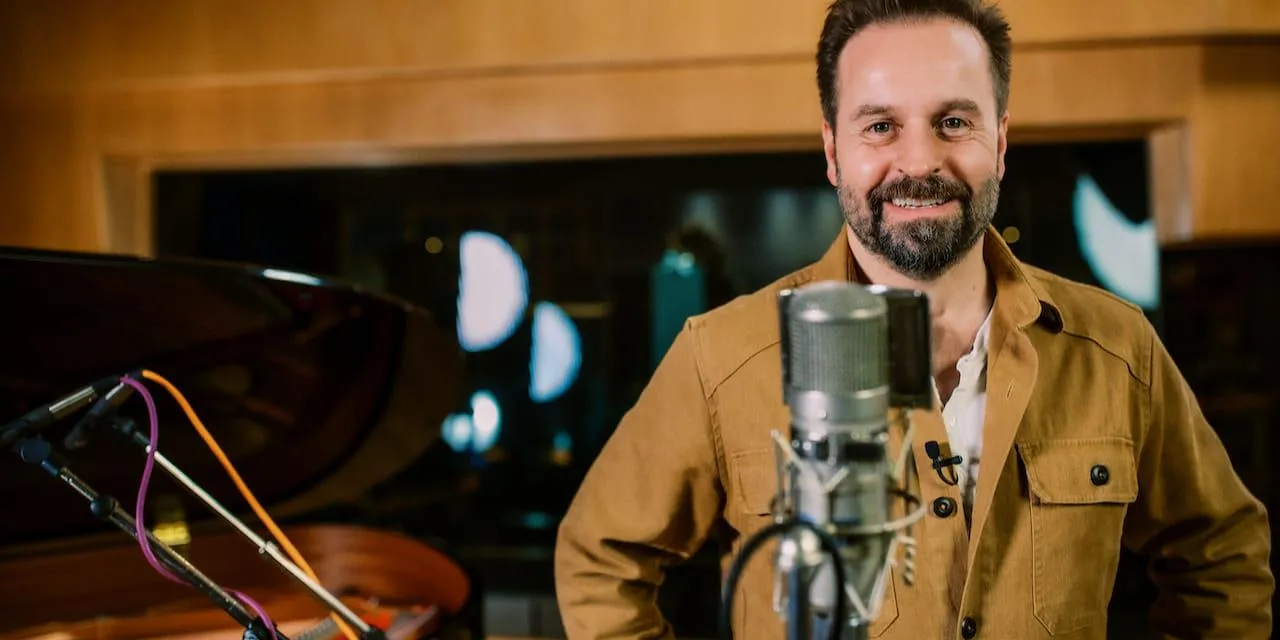
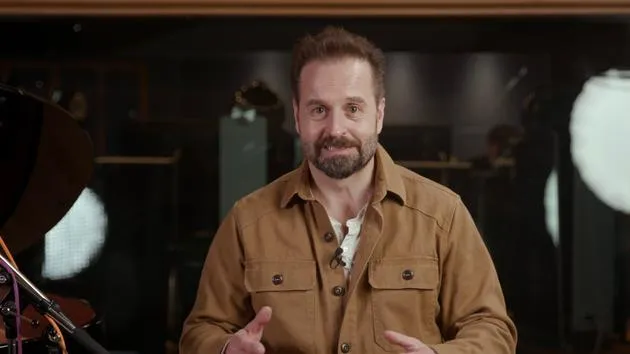
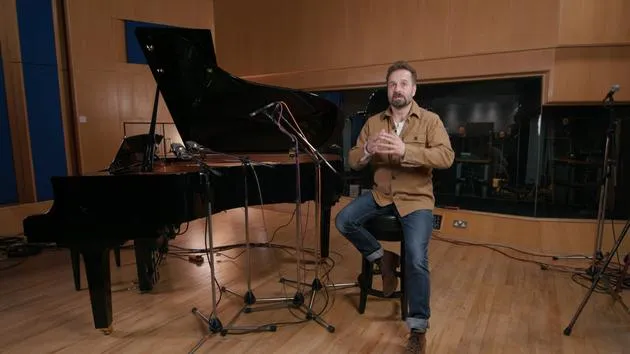
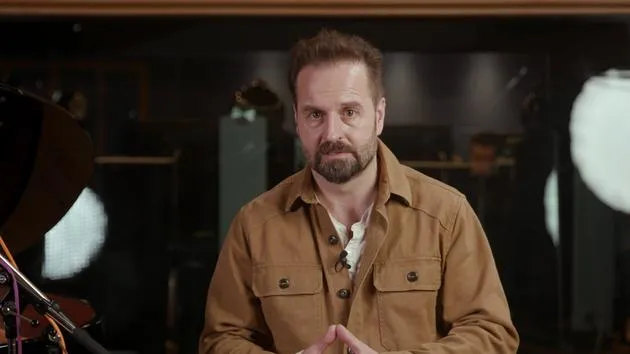
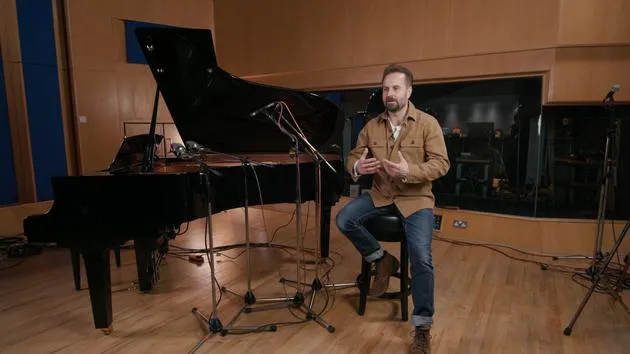
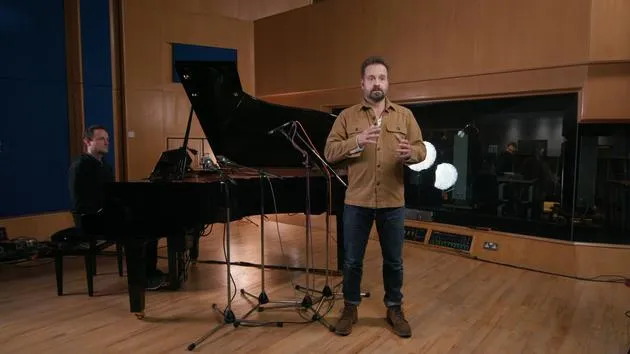
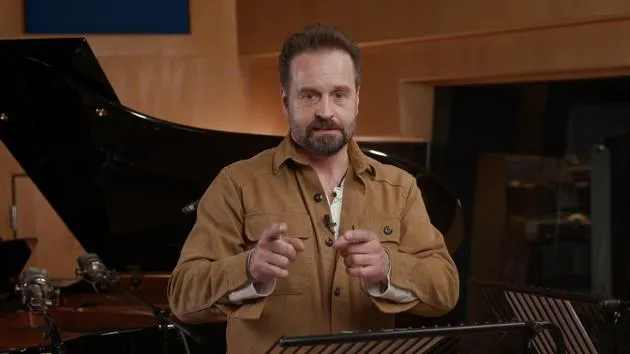
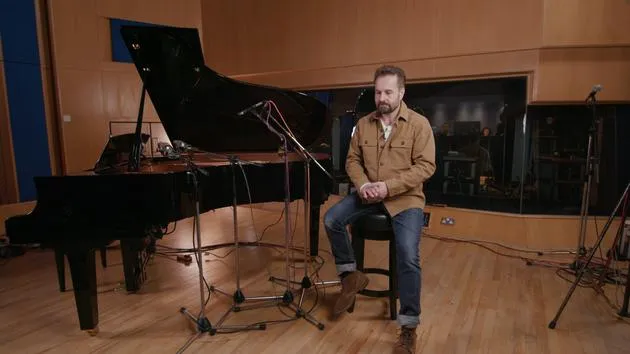
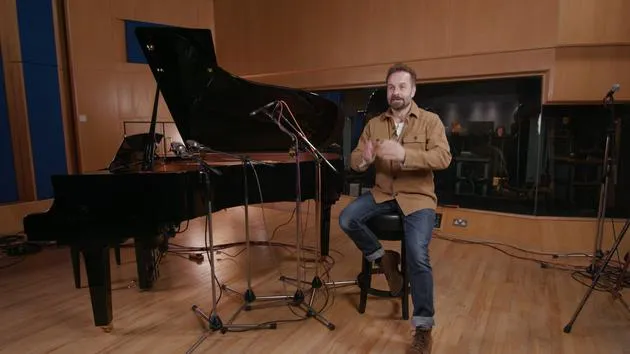
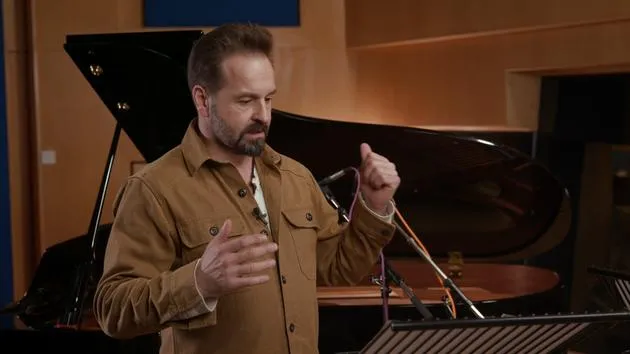
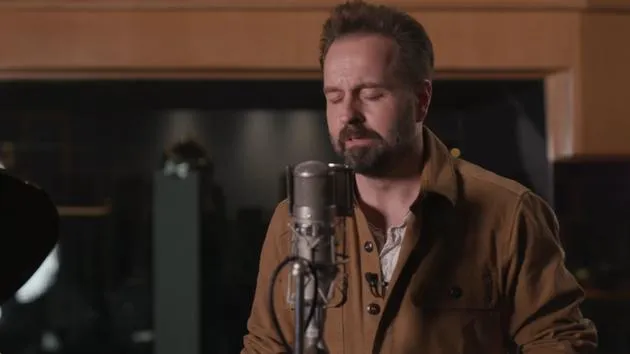
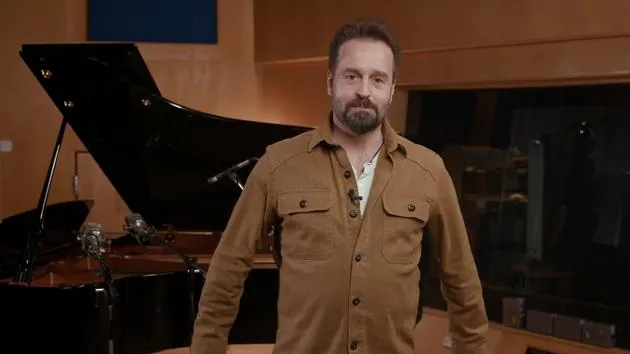
Alfie BoeAlfie Boe leads a warm-up on the five Italian vowels, working a simple scale and the idea of flowing onto each note rather than hitting it.
What's in the course
27 lessons (2h 6m) · 1 free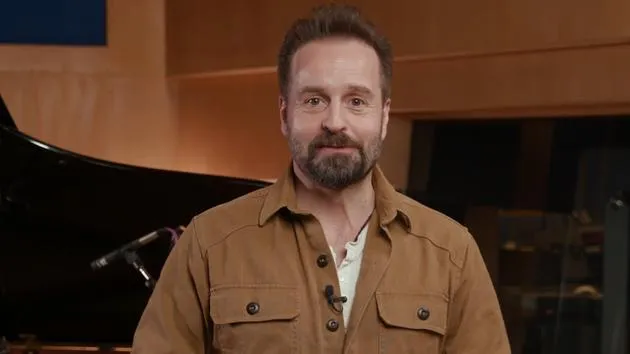
Lesson transcript
Italian Vowel Exercise
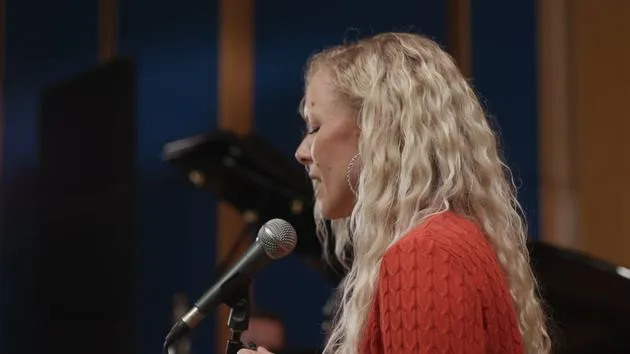
So we're going to start off with the first exercise, which is just on the vowels, but it's Italian vowels: A, E, I, O, U. We're going to do it right now; it's a little scale. I'm going to give you an example of how to start.
Preparation for the Scale
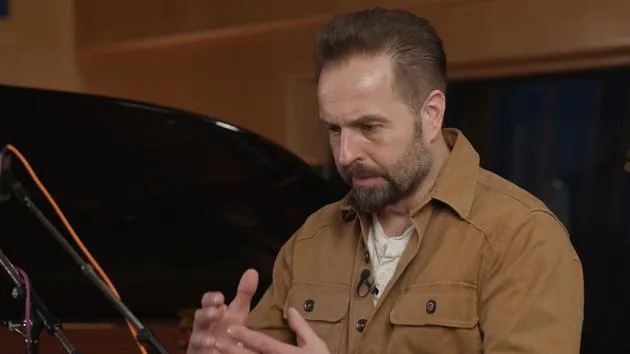
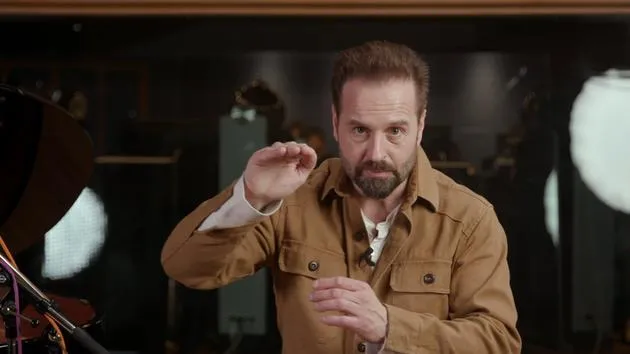
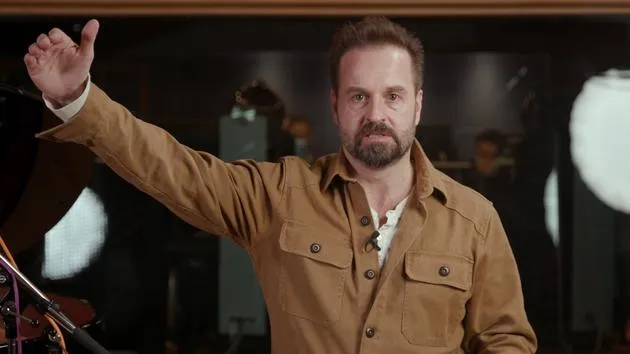
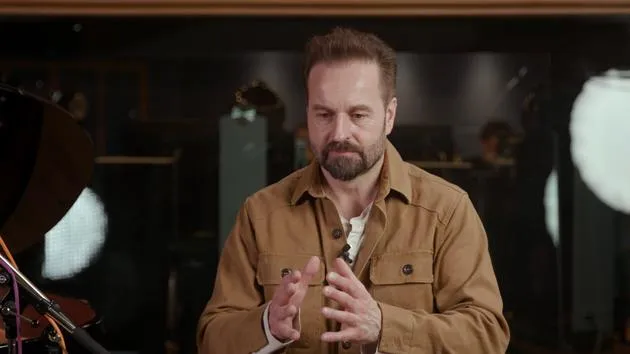
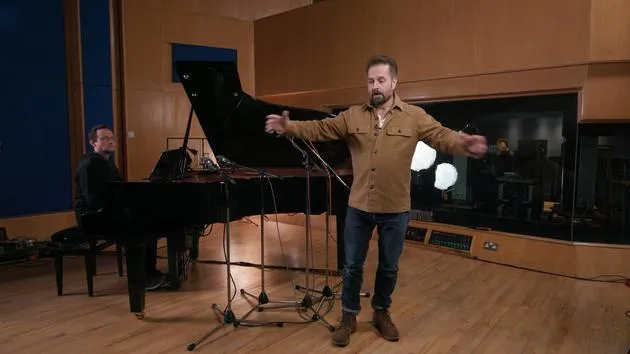
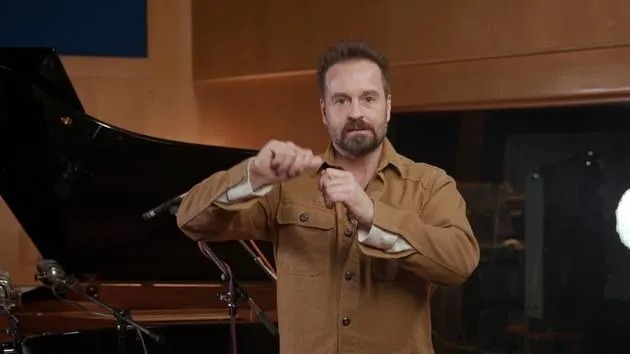
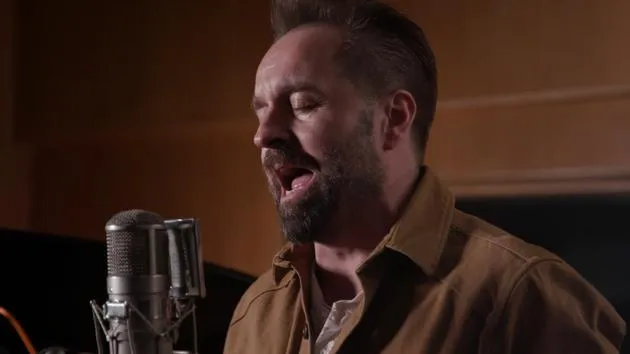
- As we go through all those vowels again in the same notation, notice that I'm trying to be physical with the sound.
- My hands are sort of leading the sound, but they're also leading my breath.
So I'm prepared to sing this scale, and then I flow into the scale.
Key Point: Don't hit the note; flow onto the note.
I'm going to give you an example of how to prepare to sing. For me personally, this is something that I find very important:
- Listen to the musical phrase first one time through.
- Then, sing it the second time it comes around.
Imagine this as being the intro to a song, the musical intro. Prepare yourself and time your preparation for that first line to be bang on. Be ready to flow onto that first note.
This exercise is a good way to get into the mindset of when you attempt a song.
Let's Give It a Try
So if we do it now, that was the preparation. We'll do it one more time, and I'll try to give you a better example.
- At the end of the first time through, give us a little bit of a break.
- Don't go straight into the second time through, just a tiny little break, then into the scale.
Follow together: Here we go.
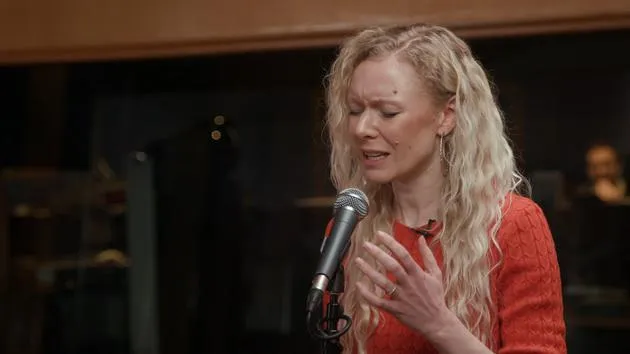
Prepare. You'll feel that flow, it's nice and gentle. It's nothing major; you don't have to sing this out. This is not the performance; this is your warm-up.
Stay on that scale; stay on that little notation. You don't have to go higher than that just yet. You're building the groundwork.
Building the Foundation
This is the groundwork for what's going to come. We're going to work on other exercises that will then develop the higher range, brightness, and tone.
Think of this moment in time as building a house, these are the foundations.
Let's go up a semitone. These are beautiful phrases; they make no sense, it's just words, just notes, just vowels.
Make them beautiful; make them pretty. Don't rush them; take your time.
Remember: It's not about doing thousands of scales; it's about doing them well. Focus on quality, not quantity.
Make sure that the voice is flowing and that the breath is there.
Move Up Again
So that's the first exercise. Then you go up again a semitone.
Prepare, prepare! Really prepare. Listen to that chord.
You don't have to go high on this first exercise either. I would probably just go a couple of semitones higher and leave that exercise be, because, like I said, that is the groundwork.
Foundation set, let's do it one more time.
Connection with Your Accompanist
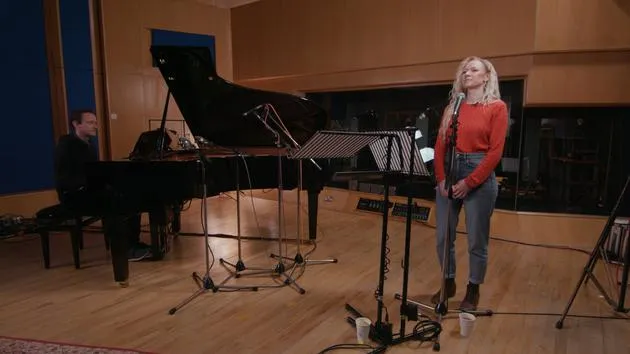
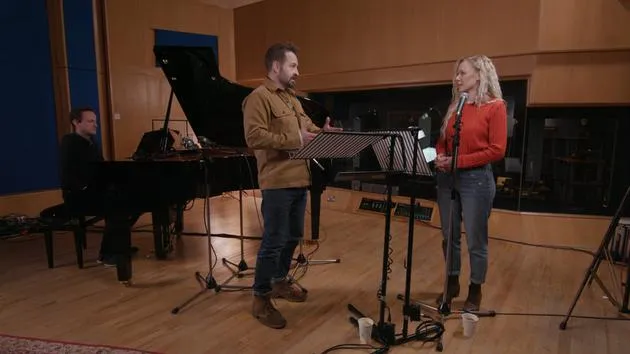
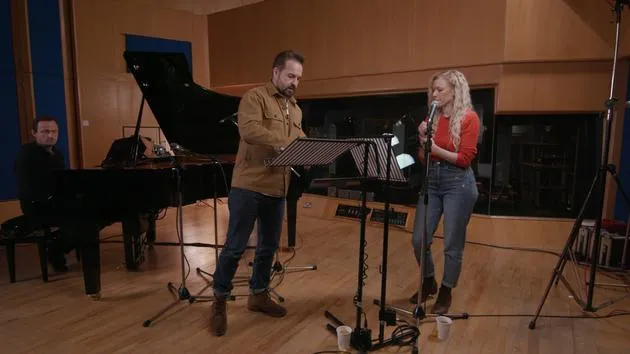
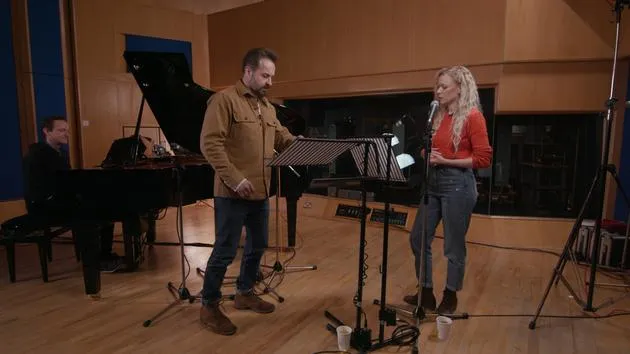
Now, one other thing I want to tell you about is the connection you have with your accompanist, whether it's a guitarist, a piano player, or any musician that is accompanying you.
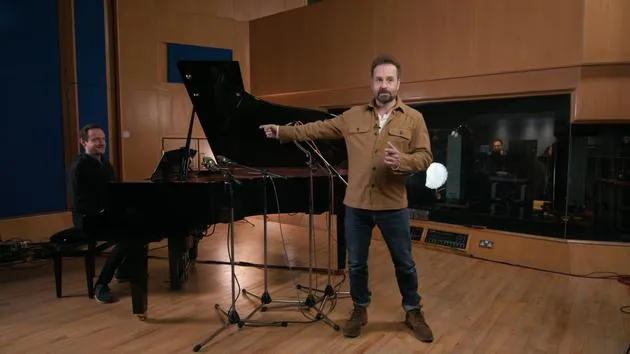
You need to have that connection. For example, Ross automatically watches my preparation, sees my body language, and knows where I'm going, when I'm going to start for him to be able to play the scale.
Key Demonstration: Ross, play that chord now.
We won't look at each other, but we better get it right this time.
Important: Ross reads my body and knows when I'm going to start singing.
This is the sign of a good musician because body language and being able to read someone, a good singer, is what it's all about.
Having that connection matters because you are not the only one on stage. There are many musicians around you, observing and watching you.
Being Prepared
You have to be prepared for anything, things going wrong or going right. And when they do, it's exciting!
Having that connection and friendship on stage is what makes music magical.
So, these exercises, even though they're just about warming the voice up, should be fun. They should be relaxed, there's no pressure, no stress. It's just chilled, relaxed musical phrases that you need to love and embrace.
27 lessons
2h 6m of structured video lessons
Advanced video features
Slow down, loop a passage, follow along
Mobile, tablet & desktop
Practise wherever you are
100% satisfaction guarantee
30-day money-back guarantee
Meet your guru
Meet your guru
Alfie Boe is a tenor from Fleetwood on the Lancashire coast. He has sung on many of the world's leading opera stages, led the cast of Les Misérables in the West End for nearly a year, and performed at the Queen's Diamond Jubilee Concert at Buckingham Palace. He has had four top-ten albums and platinum sales in the UK, with sold-out tours at venues including the Royal Festival Hall and the Royal Albert Hall. In his course he shares the daily vocal exercises and warm-ups he uses before performing - from Jean Valjean to singing for the Queen - the craft that keeps a powerful voice in shape.







