



Preparation for the warm-up

With
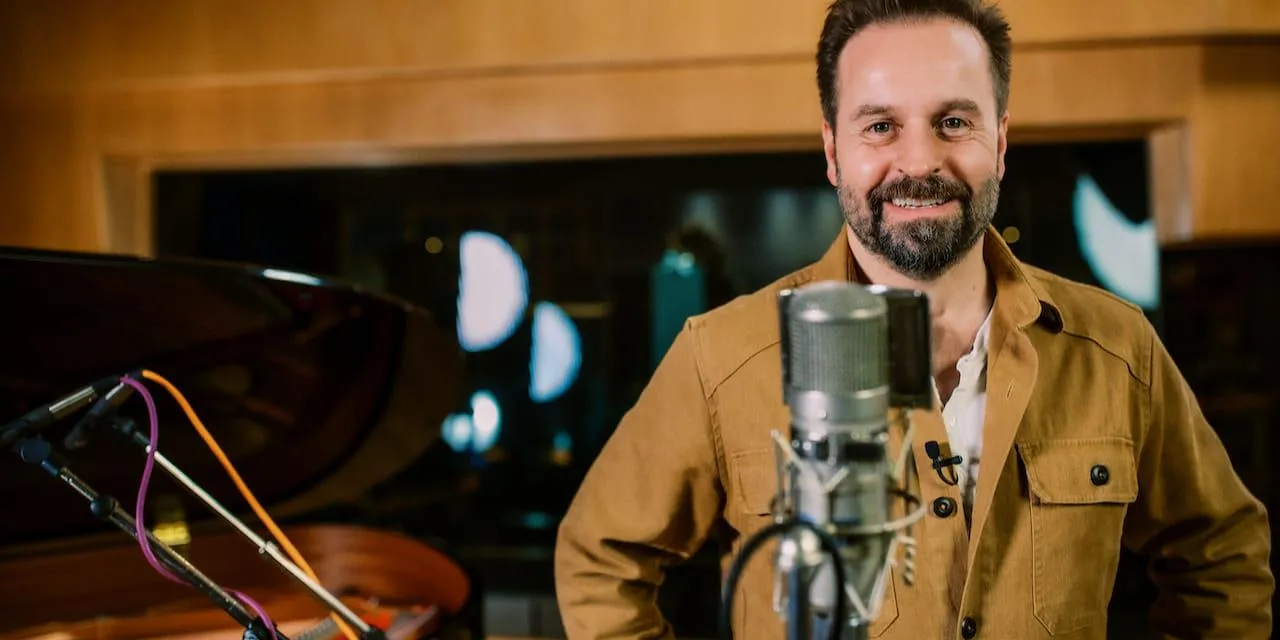
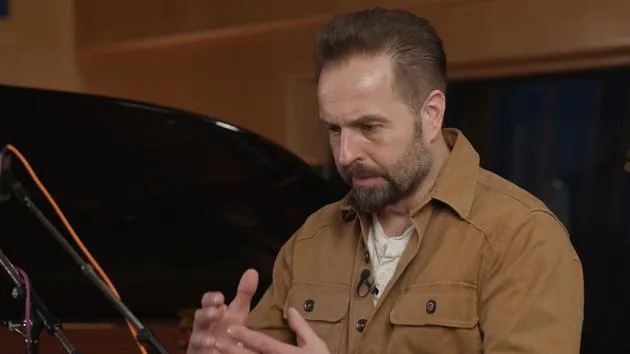
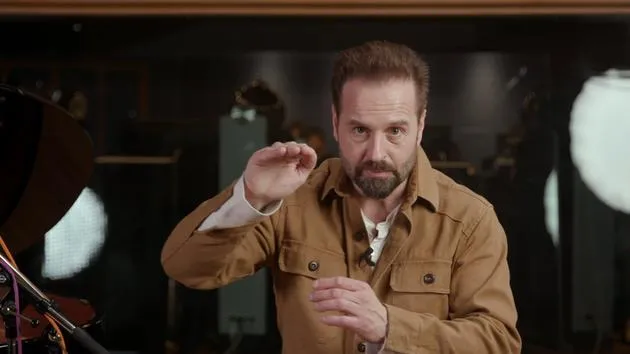
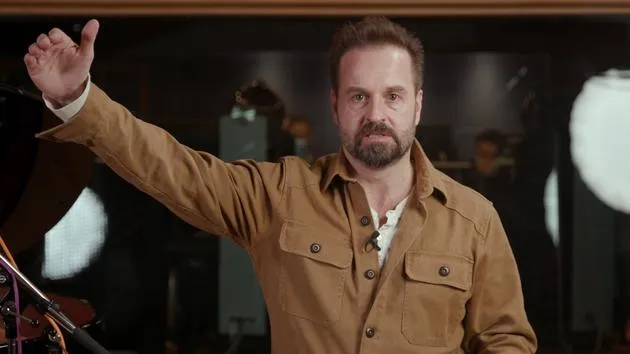
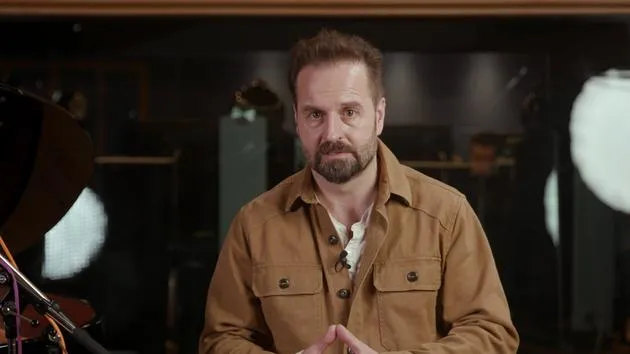
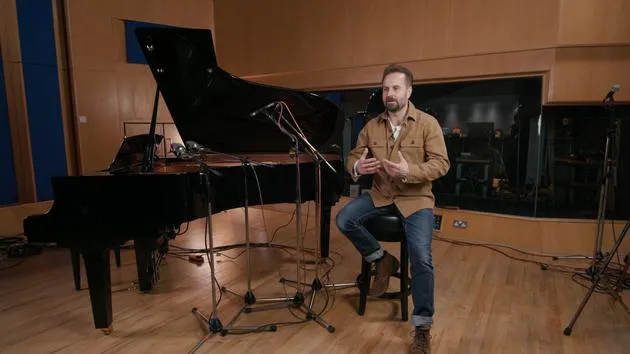
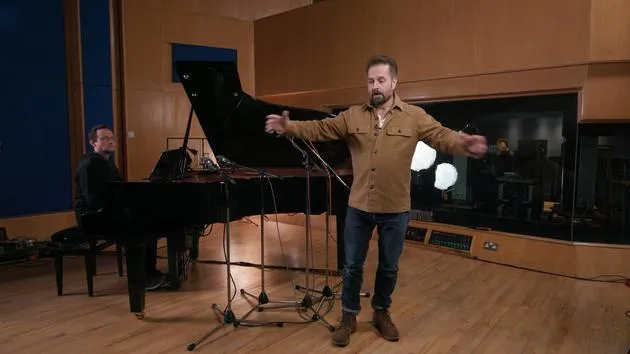
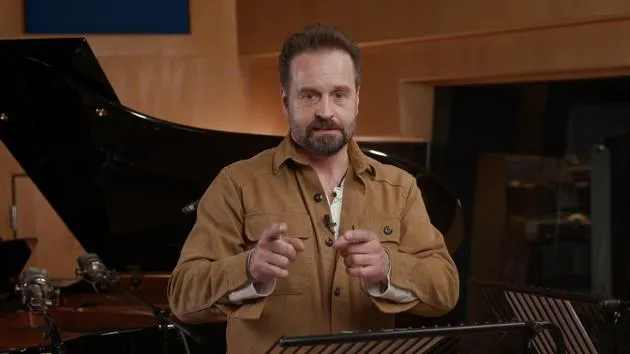
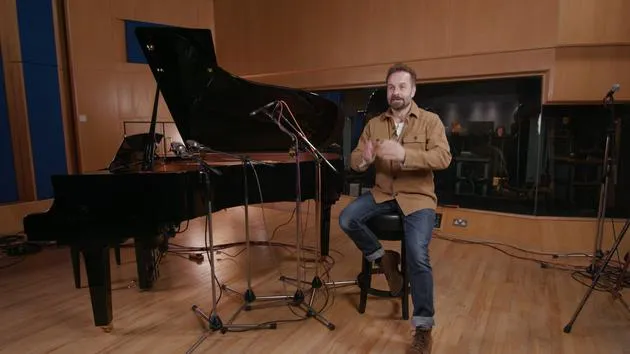
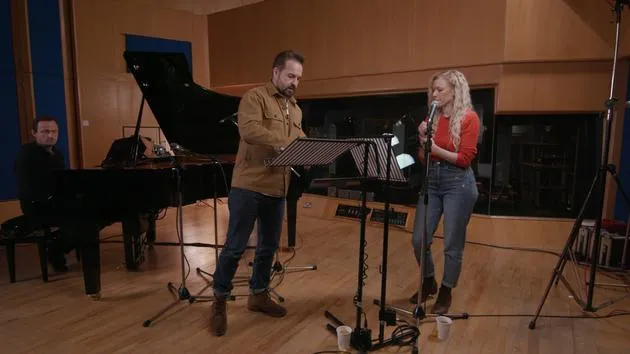
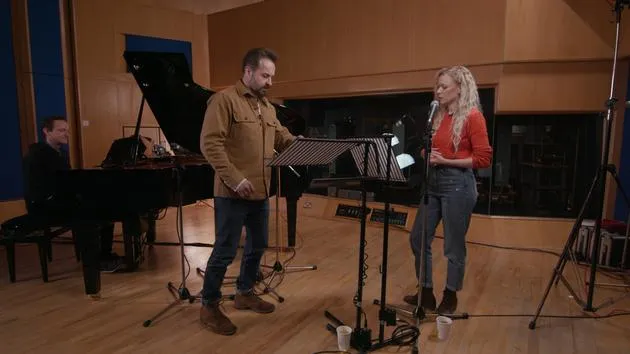
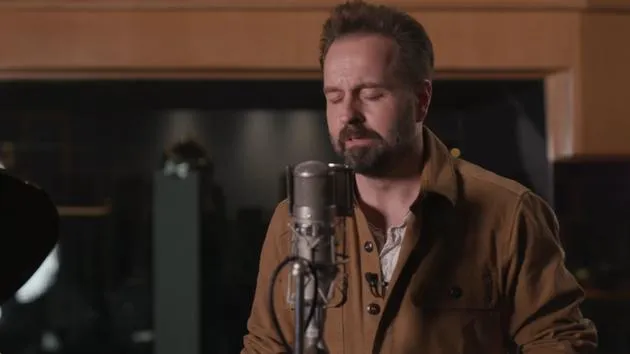
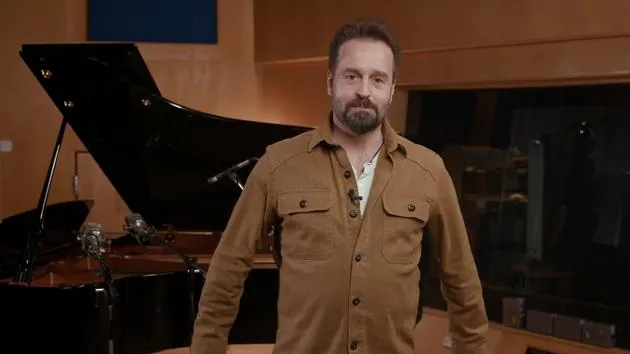
Alfie BoeAlfie Boe explains how to approach a vocal warm-up - staying relaxed and gentle rather than straining, so your voice is fresh for a performance.
What's in the course
27 lessons (2h 6m) · 1 free
Lesson transcript
Embracing the Meditative State for Vocal Warm-Up
So now that we've gotten into that meditative state, our producer mentioned that word, and it's a fantastic one to use. That meditative state is the mindset we want when approaching a song or a performance.
The Importance of a Vocal Warm-Up
We're going to do a little vocal warm-up. There's a reason why it's called a warm-up.
-
Personal Experience: I used to believe that I needed to do thousands of scales, going up and down for a long time before stepping onto the stage. I did this frequently, but I found that by the time I was on stage, my voice felt tired, and I was vocally fatigued quicker than normal.
-
Lack of Proper Training: Back then, I hadn't had any training, so I didn't work on my breathing or that meditative state I'm discussing. Instead of preserving my voice and using gentle warm-ups, I was screaming scales, thinking I was doing well.
The Purpose of a Warm-Up
The warm-up should be:
- Relaxing
- Fun
- Exciting
Knowing where your voice will lie for a particular performance is essential. Your voice won't always be the same. You may show up to another performance with a tireder voice than the week before, and that's okay.
The Natural Change of Your Voice
-
The voice is a natural muscle and instrument; it will change over time.
-
I guarantee that in 10 years, as you continue singing, your voice will sound completely different.
-
I remember listening to myself at 16, thinking I had a big voice, when in reality, it wasn't great at all. Only after training did I discover my true sound.
-
Growth and Development: A male singer's voice typically breaks around 12 to 14 years old, but it continues to develop often into the early 40s or late 30s. In contrast, a female voice settles quicker because younger and older women are on similar tonal planes.
Understanding Voice Changes
- When a guy's voice breaks or cracks, it transitions from a higher register to a lower one, resulting in a more mature sound.
- We need to allow our voices to settle.
Gently Preparing for Performance
To preserve your voice as a male singer, it's important to let it grow naturally.
The Warm-Up Exercises
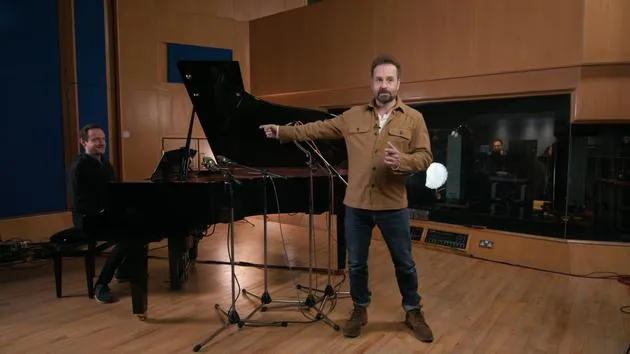
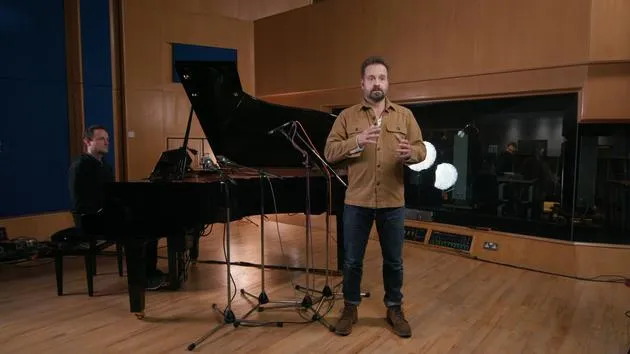
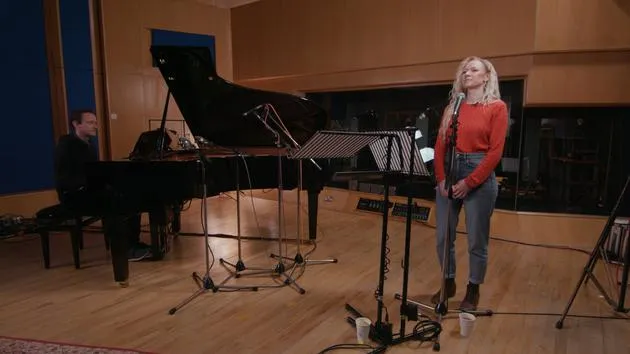
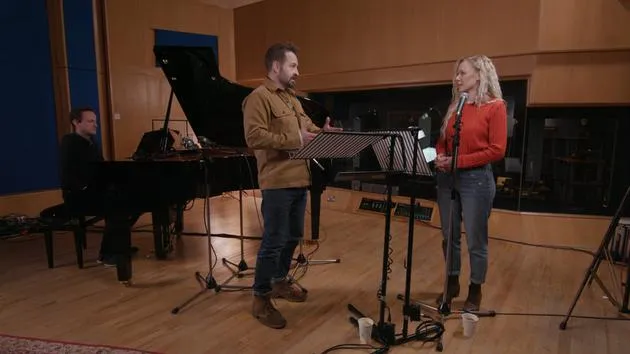
The exercises I'm going to show you will gently prepare you for a performance.
-
Structure of the Warm-Up:
- We warm the voice up in the register.
- Then we come down.
- Finally, we warm it up to a higher step in the musical phrase.
-
We will go up in semitones, similar to a piano with white and black notes, gradually warming up the scale.
Keeping Your Voice Vibrant
You want your voice to be bright, vibrant, and high.
-
Avoid Starting with a Downward Warm-Up: If you start warming down the scale before your performance, you may struggle to bring it back up to where you want it to be.
-
Pre and Post Warm-Ups:
- Always do a warm-up before the show.
- After the performance, warm your voice down the scale to relax it and gently sway back into a calm state, preparing for the next performance.
27 lessons
2h 6m of structured video lessons
Advanced video features
Slow down, loop a passage, follow along
Mobile, tablet & desktop
Practise wherever you are
100% satisfaction guarantee
30-day money-back guarantee
Meet your guru
Meet your guru
Alfie Boe is a tenor from Fleetwood on the Lancashire coast. He has sung on many of the world's leading opera stages, led the cast of Les Misérables in the West End for nearly a year, and performed at the Queen's Diamond Jubilee Concert at Buckingham Palace. He has had four top-ten albums and platinum sales in the UK, with sold-out tours at venues including the Royal Festival Hall and the Royal Albert Hall. In his course he shares the daily vocal exercises and warm-ups he uses before performing - from Jean Valjean to singing for the Queen - the craft that keeps a powerful voice in shape.







