



Find your tone

With
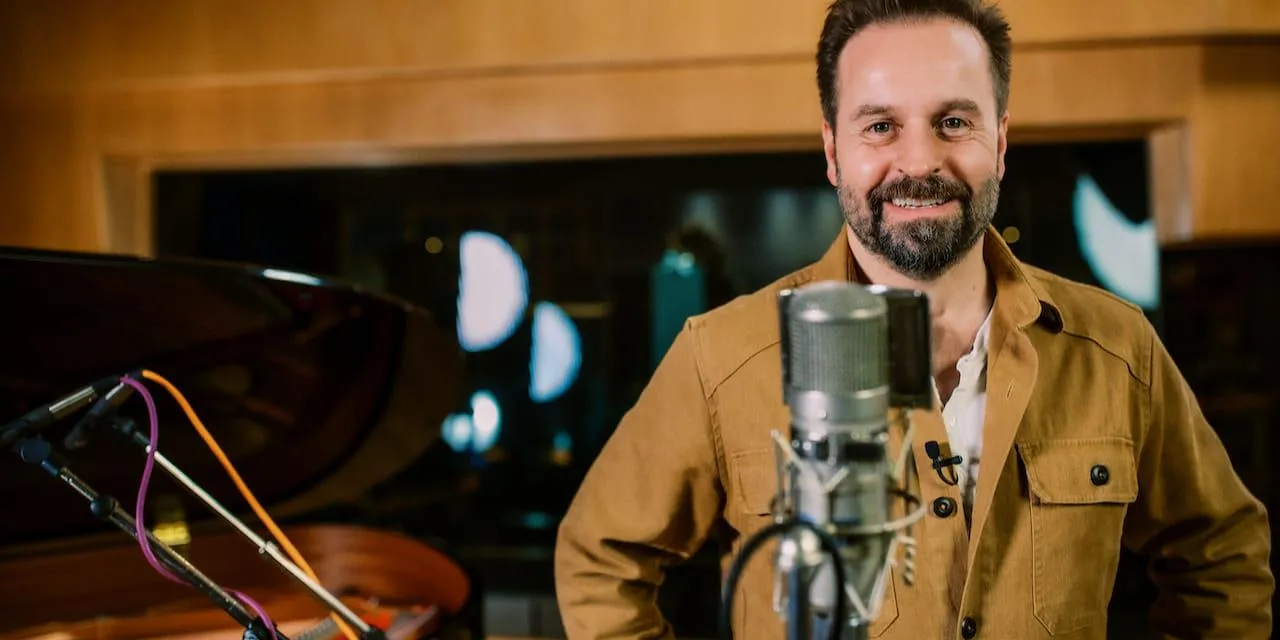
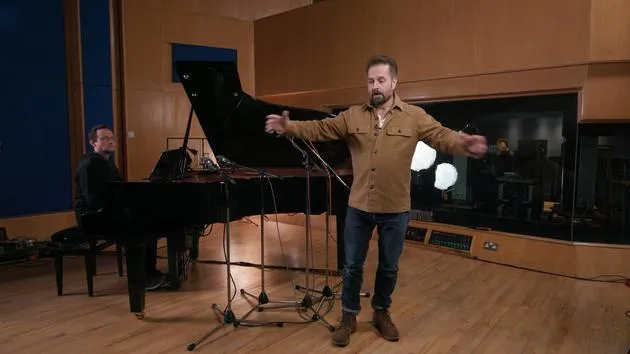
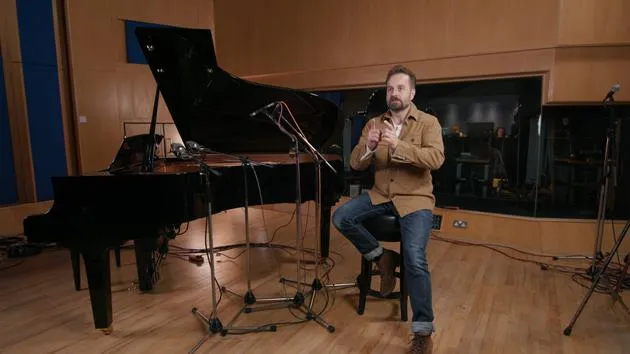
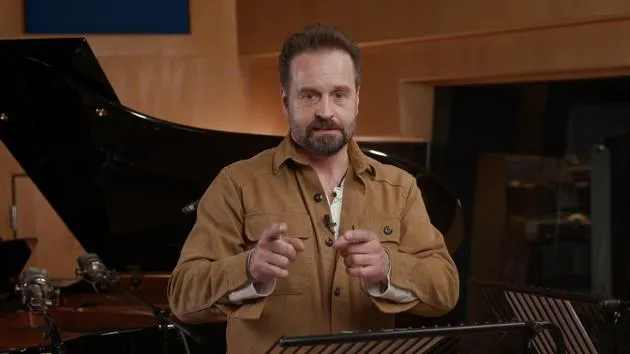
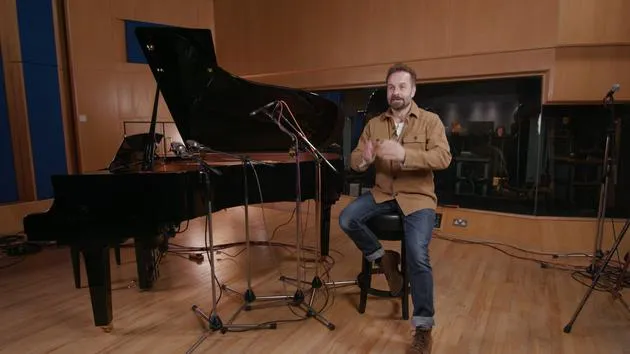
Alfie BoeAlfie Boe explains what vocal tone really means - balancing bass, mid and treble in your voice to brighten and fill out your sound.
What's in the course
27 lessons (2h 6m) · 1 free
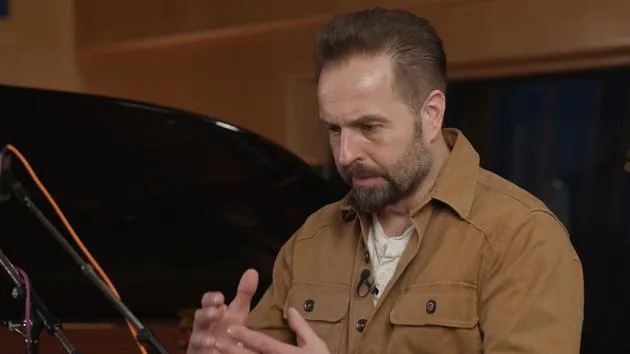
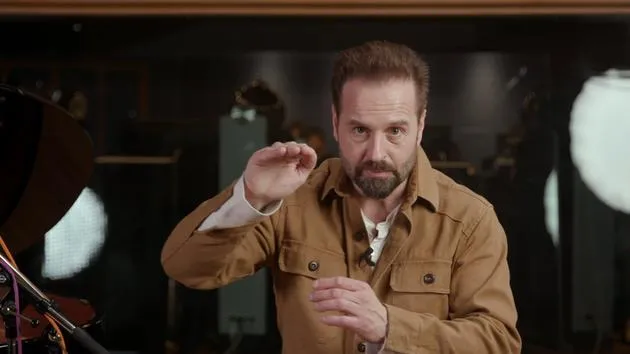
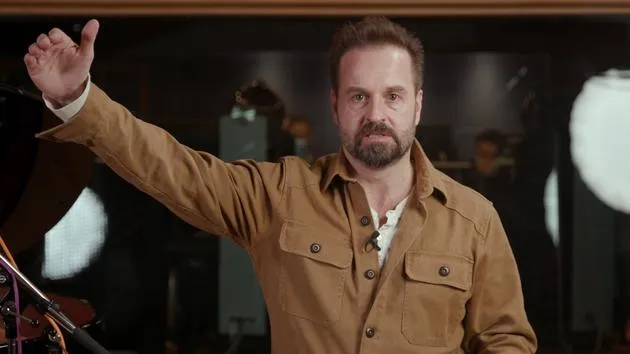
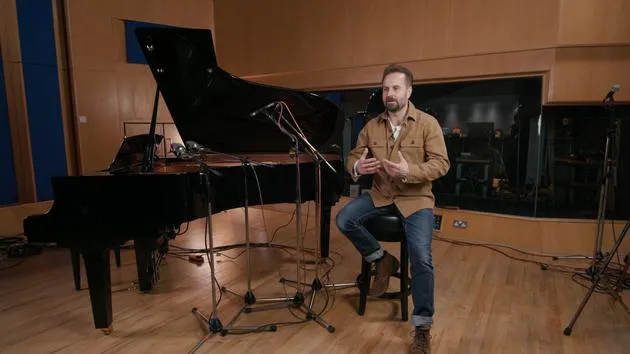
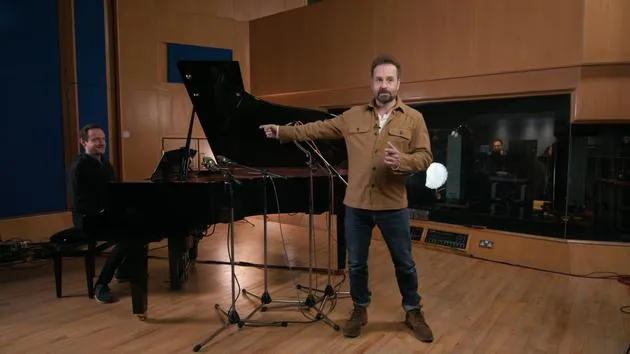
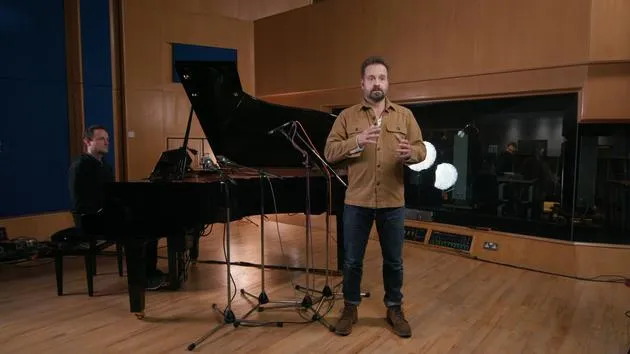
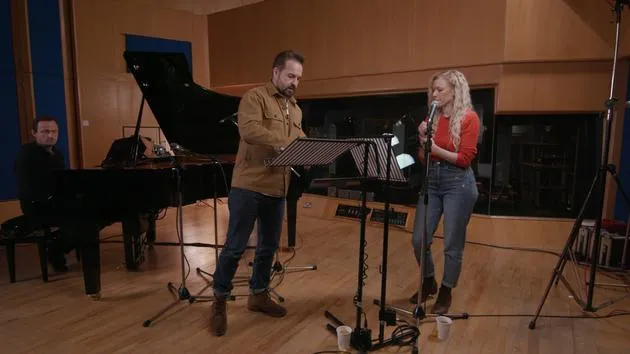
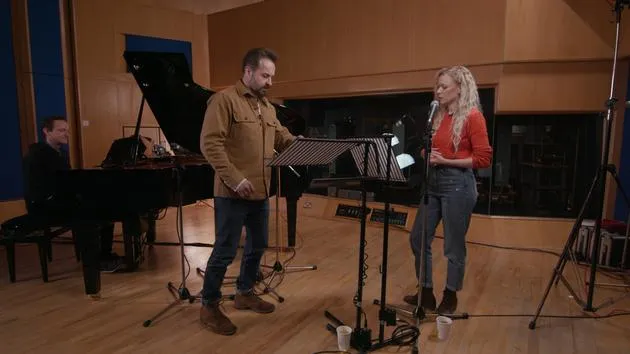
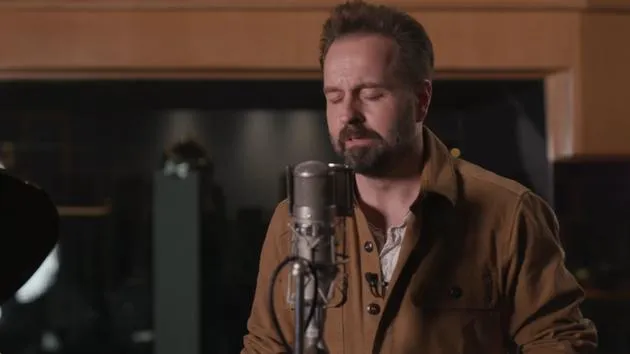
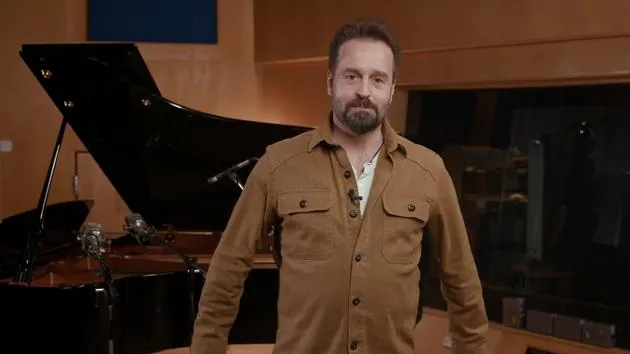
Lesson transcript
Understanding Tone in Singing
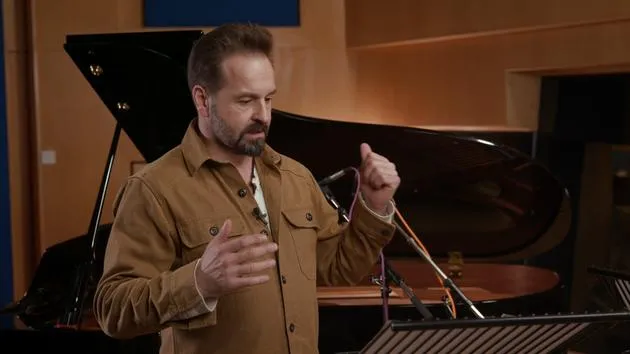
When people talk about tone, it's an interesting concept.
When you think of a stereo at home, you often notice three little buttons: bass, mid, and treble. For me, that represents tone. It's a simplified idea, but it helps illustrate the core aspects of sound production.
Components of Tone
- Bass: The lower frequencies; gives depth.
- Mid: Represents the middle range; where most vocal qualities reside.
- Treble: The higher frequencies; adds brightness to the sound.
You want to have a nice mix of these elements. For instance, you don't want to be overly bass-heavy, even if you are a bass singer with a rich sound. It's essential to have a bit of treble to brighten the sound.
The Guitar Analogy
Imagine a guitar string:
- The E string at the top represents the bass.
- The strings in the middle represent the mids.
- The high E string at the bottom represents the treble.
When strumming, you hear all these notes. Similarly, when singing, you have to connect to and hear all tonal elements at once.
Adjusting Treble
There are parts of songs where raising the treble is crucial, especially for hitting high notes. This adjustment allows you to:
- Achieve a brighter sound.
- Sing in tune and on top of the note.
The goal is to avoid sounding flat or too sharp, ensuring a precise pitch.
The Role of Placement
To enhance your treble sound, focus on what we call the "mask." The treble is influenced by:
- Soft Palate Lift: Elevating the soft palate at the back of your mouth creates an optimal gap for sound to resonate.
As you push air through your vocal cords, I visualize smiling while singing. This physical response helps flip the sound into a higher tonal quality, allowing me to maintain pitch effectively.
Developing Bass Quality
To produce a rich bass quality:
- Maintain the Smile: Don't abandon the smile just because you're singing low. A bright sound is still vital.
When approaching high notes, always visualize singing down to them, as if you're standing on a mountain and aiming to hit a note below you. This mindset reduces the fear of reaching a note and provides a psychological anchor.
Dynamic Control
When pursuing volume, be careful. If you force air, especially in large venues like the Royal Albert Hall, it might hinder your projection. Instead, focus on:
- Relaxation and connection with different tones: high, mid, and bass.
- Continuous engagement across these tonalities to ensure clarity and projection.
Speaking vs. Singing Voice
The connection between your singing voice and speaking voice can vary:
- Some singers, like Aretha Franklin, have a high speaking voice yet sing with a deep, rich quality.
- Other singers maintain a similar tonal quality in both.
For some, this continuity signals consistent practice and awareness of their vocal capabilities. However, I believe it's essential to create something unique when singing, something magical that resonates with listeners.
The Importance of Tone
Tone is fundamental. It's the root of every good singer and defines the uniqueness of each voice.
- Pavarotti had a specific tone.
- Freddie Mercury possessed his own distinct quality.
- Similarly, Aretha Franklin's tone was entirely her own.
Every singer has a unique gift with their tone. It's essential to discover, work with, and mold this gift to the best of one's ability.
Conclusion
Later in the class, I will teach you two or three vocal exercises that helped me develop my tone significantly. These exercises can enhance your tonal ability, and I encourage you to practice them daily to achieve a richer quality in your voice.
27 lessons
2h 6m of structured video lessons
Advanced video features
Slow down, loop a passage, follow along
Mobile, tablet & desktop
Practise wherever you are
100% satisfaction guarantee
30-day money-back guarantee
Meet your guru
Meet your guru
Alfie Boe is a tenor from Fleetwood on the Lancashire coast. He has sung on many of the world's leading opera stages, led the cast of Les Misérables in the West End for nearly a year, and performed at the Queen's Diamond Jubilee Concert at Buckingham Palace. He has had four top-ten albums and platinum sales in the UK, with sold-out tours at venues including the Royal Festival Hall and the Royal Albert Hall. In his course he shares the daily vocal exercises and warm-ups he uses before performing - from Jean Valjean to singing for the Queen - the craft that keeps a powerful voice in shape.







