



Pulse, praticing time and articulation
With
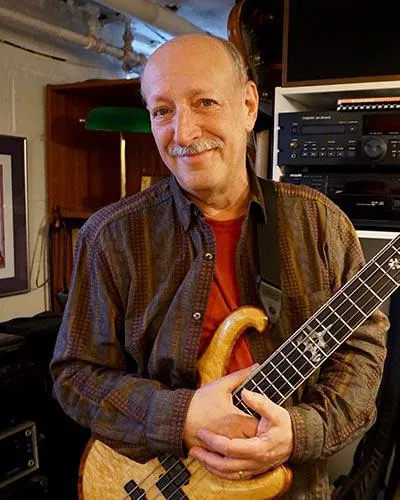
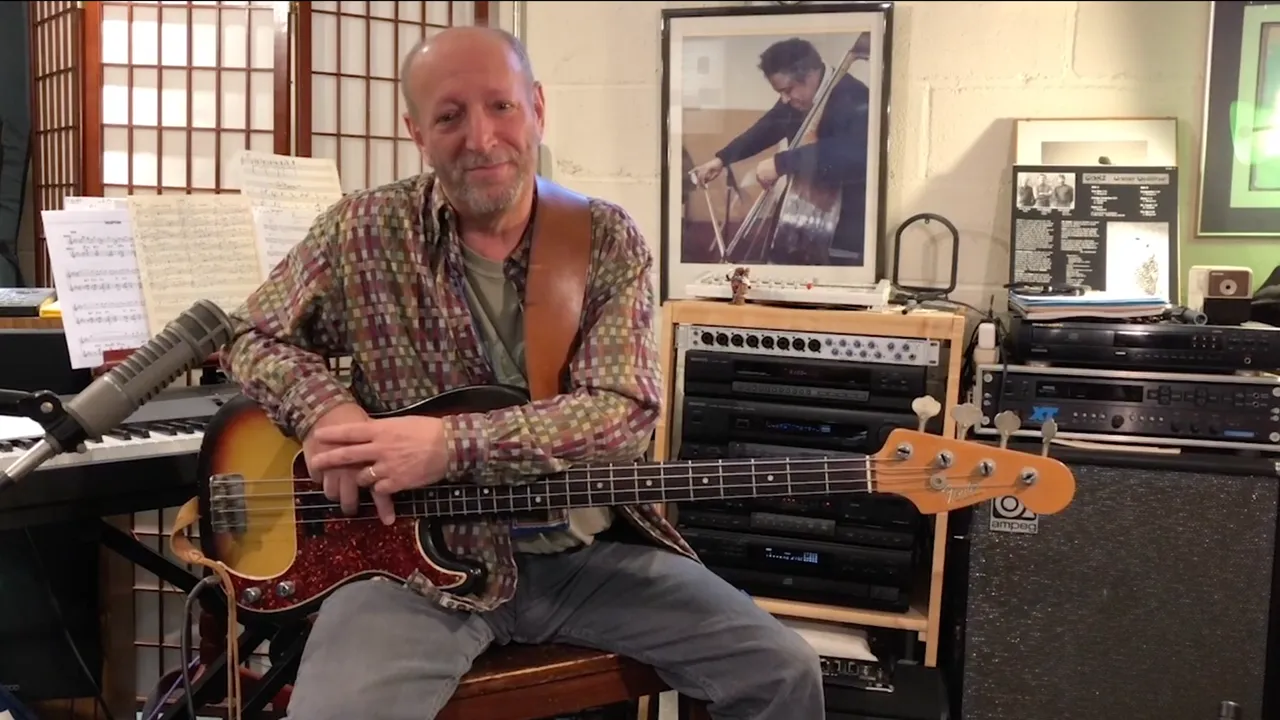
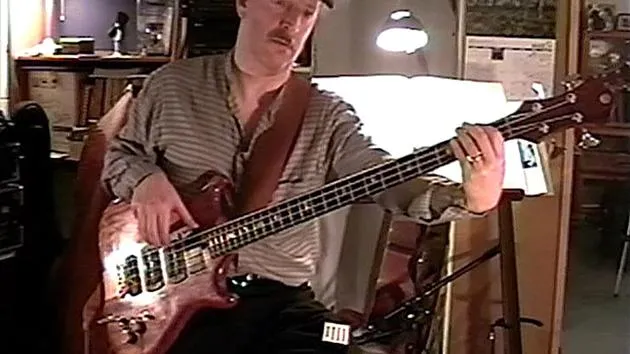
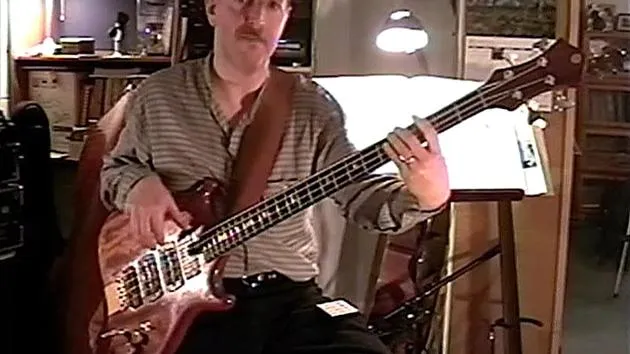
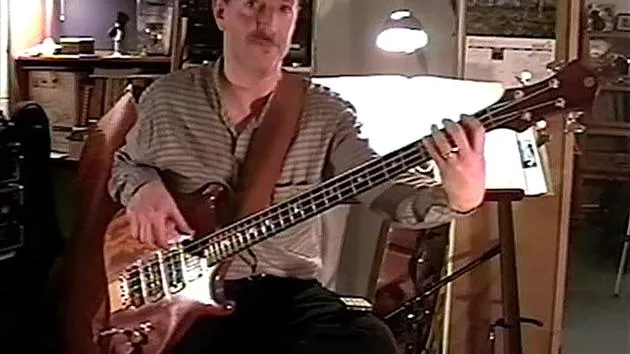
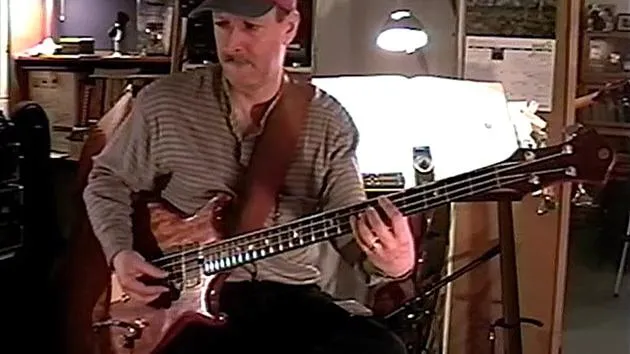
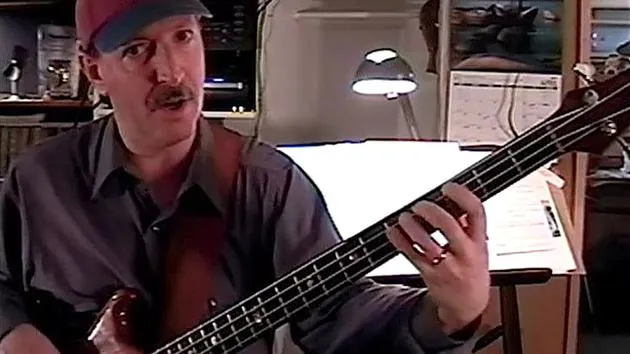
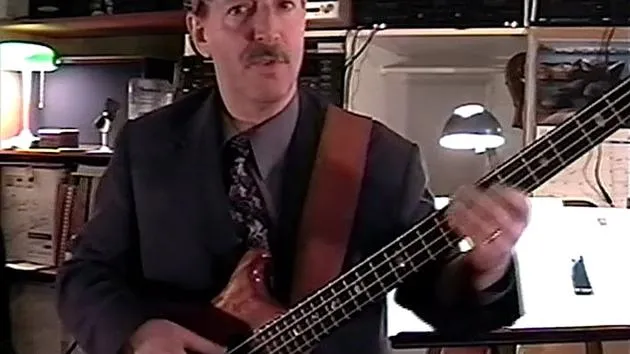
Bruce GertzBruce Gertz explains how to relate time and groove to your natural pulse, with a simple metronome exercise to work on your feel.
What's in the course
29 lessons (1h 11m) · 1 free
01. Pulse, praticing time and articulation
You are here6:19
02. Jazz walking bass feel
2:23
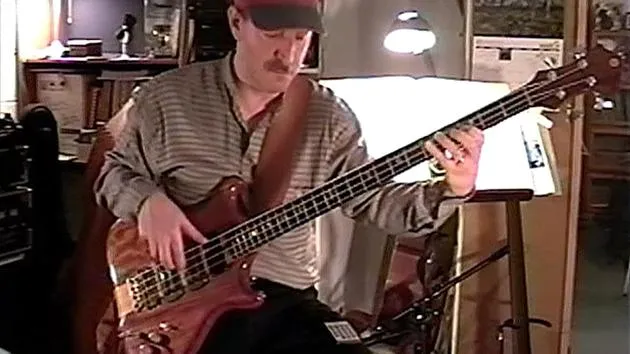
03. Straight time vs Swing time, G shuffle blues
2:52
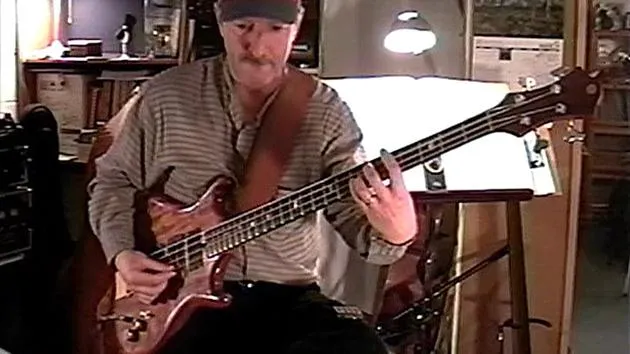
04. Latin feel with muted thumb
1:08
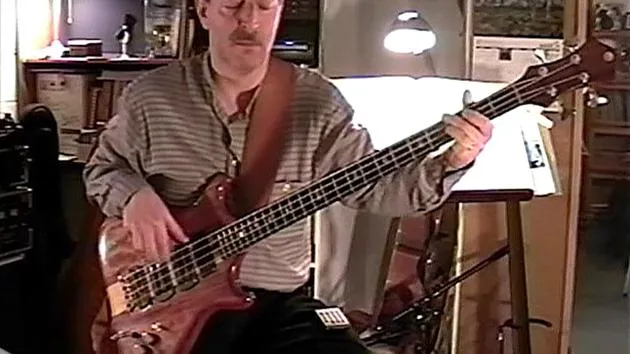
05. Funk, slap, 16th notes and swing/funk with triplets
2:39
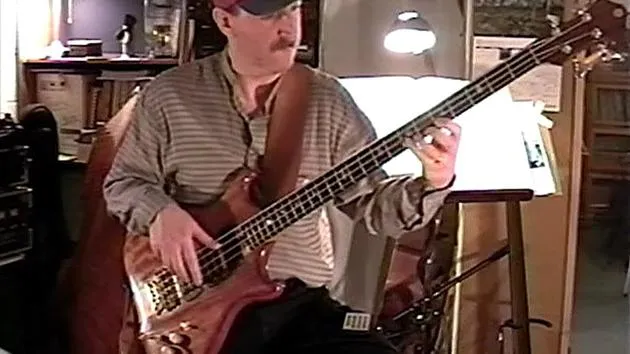
06. Solo Jams swing/Funk
1:46
07. Swing blues
2:07
08. Double time, ballad feel
2:21
09. Fast, Swing 320BPM, G Blues
1:26
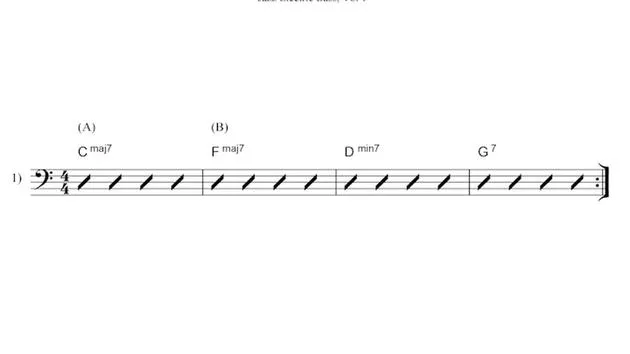
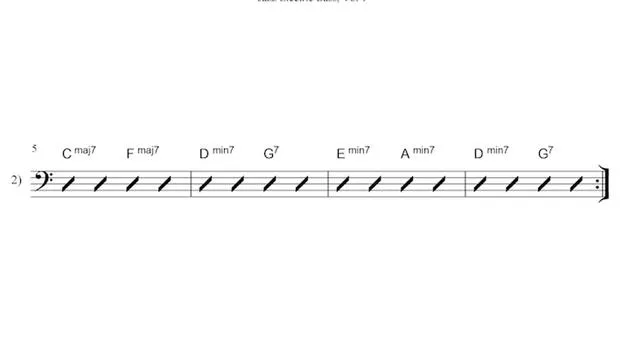
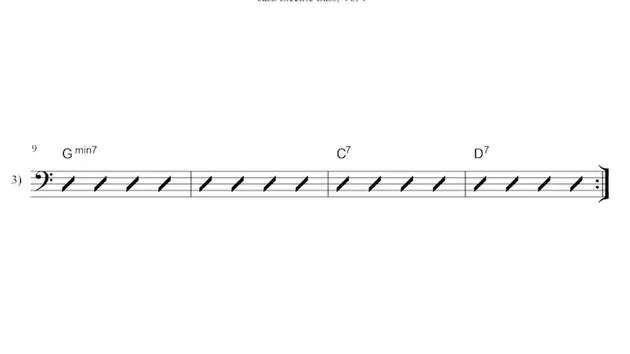
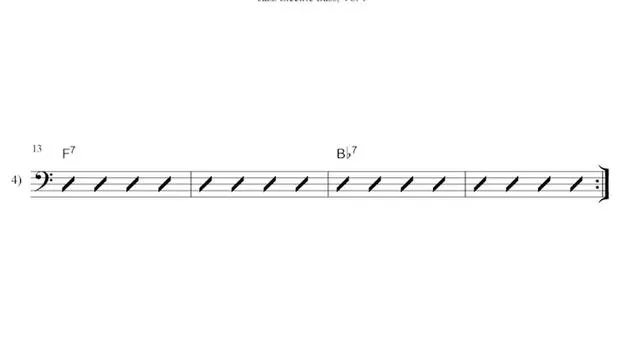
Lesson transcript
Music Lesson on Rhythm and Articulation
Hi, I'm Bruce Gertz.
Understanding Our Natural Rhythm
First off, we all have a pulse, which I believe is our own natural rhythm. Anytime we play rhythms or grooves, we should try to relate those to our pulse. This makes it more comfortable to play.
- If it's too fast, cut it in half.
- If it's too slow, double it up.
I'll explain this in a minute.
The Comfort Zone of Pulse
As I was saying about the natural time in our pulse, I think when we're relaxed, our pulse tends to be in the area of 72 beats a minute. When we're excited or exercising, however, our pulse can escalate to the high one hundreds or even the low two hundreds.
Generally, when we play music, we want to be fairly relaxed, but we can be excited too. I would say the most comfortable zone to feel the time would be somewhere between 72 and 120 beats per minute.
- If you play anything really fast, like 240, simply feel it in two at 120.
Tuning into External Time Sources
Here, I have a simple metronome. This is a good device for hearing a pulse outside of ourselves. Although we have this pulse inside, we don't always feel the time outside our bodies.
It's good to tune into an external time source such as:
- A metronome
- A drum machine
- Play-along CDs with drum tracks
I'll be using some of these to demonstrate swing time and straight time, as well as different interpretations in between.
First Exercise: Getting Accurate Time
Here's 120 beats per minute.
See? It feels pretty natural.
Establishing the Rhythm
Now, the first exercise I want to show you is how to get your time accurate.
-
Listen to the time and start to feel the rhythm:
1, 2, 3, 4. 1, 2, 3, 4. -
Now that I'm feeling that rhythm, I'm going to just play a note and try to lock it in with that rhythm:
One, two, three, four. -
Now, instead of just one note, how about if I play the note E and the note G, two beats each, two E's, two G's:
1, 2, 3, 4.
Changing Note Lengths
Notice I can change the length of these notes:
- Play them longer
- Play them full length
It has a certain sound timewise.
Now, listen to what happens when I put in some space and then less space.
- If I play the note short, it has a certain sound.
- If I play the note long, it has another sound.
Articulation
The way you play notes, long, short, hard attack, soft attack, these are known as articulation.
Other forms of articulation can include:
- Playing a note with the left hand and not with the right.
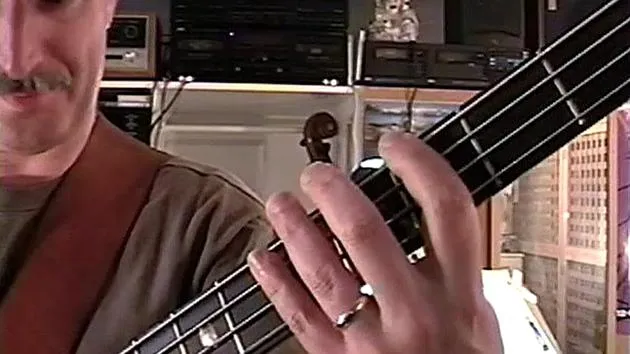
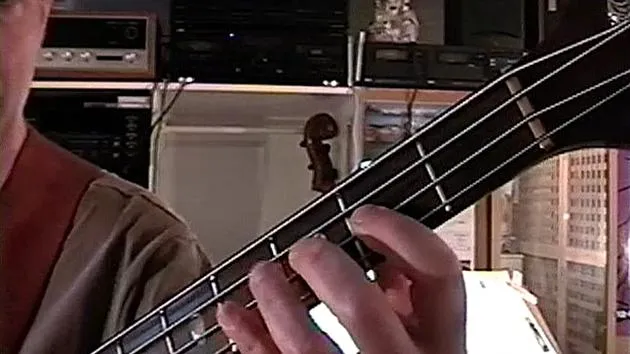
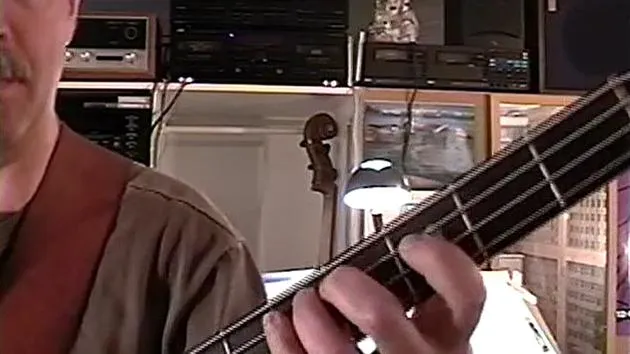
For instance, I might play the D on the A string and then play the E with my left hand and not with my right. It will sound like this:
1, 2, 3, 4.
I can go the other way too.
These are different forms of articulation. Some players even use pull-offs.
The important thing is that whatever you do, it has to be in the time to feel good.
29 lessons
1h 11m of structured video lessons
Advanced video features
Slow down, loop a passage, follow along
Mobile, tablet & desktop
Practise wherever you are
100% satisfaction guarantee
30-day money-back guarantee
Meet your guru
Meet your guru
Bruce Gertz is an award-winning bassist (acoustic and electric), composer, educator, and author. He is a professor of bass at Berklee College of Music, where he has taught since 1976.
Bruce is the recipient of the National Endowment for the Arts Jazz Performance Award Grant, the Massachusetts Cultural Council Musical Composition Award, and numerous outstanding bassist awards from the Boston Music Awards, A.S.C.A.P. Plus Popular Awards, and multiple recognition awards from the International Association of Jazz Educators and the Jazz Education Network. Bruce also serves on the board of directors of the International Society of Bassists.
He has performed and recorded with such artists as Gary Burton, Jerry Bergonzi, John Abercrombie, Joey Calderazzo, Kenny Werner, Mick Goodrick, Kurt Rosenwinkel, Billy Hart, George Garzone, Mike Stern, Larry Coryell, Joe Lovano, Cab Calloway, and Count Basie, among many others.
In Contemporary Bass Guitar Grooves, Bruce puts all of that experience to work for you. You'll learn to build solid, swinging bass lines and lock into authentic grooves across funk, jazz, and fusion, so you can hold down the bottom end and walk into any band situation with confidence.
His extensive discography and additional information can be found at www.brucegertz.com.







