



Building bass lines, point A to point B, brief theory of root motion, 8 approach options
With
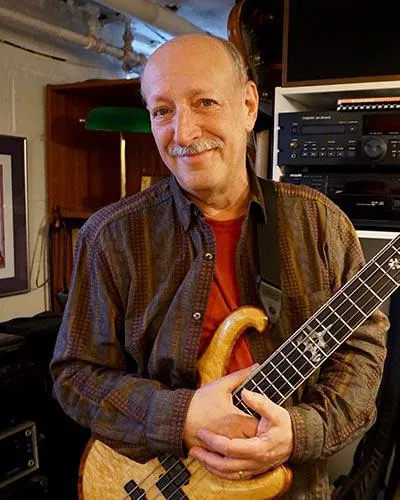
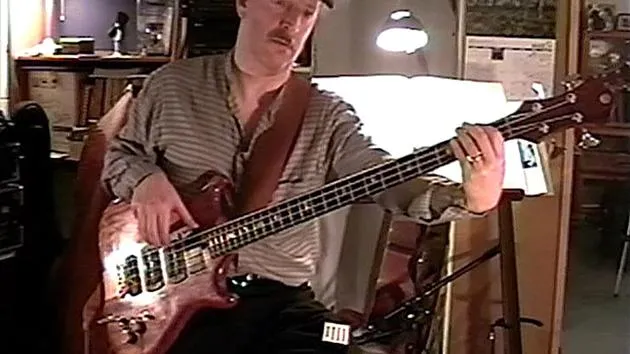
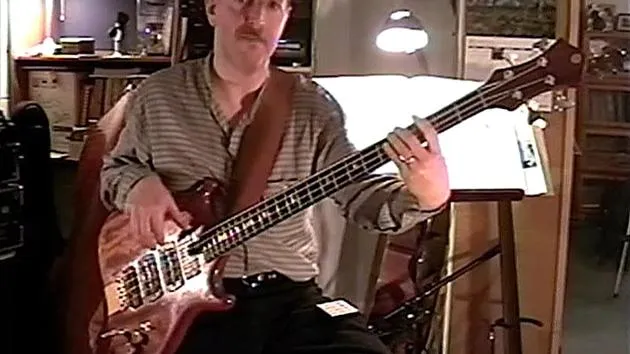
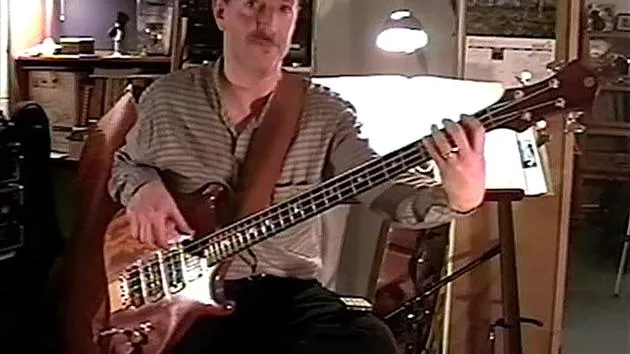
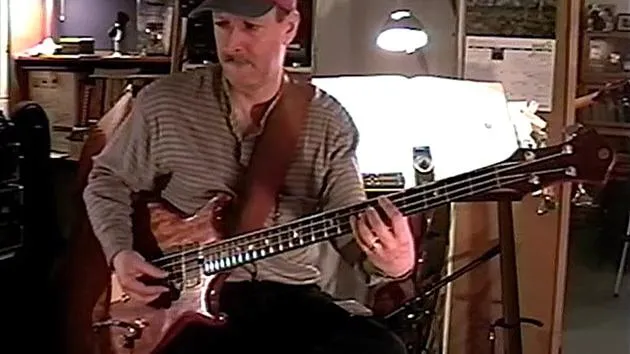
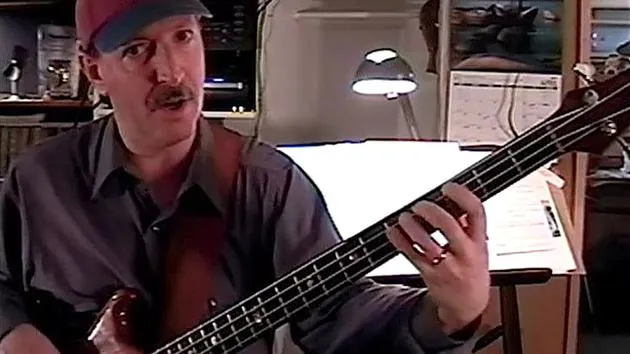
Bruce GertzBuilding bass lines is really about getting from point A to point B. Bruce demonstrates how to connect the chords with 5 different examples that he'll expand upon in the rest of the course.
What's in the course
29 lessons (1h 11m) · 1 free
01. Pulse, praticing time and articulation
6:19
02. Jazz walking bass feel
2:23
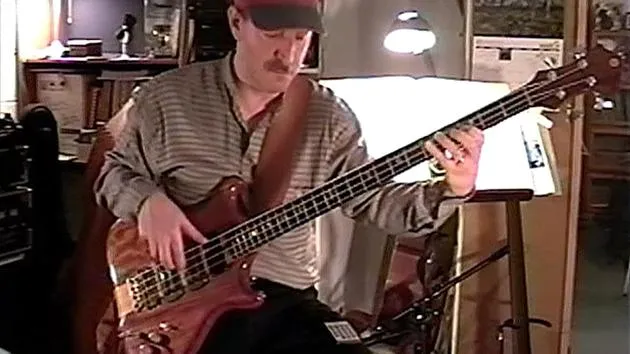
03. Straight time vs Swing time, G shuffle blues
2:52
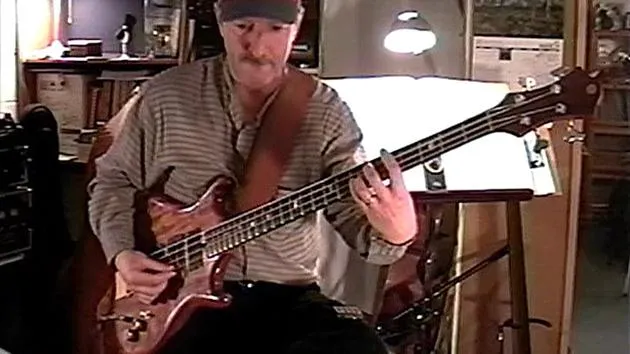
04. Latin feel with muted thumb
1:08
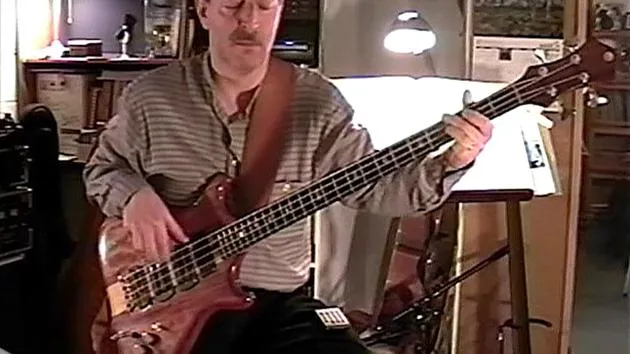
05. Funk, slap, 16th notes and swing/funk with triplets
2:39
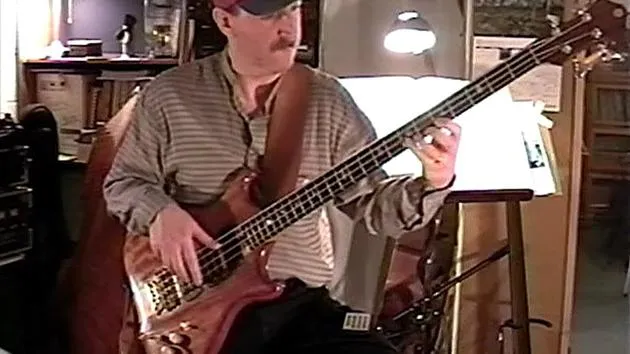
06. Solo Jams swing/Funk
1:46
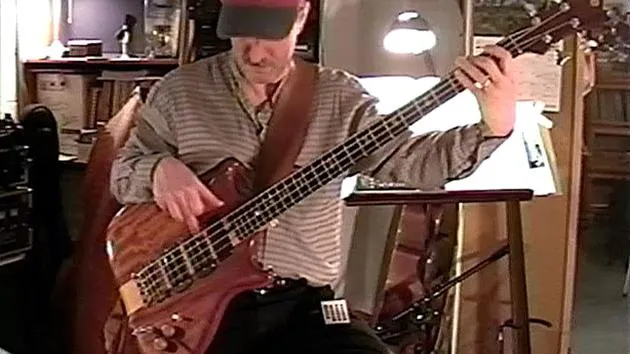
07. Swing blues
2:07
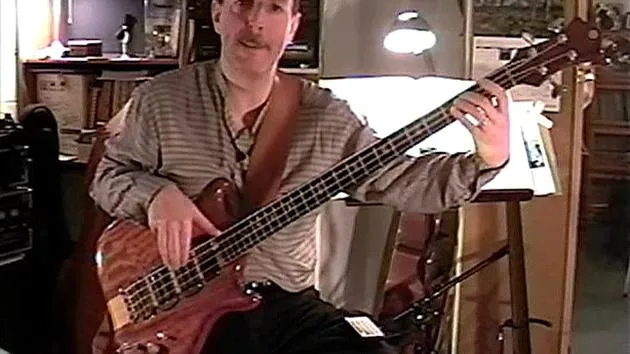
08. Double time, ballad feel
2:21
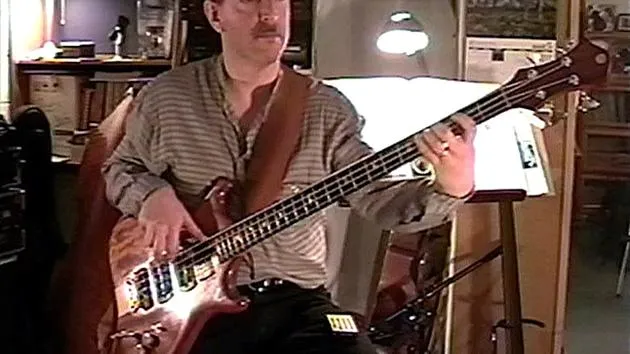
09. Fast, Swing 320BPM, G Blues
1:26
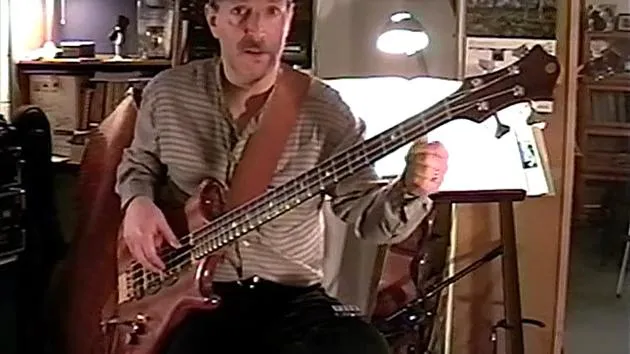
Lesson transcript
Building Bass Lines
Okay, now we're going to talk about building bass lines, and then we can put that with the rhythm.
Key Concepts
- Building bass lines is really about getting from point A to point B.
Chord Changes
-
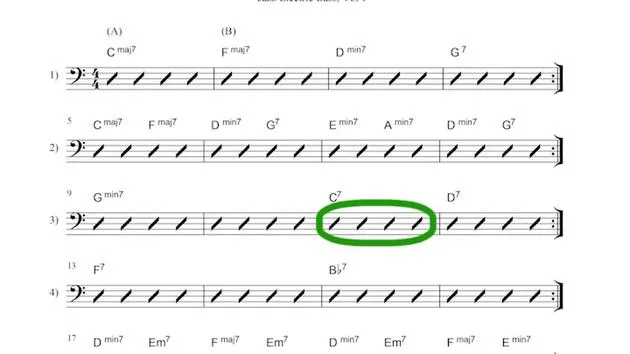
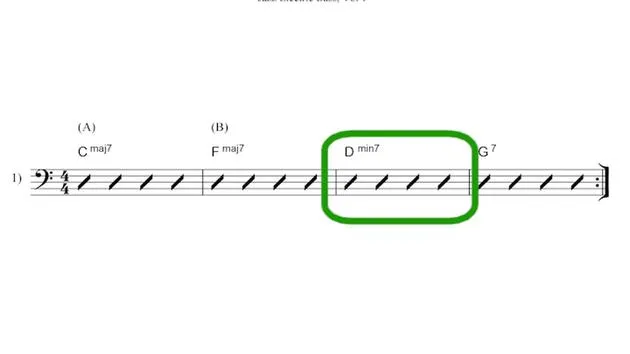
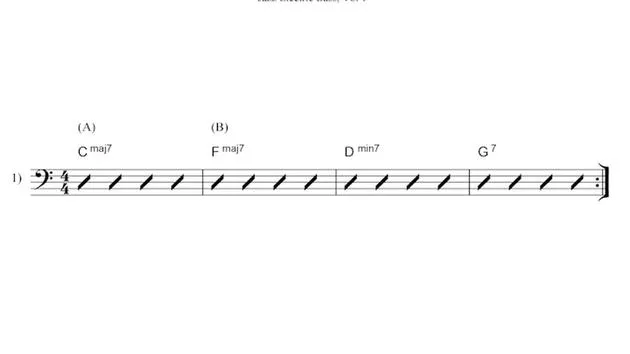
In the first example, you've got:
- Four beats per change for each chord change.
-
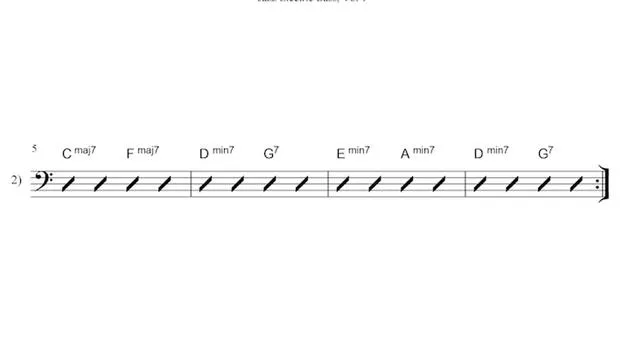
In example two:
- I purposely made the chords only two beats each to show different ways to connect them.
-
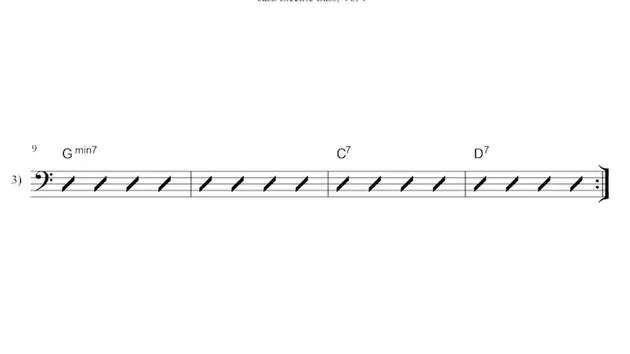
In the third example:
- The first chord is eight beats, the second one is four, and the third one is four.
-
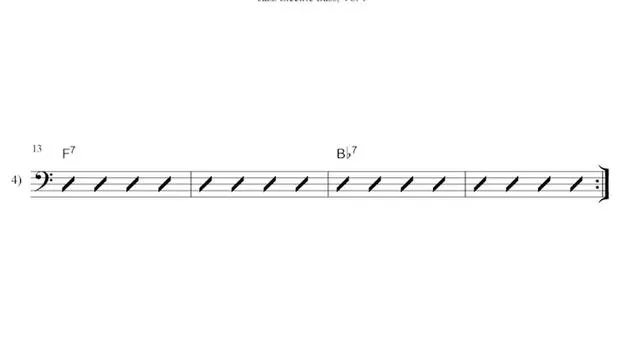
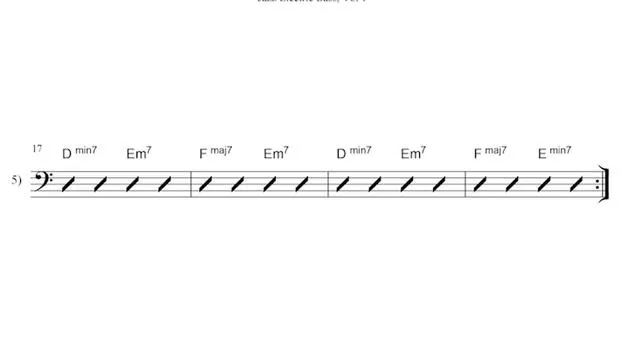
Example four has:
- Eight beats each for the chords.
-
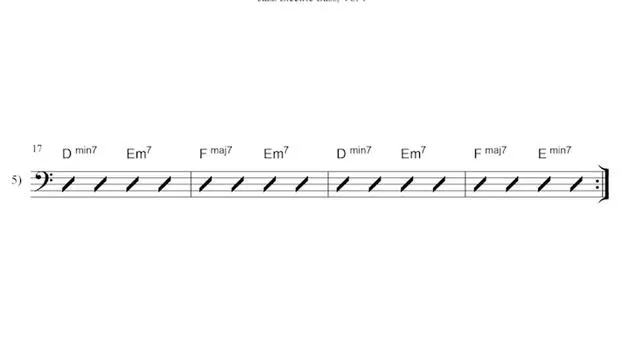
Example five consists of:
- Two beats each for the chords.
Differences in Examples
-
The difference between example five and the others is that:
- Example five, as you can see, has the chords moving by step:
- D, E, F, and then back to E again.
- Example five, as you can see, has the chords moving by step:
-
In contrast, for F7 in example four:
- It moves from B flat 7, either down a fifth or up a fourth.
-
In example three:
- G moving to C is either down a fifth or up a fourth.
-
D is a step from C, but a fifth from G.
- Bringing it back here, we have:
- C to F
- Then we have down a third: D to G.
- Bringing it back here, we have:
-
Each of these sets of changes are either a fifth or a fourth apart.
Cycle Five Motion
- We'll talk a little bit about that; this is called cycle five motion, the most common kind of bass motion we see.
Approaches to Creating Bass Lines
As we look at each of the examples we just reviewed (examples 1 through 5 of the chord progressions), we're going to show each progression using these different approaches to creating the bass lines:
- Root, fifth, and octave.
- Scale down.
- Scale up.
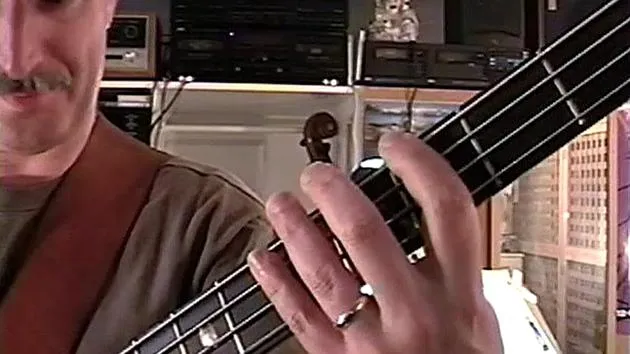
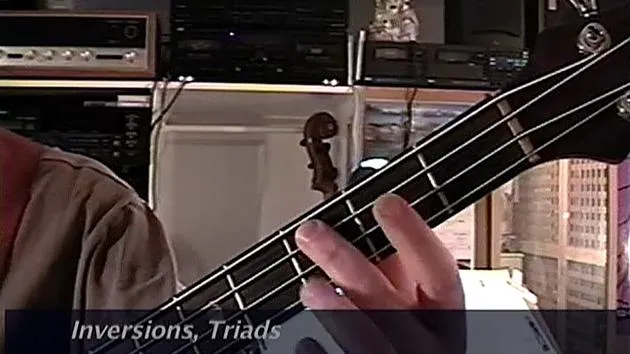
- Triad.
- Inversions.
- Sequences.
- Combination of any or all of the techniques discussed.
29 lessons
1h 11m of structured video lessons
Advanced video features
Slow down, loop a passage, follow along
Mobile, tablet & desktop
Practise wherever you are
100% satisfaction guarantee
30-day money-back guarantee
Meet your guru
Meet your guru
Bruce Gertz is an award-winning bassist (acoustic and electric), composer, educator, and author. He is a professor of bass at Berklee College of Music, where he has taught since 1976.
Bruce is the recipient of the National Endowment for the Arts Jazz Performance Award Grant, the Massachusetts Cultural Council Musical Composition Award, and numerous outstanding bassist awards from the Boston Music Awards, A.S.C.A.P. Plus Popular Awards, and multiple recognition awards from the International Association of Jazz Educators and the Jazz Education Network. Bruce also serves on the board of directors of the International Society of Bassists.
He has performed and recorded with such artists as Gary Burton, Jerry Bergonzi, John Abercrombie, Joey Calderazzo, Kenny Werner, Mick Goodrick, Kurt Rosenwinkel, Billy Hart, George Garzone, Mike Stern, Larry Coryell, Joe Lovano, Cab Calloway, and Count Basie, among many others.
In Contemporary Bass Guitar Grooves, Bruce puts all of that experience to work for you. You'll learn to build solid, swinging bass lines and lock into authentic grooves across funk, jazz, and fusion, so you can hold down the bottom end and walk into any band situation with confidence.
His extensive discography and additional information can be found at www.brucegertz.com.







