



Analysis, explanation, demonstration by Joan Rodgers
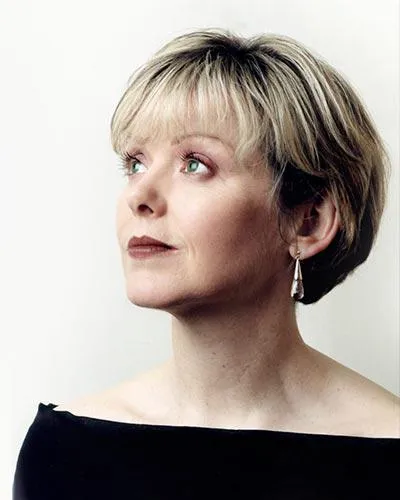
With
Joan Rodgers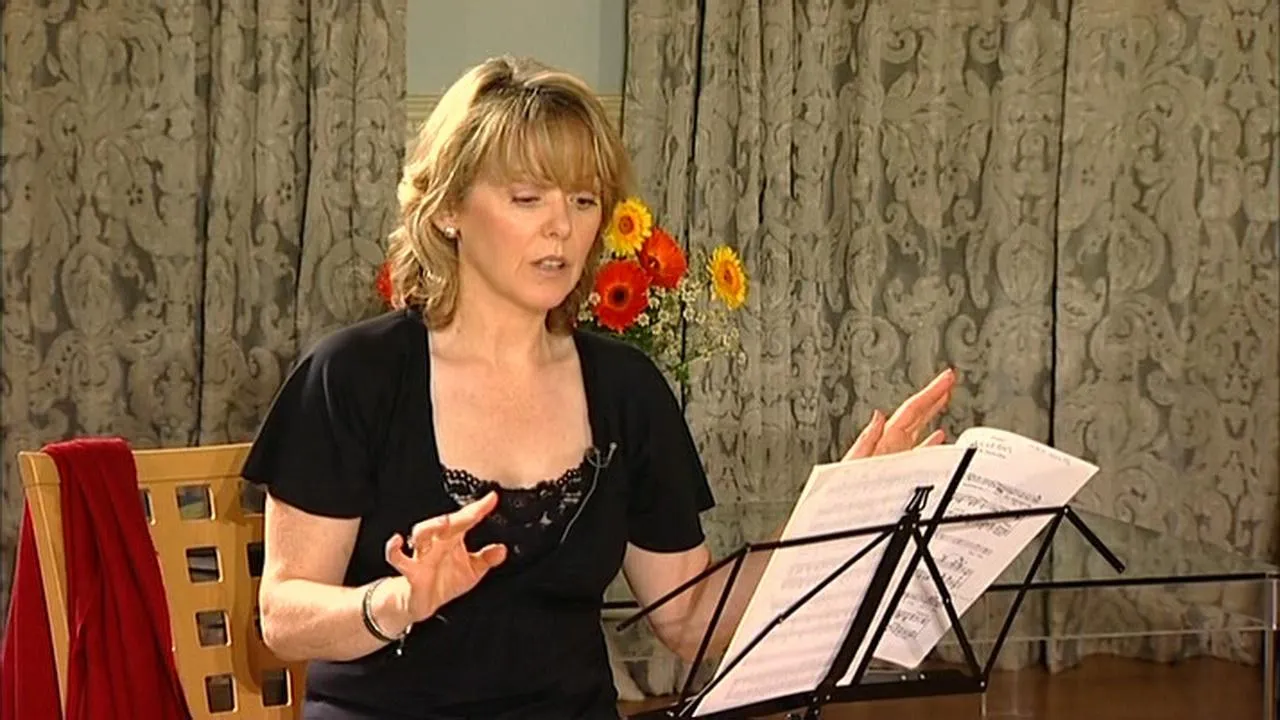
What's in the course
7 lessons (2h 7m) · 1 free
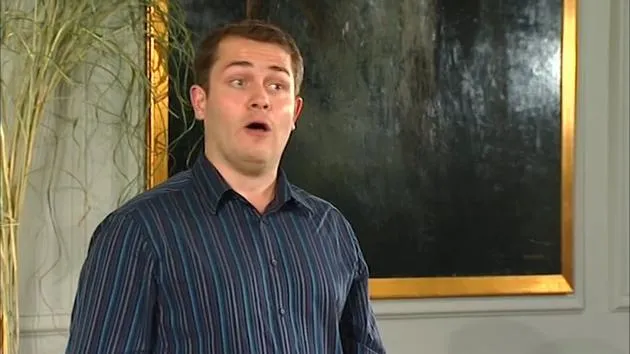
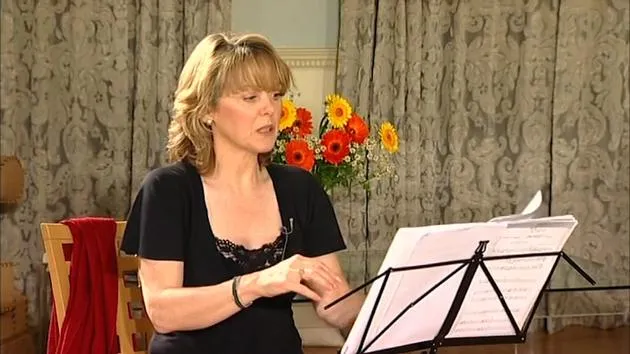
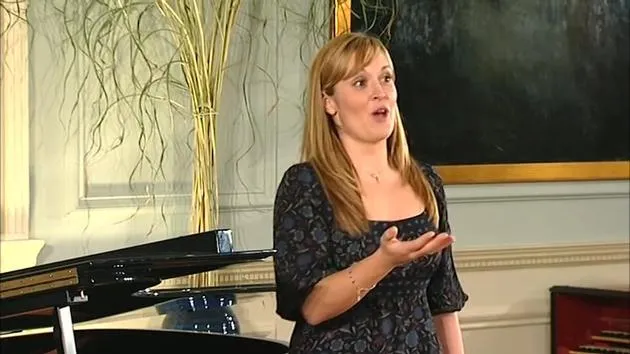
Lesson transcript
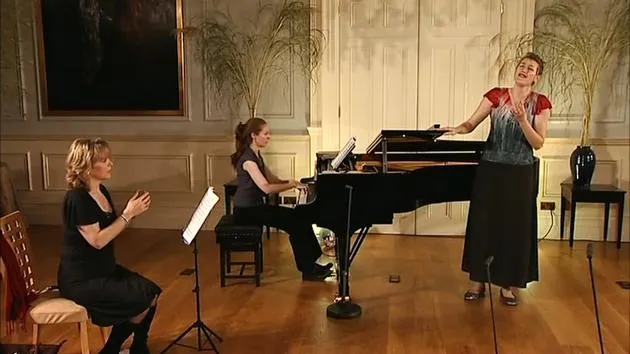
Music Lesson Feedback with Erica
General Impressions Erica, it was beautifully sung! However, I felt it was too much of a beautiful vocalise. The text lacked rhythm, making it seem very smooth and one-dimensional. It was lovely, but...
-
Facial Expressions: I noticed in the postlude that your facial expression changed. You allowed your emotions to show when you stopped singing. I recommend engaging with your heart more than your head.
-
Difficulties in Mozart: I understand that Mozart is incredibly difficult, and this aria is very exposed. You performed it beautifully, but it's important to move away from treating it merely as a technical exercise.
Engagement with the Audience Reflecting on my performance the other night, I realized that as soon as I began to worry about technicalities, I lost something for the audience. Sometimes, they prefer to hear flaws if it means feeling the emotions behind the piece.
Breath Control and Tempo Regarding your phenomenal breath control, it's truly impressive, but I think you actually need to breathe sometimes. Emotionally, it adds depth to the piece.
- Cadenza Moments: There were swift moments in the cadenza "meinem Herzen." It felt rushed and didn't align emotionally with the rest of the piece.
Interpretation of "Ach" Start again with "Ach." It's not just "ach;" it's "Ach!" This expresses deep emotion, it's a moment where she feels everything is over. She wants to convey that sense of despair.
Legato and Expression While legato is crucial, throughout this aria, you'll see ways to apply more punctuation. You can still join through the consonants, but remember:
- Phrasing: Try linking your phrases without being too smooth; find a balance between poise and heart.
Ornamentation in Mozart Interestingly, Mozart wrote all these ornamentations for younger singers, thinking they wouldn't have enough ideas of their own.
- Musical Spontaneity: The ornaments should sound spontaneous, so throw it away a bit more within the rhythm.
Emotional Depth The piece captures the essence of love lost. When you sing "Evichin," think of it as sobs, expressing, "All that love... it's gone." Let the emotion underpin her feelings; convey a sense of longing.
- B-Flat Moment: Be more generous with the B-flat. I felt you slightly shortchanged it without drawing it out.
Energy and Clarity You need bags of energy to strike each note cleanly. Think of creating space around your sounds, almost yawn into it.
- Poggiatura: Try a slight poggiatura above the given note to explore a fuller sound.
Technique Over Emotion Throughout singing, don't let it feel like a technical exercise. Each note, as minimal as it may seem, deserves time and heart.
- Meditation in Singing: Consider treating each note momentively, don't let any fall away.
Color and Emotion in Performance I want you to explore different colors and ways to express emotions in your voice. It's important to me that every note counts.
- Legato Connections: Ensure a seamless flow from the B-flat to the F without losing the emotional intensity.
Final Moments of the Piece In the final sections, don't rush through significant moments. Find that inner calm while maintaining emotional intensity.
- Last Note Delivery: Your last notes need to feel anticipated, not rushed.
Final Reflections Your singing contained so much beauty, but remember the interplay between poise and emotional engagement.
- Hope in Performance: Convey the hope present in the piece, even in sorrow. When Tamino is silent, consider how that impacts the emotional stakes.
Great job, Erica! Keep exploring these suggestions, and you can enhance your artistry even further.
7 lessons
2h 7m of structured video lessons
Advanced video features
Slow down, loop a passage, follow along
Mobile, tablet & desktop
Practise wherever you are
100% satisfaction guarantee
30-day money-back guarantee
Meet your guru
Meet your guru
Joan Rodgers has appeared in recital throughout Europe and the USA, including London, Paris, Vienna, Amsterdam, Moscow and New York, and in concert with conductors including Solti, Barenboim, Mehta, Rattle, Harnoncourt, Mackerras, Ashkenazy and Salonen. She is a frequent guest at the BBC Proms. Her operatic engagements have included regular appearances at the Royal Opera House, English National Opera, Glyndebourne, and other leading companies in Britain, Europe and the USA.
Joan Rodgers' many recordings include Mozart's da Ponte trilogy with Daniel Barenboim and the Berlin Philharmonic, The Turn of the Screw (Virgin), solo discs of Tchaikovsky, Mozart and Wolf (Hyperion), The Creation (Philips), Rachmaninov songs with Howard Shelley (Chandos), and a Hyperion disc of songs by Prokofiev, Mussorgsky, Shostakovich and Britten. She received the Royal Philharmonic Society Award as Singer of the Year for 1997, and the 1997 Evening Standard Award for outstanding performance in opera. Joan Rodgers was awarded the CBE in the 2001 New Year's Honours List.
In her Singing Masterclass, Joan brings all of that stage and recording experience directly to students, working closely on technique, language, interpretation and stagecraft. You'll hear how a great song or aria is built, line by line, and learn how to bring that same artistry and detail to your own singing.







