



Checking the basics

With
PT Gazell
What's in the course
8 lessons (1h 11m) · 1 free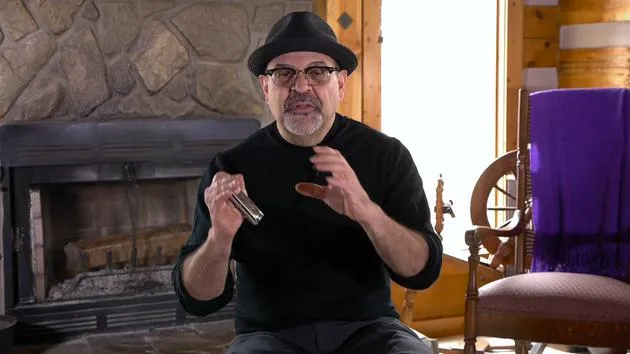
01. Checking the basics
You are here20:08
02. The Gazell method & half valving
Free lesson11:51
03. The 3 advantages that half valving provides
10:58
04. The importance of accurate bending on holes 2 & 3 draw
11:58
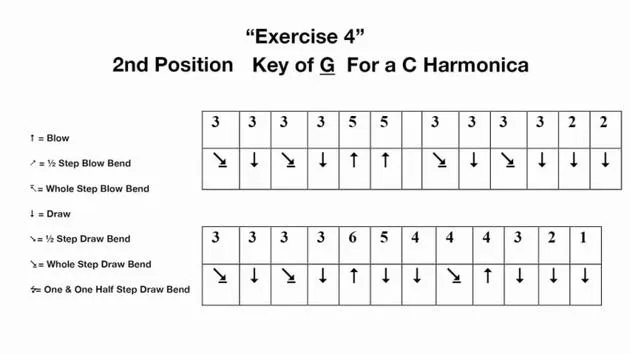
05. 2 & 3 Hole Draw Bend Exercises
2:22
06. Learning a jazz blues melody
3:53
07. Soloing over a jazz blues chord progression
3:28
08. Adding a cool horn line to this progression
6:48
Lesson transcript
Harmonizing Basics: Lesson One
Introduction
Hi, everybody! PT Gazelle here. I'm with the guys from Music Gurus, visiting me in Nashville. We've got a couple of courses lined up for you today. It's going to be a lot of fun and some hard work, but I think it's going to be great. So, let's jump right into lesson one, which is Checking Your Basics.
The Analogy
I like to think about playing harmonica in terms of golf. If someone doesn't teach you how to hold the club or stand correctly, you won't progress in your own style as you'd like. The same goes for harmonica!
Key Points to Cover
-
Correct Posture
- Ideally, you can stand or sit. Sitting is fine as long as you're not slouched over.
- When sitting up straight, your diaphragm is open, which is crucial for producing a good tone.
-
Relaxation
- When we try to do things we're uncomfortable with, we tend to get tight.
- Relaxation starts with your shoulders. If you can relax them, everything else will follow.
- Take a deep inhale and exhale to encourage this relaxation. You should feel everything relax from your shoulders down.
-
Stomach Relaxation
- I often tell my male friends to let their stomach sag a bit while playing.
- This may not look great, especially with women in the room, but a relaxed stomach means an open diaphragm, leading to better tone.
Hand Position on the Harmonica
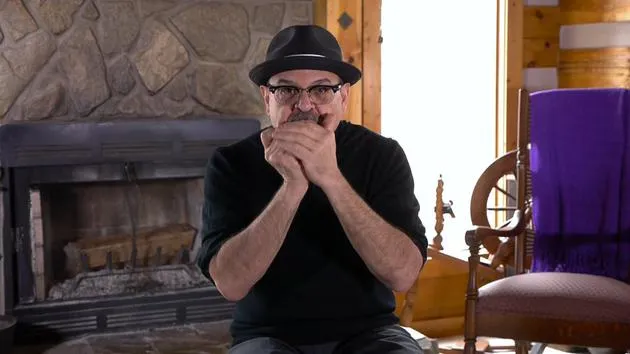
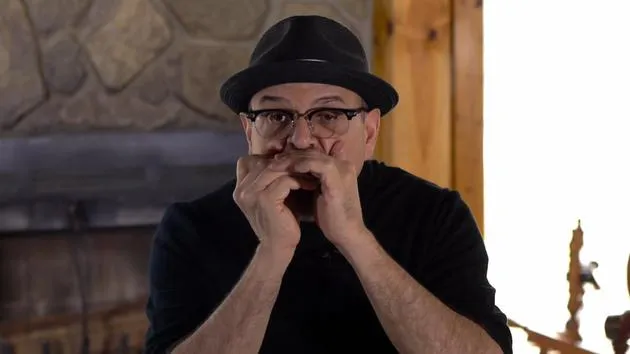
- I hold the harmonica in a pretty unconventional manner, with my index finger and thumb, wrapping my hands around the instrument.
- Access to the mouthpiece is important. For those of you who hold it differently, ensure your forefinger is far enough back from the mouthpiece to allow a good seal.
- If your finger is too close, your tone will sound weak and timid.
Important Considerations for Tone
- Your top lip should cover about half of the COVID plate for a proper seal, which is crucial for good tone.
- Check your grip to make sure it allows for a good seal on the harmonica.
Embouchure and Breathing Exercises
- A good embouchure will give you a richer tone and improve your bending.
- Warm-Up Exercises: Just like golf, it's important to warm up before playing.
Breathing Exercises
-
Long Inhale and Exhales
- Perform three long, slow, and controlled inhale and exhale cycles to open your lung capacity.
-
Two Draw and Two Blow Notes
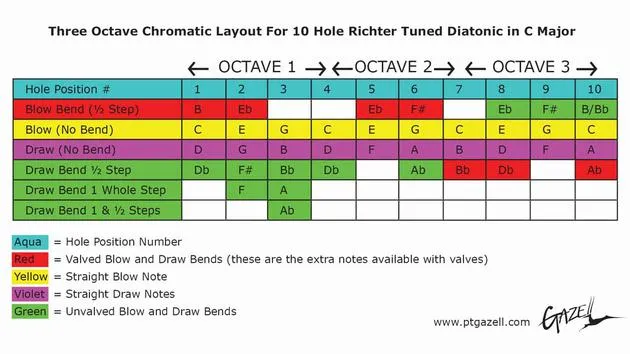
- On a Richter-tuned diatonic harmonica, the two draw and three blow are both G notes. Practice switching between these notes rhythmically.
Additional Exercises
- You can branch out further by doing this exercise for extended periods, helping you regulate your breathing.
Octave Jump Exercise
- The goal is to familiarize yourself with the harmonica. This exercise involves both blow and draw notes, and is particularly effective in helping you recognize intervals.
Blow Notes Octave Jump
- This involves jumping from blow note number one to four, two to five, and so on.
Draw Notes Octave Jump
- When moving from one draw note to four, remember that the next interval includes a blow note due to Richter tuning.
- Be aware of this as you practice your draw note octave jumps.
Summary of Lesson One
- Correct posture: Sit up straight to keep the diaphragm open.
- Total relaxation: Start with your shoulders.
- Hand position: Ensure a good seal without changing your grip.
- Mouth position: Helps isolate single notes, enhances overall tone.
- Warm-up exercises: Two draw and three blow exercises, followed by octave jumps.
Practice these basics, and I'll see you in lesson two!
8 lessons
1h 11m of structured video lessons
Advanced video features
Slow down, loop a passage, follow along
Mobile, tablet & desktop
Practise wherever you are
100% satisfaction guarantee
30-day money-back guarantee
Meet your guru
Meet your guru
PT Gazell has earned his position as a master of the diatonic harmonica. After years as the sought-after side man and session player for some of Nashville's greatest, PT discovered half-valving and his music literally soared to new heights.
No other player combines his phrasing, melodic style, song choices and improvisational abilities the way he does - in the end, it is a style all his own. Using his own signature instrument, the Gazell Method diatonic manufactured by Seydel, PT proves that the harmonica is capable of far more than most of us believe.
Dig it!
In his courses, PT teaches half-valving straight from the source - so you can get started with the Gazell Method, master valved bends, and bring them into your own songs.







