



What do you mean by talent is a gift, but success is the job
With
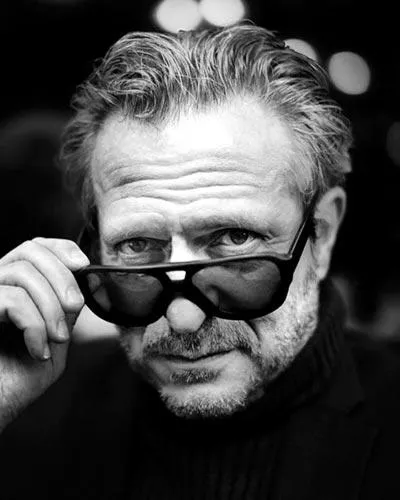
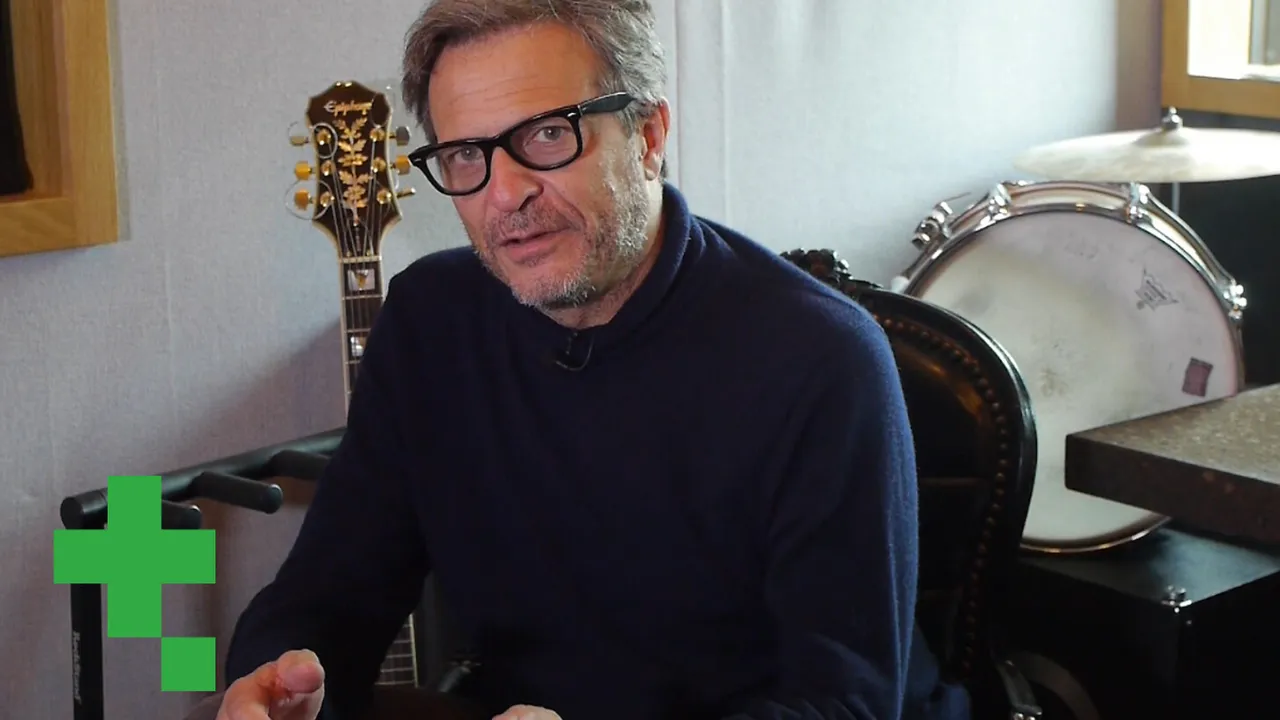
Charlie RapinoCharlie Rapino unpacks his motto 'talent is a gift, success is the job', explaining how marketing, branding and identity turn raw talent into a career.
What's in the course
16 lessons (2h 16m) · 1 free
Lesson transcript
Marketing, Branding, and Identity in Music
In this next section, I'm going to chat with Charlie about:
- Marketing
- Branding
- Identity
- How artists create a visionary sense
This encompasses understanding or tapping into a zeitgeist as part of the package that takes pure talent further into the realms of success.
Talent is a Gift, Success is the Job
Charlie, you've titled this course "Talent is a Gift, Success is the Job." What do you mean by that?
"It's exactly what I mean. You can be a very talented songwriter, artist, producer... anyone who, with a pair of hands and a little bit of brain, can produce something interesting. It doesn't have to be beautiful or exceptional, but something interesting. However, if you don't find a way to make it accessible to the market or the consumer, even worse, real talent stays in a little studio between you and your friends."
You can't just expect to be talented and walk into a record company office or even a film production office and say, "Hey, I'm talented. Sign me."
"There's more to the package. Unfortunately, it doesn't work like that."
Understanding Branding and Marketing
You've shared seminal moments in your biography about understanding branding, logo, image, and the package that comes with talent as success. What does that mean to you? How do you define marketing and branding?
"I think I'm not a marketing man. I work a lot with marketing professionals, and let's face it, marketing can be a very bad word because it implies applying concepts learned at university and dumping a lot of money into it, hoping for a hit or a successful product."
To me, marketing or branding is what you apply to your talent to make it interesting and to get noticed.
Examples of Branding
- If David Jones had called himself David Jones and not David Bowie, I don't think he would have sold the same amount of records.
- Iggy Pop, if he was called James Osterberg, he might evoke thoughts of an osteopath.
"James Osterberg sounds a little bit like an osteopath, a shrink, you know, psychoanalyst. But Iggy Pop? That's intriguing! Automatically, in the mind of an average teenager like me, somebody called Iggy Pop is like, wow, I want to hear that."
What else comes with the package?
- The first thing is the name.
Some people are lucky, they're born with a great name.
- Frank Sinatra is very musical.
- Frank Zappa is very musical.
- Miles Davis is very musical.
But if you call someone Reginald Dwight, you've got a problem.
"I don't think that Elton John, if he had called himself Elton Reginald Dwight, would have sold the same amount of records or had the same type of attention. Because Elton John is a very strong brand; it's a very strong name."
Powerful Branding Examples
Kiss is a perfect example.
- The way their logo was designed, even referencing controversial elements, immediately grabs your attention.
- Think about their titles, such as "Kiss Destroyer", you can imagine the effects it could have had in the 70s on a 16-year-old in America.
"Immediate attention, you know? That's branding."
16 lessons
2h 16m of structured video lessons
Advanced video features
Slow down, loop a passage, follow along
Mobile, tablet & desktop
Practise wherever you are
100% satisfaction guarantee
30-day money-back guarantee
Meet your guru
Meet your guru
Charlie started in the music industry as a freshly minted lawyer, promoting gigs by bringing the likes of Iggy Pop and Patti Smith to a radical Italian university crowd.
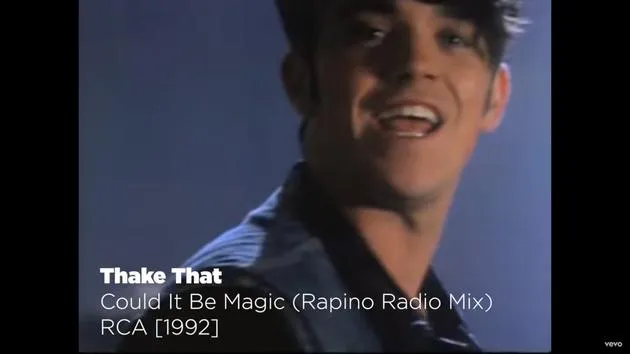
After working at the notorious Record Plant NYC and soaking up the house scene, he formed the Rapino Brothers with Marco Sabiu, moved to London in 1990 and never looked back. There they took the decade by storm, producing and recording records. After their first hit with Kym Mazelle's Love Me The Right Way, they masterminded Take That's first hit and produced, mixed and fixed many major pop acts during the 1990s, from Kylie to Primal Scream.
In 1997, Charlie was the "on air" producer for BBC's "Get Your Act Together", followed by "Full Frontal" on Channel 4. From 1999 to 2004 he was A&R Director for Sony Music International.
His energy never lets up. Over the years he has divided his time between management consultancy for Ennio Morricone, consultancy for Rolling Stone magazine, soundtrack work and production consultancy for movies and games (including fixing Iggy Pop to do the voice-overs on the Driver 3 video game), and signing and managing acts through his joint venture label with Sony, Stud Records.
In Get signed!, Charlie pulls back the curtain on decades of production and A&R experience to show you exactly what labels listen for, how to shape and present your act, and what it really takes to get noticed and land a deal.







