



Crafting music as a social language
With
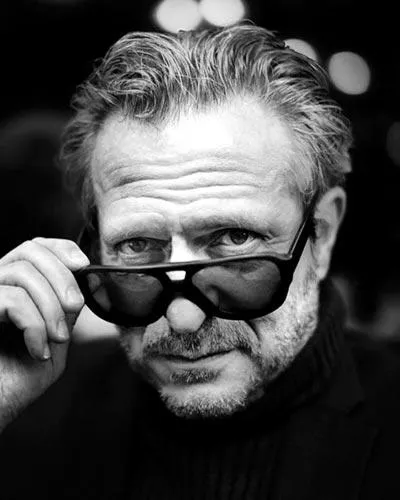
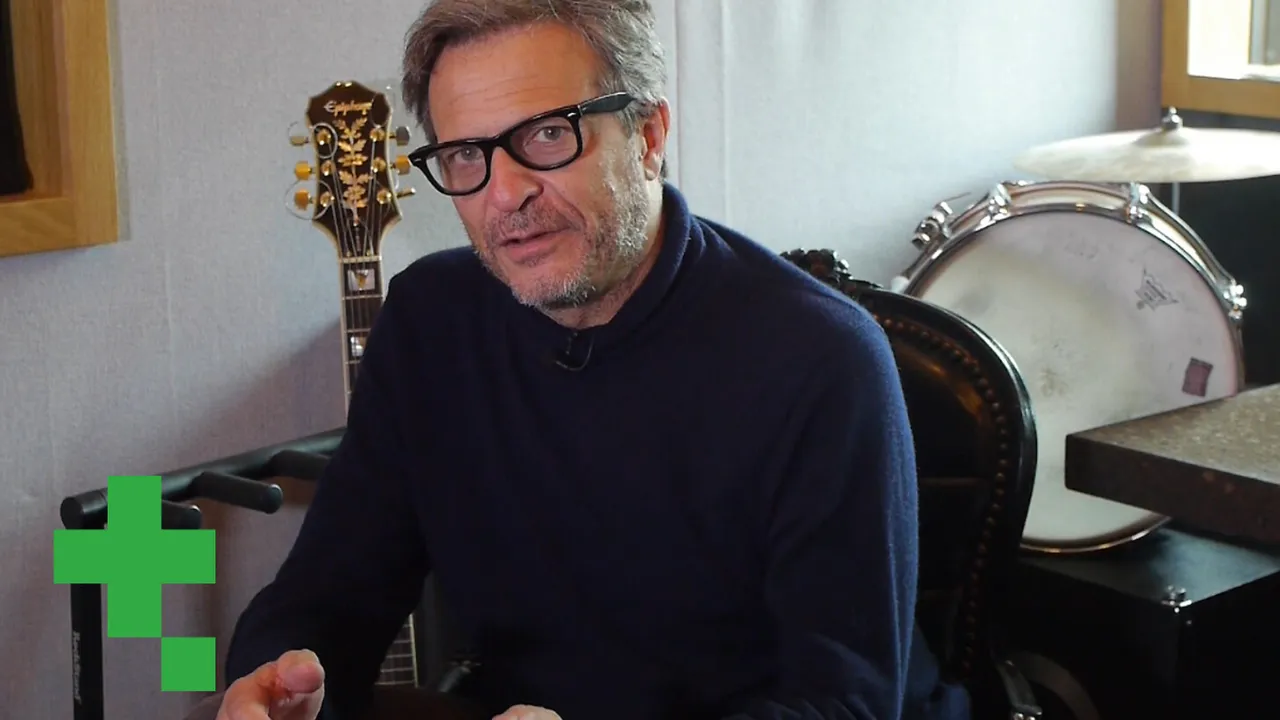
Charlie RapinoCharlie Rapino on how songwriters tap the zeitgeist of their era, translating where society is heading into their lyrics, using Sinatra's 'Fly Me To The Moon' and Robbie Williams' 'Angels' as case studies.
What's in the course
16 lessons (2h 16m) · 1 free

Lesson transcript
Music as a Reflection of Society: Branding and Identity in Art
So, Charlie, we talked a little bit now about creating the product of the artist. Whether that's the artist's name itself, the band name, or those artists we discussed, it's crucial for them to:
- Take public transport
- Listen carefully to the slogans and jargon of society at the time
- Reflect these slogans within their work, particularly in their lyrics and in repetitive themes or chorus titles.
Understanding Production Comparison
What do you mean, though, by a production comparison? What does that sort of mean in terms of branding and product identity?
I think it can go two ways:
-
Visionary Artists: Some artists can be extremely visionary, able to see into the future. For example, consider Stanley Kubrick. If you look at 2001: A Space Odyssey, it's remarkable. Anyone who thinks that the iPod or tablet was invented solely by Jonathan Ives is very wrong.
- In a scene from 2001: A Space Odyssey, there's an astronaut looking at a portable screen, eating, and it looks exactly like an iPod, 35 years before it was invented!
- Kubrick's work even presents video phone calls, predicting things like Skype well before anyone else.
-
Market-savvy Artists: There are also artists who know how to differentiate themselves and become popular. This brings us back to the moment where we discussed artists taking public transport, listening to the zeitgeist of their time.
- Do you see that there are ways that artists should transpose that a little further ahead? They need to imagine and evoke a new narrative.
The Importance of Context in Art
It's vital to continually read the social phenomena and historical moments where you live. A perfect example for me is Frank Sinatra. At the height of his career, he tapped into the average American male's psyche.
-
Come Fly With Me: Sinatra was a talented graphic designer. If you look at the cover of Come Fly With Me, it resembles a TWA advertisement.
- He eventually embraced that concept, recognizing that mass transportation was changing America. He's saying to listeners, "I'm gonna lead you by the hand, America. Come with me, we're gonna fly."
The next important record, Fly Me to the Moon, emerged during the space race against the Russians. Originally titled Let Me Swing Among Those Stars, the name changed because it captured the essence of the moment: we're going to the moon!
The Role of Branding
Behind Sinatra's brand was Ed Thrasher, an art director. He crafted the dapper image of Sinatra and understood the deep connection with American society. He symbolized someone who rose from rags to riches, something the audience loved.
Analyzing Modern Music
Similarly, look at Robbie Williams' Angels. It's an emancipatory song that resonates with many.
-
Robbie tapped into female empowerment, a concept that started in the '60s and intensified in the '90s.
- He touches on deeper emotions, suggesting vulnerability through lyrics that seek maternal care: "Put me to sleep, please."
- This concept reflects a significant aspect of women's roles in the workplace versus their traditional roles at home.
The Power of Lyrics
The song's success likely came from its appeal to mid-30s to early-40s executive women wrestling with a balance between career success and motherhood.
Conclusion: The Craft of Music
So, summarizing from Sinatra to Robbie Williams, their raw talent is undeniable. However, their success is partly about:
- Understanding the power of branding
- Recognizing the zeitgeist.
We're discussing music as a language, interpreting society. Think about John Lennon, his music is a precise statement, tapping into social aspirations.
The Subtlety of Language
It's significant how music operates as a language. For example, the words "cry" and "tears" evoke different subconscious reactions:
- "Cry" is simple, while "tears" connects to deeper emotions, such as sadness.
Thinking simply is difficult, but it's a craft few possess. Sinatra and The Beatles are prime examples of mastering this art.
16 lessons
2h 16m of structured video lessons
Advanced video features
Slow down, loop a passage, follow along
Mobile, tablet & desktop
Practise wherever you are
100% satisfaction guarantee
30-day money-back guarantee
Meet your guru
Meet your guru
Charlie started in the music industry as a freshly minted lawyer, promoting gigs by bringing the likes of Iggy Pop and Patti Smith to a radical Italian university crowd.
After working at the notorious Record Plant NYC and soaking up the house scene, he formed the Rapino Brothers with Marco Sabiu, moved to London in 1990 and never looked back. There they took the decade by storm, producing and recording records. After their first hit with Kym Mazelle's Love Me The Right Way, they masterminded Take That's first hit and produced, mixed and fixed many major pop acts during the 1990s, from Kylie to Primal Scream.
In 1997, Charlie was the "on air" producer for BBC's "Get Your Act Together", followed by "Full Frontal" on Channel 4. From 1999 to 2004 he was A&R Director for Sony Music International.
His energy never lets up. Over the years he has divided his time between management consultancy for Ennio Morricone, consultancy for Rolling Stone magazine, soundtrack work and production consultancy for movies and games (including fixing Iggy Pop to do the voice-overs on the Driver 3 video game), and signing and managing acts through his joint venture label with Sony, Stud Records.
In Get signed!, Charlie pulls back the curtain on decades of production and A&R experience to show you exactly what labels listen for, how to shape and present your act, and what it really takes to get noticed and land a deal.







