



Jouer avec musicalité
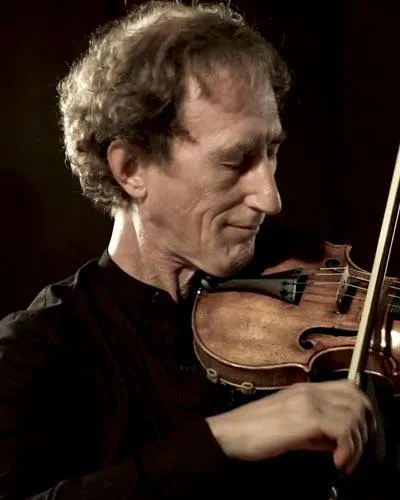
Avec
Simon Fischer
Le contenu du cours
11 leçons (1h 7min) · 1 gratuites
01. Échauffe-toi pour l'exercice un avec un simple exercice d'archet droit
Leçon gratuite1:53
02. Explication et démonstration de l'exercice un
27:16
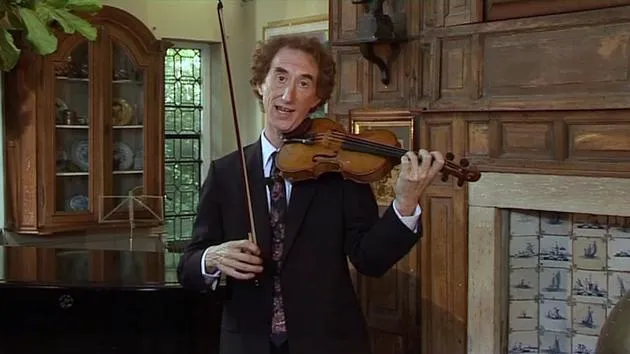
03. Le premier exercice plus en détail
12:03
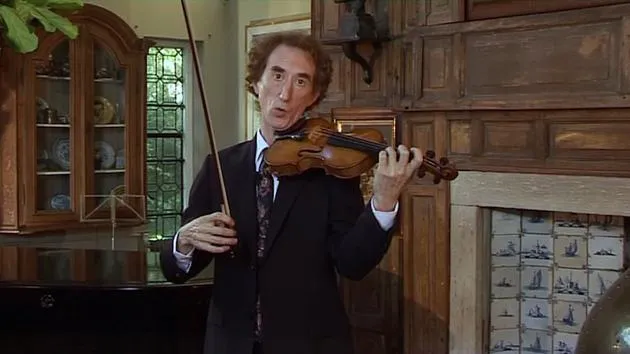
04. Isoler les éléments
3:16
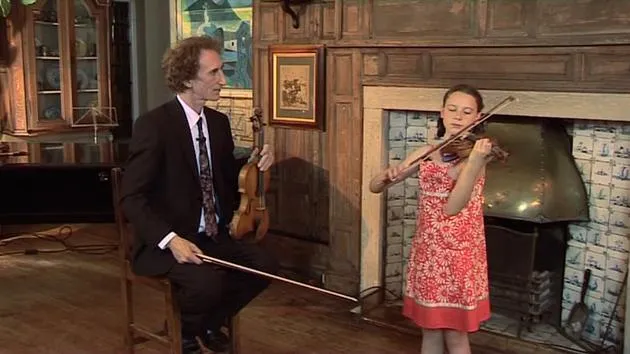
05. Jouer avec musicalité
Tu es ici4:41
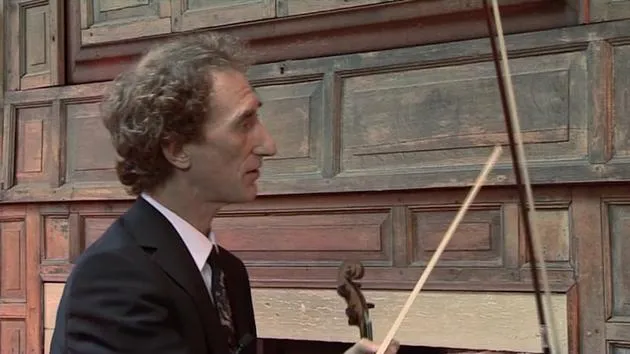
06. Réussir le changement d'archet parfait
7:03
07. Le changement d'archet inaudible n'existe pas
1:22
08. Ressentir l'élan de l'archet
3:18
09. Ajouter les doigts de la main gauche
1:15
10. Appliquer le travail du point de contact aux passages
2:53
11. Sonner aussi bien que le meilleur instrumentiste du monde, dès maintenant
2:08
Transcription de la leçon
Teaching Technique Musically
But after all the talk about technique and how to do it, the most important thing is actually something else:
Play Musically
To play the exercise and all exercises musically. Countless times I've seen people trying to do these exercises using a sort of detached mental control.
- It's as though I am in here somewhere behind my eyes and between my ears.
- I have a hand; I hold the bow with my fingers.
- I have to put the bow on the string and somehow draw it straight to the bridge and adjust the speed and the pressure.
And it just doesn't work like that.
The Importance of Context
Often you hear somebody play a piece of music with talent and a pretty good range of tone. Then, they try to play a sound point exercise, and they sound like this:
"This simply never works."
Instead, all you have to do is to imagine that this one note is in a piece of music:
- A note in a solo piece
- A quartet
- A symphony
Then everything feels different.
Focus on Sound
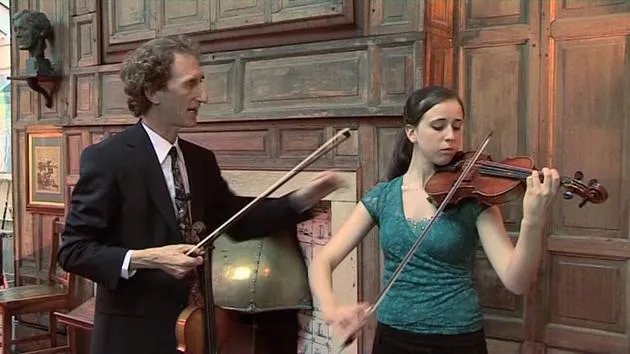
- "Watch your sound point. Watch it."
- "That's it. Keep it even heavier, Olivia."
- "Play into the string, Olivia. Very good."
With your finger, would you please press the string near the bridge?
"Do you feel how hard it is? Very hard. So you've got to engage that with the bow. Go deep into the string. Keep it even."
Okay, okay. Very good.
Visualization and Emotion
Just one more thing:
"Would you please imagine that this note is in your favorite piece of music? And you love this bit of the music. And this is the bit where you go, oh, yes, oh, yes."
You can think of other instruments, you can think of a rhythm, you can think of whatever you like. Just imagine.
- Play something expressive and heavier.
- "Very good. And vibrate near the bridge expressively. Heavier. Marvelous."
- "Thank you very much."
Adjusting Technique
Elbows:
"That needs to be lighter, Tim. Lighter and lighter. Well done. Careful there. Add vibrato. Bravo."
Now, senza vibrato:
- "Sound point 3. Use all the bow. Yes, yes."
Make it Musical
You know, there's a fantastic thing you can do when you do exercises like this:
"You can pretend they're a piece of music, because you don't want to just play mechanically like this and go."
Imagine it in a piece, and this is what you have to play, or what you get to play in this piece at this moment.
And play musically, see what happens.
- "And deeply in the string. Be musical, expressive."
- "Well, look at that. That's a better contact. That's right. Bravo. Fantastic."
11 leçons
1h 7m de leçons vidéo structurées
Fonctions vidéo avancées
Ralentissez, bouclez un passage, suivez la partition
Mobile, tablette et ordinateur
Pratiquez où vous voulez
Satisfaction garantie à 100 %
Garantie remboursement 30 jours
Rencontrez votre guru
Rencontrez votre guru
Simon Fischer mène une carrière remarquable et variée de concertiste, de pédagogue et d'artiste de studio.
Il s'est produit dans le monde entier en récital et a enregistré trois Sonates de Brahms, un enregistrement salué par la revue Gramophone.
Simon est reconnu comme l'un des professeurs d'élite au monde. Il est professeur à la Guildhall School of Music et a occupé des postes à la Yehudi Menuhin School, la Wells Cathedral School et la Purcell School, et a été pendant 15 ans professeur invité à la Royal Scottish Academy of Music. Après avoir étudié à Londres avec Yfrah Neaman et à New York avec Dorothy DeLay, l'approche de Fischer réunit les meilleurs éléments des traditions violonistiques française, russe et américaine.
Les publications de Fischer exercent une grande influence sur l'enseignement du violon. Rédacteur pour la revue The Strad depuis 1991, ses articles mensuels ont conquis un lectorat dans le monde entier. Publiés par Edition Peters, ses ouvrages techniques Basics and Practice (traduit en coréen, italien et allemand), Scales et The Violin Lesson, ainsi que le DVD The Secrets of Tone Production (désormais disponible en streaming via MusicGurus), sont devenus des références sur de nombreux continents. Son livre et DVD Warming Up a été décrit par la revue The Strad comme « 23 pages d'or technique à l'état pur ».
En 2014, Simon Fischer a reçu le prix de la European String Teachers Association « pour saluer une contribution à l'enseignement des cordes à l'échelle d'une vie ».
Dans son cours en quatre parties Secrets of Tone Production, Simon te guide pour apprendre à connaître ton instrument, puis pour travailler pas à pas ses exercices fondamentaux de sonorité, afin de produire un son plus riche, plus maîtrisé et plus beau au violon.







