



These Are The Days, Jamie Callum (Cours)
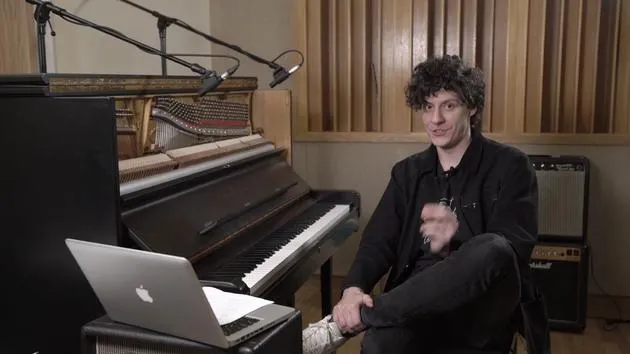
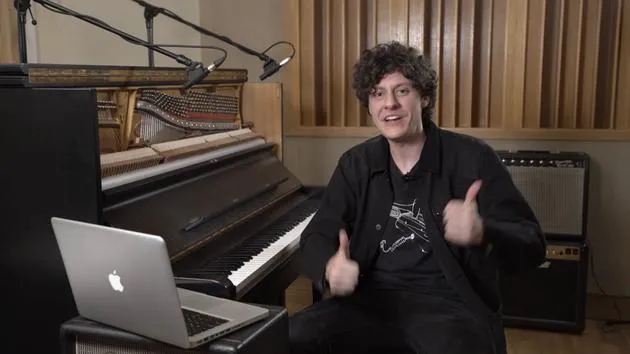
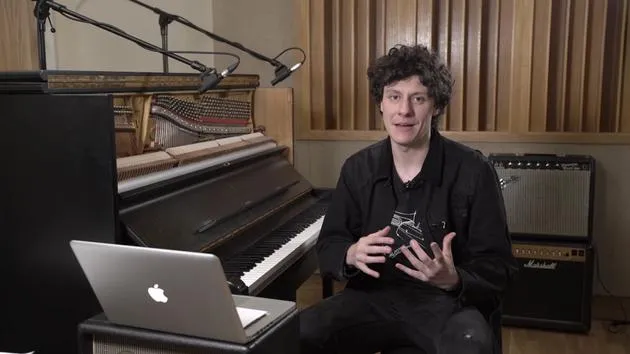
James Beckwith parcourt 'These Are the Days' de Jamie Cullum, un morceau jazz-soul de grade 8, en assurant un rôle d'accompagnement et en passant au premier plan pour l'intro et un court solo.

Le contenu du cours
27 leçons (2h 50min) · 2 gratuites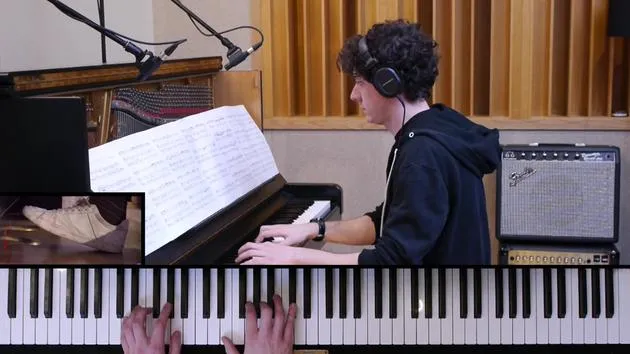
01. These Are The Days, Jamie Cullum (interprétation)
3:28
02. Straighten Up And Fly Right, Diana Krall (Interprétation)
Leçon gratuite4:08
03. Bohemian Rhapsody, Queen (Interprétation)
5:19
04. Nosso Samba, Noam Lederman (interprétation)
3:18
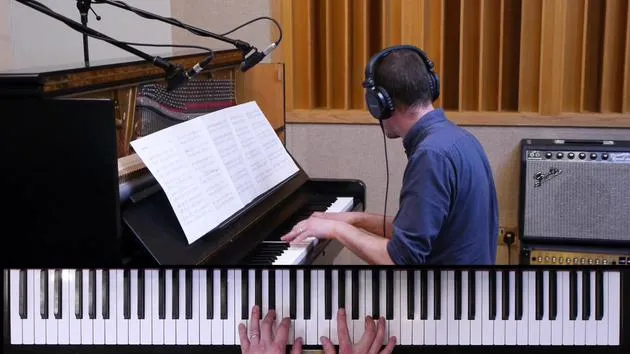
05. Freightshaker, Simon Troup (Interprétation)
3:20
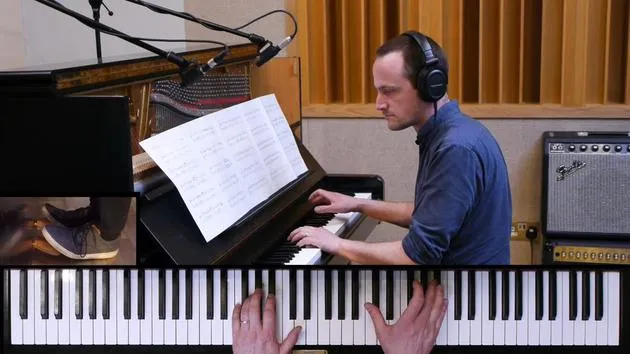
06. Mind The Gaps, Kit Morgan (interprétation)
3:41
Transcription de la leçon
Music Lesson on "These Are the Days" by Jamie Cullum
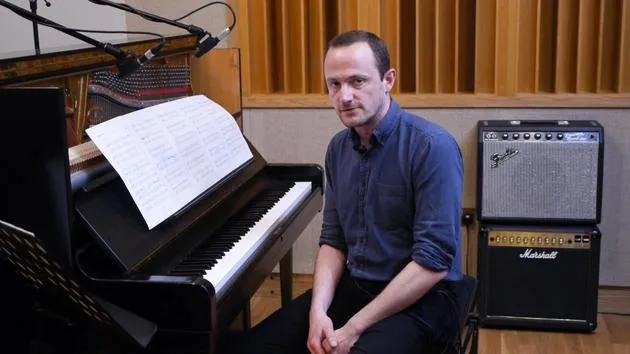
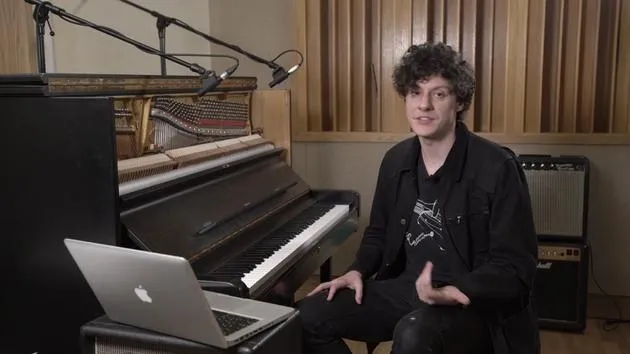
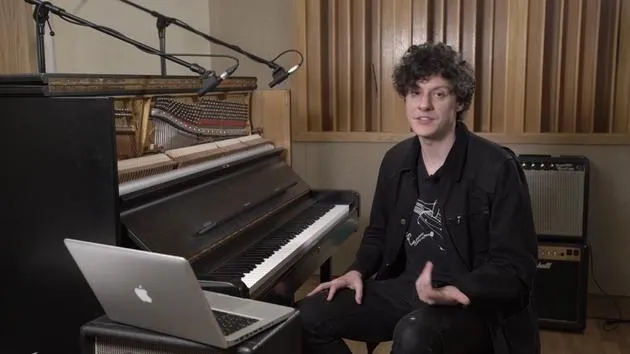
Hi, I'm James!
Today, we're looking at this Grade 8 piece called "These Are the Days" by Jamie Cullum. It's part of the Rock School Grade 8 syllabus. It's a really nice piece with beautiful jazz soul vibes.
Background
- Written by Jamie Cullum and his brother Ben Cullum.
- This pair is known for their strong songwriting partnership.
- "These Are the Days" was a chart hit with lovely elements of soul and gospel.
Structure of The Piece
- The performance mainly involves an accompanying role.
- The exception is a short solo where we play underneath the singer.
- In our setting, we'll be performing the role of the piano player.
Groove and Accents
- Most of the time, focus on the groove, play soulful lines and hang back.
- There are two key moments to step forward:
- The intro (when we're on our own).
- The solo section (starting at Bar 33).
- We recommend checking out the original version to understand Jamie's accents, especially in the introduction (Bars 1, 2, and end of Bar 4).
Quote:
"Really knocking those accents in."
Harmony
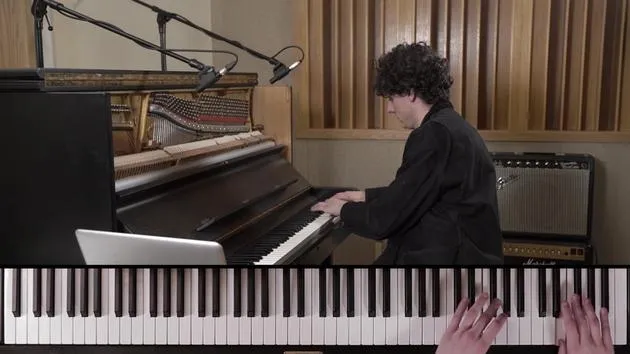
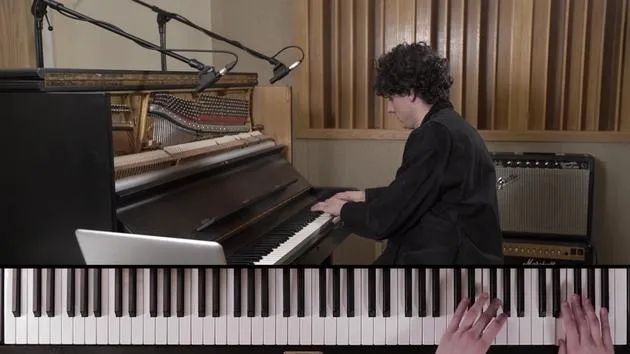
- A lovely harmonic section occurs in Bar 3 during the introduction with C over D (also referred to as a sus chord).
- It feels like a cadence that needs resolution, much like a five-one perfect cadence in gospel music.
Page Turning Strategy
- This piece has a lot of pages, making it challenging to turn them during a performance.
- Consider:
- Taping your music together.
- Spreading out all six pages for easy access.
Tip:
"Many a great exam has been ruined by a pause in the piece. Remember, the backing track isn't going to stop."
The Solo Section
- The solo is the most difficult part:
- Notation: Features semiquaver triplets, quintuplets, demi-semiquavers, and big fourth voicing sections.
- Tempo: At 73 BPM, but feels double-speed.
Key Points:
- Use a classic blues line at the start of the solo, hit it punchy and bright.
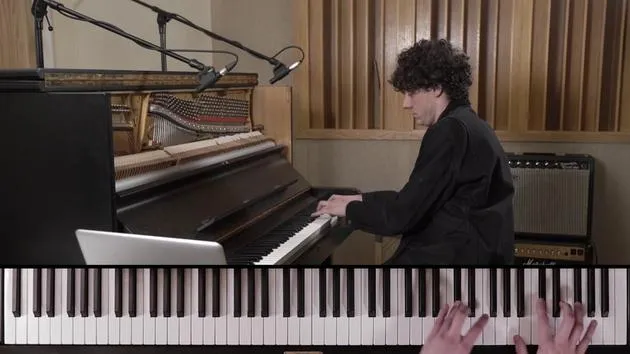
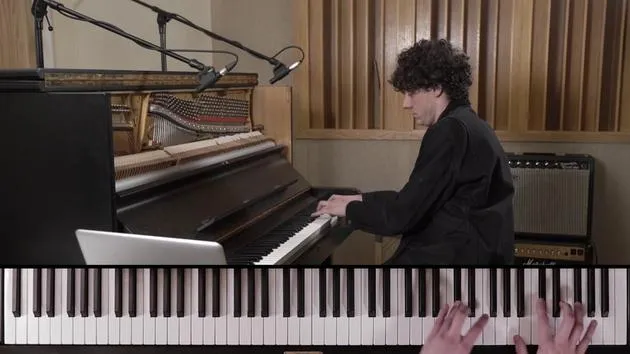
- From Bar 34, focus on the quintuplet; it's more about achieving a glissando effect.
- Recommend putting the pedal down for sustain on A7 arpeggios.
Difficult Segments in the Solo
- At Bar 36, big leaps lead into Bar 37.
- These large gaps require focus to jump from high to low notes.
Memorization Advice:
"If possible, memorize the solo. It helps with flow and hitting the right notes."
Final Section Dynamics
- The final section invites dynamic fluctuations:
- Start strong from Bar 55 and tail off towards the end.
Dynamics Overview:
- Mezzo forte at the start.
- Transition to piano and build up at Bar 28.
Summary
This is a super soulful piece to enjoy. Key takeaways:
- Emphasize the intro and solo.
- Take the solo slowly, practicing hand separately.
- Focus on getting the right vibe, especially in Bar 34 arpeggios.
- Pay attention to page-turning logistics during the exam.
- Explore dominant sevens and sus chords for added texture.
In Closing:
Harvest interesting voicings to elevate your playing; you'll sound like a pro in no time!
See you next time!
27 leçons
2h 50m de leçons vidéo structurées
Fonctions vidéo avancées
Ralentissez, bouclez un passage, suivez la partition
Mobile, tablette et ordinateur
Pratiquez où vous voulez
Satisfaction garantie à 100 %
Garantie remboursement 30 jours







