



Unfaithful, Rihanna (Leçon de Jono)
Jono décortique "Unfaithful" de Rihanna, tiré du Grade 3 de piano Rockschool, une ballade pop-R&B fondée sur un doigté legato et des lignes qui circulent en douceur entre les mains.

Le contenu du cours
32 leçons (2h 17min) · 1 gratuites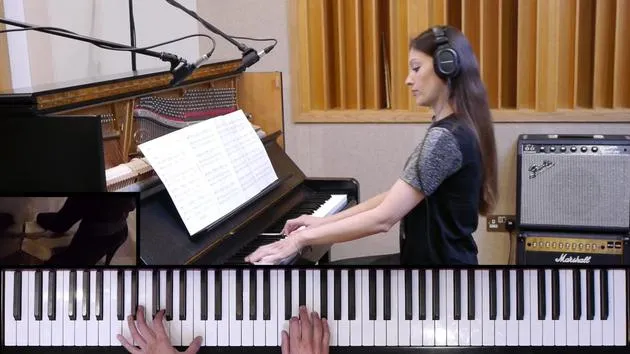
01. Unfaithful, Rihanna (performance)
Leçon gratuite1:40
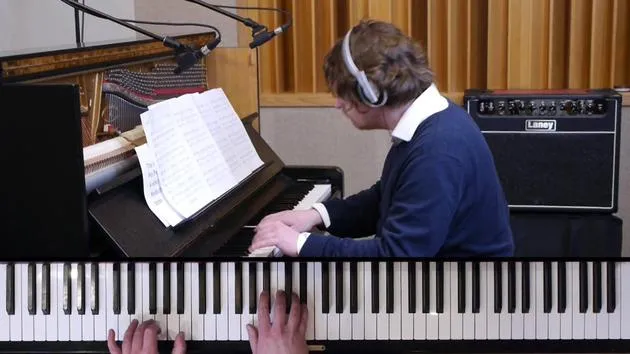
02. Unfaithful, Rihanna (Interprétation de Jono)
1:35
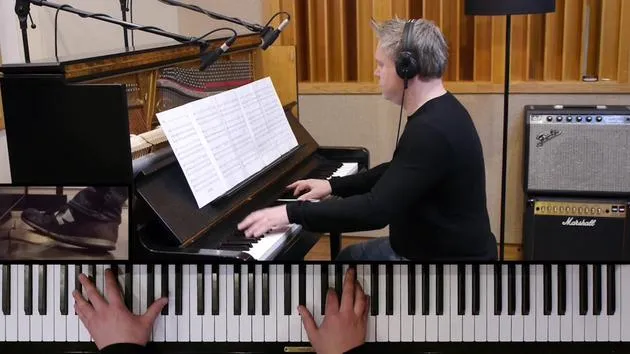
03. Skyfall, Adele (Interprétation)
4:54
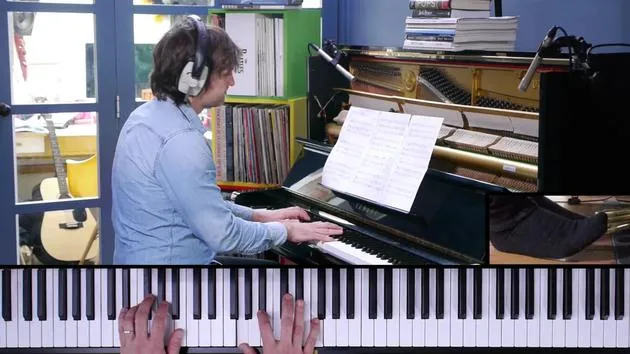
04. The Dock Of The Bay, Otis Redding (interprétation)
2:19
05. Overrated, Bob Graceful & Kung Fu Drummer (Interprétation)
2:06
06. Reggae Island, Noam Lederman (Performance)
1:59
07. Maiden Voyage, Joe Bennett (Interprétation)
2:05
01. Unfaithful, Rihanna (leçon)
7:19
02. Unfaithful, Rihanna (Leçon de Jono)
Tu es ici8:00
03. Skyfall, Adele (Cours)
8:49
04. The Dock Of The Bay, Otis Redding (Leçon)
13:50

05. Overrated, Bob Graceful & Kung Fu Drummer (Leçon)
10:10
06. Reggae Island, Noam Lederman (leçon)
12:38
07. Maiden Voyage, Joe Bennett (Leçon)
5:33
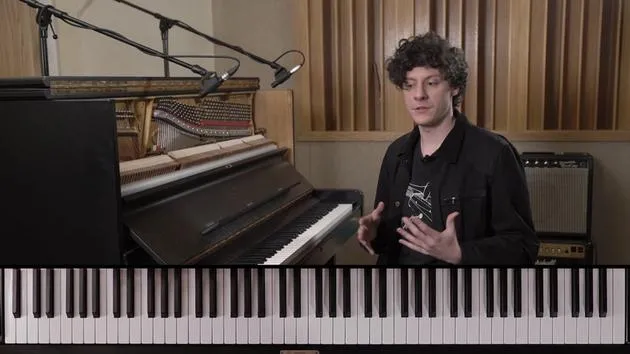
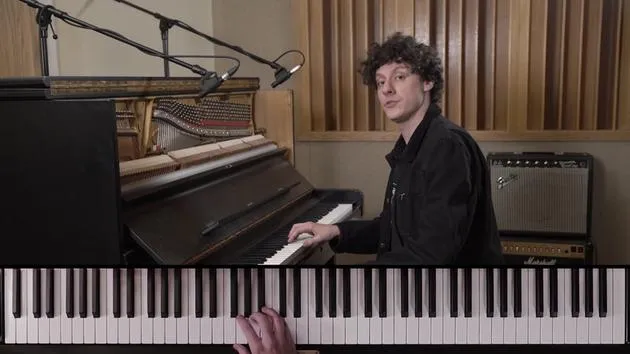
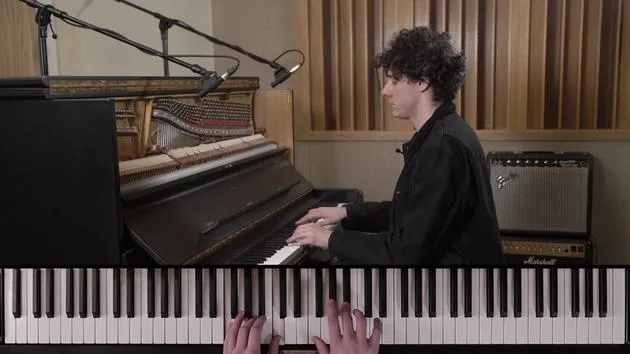
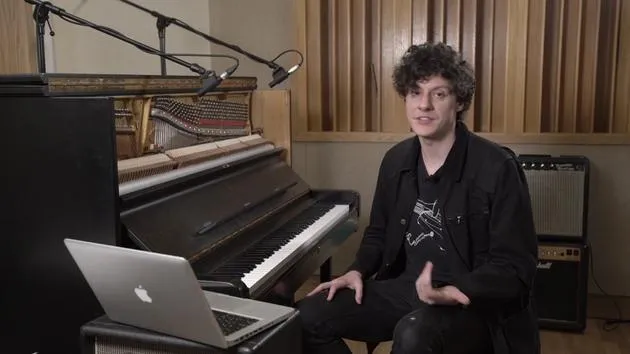
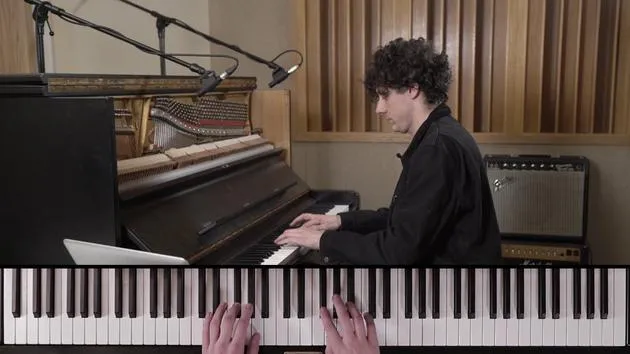
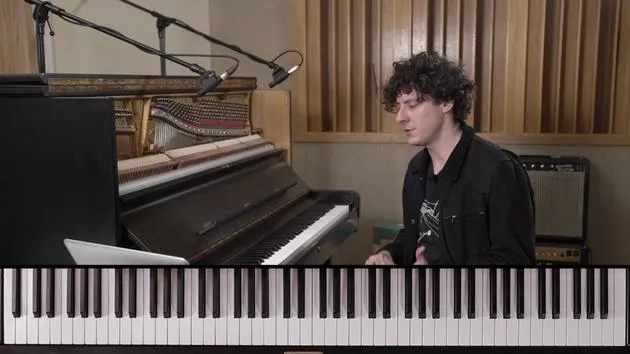
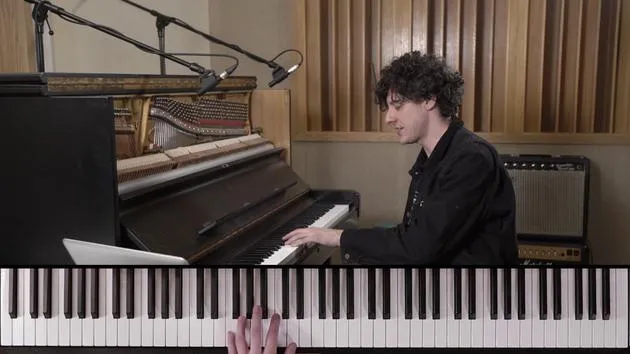
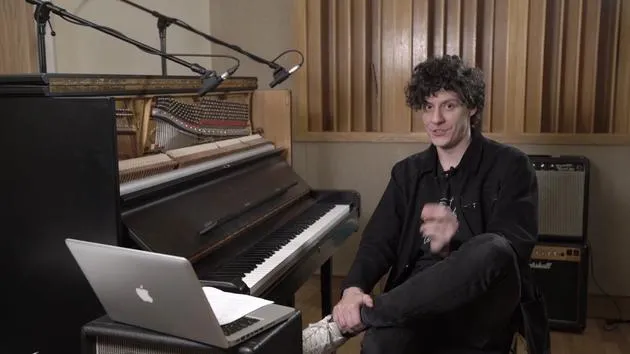
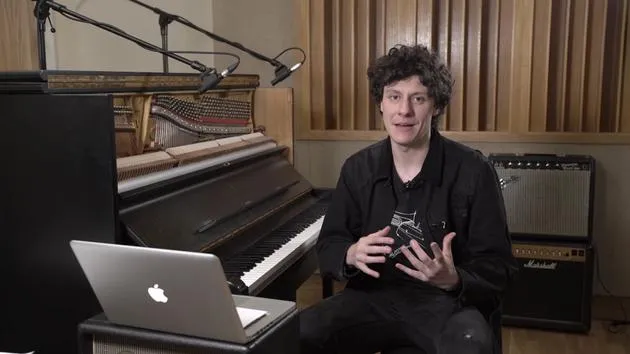
Transcription de la leçon
Music Lesson: "Unfaithful" by Rihanna
Overview
This is "Unfaithful" by Rihanna. It's a pop R&B track, featuring a beautiful piano arrangement that incorporates legato fingering. The piece includes smooth flowing passages between the left hand and the right hand.
Genre Exploration
If you want to explore this genre further, it is broadly classified as pop. The piano plays a significant role in this genre, similar to works by:
- Elton John
- Coldplay
Ballads often include piano parts, which are usually played by producers but can also be performed by session players.
The Rock School Piano Syllabus
The lovely aspect of the Rock School piano syllabus is that it brings the piano to the forefront as an instrument, allowing for more pianistic qualities in performance.
Melodic Line and Fingering
Speaking of performance, we are transitioning from the left hand to the right hand.
- We have notes ringing over each other, while maintaining a clear melodic line.
- The motif should be explored with your teacher to ascertain the best fingering patterns for smooth execution.
Caution on Pedal Use
It can be tempting to use a lot of pedal. However, be warned: it can easily become blurry.
- Think of the pedal as a coloration rather than a means to link notes too much.
- Use it to add tonal depth to your performance, touching it after the notes for added body.
Specific Techniques
Bar 25
At Bar 25, there's a nice build through the chords as the arrangement and backing track progress.
- I recommend peppering the pedal throughout to add tonal color and body, contrasting with the opening passage.
- You can apply added color at the end where you feel it's appropriate.
Harmony of the Piece
Let's discuss the harmony in the piece:
- We are in the key of C minor, with its relative being E flat major.
- You'll note three flats in the key signature, and chord symbols are written above each bar in the book.
Observe how the chords change bar by bar, including shifts like the lovely G7SUS4, which traditionally would like to resolve but instead sets up our chord six for the build, a lovely tension point.
Notable Chords
Some notable chords include:
- A flat add nine: This adds richness.
- Playing a straight A flat emphasizes the color added by the B flat.
In the piano arrangement, the chords are outlined with the left hand and the right hand, creating harmony as the two parts blend together.
Practicing Legato Fingering
When practicing legato fingering, bring your tempo right down to tackle the sections properly.
- It's tempting to rush; however, this may lead to repeating uncertain areas.
- Slow down, secure those challenging sections, and then build back up to tempo for a more enjoyable experience.
Specific Techniques
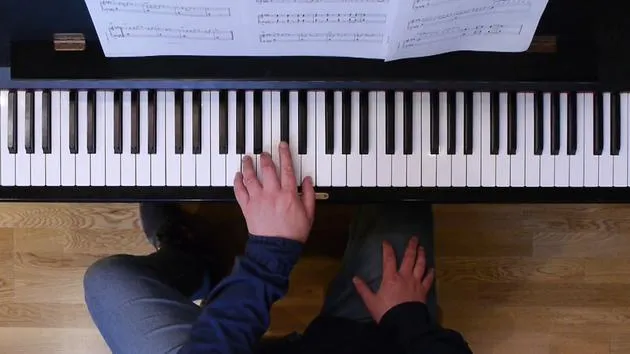
At Bar 25 in the right hand, your left hand is fairly self-explanatory:
- Use your little finger on the root, your first finger on the fifth, and your thumb on the top octave.
- For the right hand, use your thumb, first finger, and middle finger for the ascending pattern (C, D, E flat) in the next bar.
Replace the thumb with the first note of each bar consecutively, hitting:
- The ring finger on the high B flat
- The middle finger on the A flat
- Finally, crossing over as needed
Bar 48 Consideration
Pay attention to Bar 48, where there's a significant cross of hands. You must practice this movement to ensure you reach the right notes in time.
Recap
To summarize:
- Always practice slowly to cover the techniques properly.
- Work with your teacher to ensure you understand the best fingering for these passages.
- Remember, use legato fingering for smoothness rather than relying on the pedal.
- The pedal can be a tool for color, tone, and building within the arrangement.
Enjoy learning, and see you again soon!
32 leçons
2h 17m de leçons vidéo structurées
Fonctions vidéo avancées
Ralentissez, bouclez un passage, suivez la partition
Mobile, tablette et ordinateur
Pratiquez où vous voulez
Satisfaction garantie à 100 %
Garantie remboursement 30 jours







