



Maîtriser l'improvisation et l'interprétation
Le contenu du cours
29 leçons (3h 3min) · 1 gratuites
01. All Of You – Cole Porter
3:13
02. Last Time – Moderat
2:50
03. Red Baron – Billy Cobham
5:11
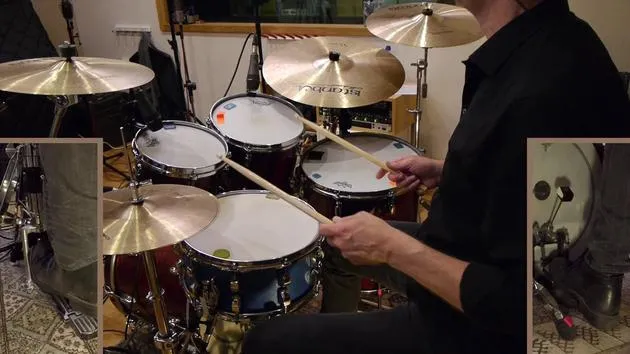
04. Some Skunk Funk – Brecker Brothers
2:49
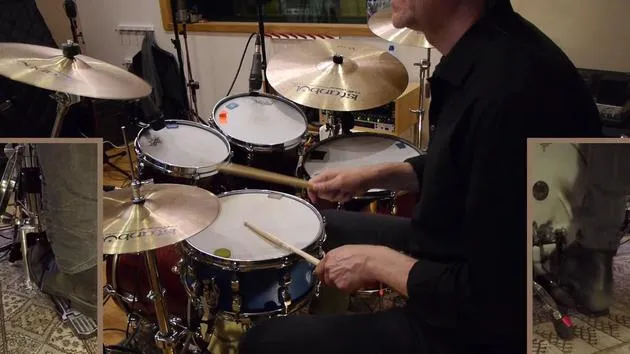
05. Hit Me – Dirty Loops
2:55
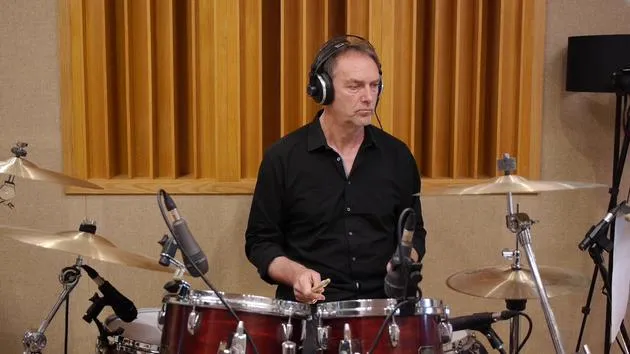
06. Bonfire – Knife Party
2:47
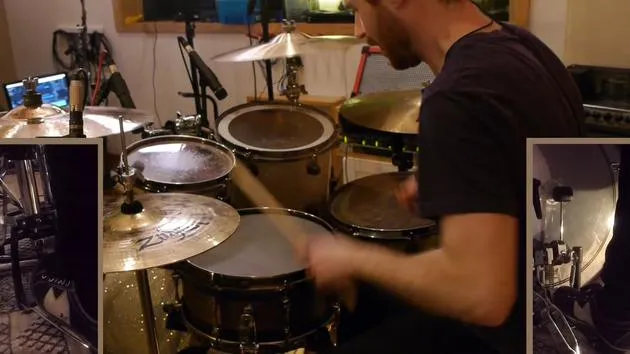
07. Meet Darth Ear
3:02
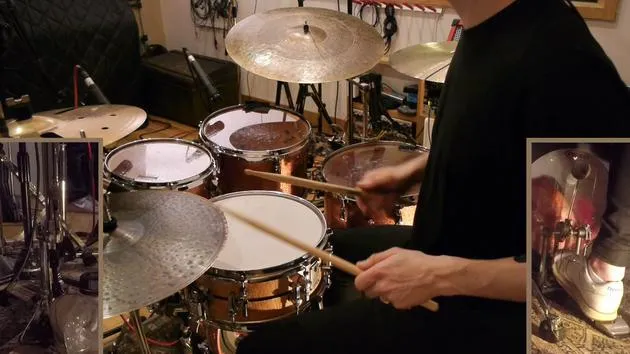
08. Mind the Gaps
3:47
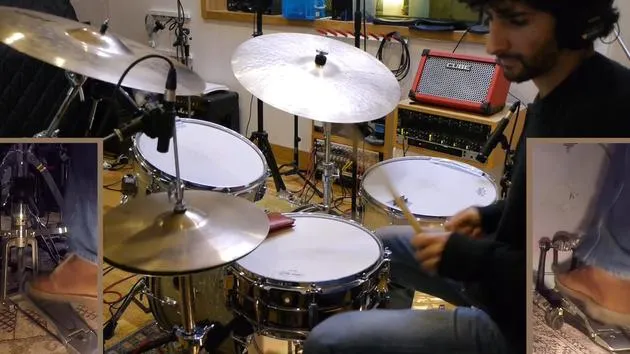
09. Lead Sheet
3:09
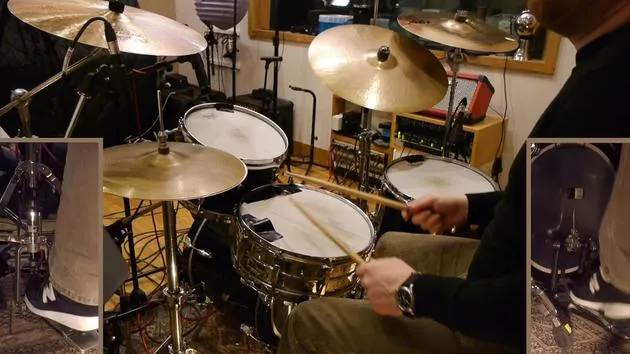
10. Freightshaker
Leçon gratuite3:14
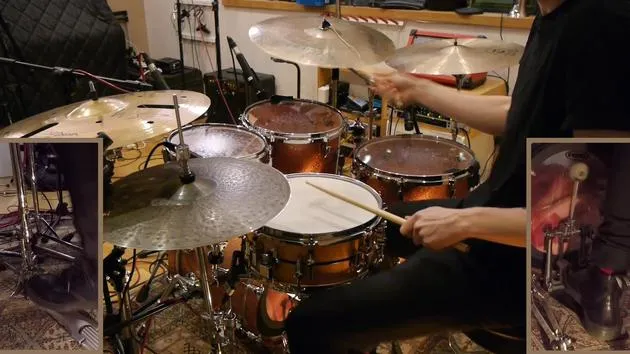
11. Nosso Samba
3:15
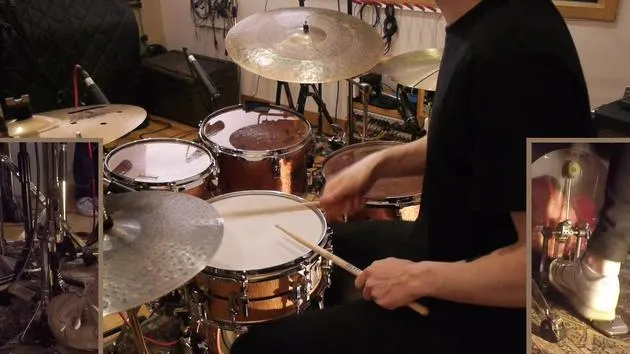
12. Dark Matter
3:11
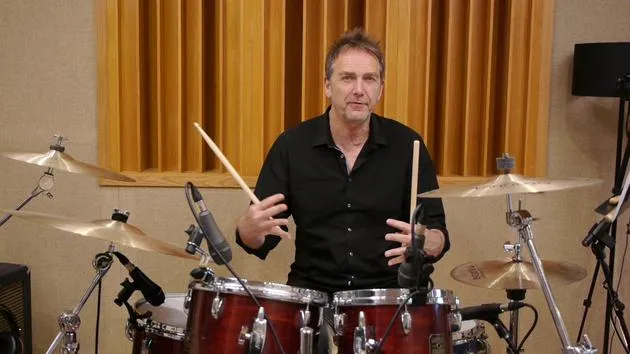
01. Last Time – Moderat (analyse)
10:31
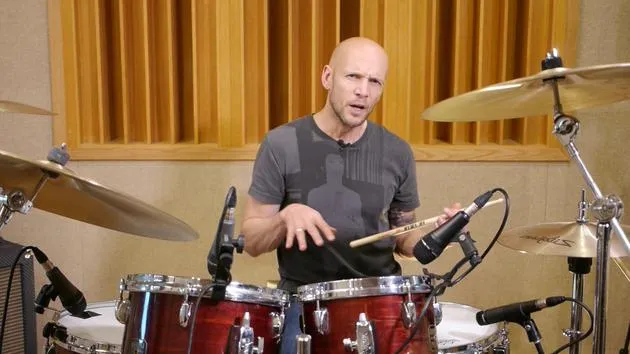
02. All Of You – Cole Porter (Analyse)
14:36
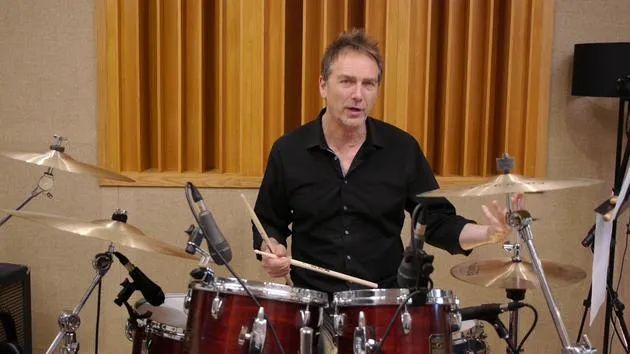
03. Bonfire – Knife Party (Analyse)
14:02
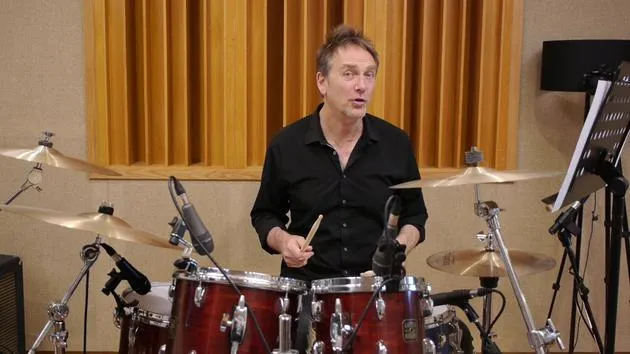
04. Some Skunk Funk – Brecker Brothers (Analyse)
12:09
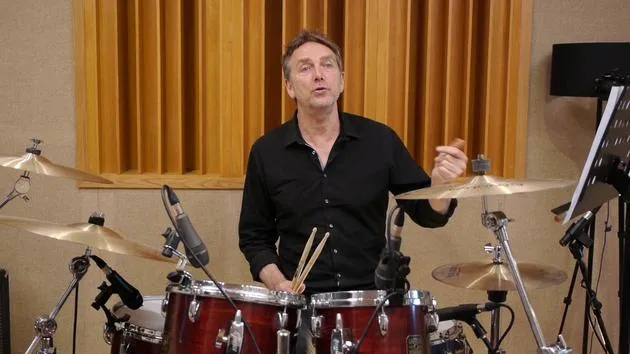
05. Hit Me – Dirty Loops (Analyse)
14:23
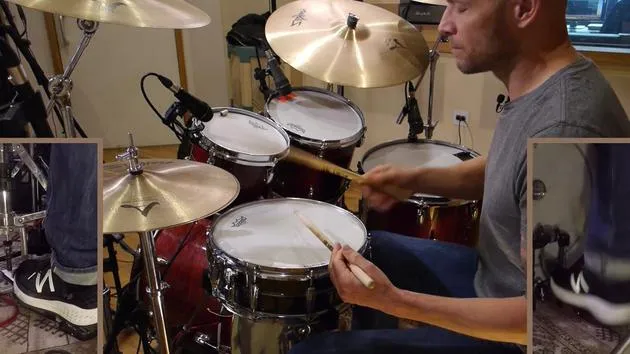
06. Red Baron – Billy Cobham (Analyse)
12:19
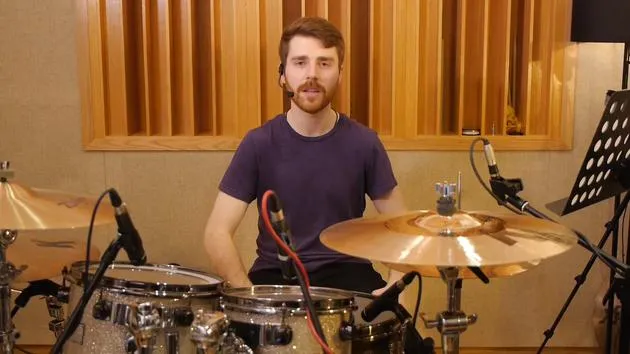
07. Meet Darth Ear (Analyse)
10:56
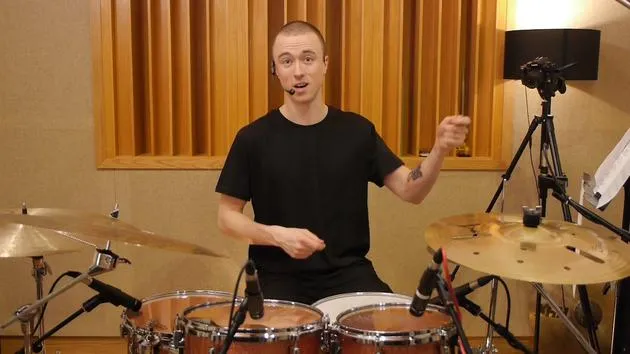
08. Mind the Gaps (Analyse)
5:22
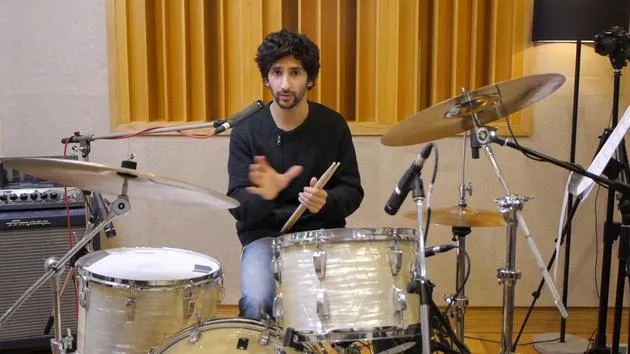
09. Lead Sheet (Analyse)
9:09
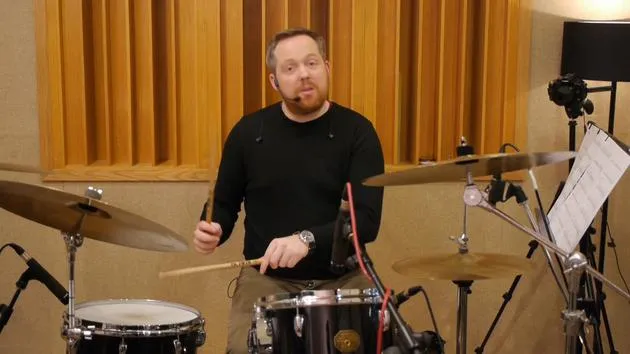
10. Freightshaker (Analyse)
8:14
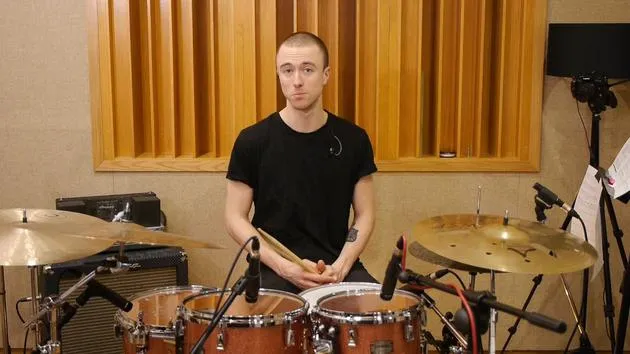
11. Nosso Samba (Analyse)
8:31
12. Dark Matter (Analyse)
5:55

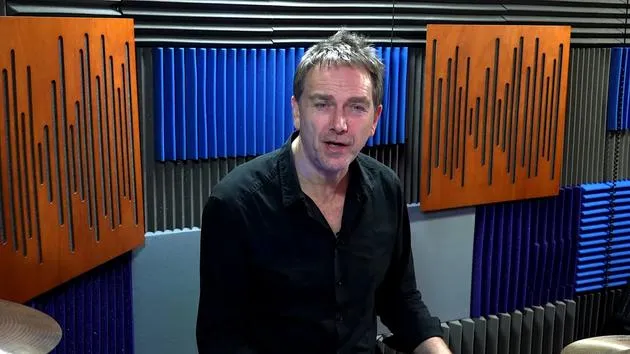
Transcription de la leçon
Composite Reading Situations in Drum Kit
In what I would like to call a composite reading situation, we're looking at different parts of the drum kit.
Types of Grooves
You might encounter:
- Eighth note rock groove
- Sixteenth note funk groove
- Triplet shuffle groove
- Jazz rhythm
- Odd time groove
These grooves would be represented on various parts of the drum kit as written out on the staff.
Practicing Composite Grooves
The best way to practice this is to:
- Look through your pieces
- Get familiar with the styles in the various pieces
- Work through this with your teacher, if you have one
Make sure that you're interpreting the information correctly.
Notation and Representation
What you'll probably see is a sense of notation representing:
- The grooves you're playing
- The styles you're playing
Typical Styles
- In pop and rock grooves, whether it's commercial rock or heavy rock/metal, it's often written as eighth notes.
- In jazz and shuffle or blues, particularly swing blues fields, you're more likely to encounter triplets (eighth note triplets or swung eighth notes).
Note: Swung eighth notes is another concept not elaborated on here, but it's a great way of sight reading.
Funk and Hip Hop
- In funk, you'll usually see sixteenth notes, more bass drum notes, and possibly short fills (sixteenth note phrases).
- In some hip hop or funk shuffle grooves, you might come across more sixteenth note triplets or variations.
Advanced Rhythmic Techniques
At higher grades, particularly in fusion tunes, you could be playing thirty-second note fills around the kit. In Latin tunes, expect to encounter:
- Cut time rhythms
- 2/4 rhythms
- Flam notes
Melodic Lines and Interpretation
Grab some melodic lines from various instruments, such as:
- Trumpet
- Piano
- Saxophone
Look at those single-line rhythms and see how they differ from drum notation. In melodic parts, you'll often see lots of ties because those notes are held, which makes the phrases look different.
Additional Material for Practice
It's crucial to source material from non-drum charts, such as melodic charts or lead sheets. This will enhance your interpretation and improvisation skills in chart reading.
Suggestions for Practice
- Check out pieces not performed in your examination.
- Examine the stylistic requirements, tempo ranges, and phrases.
Look especially at the rhythmic lines, ride lines, and bass drum parts.
Quick Study Pieces
Finally, at grades 6, 7, and 8, you'll see quick study pieces. These are:
- Unprepared pieces
- Longer sight reading pieces
- Very specifically stylistically based
If you've practiced sufficiently with prior grades and pieces, familiarizing yourself with this system will prepare you well for the quick study pieces. This combination of single line phrases, fills, improvisation, and development in specific styles will serve you well.
I hope that helps with your sight reading. I wish you the best of luck!
29 leçons
3h 3m de leçons vidéo structurées
Fonctions vidéo avancées
Ralentissez, bouclez un passage, suivez la partition
Mobile, tablette et ordinateur
Pratiquez où vous voulez
Satisfaction garantie à 100 %
Garantie remboursement 30 jours







