



Pop It In The Top (Analyse)
Harry Pope décortique le morceau funk de Grade 6 Pop It In The Top, de la retenue de la première cymbale crash jusqu'à la mesure neuf à la maîtrise de son groove à la Tower of Power.
Le contenu du cours
29 leçons (2h 46min) · 1 gratuites
01. Chameleon - Herbie Hancock
2:55
02. Superstition – Stevie Wonder
3:00
03. Dutch Flowerz – Skream
2:42
04. Ziggy Stardust – David Bowie
2:46
05. Rock The Bells – LL Cool J
3:04
06. I Got You (I Feel Good) – James Brown
2:51
07. Mohair Mountain
3:01
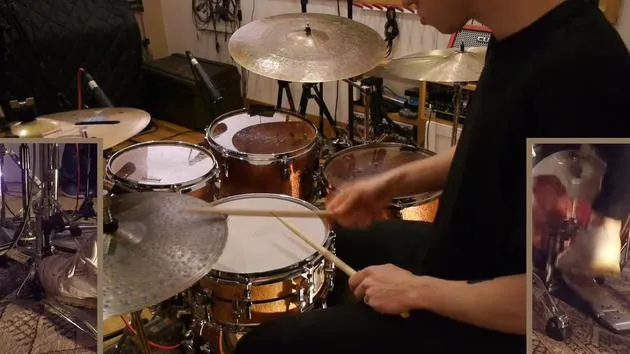
08. Pop It In The Top
Leçon gratuite2:59
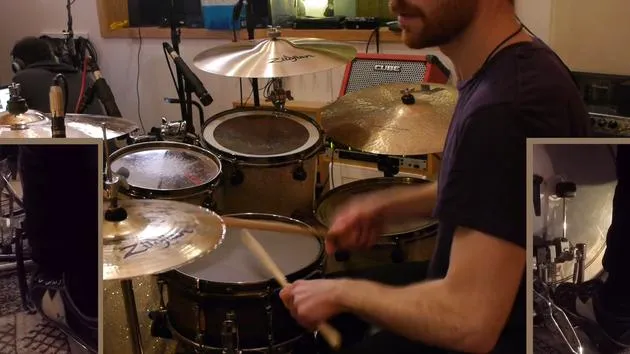
09. Mind Sweeper
2:35
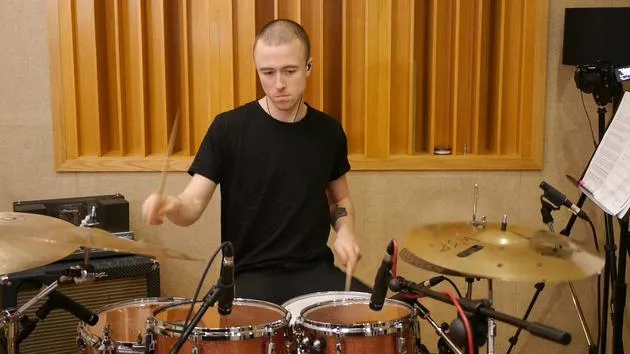
10. Favela
2:41
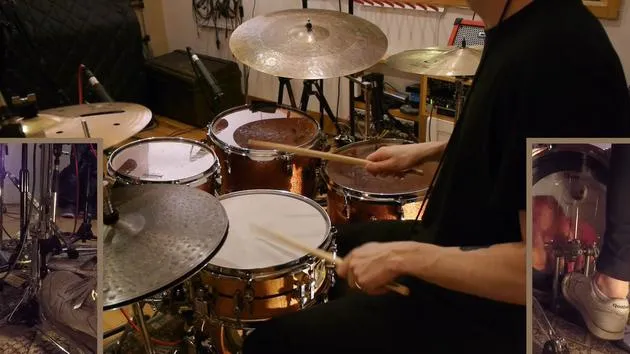
11. Space Future
2:47
12. You Can Call Miguel
2:30
01. Ziggy Stardust – David Bowie (Analyse)
9:38
02. Dutch Flowerz – Skream (Analyse)
10:44
03. Superstition – Stevie Wonder (Analyse)
11:12
04. Chameleon - Herbie Hancock (analyse)
11:20
05. I Got You (I Feel Good) – James Brown (Analyse)
9:37
06. Rock The Bells – LL Cool J (Analyse)
12:16
07. Mohair Mountain (Analyse)
12:25
08. Pop It In The Top (Analyse)
Tu es ici7:14
09. Mindsweeper
10:40
10. Favela (analyse)
6:42
11. Space Future (analyse)
4:50
12. You Can Call Miguel (Analyse)
8:24
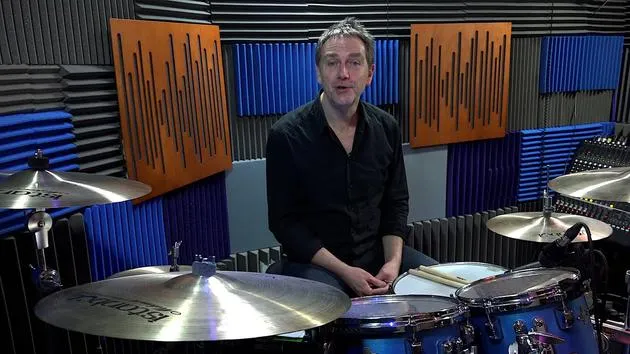
Transcription de la leçon
Welcome to Pop it in the Top: Tower Of Power
It's an evocative name, and yes, it's a heavy kind of funk track that's a lot of fun. As the name suggests, you should already be checking out Tower Of Power, Parliament, and it's also worth checking out The Meters. The background to funk music is really, really cool.
Key Observations
Starting right at the top, here are some key points to consider:
-
No Crash Cymbals Until Bar Nine: The first crash cymbal you enter with is extremely important. It ties the horn hit together, coming straight in on beat one.
-
Intro: There's a bit more of some horns and the whole groove gets more involved as it progresses to D.
-
Unison Section: At this point, we have a lovely unison section with just the baritone sax and the kick drum. Lock into that and enjoy it, it's a classic representation of that style.
Section E and Coordination
Moving to E, you'll find some pedaled hi-hat coming in at 45. Here are some tips:
-
Practice Coordination: Start with practicing the groove with and without the pedaled hi-hat. Begin slow.
-
Drum Solo at F: This is a really cool part, but stay within the musical style. This isn't an excuse to throw all your chops into those eight bars.
-
Watch for Hits at 58: It's important to catch those horn hits. Accent them; they are there to make you sound good.
Technicalities in Funk Music
In funk music, there are going to be a lot of ghost notes, and their contrasts need clear definition:
-
Ghost Notes vs. Accents: The ghost notes must be very quiet, close to the snare head, while the accents need to be loud.
-
Example of Accents: I'm going to play a groove similar to C, something that David Garibaldi might play:
- Play it the way I want: Ghost notes close to snare.
- Play it the wrong way: Cluttered and unclean.
Practice Techniques
-
Molar Technique: This technique can be really helpful for practicing grooves. It's designed to make your accents and quieter notes smooth and streamlined. Practice your paradiddles on the snare drum:
- Accent beats 2 and 4
- Make the rest ghost notes
-
Inversions: Move through the inversions of the paradiddle, starting on the second, third, and fourth notes. Practice slowly with a metronome.
Pedaling and Coordination
When you get to 45 and are pedaling the hi-hat with eighth notes:
- Watch Coordination: Ensure the bass drum coming with the hi-hat is not a flam. Maintain unison strokes when necessary.
Vocab and Solo Section at F
For the solo section at F, note the following:
-
Start Simple: You don't need to jump straight into complex stickings around the kit. Start with a groove and build from there.
-
Use Six Stroke Rolls: Incorporate some inverted paradiddles; they sound great and flow well around the kit.
- For example: Right, left, left, right, right, left.
Practice Tips
- Practice on different surfaces.
- Move the accents on the first and last notes.
- Experiment in septuplets or semiquavers for varied feel.
Conclusion
I hope you enjoy playing this as much as I did. I had an absolute ball. That's all for me. Take care!
29 leçons
2h 46m de leçons vidéo structurées
Fonctions vidéo avancées
Ralentissez, bouclez un passage, suivez la partition
Mobile, tablette et ordinateur
Pratiquez où vous voulez
Satisfaction garantie à 100 %
Garantie remboursement 30 jours







