



Comment améliorer ta lecture à vue

Le contenu du cours
29 leçons (2h 46min) · 1 gratuites
01. Chameleon - Herbie Hancock
2:55
02. Superstition – Stevie Wonder
3:00
03. Dutch Flowerz – Skream
2:42
04. Ziggy Stardust – David Bowie
2:46
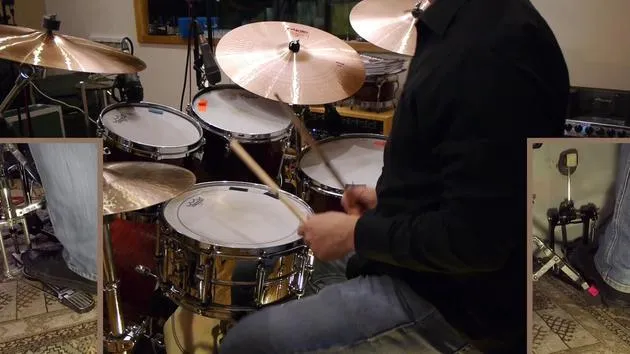
05. Rock The Bells – LL Cool J
3:04
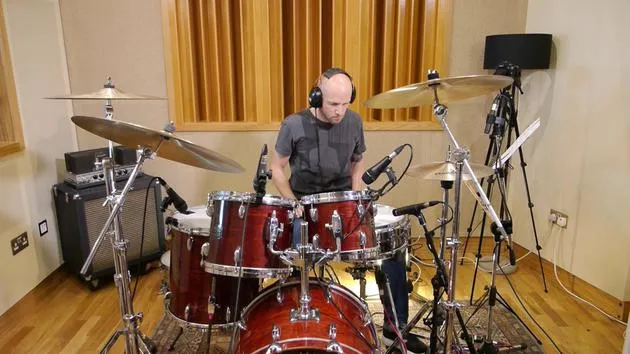
06. I Got You (I Feel Good) – James Brown
2:51
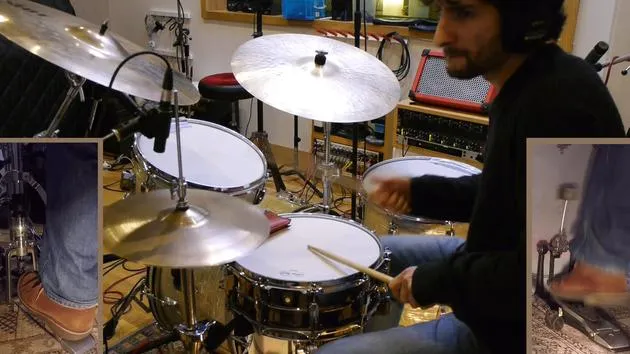
07. Mohair Mountain
3:01
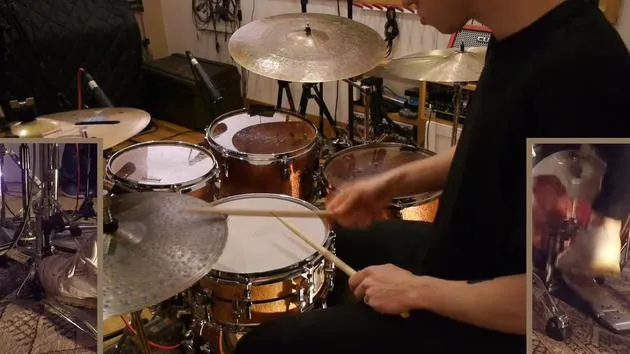
08. Pop It In The Top
Leçon gratuite2:59
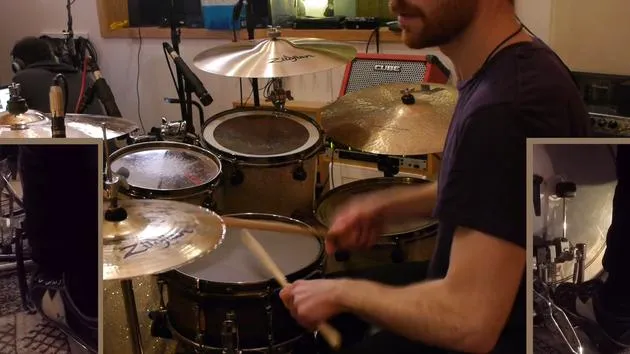
09. Mind Sweeper
2:35
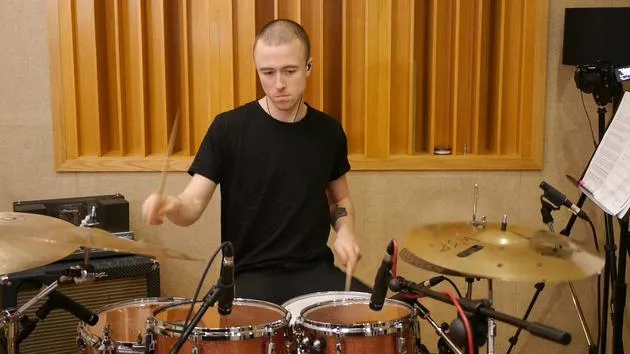
10. Favela
2:41
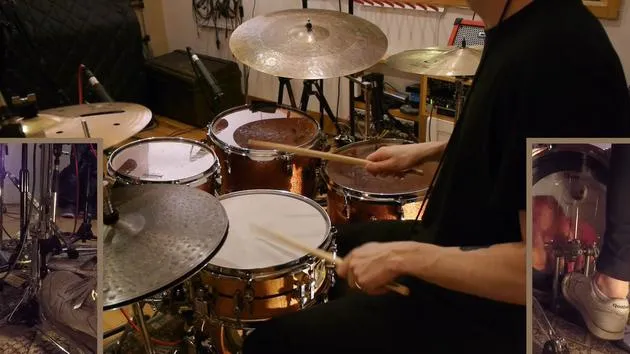
11. Space Future
2:47
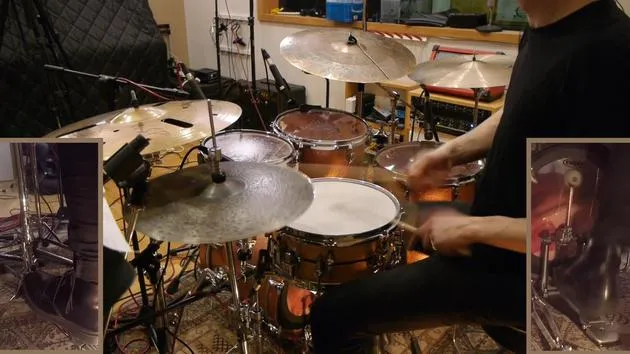
12. You Can Call Miguel
2:30
01. Ziggy Stardust – David Bowie (Analyse)
9:38
02. Dutch Flowerz – Skream (Analyse)
10:44
03. Superstition – Stevie Wonder (Analyse)
11:12
04. Chameleon - Herbie Hancock (analyse)
11:20
05. I Got You (I Feel Good) – James Brown (Analyse)
9:37
06. Rock The Bells – LL Cool J (Analyse)
12:16
07. Mohair Mountain (Analyse)
12:25

08. Pop It In The Top (Analyse)
7:14
09. Mindsweeper
10:40
10. Favela (analyse)
6:42
11. Space Future (analyse)
4:50
12. You Can Call Miguel (Analyse)
8:24

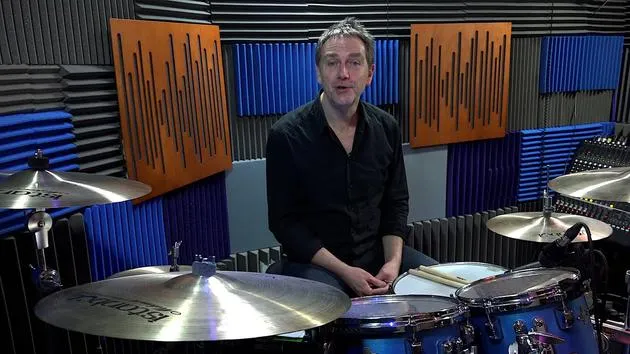
Transcription de la leçon
Music Lesson: Sight Reading, Interpretation, and Improvisation
In grades one to five, you'll be required to choose between sight reading and interpretation/improvisation. Now, you might ask the question: Why do I need to read?
Importance of Sight Reading
Sight reading is a truly important professional skill that comes with many benefits:
- If you find yourself in a professional context where you receive a chart, you need to be able to read it.
- At Rock School, this is a crucial part of the examination package.
Tips for Sight Reading
The first thing I'm going to do is give you some tips on:
- Single line reading
- Composite groove reading
These techniques will help with interpretation and improvisation.
The Process of Sight Reading
The process of sight reading typically involves:
- Looking at notes.
- Putting those notes together into phrases.
- Recognizing those phrases in a sight reading situation.
Initially, when you're working on those phrases, you may need to break them down slowly and piece them together.
Example:
Listen to this 16th note phrase:
1, 2, 3, 4.
When you first start looking at that phrase, you need to understand:
- What it looks like.
- Why it's written that way.
Essentially, you can hear that sound:
1 and a 2 and a 3 and a 4.
Then, you develop a more automatic response to that rhythm when you see it written on the page. Thus, when you see that rhythm, you immediately know it sounds like 1 and a 2 and a 3 and a 4.
Automatic Responses
In a sight reading situation or while practicing:
- It's essential to work towards this natural, automatic response.
- This parallels how we learn to string words together when reading.
When you see a sentence in a book or newspaper, you naturally read across the page, stringing the words together, just as you string notes and phrases when reading notation.
Understanding Note Values and Phrasing
Every note subdivision and metric system has a corresponding phrasing system:
- Eighth Notes:
- Tempo: 1, 2, 3, 4.
- Possible combinations:
- Downbeat (quarter note): 1, 2, 3, 4.
- Halfbeat: 1 and 2 and 3 and 4.
- Two eighth notes: 1 and 2 and 3 and 4.
These combinations of eighth notes come together to produce phrases.
Triplet Phrases
Moving on to triplet phrases, if you need to play these, break them down into groups of notes:
1, 2, 3, 4, 1, 2, 3, 2, 4, 2, 1.
You can subdivide these into different phrases, which is crucial for your examination.
Example:
For the first two triplets:
1 triplet 2 triplet 3 triplet 4 triplet.
Recognizing these phrases is key in sight reading.
Sixteenth Note Phrases
As you delve into 16th note phrases:
- The more notes you have per beat, the more phrases you can create.
Example:
Let's play four 16th notes at tempo:
1, 2, 3, 4, 1 E and A 2 E and A 3 E and A 4 E and A 1 E and A 2 E and A 3 E and A 4 E and A.
You can break these into many different phrases. For instance, common 16th note phrases might include:
- First, third, and fourth notes.
Play Example:
1, 2, 3, 4, 1 and a 2 and a 3 and a 4 and a 1 and a 2 and a 3 and a 4, etc.
Additional examples include playing only:
- Last three 16th notes.
- Middle two notes.
Practice Requirements
The practice requirements include recognizing how those notes look and how those rhythms sound. With enough work and practice, you will become a better sight reader in musical and professional contexts.
Conclusion
Finally, we can also explore 16th note triplets and 32nd notes as you progress through the higher grades. Understanding common phrases and the concept of recognition, note values, and subdivisions is fundamental in developing your sight reading skills.
29 leçons
2h 46m de leçons vidéo structurées
Fonctions vidéo avancées
Ralentissez, bouclez un passage, suivez la partition
Mobile, tablette et ordinateur
Pratiquez où vous voulez
Satisfaction garantie à 100 %
Garantie remboursement 30 jours







