



Mindsweeper
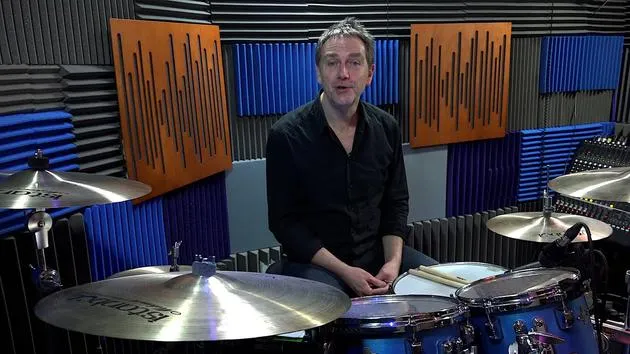
Rich Hawking, de Hacktivist, décortique 'Mindsweeper', un morceau implacable et lourd, plein d'accents syncopés, qui récompense l'apprentissage à l'oreille.

Le contenu du cours
29 leçons (2h 46min) · 1 gratuites
01. Chameleon - Herbie Hancock
2:55
02. Superstition – Stevie Wonder
3:00
03. Dutch Flowerz – Skream
2:42
04. Ziggy Stardust – David Bowie
2:46
05. Rock The Bells – LL Cool J
3:04
06. I Got You (I Feel Good) – James Brown
2:51
07. Mohair Mountain
3:01
08. Pop It In The Top
Leçon gratuite2:59
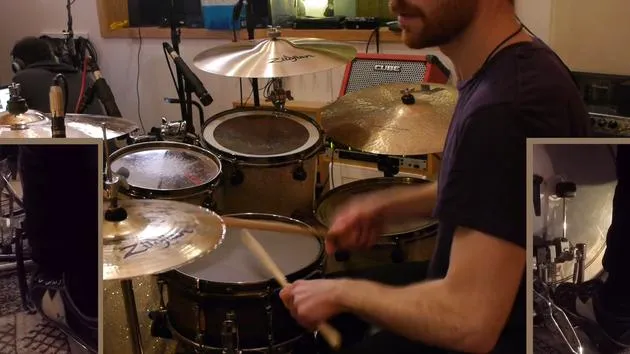
09. Mind Sweeper
2:35
10. Favela
2:41
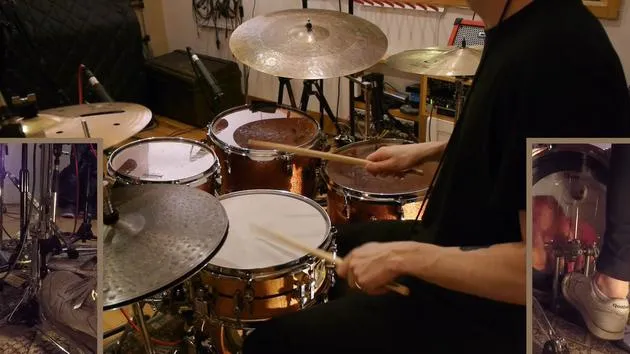
11. Space Future
2:47
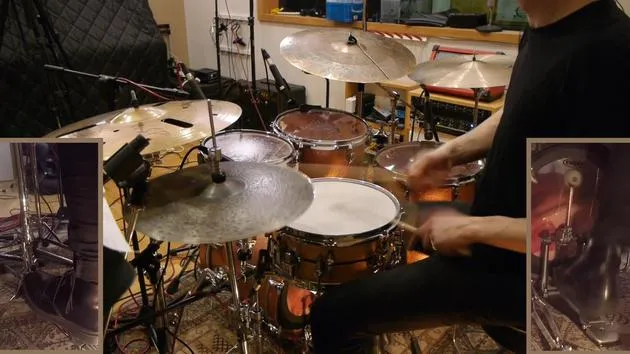
12. You Can Call Miguel
2:30
01. Ziggy Stardust – David Bowie (Analyse)
9:38
02. Dutch Flowerz – Skream (Analyse)
10:44
03. Superstition – Stevie Wonder (Analyse)
11:12
04. Chameleon - Herbie Hancock (analyse)
11:20
05. I Got You (I Feel Good) – James Brown (Analyse)
9:37
06. Rock The Bells – LL Cool J (Analyse)
12:16
07. Mohair Mountain (Analyse)
12:25
08. Pop It In The Top (Analyse)
7:14
09. Mindsweeper
Tu es ici10:40
10. Favela (analyse)
6:42
11. Space Future (analyse)
4:50
12. You Can Call Miguel (Analyse)
8:24
Transcription de la leçon
Minesweeper Music Lesson
Okay, let's talk about Minesweeper. We've got ourselves a real tricky one here, but it's lots of fun.
Overview
We've got a real heavy drum on bass feel to this one. It's pretty much a relentless slog, other than just one bit of a respite, which is in that nice laid back and much quieter bridge section.
Breaking It Down
So, let's talk about how we're going to start breaking this one down then. One of the best things that you can do is use your ears with this one. This is definitely something that I had to do.
- Realize that all of the syncopation and all of the colored accents around the drum kit are related to the music so closely.
- The more that you can understand the music, internalize it, and memorize the different parts of the song, such as the synths, the guitars, and what else is going on other than the drums, the easier it's going to be for you to nail this one down.
Syncopation and Variations
The other thing that makes it a nice bit easier is the fact that, in terms of the fast-paced, syncopated drum and bass riffs that you're going to have to play, there are only a couple of variations.
- Look and see how the introductory fast section on the ride is exactly the same as that chorus section where you're adding the crash on four.
- So, it's just one small difference. Once you've nailed that down, you've got a whole extra section all ready to go.
Then, there's one other variation for this syncopated ride feel that you're going to have to get used to. But again, once you've cracked that for the one section, it comes back in at the very end again. So, one piece can go the distance for two sections.
Tackling the Syncopation
The first thing that you're going to want to do when tackling these bits is thinking about that syncopation and getting it lined up with your ride cymbal.
- Try practicing with your teacher, running through the different fast patterns. But start slow, piecing together the hi-hat and snare drum syncopations, and lock in that bass drum for something more solid to tie back into the hard downbeats of things like beat one and beat three.
Ghost Notes
And with this drum and bass style, we've got to be talking about ghost notes. You may have heard the term before, and it refers to notes played really quietly.
- So, we're talking about small movements, tap with the tip of the stick on the head.
- This technique is used all over the place, from funk to hip hop to jazz, as well as obviously this style here that we're playing today.
If you can develop it, it's going to help you in lots of different areas you're playing.
In this instance, it's going to give you a great opportunity to get that classic drum and bass style. It can be quite difficult to nail at first. Often, when you first approach these rhythms, everything sounds really loud, which is too heavy for this type of style.
Playing Dynamics
You really want to nail down those ghost notes, getting it ticking along like the processed program beats of the drum and bass world.
- You might choose to start by playing an 8th note ride line and just incorporating some ghost notes between it.
- Let's give it a go! Try this with your teacher as well. You can help each other out and see how it all fits together.
Then, use that bass drum as a nice reference point to bring you back on the one or something to stick in the middle of the phrase.
A very useful tip when you're playing this kind of drum and bass groove is to think about dynamics. Use your technique to help you out.
This is something I found very useful because keeping the ghost notes as quiet as possible, using a rim shot for these backbeats, will give you a huge range of dynamics without much attack needed.
- You won't have to dig in as hard on that snare drum if you can start working in a rim shot every now and again.
- Let's see what I mean here. See the difference? That wasn't taking much effort at all.
Exploring the Bell Pattern
Now that we've got to grips with the syncopation needed for this fast-paced drum and bass feel, let's think about some other sections and tips I can give you.
First of all, we come to this bell pattern. This might be something that you find tricky, but here's a tip for how I approached it when I was learning:
- Listen to the track and realize how closely that bell pattern syncs up with what's going on in the tune.
- Try to internalize the phrase: "1, 2 and, and 4, 1 and and 3, 4." See if you can count this along with the track while it's playing: "1, 2 and, and 4, 1."
Once you've got that in your head, we can start applying it to the beat.
- The first step I took was to forget about the crash cymbal within the phrase and just play the groove.
- Don't worry about the crash cymbal at first until you're more confident with it. You can easily substitute it back out for a crash after you've got to grips with the bell pattern.
Let's give it one more try.
The Bridge Section
After we've navigated our way through that, let's think about this bridge. This is your respite from the intensity of the rest of the piece.
You want to ensure that you're not overplaying. Give yourself time to think ahead. This is where you're going to want to start drawing from some other genres.
Personally, I am a big fan of reggae music, so I was able to incorporate some phrasing that I enjoy playing from that side of things. If you're not sure where to begin, consider acts like:
- Toots and the Maytals
- Bob Marley and the Wailers
- Classic reggae sounds.
In that phrase, I used a one-drop feel and also incorporated more of a stepping rhythm, adding more bass drum in the second half of that bridge. This can give it a good way to start structuring the build-up and give it more of a journey. See what you can come up with!
Heavier Sections
Finally, let's think about the heavier sections. We've looked at the structure of the rest of the stuff, so let's break this one down.
One thing to really understand that can help you is that it's basically the same phrase every single time, whether it's in the middle of the piece or the section at the end.
- It's kind of like a post-chorus feel.
- You've got the stabs on 1, 2, and 4, followed by a space either filled with the syncopated drum beat from earlier in the piece or the space where you stick your fills.
When it's time for your solos, think about incorporating some patterns from the drum and bass world since we are playing an embellishment of that style mixed with that heavy rock feel.
- Definitely check out drummers like Jojo Mayer, who is incredible in the drum and bass and jungle world.
- Take inspiration from him as well as from Pendulum's first album, "Hold Your Color," which is a classic example of this heavier drum and bass feel.
Final Thoughts
The final thing I want to leave you with is the idea to ensure your technique is on point with this one. Your technique is going to help you out and make your job easier.
- When playing hi-hat patterns, keep it tight. Use the tip of the stick to help bounce up and down.
- Try to keep your ghost notes nice and low; you'll only have to make small movements.
- Compare that with a nice rim shot to get a huge dynamic range.
As we said before, focus on those small movements and good technique. Use that bounce to help yourself out with this one.
Okay, guys, don't let up the intensity! Go for it, really push yourself and dive into this one. Have fun!
29 leçons
2h 46m de leçons vidéo structurées
Fonctions vidéo avancées
Ralentissez, bouclez un passage, suivez la partition
Mobile, tablette et ordinateur
Pratiquez où vous voulez
Satisfaction garantie à 100 %
Garantie remboursement 30 jours







