



Comment embellir ton blues de 12 mesures

Avec
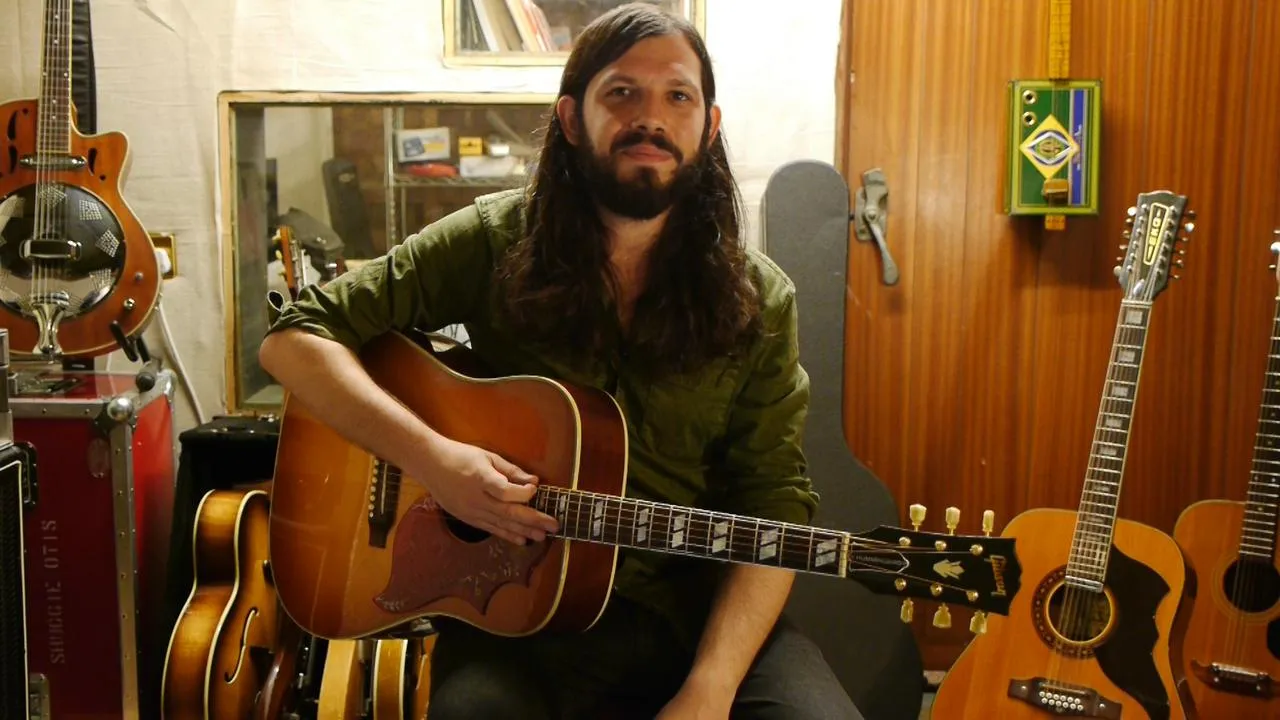
Marcus BonfantiMarcus Bonfanti revient sur le blues de 12 mesures en La, en positions ouvertes et fermées, puis ajoute des notes et des doigtés pour t'approprier la séquence.
Le contenu du cours
9 leçons (1h 45min) · 1 gratuites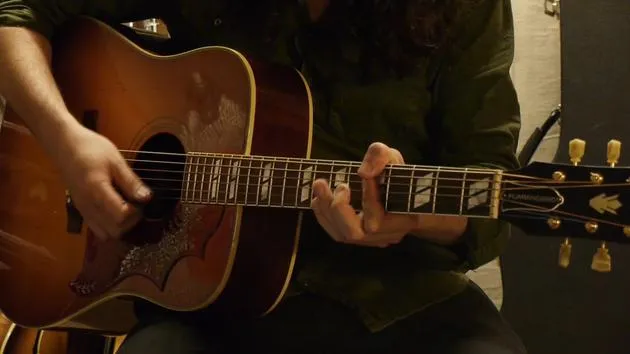
01. Comment embellir ton blues de 12 mesures
Tu es ici10:42
02. Explorer le blues et le turnaround
16:12
03. Mettre du rythme dans le blues
15:28

04. L'utilisation de la ligne de basse dans le blues
12:54
05. Introduction au solo de blues - Partie 1
11:09
06. Introduction au solo de blues, Partie 2
11:59
07. Hybrid picking
Leçon gratuite13:16

08. Interprétation de Mississippi John Hurt - Sliding Delta (arrangement de Marcus)
2:04
09. Commencer à trouver ta voix
11:31
Transcription de la leçon
Finding Your Own Voice in the Blues
Hey there, and thanks for checking out my course on finding your own voice in the blues. My name is Marcus Bonfanti, and this is the first course. It's just an introduction to the blues, really.
Introduction to the Blues
You're probably here because you've got a love for the genre already and probably know about the 12-bar sequence, the 1, 4, 5 kind of standard, which most blues music is built out of.
Recapping the 12-Bar Sequence
So, I thought we'd start by recapping the 12-bar sequence and showing it in both open and closed positions.
- Open Position: This is obviously down the bottom of the guitar. Let's pick a key. We'll do this in A for now. I'll be changing the keys up during the course just so we're not locked into one key for the whole time. Also, I'll show you how different keys sort of tell you different things on the guitar.
12-Bar Sequence in the Key of A:
- Chord I: A
- Chord IV: D
- Chord V: E
We'll just play nice and slow. Here we go:
- Chord I (A)
- Chord IV (D)
- Chord I (A)
- Back to Chord IV (D)
- Chord I (A)
Then we hit what is technically called a turnaround, which is the V chord (E) coming up here, followed by IV and the turnaround again. There are many options for that, and we'll go into that, too.
Closed Chords in the Key of A
Now, let's move to the closed chords. We're going to play this same sequence in the key of A up here on the fifth fret.
Thumb Positioning
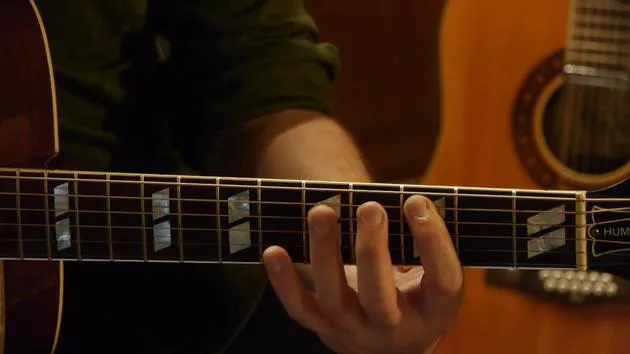
This is where we get into a little bit of technique. A lot of people talk about guitar with many different approaches. I'm a self-taught musician, and although I've had lessons along the way, the general consensus was to keep your thumb at the back of the guitar.
- My Approach: I think the thumb is very important when playing the guitar, especially with the blues. I'll be playing these songs with the thumb as the kind of anchor.
For example:
- An A7 chord for me will look different than what you might be used to.
12-Bar Sequence in Closed Position
So, here we go with the 12-bar sequence in a more closed position using chords like:
- A7
- D7
- D9
- E7
- E9
Once you get them under your fingers, the sequence is the same.
Let's play it:
- A7
- D
- A7
- D
- E (turnaround)
Now, this is all quite basic, and you probably know this already, but I think it's nice to recap just so we know what we're doing here.
Making the Sequence More Interesting
There are many things we can do with this sequence to make it more interesting:
-
Hammer-ons: Playing your seventh gives you the ability to hammer on between the minor third and the major third, which is a quintessential bluesy sound.
-
Combining Techniques: Playing with the thumb anchored down allows these fingers to be available to do other cool stuff.
Demonstration of Techniques
Now I'll play through the 12-bar sequence again, showing you a few little embellishments to make the sequence more interesting:
- Hammer-ons
- Sliding up to a chord from the fret beneath
You can do this on all the chords, but remember not to overdo it. A little goes a long way.
Techniques to Enhance Your Playing
- Extensions: Adding jazzy notes off the top, like moving to the 13 on your 9 chord.
- Common Lick: The familiar blues sound many of you may have heard.
We have:
- A → D (4 chord)
- D can also be played up here on the 10th fret.
Final Playthrough
Let's play the sequence again, a bit quicker this time, incorporating some hammering chords and a few extensions.
You'll notice that the earlier version sounded basic, but now with these embellishments, it sounds more musical, more like what we're trying to achieve.
Conclusion
This is just the beginning of many things you can do with the chords.
- We've covered:
- Playing it open
- Playing it closed with hammer-ons and extensions
To end, I'll just do a little jam around the 12-bar with all the extensions and tricks I use.
Practice
Try it for yourself! Experiment with hammer-ons, slides, and see how you can make your blues sequence more interesting. Enjoy, and see how you get on!
9 leçons
1h 45m de leçons vidéo structurées
Fonctions vidéo avancées
Ralentissez, bouclez un passage, suivez la partition
Mobile, tablette et ordinateur
Pratiquez où vous voulez
Satisfaction garantie à 100 %
Garantie remboursement 30 jours
Rencontrez votre guru
Rencontrez votre guru
Marcus Bonfanti a travaillé avec Ten Years After, Ginger Baker, Van Morrison, Ronnie Wood, David Gilmour et Nick Mason de Pink Floyd, Phil Manzanera de Roxy Music, Shuggie Otis et PP Arnold. Musicien professionnel depuis plus de quinze ans, il a parcouru le monde en tournée et enregistré dans de nombreux genres, mais le blues est là où bat son cœur et ce qu'il fait de mieux. Il a sorti trois albums solo -tous cités parmi les albums de l'année du magazine Classic Rock- et a tourné avec Robert Cray, Chuck Berry, John Fogerty et Beth Hart, se produisant dans des festivals comme le SXSW et le Legendary Rhythm & Blues Cruise. Rien de tout cela ne serait arrivé sans avoir passé les heures nécessaires à apprendre le métier - et c'est précisément à cela que servent ses cours. Que tu veuilles faire carrière dans la musique ou que tu adores simplement le blues et veuilles mieux le jouer, Marcus est là pour t'aider.







